
Bosnia and Herzegovina

The Land of Golden Lilies
Related Lives

Cook Islands
Polynesian Paradise in the Pacific

Kuwait
Land of Tradition and Progress

Canada
The Great White North

History of Video Game Consoles
The Birth of Home Gaming

Olympics
The Grandest Stage of All

Albania
The Land of Eagles
Canada
The Great White North

Luxembourg
The Gibraltar of the North

1414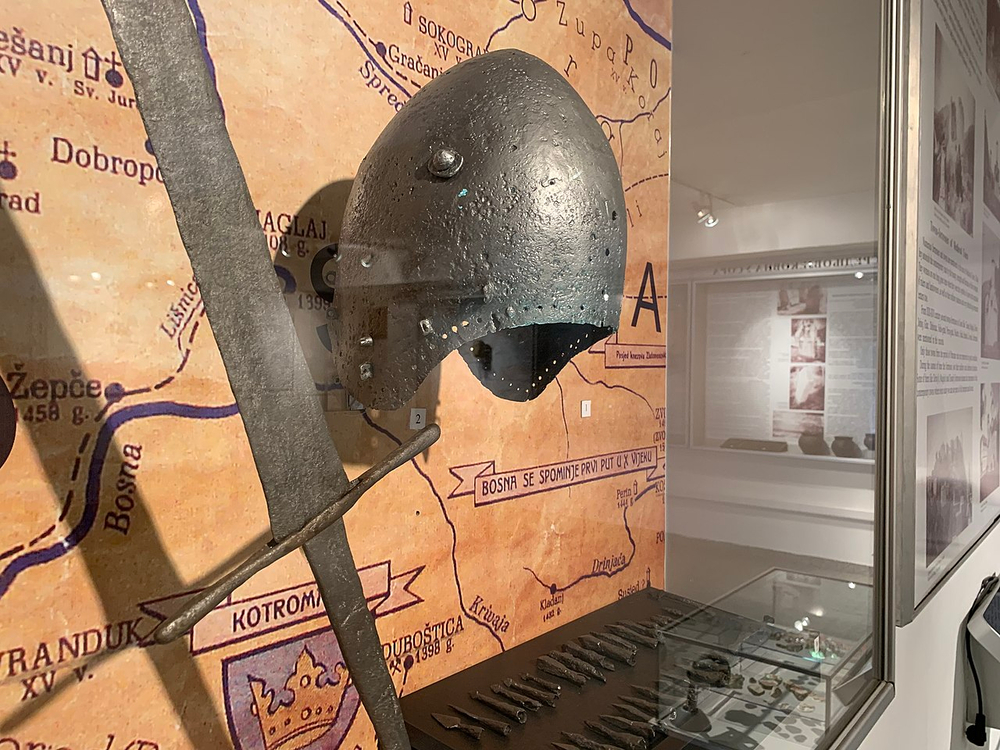
The Battle of Doboj was a conflict that arose in the region of Bosnia and Herzegovina. This confrontation took place during a period marked by shifting allegiances and emerging territorial disputes in Southeastern Europe. The Kingdom of Hungary sought to assert control and expand its influence over Bosnia, driven by the ambitions of Hungarian nobility and underlying strategic considerations.
Doboj, strategically located in northern Bosnia, became a focal point of military engagement between the forces of the Kingdom of Hungary and the combined armies of the Bosnian Kingdom and its allies, including Serbian despot Stefan Lazarević. The respective armies, comprised predominantly of knights, infantry, and auxiliary troops, engaged in a fierce struggle for dominance.
The Hungarian forces, led by nobleman Pipo Spano, aimed to penetrate deep into Bosnian territory to destabilize the region. On the other side, the Bosnian defenders, under the command of Sandalj Hranić along with Serbian allies, sought to defend their autonomy and repel the Hungarian incursion. The battle saw significant mobilization of troops, with historical records indicating the presence of thousands of soldiers on the battlefield.
The outcome of the battle led to a significant setback for the Hungarian forces. The Bosnian and Serbian troops successfully repelled the invasion, ensuring a temporary respite for Bosnia from Hungarian domination. The victory bolstered the morale of the Bosnian defenders and solidified the alliance between Bosnia and Serbia, establishing a period of relative stability in the region.
The Battle of Doboj holds importance in the historical context of Bosnia and Herzegovina. It underscores the resilience of the Bosnian kingdom in the face of external aggression and highlights the intricate web of alliances that characterized medieval Southeastern Europe. Although the larger territorial disputes continued, this battle remains a testament to the strategic and military capabilities of the Bosnian-Serbian alliance.
#BattleOfDoboj #BosnianHistory #HungarianInvasion #MedievalConflict #BosnianSerbianAlliance #MoofLife
View details1408
The Order of the Dragon, established on December 12, 1408, by Emperor Sigismund of Luxembourg, then King of Hungary, and his wife, Queen Barbara of Celje, was a prestigious chivalric order with deep roots in medieval European history. Created in the aftermath of the battle for possession of Bosnia, the order was founded to defend the Christian faith and the realm against the encroaching forces of the Ottoman Empire. The Order of the Dragon drew inspiration from earlier chivalric traditions, but its focus on resisting the Ottoman threat gave it a unique and urgent purpose in the volatile political landscape of the time.
Members of the Order were drawn from the highest ranks of European nobility and were expected to pledge their loyalty to the crown and to the defense of Christendom. The order's emblem, a coiled dragon, symbolized vigilance and power, and its motto reflected the fierce determination of its members to protect their lands and faith. The Order of the Dragon played a significant role in the political and military strategies of the region, particularly in consolidating power and influence among the nobility. It also served as a model for later chivalric orders, leaving a lasting legacy in European history.
#MomentsOfLife #MoofLife_Moment #MoofLife #OrderOfTheDragon #MedievalHistory #SigismundOfLuxembourg #ChivalricOrders #OttomanWars #EuropeanNobility
View details1358
The Treaty of Zadar marked a transformative episode in the history of Bosnia and Herzegovina as it recognized Bosnia as an independent state led by Ban Matej Ninoslav. Before the treaty, the region of Bosnia had been a vassal of the Kingdom of Hungary, subjected to external influence that limited its political and economic autonomy. The signing of the treaty was the culmination of rising regional tensions and the assertion of local leaders for sovereignty.
The background leading up to the treaty involves Ban Matej Ninoslav's adept political maneuvering and military strategy. Through strategic alliances and effective administration, Ninoslav managed to consolidate power within the Bosnian territories, thereby garnering the necessary leverage to negotiate terms with Hungary. This shift reduced Hungary's capacity to exert control over Bosnia and brought a significant degree of independence to the region.
The impact of the Treaty of Zadar was immediate and far-reaching. By acknowledging Bosnia as an independent state, it set the stage for subsequent developments in the region's political landscape. One primary consequence was the bolstering of a nascent national identity among the Bosnian populace. This newly-gained independence helped stimulate administrative reforms, foster economic growth, and spur on cultural advancements within Bosnia.
Furthermore, recognizing Ban Matej Ninoslav as the leader fortified his position both domestically and in the broader Balkan political theater. This new status enabled Bosnia to enter into various diplomatic and trade agreements with other neighboring states and entities, thus paving the way for greater regional interaction and relative stability.
Statistics indicate that the economic activities, particularly related to trade, saw a notable increase following the treaty. This upsurge laid the groundwork for Bosnia's more substantial role in medieval regional exchanges. The treaty also symbolizes a pivotal change in medieval Balkan geopolitics, highlighting the shift from feudal submission towards state sovereignty.
In summary, the Treaty of Zadar represented a crucial development in Bosnia's journey to gaining political sovereignty under the leadership of Ban Matej Ninoslav. By officially recognizing Bosnia as an independent state, the treaty had lasting implications on its political, economic, and cultural evolution, heralding a new era in the region's history.
#TreatyOfZadar #BosniaIndependence #BanMatejNinoslav #BalkanHistory #StateSovereignty #MoofLife
View details1353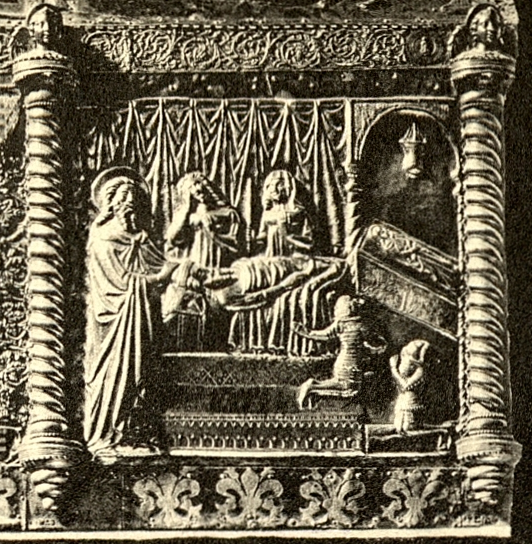
Tvrtko I, connected to both the houses of Kotromanić and Nemanjić, ascended as the first King of Bosnia during a period of significant change in Southeastern Europe. The coronation took place at Mile, near the town of Visoko, a center of Bosnian political and cultural life at the time. This event marked Bosnia's transition from a banate to a kingdom, suggesting its growing political and military influence in the region.
Tvrtko’s coronation was enabled by the strong internal consolidation of Bosnian territories under his rule. Notably, Tvrtko had succeeded in subduing semi-independent noble families, expanding Bosnian authority over neighboring regions like Hum (Herzegovina) and parts of Dalmatia. By aligning himself with the Western Balkans' emerging power structures, Tvrtko capitalized on both the disintegration of the Serbian Empire and the weakening of Hungarian control in the area.
Historians often emphasize that Tvrtko invoked the legacy of both Bosnian and Serb medieval states, particularly leveraging his maternal descent from the Nemanjić dynasty to legitimize his reign. Through strategic marriages and alliances, he cemented ties with important noble families across the Balkans.
The ecclesiastical support Tvrtko garnered was significant. He enjoyed the backing of the Bosnian Church, amidst a largely Catholic and Orthodox Christian population. This church, often distinct in its doctrines and under scrutiny from both Rome and Constantinople, played a crucial role in uniting different religious and ethnic factions within the kingdom.
This period saw Bosnia reach its zenith in territorial expansion. The Kingdom of Bosnia not only managed to secure and stabilize its domain but also exerted influence over vast sections of the Adriatic coast. Estimates suggest that during Tvrtko's reign, the kingdom extended from the Sava River in the north to the Adriatic Sea in the south, and from the Drina River in the east to the Cetina River in the west.
Tvrtko's crowning heralded the emergence of Bosnia as an independent, powerful player in the Balkans. His reign brought economic prosperity, augmenting trade particularly through cities like Kotor and Dubrovnik. The historical significance of his rule is reflected in the continued recognition of medieval Bosnia’s statehood legacy in the region.
#Coronation #TvrtkoI #BosnianKingdom #MedievalHistory #Balkans #MoofLife
View details1180
Ban Kulin's enthronement as the first Bosnian Ban marked a pivotal development in the history of Bosnia and Herzegovina. Kulin, emerging from a lineage of local nobility, assumed leadership during a period when Bosnia grappled with external pressures from neighboring regional powers. The political landscape of Bosnia at that time was intricate, involving the Byzantine Empire to the east and the Kingdom of Hungary to the north, both of which had varying degrees of influence and interest in the territory.
Kulin's ascension brought forth a new era marked by assertive consolidation of territorial authority. One of his notable achievements was fostering economic and political stability within Bosnia. He implemented policies that facilitated internal cohesion and external trade relations, especially with the Republic of Dubrovnik. These trade agreements enhanced the economic prosperity of Bosnia, enabling it to sustain its autonomy despite the looming threats from more powerful neighboring states.
The political stability under Kulin’s rule laid a foundation for a nascent Bosnian state identity. By emphasizing autonomy, Kulin managed to navigate the complex web of alliances and treaties. His reign also witnessed a relative period of peace, allowing for social and cultural development to flourish within the region. This peace was instrumental in allowing the diverse ethnoreligious groups within Bosnia to coexist relatively harmoniously during his tenure.
Kulin's administration is often credited with the bolstering of the Bosnian Church, which played a pivotal role in the region's religious and cultural tapestry. The Bosnian Church, with its distinct characteristics, distinguished Bosnia from the religious practices of its neighbors, thereby contributing to a unique regional identity.
This period in Bosnian history is crucial not only for establishing a measure of political autonomy but also for laying the groundwork for future developments in the region. The legacy of Kulin Ban continues to be a point of reference in discussions about Bosnian statehood and cultural identity.
#MoofLife #Bosnia #KulinBan #BosnianHistory #PoliticalStability #RegionalAutonomy #CulturalIdentity
View details1070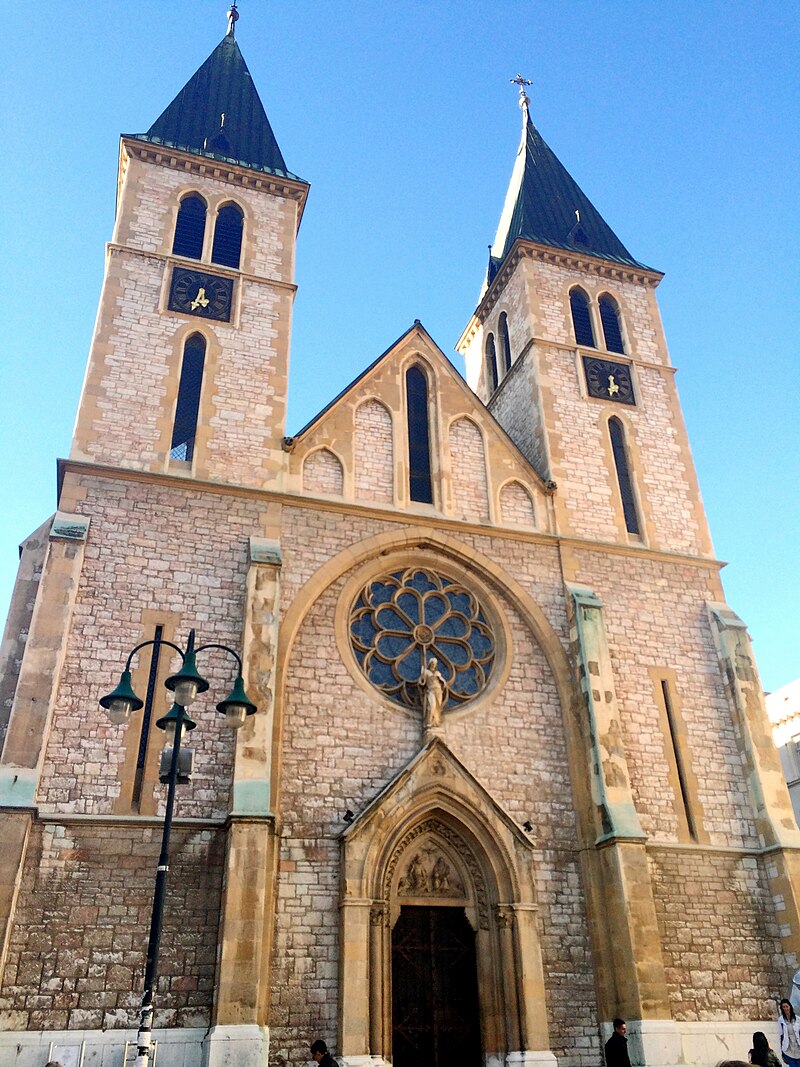
The Bosnian Church's move to achieve autonomy from the Archbishopric of Dubrovnik marked a pivotal change in the religious landscape of Bosnia and Herzegovina. Prior to this transition, the Bosnian Church operated under the ecclesiastical jurisdiction of the Archbishopric of Dubrovnik, which significantly influenced its structure and doctrines. The push for autocephaly emerged from a growing desire among Bosnian clergy and laity for greater independence in managing religious affairs and addressing local spiritual needs.
The endeavor to gain autocephaly coincided with a period of political and social consolidation within the region. The local leadership in Bosnia sought to solidify their cultural and religious identity, which was distinct from neighboring states influenced by Latin and Byzantine Christianity. The attainment of autocephaly meant that the Bosnian Church could elect its own bishops, establish its liturgical practices, and manage its administrative matters without external interference.
The impact of this newfound religious autonomy was significant. It fostered a sense of unity and self-reliance among the Bosnian populace, reinforcing their cultural identity. The Bosnian Church began to develop unique practices and doctrines that reflected the specific needs and circumstances of the region. Additionally, the establishment of a self-governing church contributed to the stabilization of local governance structures, as religious and secular authorities often worked in close coordination.
This ecclesiastical independence also had broader geopolitical implications. The Bosnian Church's autonomy allowed Bosnia to navigate its relationships with both the Western and Eastern branches of Christianity more flexibly. As a result, Bosnia could better position itself within the complex tapestry of medieval European politics, balancing the influences of powerful neighboring states.
The acquisition of autocephaly by the Bosnian Church represents a clear example of how religious and political factors are deeply intertwined, shaping the course of regional history. It underscores the interconnectedness of ecclesiastical autonomy and national identity, portraying a period where local governance and cultural preservation were primary concerns.
#BosnianChurch #Autocephaly #ReligiousIndependence #BosnianHistory #CulturalIdentity #MedievalPolitics #MoofLife
View details0996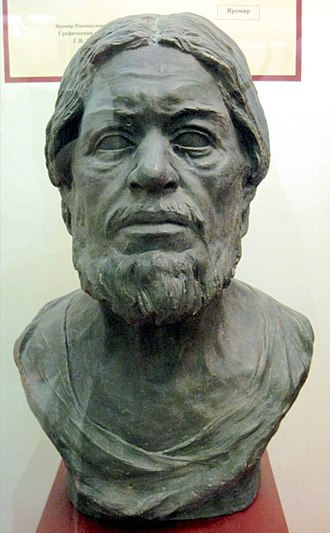
Samuel of Bulgaria's assertion of over-lordship over parts of Bosnia marked a critical juncture in the medieval Balkans. As one of the most influential rulers of the First Bulgarian Empire, Samuel sought to expand his dominion and consolidate power in the region. This move was part of his broader strategy to assert control over territories that were crucial for trade routes and military advantage.
The background to Samuel's expansion involved a period marked by fragmentation and shifting allegiances among the South Slavic states. The Kingdom of Croatia, the Byzantine Empire, and various local chieftains all vied for influence. Samuel's initial success in securing parts of Bosnia can be attributed to his military campaigns, diplomatic acumen, and the relative instability of neighboring regions. By exerting control over Bosnia, Samuel extended his influence into a strategically pivotal area, rich in resources and crucial for maintaining his empire's defensive capabilities.
The impact of Samuel's control over Bosnia had both immediate and long-term effects. In the short term, it strengthened the First Bulgarian Empire's territorial holdings and contributed to the stabilization of its western borders. Economically, it allowed Samuel to tap into the resources and trade networks of Bosnia, bolstering his empire's economic base. Militarily, it provided a buffer zone against potential incursions from rival powers.
Over the longer term, Samuel's assertion over Bosnia also influenced the region's political landscape. It introduced a period of Bulgarian dominance that would shape the cultural and administrative development of Bosnia. The imposition of Bulgarian rule likely facilitated the spread of Orthodox Christianity and Slavic cultural elements, which would leave a lasting imprint on the region's heritage.
This event underscores the complexities of medieval Balkan geopolitics, where local and regional powers continually maneuvered for supremacy. It highlights the ways in which military conquest, strategic diplomacy, and resource control were interlinked in the power struggles of the time. Samuel's actions were instrumental in the broader narrative of Balkan history, reflecting the dynamism and contested nature of medieval statecraft.
#MoofLife #BalkansHistory #MedievalBulgaria #BosniaHerzegovina #Geopolitics #HistoricalEvents
View details0959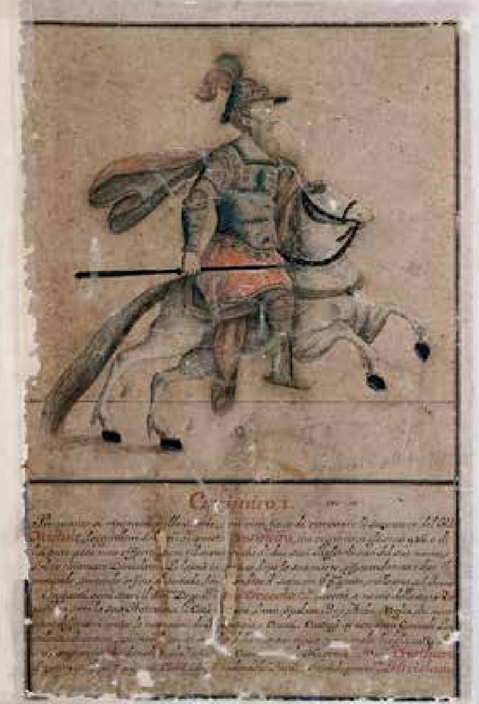
Časlav Klonimirović, the Serbian prince, was leading numerous Serbian tribes and territories when a critical clash reshaped the political landscape of the region. His death occurred during a fierce battle against the military forces from Bulgaria. This confrontation marked a pivotal shift in regional dominance and had cascading effects on neighboring territories.
At the time of Časlav's leadership, Bosnia maintained a semi-independent status but its political allegiances were often influenced by the stronger powers surrounding it, including Croatia and Bulgaria. Časlav's death created a power vacuum that led to the temporary incorporation of Bosnia into the Croatian state under King Krešimir II. This incorporation was a strategic expansion for Croatia, enhancing its influence over the region.
Krešimir II, seeing the opportunity to expand his territory, moved swiftly to incorporate Bosnia into his realm. This brief consolidation under Croatian rule provided Bosnia with a period of relative stability compared to the frequent conflicts it had experienced under Serbian rule. It also marked a shift in the regional balance of power, reinforcing Croatia's position as a significant force in the Balkans.
This period of Croatian control over Bosnia was not long-lived, yet it highlighted the fluid nature of territorial boundaries and political control in medieval Europe. Subsequent events saw Bosnia reasserting its autonomy and eventually evolving into an independent entity. The death of Časlav and the resultant temporary Croatian dominion over Bosnia had long-term implications for the national identities and historical trajectories of the South Slavic peoples.
In reflecting on this event, it becomes clear that the alliances and conflicts of the time were instrumental in shaping the medieval political tapestry of the Balkans. #MoofLife #BalkanHistory #HistoricShift #BosnianHeritage #MedievalConflicts #SouthSlavic
View details0927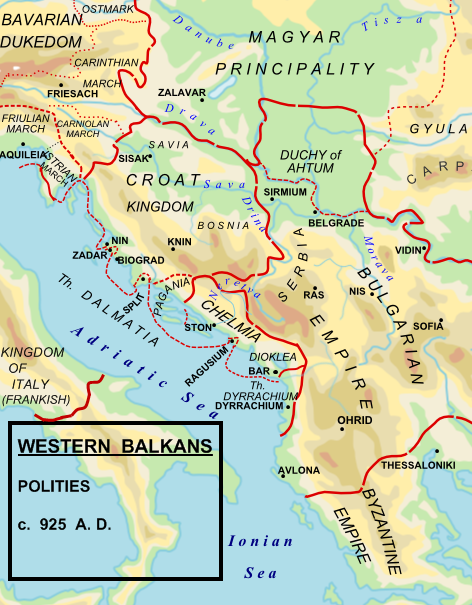
The Battle of the Bosnian Highlands was a pivotal moment in the early medieval history of the Balkans, marked by the decisive victory of King Tomislav of Croatia over Simeon I of Bulgaria. This battle, fought around 926 AD, underscored Tomislav's military prowess and strategic acumen, as he successfully defended his kingdom from one of the most formidable powers of the time. The conflict arose from the expansionist ambitions of Simeon I, who sought to extend his empire westward, clashing with the interests of the Croatian kingdom. Tomislav, known for uniting various Croatian tribes under his rule and strengthening the state's military capabilities, effectively countered Simeon’s advances, securing his kingdom's independence and influence in the region.
King Tomislav's victory in the Battle of the Bosnian Highlands not only solidified his reputation as a powerful leader but also marked a turning point in the power dynamics of the Balkans. His triumph ensured the stability and continuity of the Croatian kingdom, allowing it to flourish in the subsequent decades. This battle is often celebrated in Croatian history as a symbol of national strength and resilience against external threats. The victory also contributed to the decline of Simeon I's influence in the western Balkans, curbing his expansionist policies and preserving the balance of power in the region.
#MomentsOfLife #MoofLife_Moment #MoofLife #KingTomislav #CroatianHistory #BattleOfBosnianHighlands #MedievalHistory #BalkanWars #SimeonI
View details0335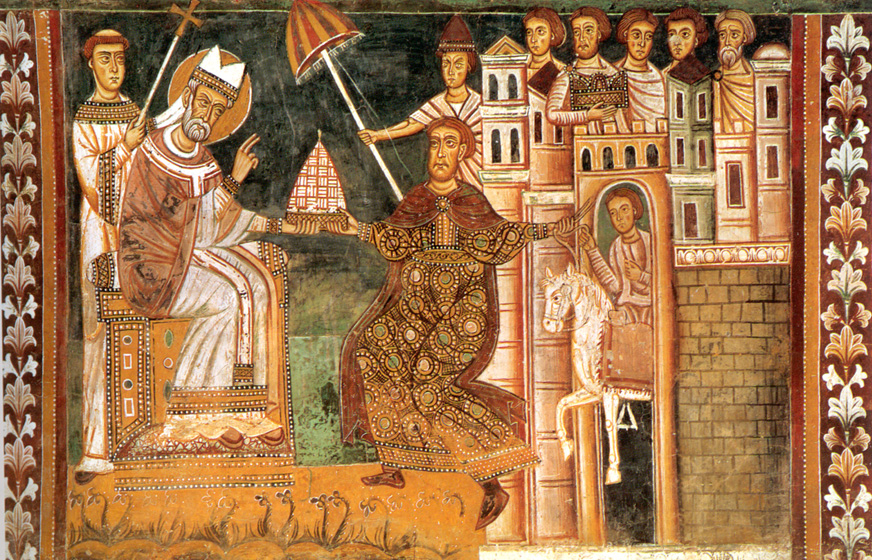
Pope Silvester I, according to tradition, was born in Dalmatia, a region that would later be associated with Bosnia and Herzegovina. His ascension marked him as the 33rd Pope of the Catholic Church. As the leader of the Catholic Church during a pivotal period, his papacy was significant in shaping early Christianity.
Historical records credit Pope Silvester I with overseeing several key developments in the Christian world, although concrete details about his life and achievements remain sparse. This era saw the church solidify its structures and doctrines, influenced by the shifting political landscape. The relationship between church and state evolved during his tenure, notably supported by the endorsement of Emperor Constantine. The intertwining of secular and religious authority during this period was essential in Christianity's spread and the consolidation of its practices.
Pope Silvester I's papacy coincided with the First Council of Nicaea, although there is debate about his direct involvement. This council was crucial in defining core aspects of Christian doctrine, including the nature of Christ and the celebration of Easter. These decisions would have a long-lasting impact on Christian theology and practice.
The Pope's role during these events reflects the early church's journey from a persecuted minority to a dominant religious institution. His papacy witnessed the construction of several significant religious edifices in Rome, aligning the church with monumental architecture reflective of its growing influence.
Statistics about the church's expansion, conversions, and the construction of places of worship during this period indicate significant growth and institutional consolidation. Although exact numbers are difficult to ascertain, the era marked a notable increase in the Christian population and the establishment of organized ecclesiastical jurisdictions.
Pope Silvester I's tenure as the 33rd leader of the Catholic Church not only impacted religious authority but also intertwined deeply with the regional history of Bosnia and Herzegovina, linking it to early Christianity's development.
#PopeSilvesterI #CatholicChurch #EarlyChristianity #DalmatiaOrigins #BosniaHerzegovinaHistory #CouncilofNicaea #ReligiousHistory #MoofLife
View details0225
In the ancient town of Osor, on the island of Osor, in what is now present-day Croatia, an event occurred that would resonate through Christian history. This town was a part of the Roman Empire, notable for its position as a trading center owing to its strategic location along maritime routes. It was here that Lawrence of Rome was born, a figure who would later become a revered saint in the Christian tradition.
Lawrence hailed from Illyrian descent, connecting him to the broader geographical and cultural region that included parts of modern-day Croatia and the western Balkans. This connection ties his legacy to the historical region of Illyricum, known for its mosaic of cultures and ethnic groups.
From an early age, Lawrence was immersed in the Christian faith, which was professed by his family despite the prevailing Roman paganism. This positioning within a religious minority shaped his future path. He migrated to Rome, where he eventually became one of the seven deacons under Pope Sixtus II, responsible for the administration of Church goods and the care of the poor. His role was critical in the period of Christian persecution under Emperor Valerian, where Christians were largely oppressed, and their leaders were often executed or imprisoned.
The Roman Emperor Valerian’s decree demanded the execution of bishops, priests, and deacons. Among those targeted was Lawrence, who became famous for his defiance. When asked to hand over the treasures of the Church, he reportedly presented the poor and the needy of Rome, declaring them the true treasures. His act of defiance led to a brutal martyrdom.
Lawrence’s martyrdom had an enduring impact on Christian communities, particularly within the Roman Empire. His legacy is noted for symbolizing courage and unwavering faith under persecution. The Church instituted a feast day in his honor, celebrated on August 10, which remains an important observance in many Christian denominations.
Lawrence's birthplace, Osor, thus holds historical significance, linking back to a figure whose life story underscored the early struggles and resilience of Christian communities across the Roman Empire.
#ChristianHistory #IllyrianHeritage #RomanEmpire #EarlyChristianity #SaintLawrence #Martyrdom #ReligiousPersecution #MoofLife
View details0010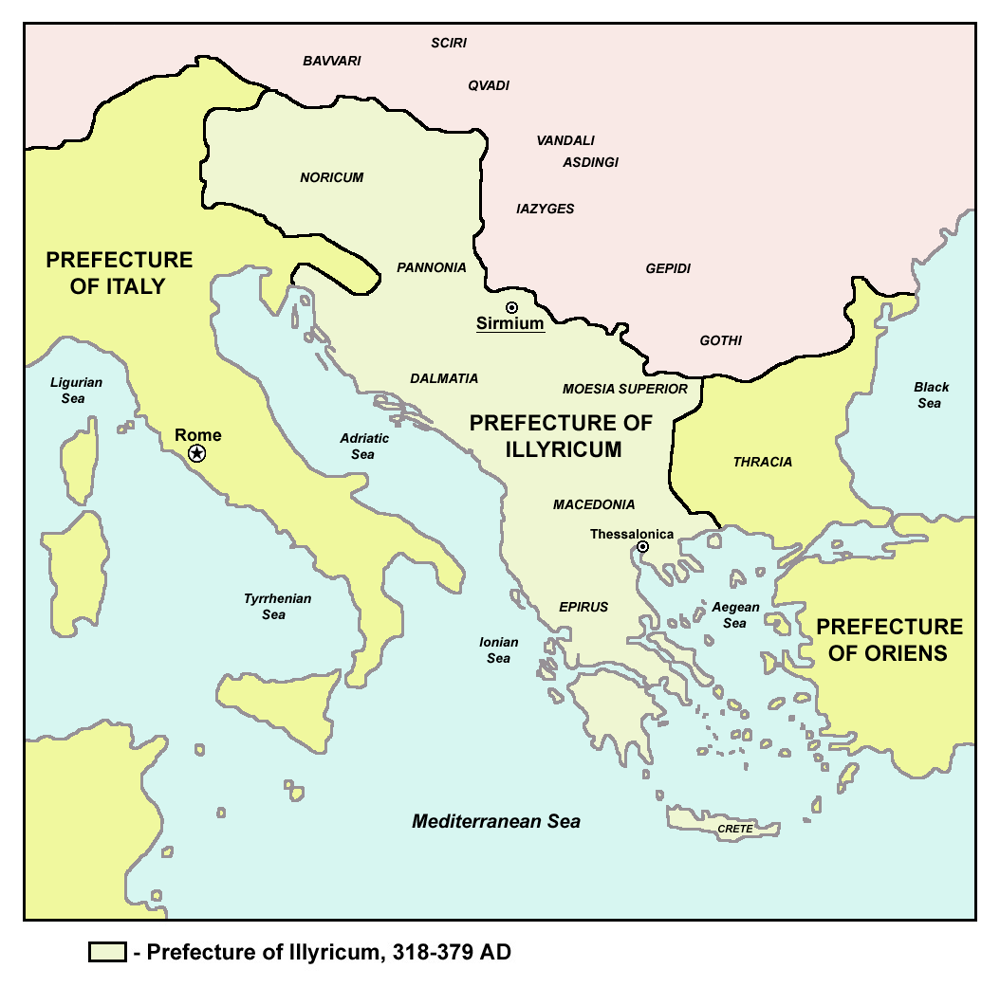
The Roman Empire's decision to divide the province of Illyricum into two separate provinces, Dalmatia and Pannonia, was a move with significant administrative and strategic ramifications. This division came against a backdrop of sustained military and political efforts by Rome to stabilize and efficiently govern its territories along the Danube and Adriatic Sea.
Illyricum, prior to its division, had been an extensive province that posed challenges in terms of governance and defense due to its diverse terrain and the presence of various tribal groups. To better manage these challenges, Rome implemented a partitioning strategy. Dalmatia encompassed the coastal regions and hinterlands extending inland, encompassing portions of present-day Bosnia and Herzegovina. Pannonia, on the other hand, covered the areas along the middle Danube River basin, vital for trade and military logistics.
The impact of the division was multifaceted. For Rome, it facilitated more effective administrative control and military oversight. This bolstering of regional management allowed for better resource allocation, quicker response times to local disturbances, and more direct communication channels between Rome and regional officials. The establishment of Dalmatia and Pannonia as distinct entities also allowed for specialized development; Dalmatia became more connected to maritime trade networks, while Pannonia's strategic location made it a central hub in the defense perimeter against invasions from the north and east.
Statistical implications of this administrative change were evident in the census data of the period, as populations were more accurately accounted for and taxed under the new provincial boundaries. Military records also reflect reorganized legions stationed in these provinces, aligning with the new administrative centers – Salona in Dalmatia and Aquincum (modern-day Budapest) in Pannonia.
This provincial division was a strategic move by the Roman Empire that would have lasting effects on the political and cultural landscapes of the regions involved. The formation of Dalmatia and Pannonia marked an evolution in the Roman approach to provincial governance, laying a foundation that modern administrative boundaries in areas like Bosnia and Herzegovina can trace back to.
#RomanEmpire #AncientHistory #BosniaAndHerzegovina #Dalmatia #Pannonia #MoofLife
View details