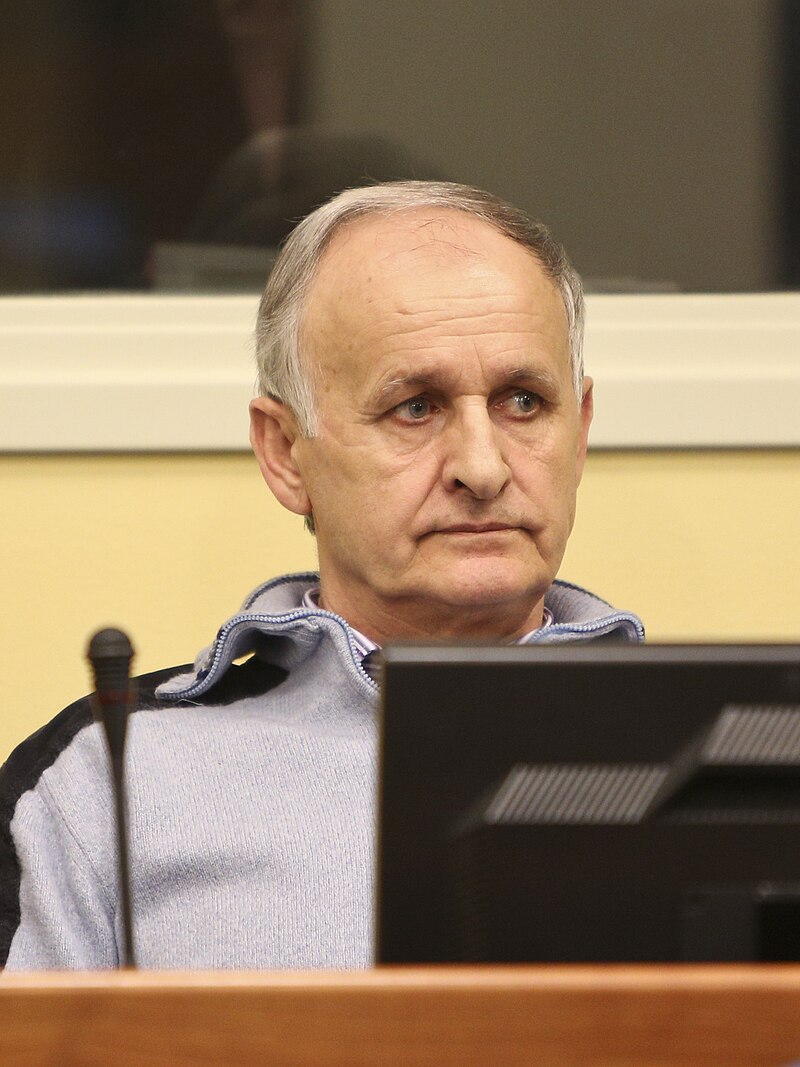
Hague tribunal convicts Gen. Radislav for Srebrenica genocide, 46-year sentence given.
Bosnia and Herzegovina
Genocide
10 min read
Updated By: History Editorial Network (HEN)
Published:
On August 2, 2001, the International Criminal Tribunal for the Former Yugoslavia (ICTY) made a landmark ruling in the history of international justice. The tribunal found Bosnian Serb General Radislav Krstić guilty of genocide for his involvement in the massacre at Srebrenica during the Bosnian War. This verdict marked the first time an individual was convicted of genocide by the ICTY, establishing a crucial precedent in the prosecution of crimes against humanity.
The Srebrenica Massacre: A Background
The Srebrenica massacre, often described as the worst atrocity in Europe since World War II, occurred in July 1995 during the Bosnian War, which raged from 1992 to 1995 following the breakup of Yugoslavia. Srebrenica, a town in eastern Bosnia and Herzegovina, had been declared a "safe area" by the United Nations in 1993, meant to provide refuge for Bosniak (Bosnian Muslim) civilians fleeing the conflict.
Despite this designation, on July 11, 1995, Bosnian Serb forces led by General Ratko Mladić overran the town. In the days that followed, more than 8,000 Bosniak men and boys were systematically separated from their families, detained, and executed. The bodies of the victims were buried in mass graves, many of which were later exhumed and reburied in an attempt to conceal the evidence of the genocide.
Radislav Krstić's Role
Radislav Krstić, who served as the commander of the Drina Corps of the Bosnian Serb Army, played a key role in the planning and execution of the Srebrenica massacre. Though Krstić was not the top commander—this role was held by General Ratko Mladić—his involvement in coordinating the military operations around Srebrenica was crucial to the genocide's execution.
Krstić’s forces were directly responsible for the transportation of captured Bosniak men and boys to execution sites, where they were systematically murdered. The ICTY's investigation revealed that Krstić had full knowledge of the plans to kill the Bosniaks and actively participated in these efforts, making him complicit in the genocide.
The Trial and Conviction
Krstić was arrested by NATO forces in Bosnia in December 1998 and was subsequently transferred to The Hague to stand trial before the ICTY. His trial began in March 2000, and the case against him was built on a vast array of evidence, including testimonies from survivors, intercepted communications, and documents that detailed the operations of the Bosnian Serb Army.
On August 2, 2001, the ICTY found Krstić guilty of genocide, the first such conviction by the tribunal. He was also convicted of other crimes, including persecution, extermination, and murder. The tribunal sentenced him to 46 years in prison, a sentence that was later reduced to 35 years on appeal.
The court's ruling was significant not only because it was the first genocide conviction by the ICTY but also because it affirmed the international community's commitment to holding individuals accountable for the gravest crimes, regardless of their rank or position.
The Importance of the Verdict
The conviction of Radislav Krstić was a pivotal moment in the pursuit of justice for the victims of the Bosnian War. It underscored the severity of the crimes committed at Srebrenica and recognized the massacre for what it was: an act of genocide. The ruling also set a legal precedent that would influence future cases of genocide and crimes against humanity.
The verdict was a crucial step in acknowledging the suffering of the victims and their families, many of whom continued to search for the remains of their loved ones years after the massacre. It also served as a stark reminder of the international community's failures during the Bosnian War, particularly the inability to protect the safe area of Srebrenica.
Legacy and Aftermath
The Krstić verdict has had a lasting impact on international law and the ongoing efforts to achieve justice for victims of genocide. It helped pave the way for subsequent convictions of other key figures involved in the Srebrenica massacre, including the eventual conviction of Ratko Mladić in 2017.
However, the legacy of the Srebrenica genocide and the Bosnian War continues to be felt in Bosnia and Herzegovina, where ethnic tensions and divisions persist. The Krstić trial and conviction remain a significant chapter in the ongoing process of reconciliation and healing in the region.
#MomentsOfLife #MoofLife_Moment #MoofLife #Srebrenica #ICTY #Genocide #BosnianWar #JusticeForVictims
Primary Reference
Bosnia-Herzegovina profile - Timeline - BBC News
Explore the Life Moments of
 AI Twin