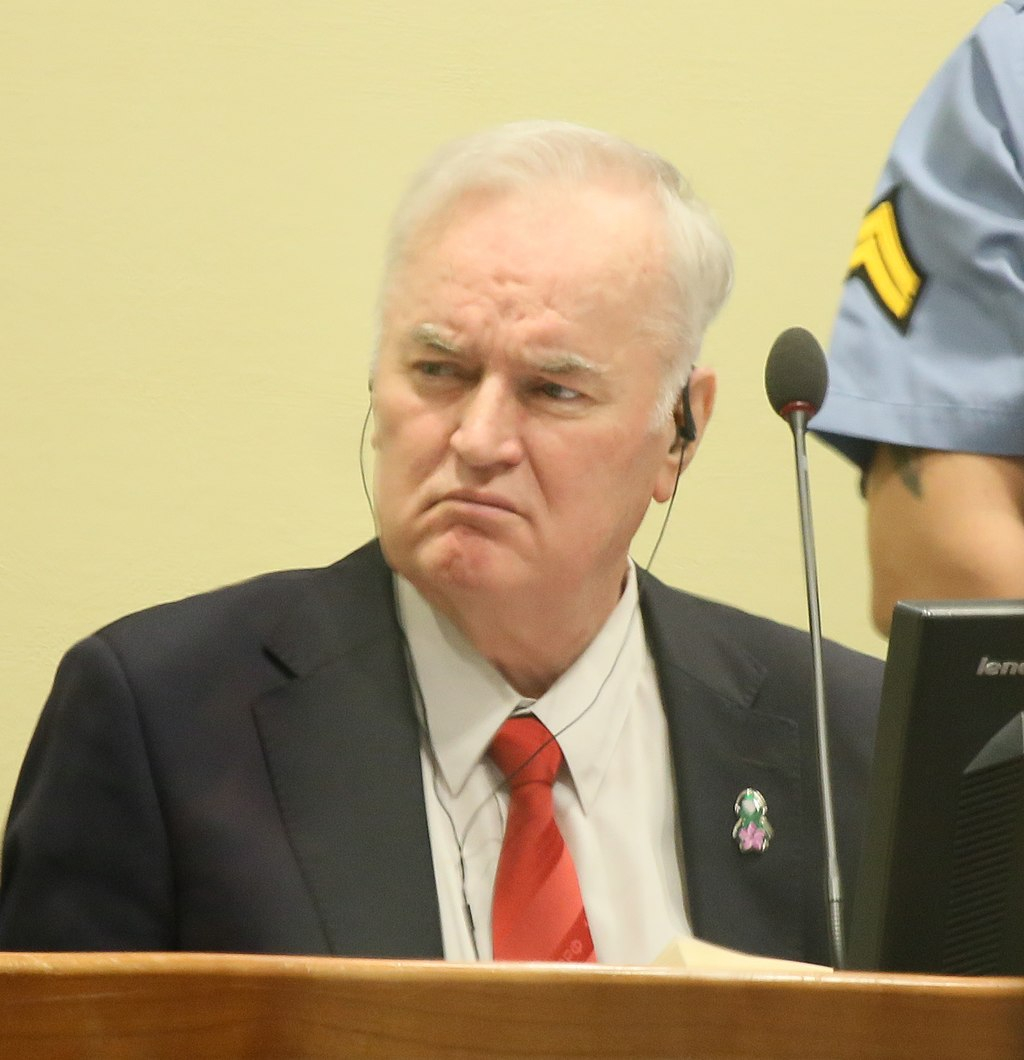
Serbian authorities arrest war crimes suspect Ratko Mladic.
Bosnia and Herzegovina
Political
International Justice
6 min read
Updated By: History Editorial Network (HEN)
Published:
Former Bosnian Serb military chief Ratko Mladic, one of the world's most wanted war crimes suspects, was arrested by Serbian authorities. Prior to his arrest, Mladic had been on the run for over a decade, evading international justice for his role in the Bosnian War. Accusations against Mladic included orchestrating the Srebrenica massacre, where an estimated 8,000 Muslim men and boys were murdered in a campaign of ethnic cleansing. He was also charged with leading the siege of Sarajevo, which resulted in thousands of civilian deaths over a nearly four-year period.
Mladic's arrest was seen as a significant milestone in international justice and reconciliation efforts in the Balkans. The International Criminal Tribunal for the former Yugoslavia (ICTY) had indicted him for genocide, crimes against humanity, and war crimes, hoping to bring one of the conflict's key perpetrators to justice. His capture underscored the lengthy and complex process of locating and apprehending individuals accused of such heinous offenses.
The arrest was widely welcomed by international bodies and human rights organizations as a necessary step towards holding individuals accountable for atrocities committed during the war. It marked a pivotal moment in Serbia's cooperation with international judicial mechanisms and demonstrated the country's willingness to move towards greater alignment with European Union standards, a critical factor for its aspirations to join the EU.
In Bosnia and Herzegovina, reactions were mixed. For the survivors of the Srebrenica genocide and the siege of Sarajevo, Mladic's detention offered a sense of justice and closure, though the wounds of the past could never be fully healed. Politically, the arrest had reverberations throughout the region, affecting relations between different ethnic groups and political parties.
Several figures were essential in Mladic’s eventual arrest, including coordinated efforts between Serbian intelligence services and international counterparts. This cooperation spotlighted the global commitment to prosecuting war crimes and emphasized the role of international solidarity in upholding human rights.
Mladic was subsequently tried at the ICTY, and his trial linked to broader efforts to document and address the crimes of the Bosnian War. His case remains a point of reference for discussions about justice, accountability, and reconciliation in post-conflict societies.
#WarCrimes #RatkoMladic #BosnianWar #SrebrenicaMassacre #InternationalJustice #HumanRights #ICTY #Balkans #SarajevoSiege #BosniaAndHerzegovina #MoofLife
Primary Reference
Bosnia-Herzegovina profile - Timeline - BBC News
Explore the Life Moments of
 AI Twin