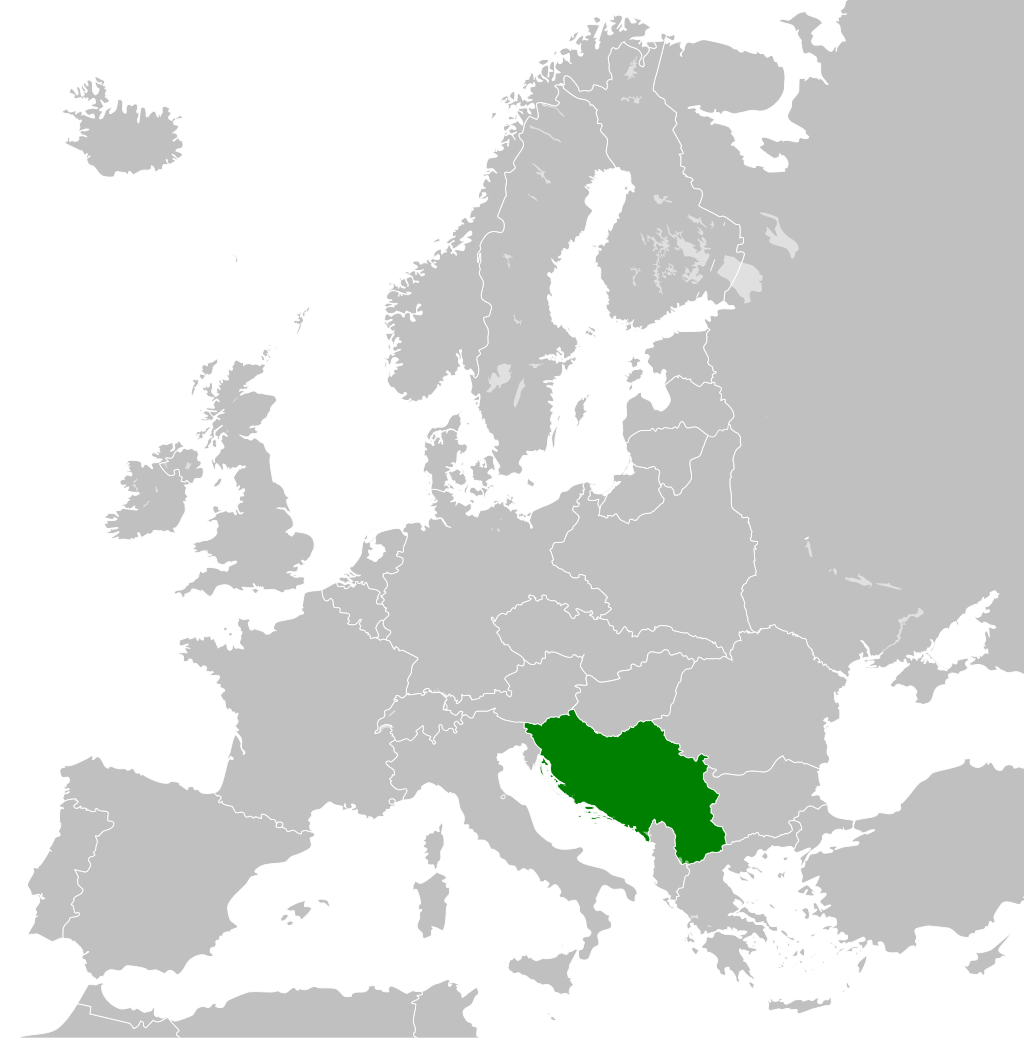
Formation of Kingdom of Serbs, Croats, and Slovenes (later Yugoslavia) with Bosnia and Herzegovina.
Bosnia and Herzegovina
Transition
SouthSlavicUnity
6 min read
Updated By: History Editorial Network (HEN)
Published:
In the aftermath of World War I, the geopolitical landscape of Southeastern Europe underwent significant transformation. The Austro-Hungarian Empire, which had dominated the region for centuries, disintegrated under the strain of wartime losses and nationalistic fervor. Amidst this upheaval, the Kingdom of Serbs, Croats, and Slovenes was established, a new nation striving to unite diverse South Slavic peoples under a common political umbrella.
The creation of this kingdom was propelled by the desire to forge a unified front amongst Serbs, Croats, and Slovenes, who shared linguistic and cultural similarities but had been consigned to different political entities under imperial rule. The state's formation was driven by leaders who sought to establish a broader, more cohesive nation that could offer collective security and economic stability in an uncertain post-war era.
The inclusion of Bosnia and Herzegovina into this union was particularly notable, given its ethnically diverse population. Prior to the new kingdom's establishment, Bosnia and Herzegovina had been an annexed territory of Austria-Hungary. Its inclusion underscored the aspiration to blend various ethnic and religious groups into a multilateral state framework.
The formation of the Kingdom marked a significant shift in regional dynamics. It offered a new avenue for economic collaboration, political representation, and social integration. However, integrating vast and diverse territories brought challenges, including managing the interplay between different ethnic groups and addressing variances in political aspirations.
According to historical records, the newly-formed state encompassed approximately 87,000 square miles and a population of around 12 million people, comprising Serbs, Croats, Slovenes, Bosniaks, and others. The push for unity was reflected in the first parliamentary elections, which aimed to establish a representative governance structure.
The Kingdom experienced both successes and struggles in its endeavor to build a cohesive national identity. The amalgamation of various regions aimed to enhance mutual development and security, yet it also laid bare the complexities of aligning distinct national interests.
As Bosnia and Herzegovina became part of this new kingdom, it joined in the effort to create a unified South Slavic nation. The legacy of this unification venture carried implications for future political shifts in the Balkans.
#HistoricalTransition #PostWWI #YugoslaviaCreation #BosniaHerzegovina #SouthSlavicUnity #MoofLife
Primary Reference
Kingdom of Serbia/Yugoslavia* - Countries - Office of the Historian
Explore the Life Moments of
 AI Twin