
Belarus

Land of Lakes and Forests
Related Lives

China
Land of Silk

Nepal
The Land of Himalayas

Mayan Civilization
Masters of Time and Stone
Azerbaijan
The Land of Fire

Norway
Land of Fjords and Northern Lights

Bahrain
The Pearl of the Gulf

Sweden
The Land of the Midnight Sun
Brunei
Abode of Peace

1815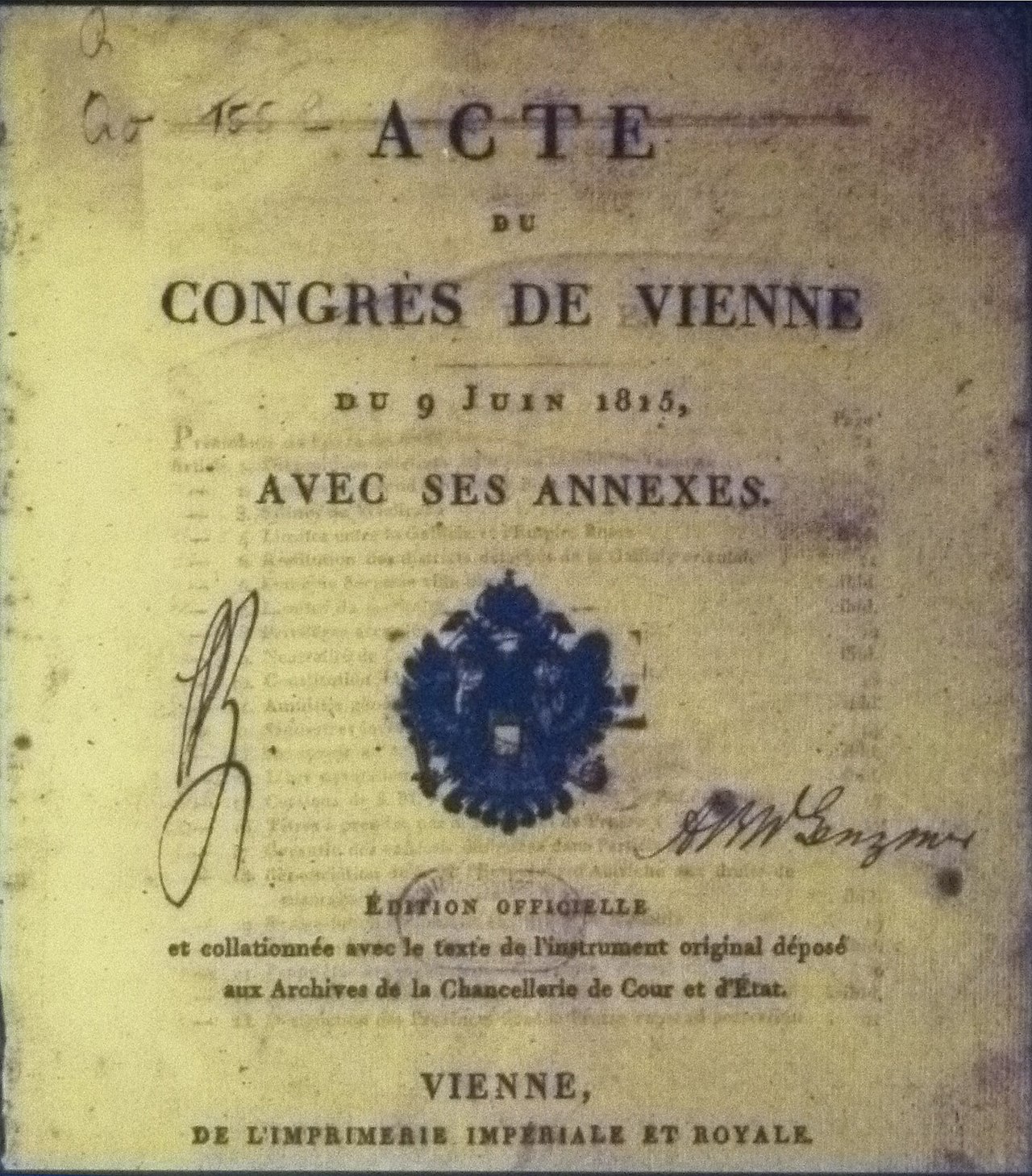
After the Napoleonic Wars, the Treaty of Viennese Congress was instrumental in reshaping the map of Europe. As a result, Belarus found itself delineated as a part of the Russian Empire. The borders established during this event solidified Belarus' inclusion within the expanding Russian territory.
The acquisition of Belarus by the Russian Empire had significant implications for the region. It led to the imposition of Russian administration and policies, impacting the cultural, political, and economic landscape of Belarus. The region underwent Russification, with the promotion of the Russian language and customs. This period also saw the suppression of Belarusian identity and attempts to assimilate Belarus into the Russian framework.
The Treaty of Viennese Congress marked a turning point in Belarus' history as it brought about a shift in governance and allegiance. Belarus was now under the control of the Russian Empire, setting the stage for decades of Russian influence in the region. The borders established during this event endured for years, shaping Belarus' geopolitical reality.
The impact of the Treaty of Viennese Congress on Belarus cannot be understated. It laid the foundation for the incorporation of Belarus into the Russian Empire and set the course for its future trajectory. The event represented a pivotal moment in Belarusian history, shaping its identity and relationship with Russia.
#TreatyofVienneseCongress #BelarusianHistory #RussianEmpire #GeopoliticalImpact #Russification
View details1812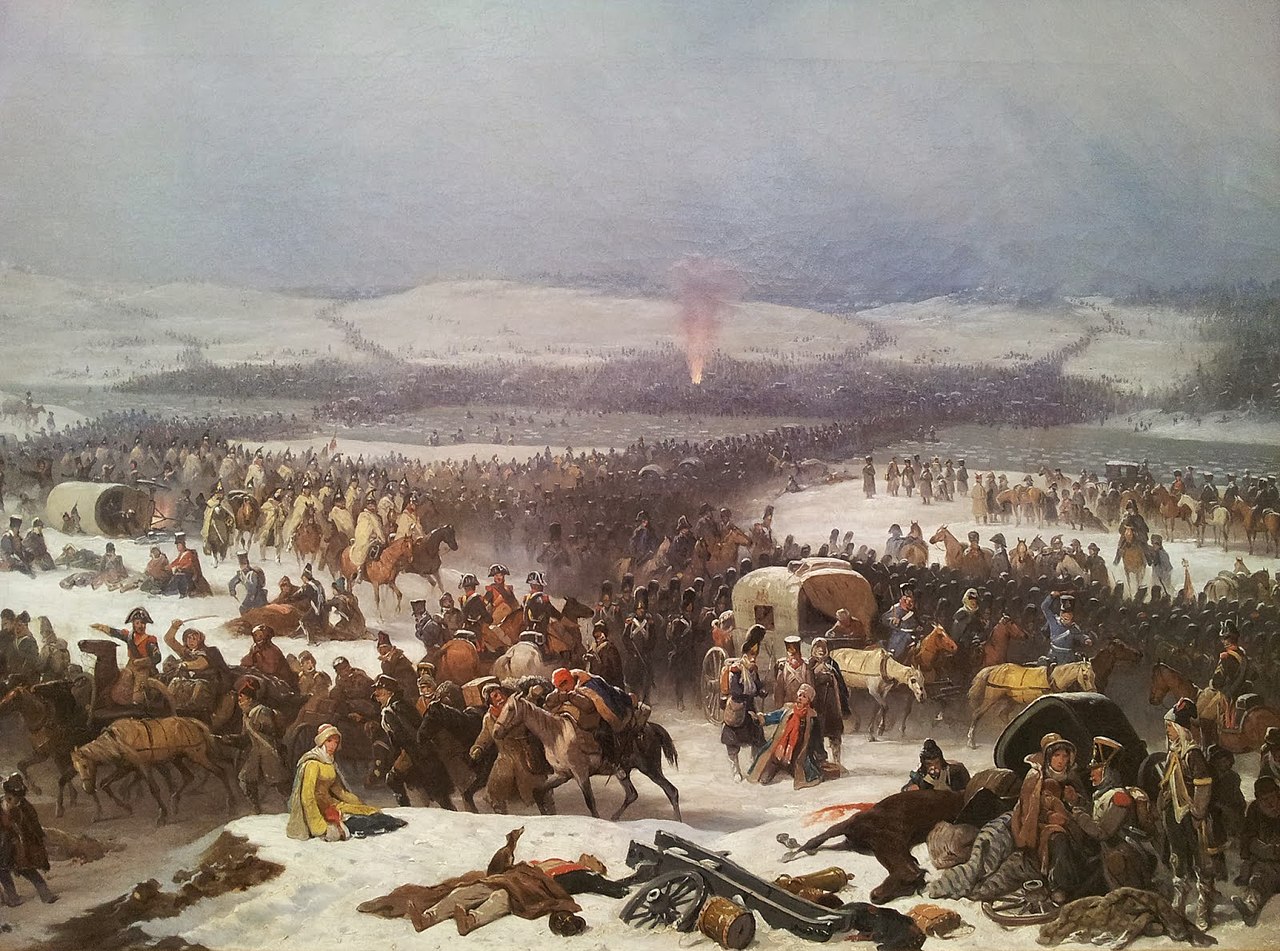
The Battle of Berezina River took place between the forces of Vladimir II Monomakh and the forces of Polatsk. The conflict arose due to a power struggle and territorial disputes in the region. Vladimir II Monomakh, known for his military prowess, led his army against the Polatsk forces in a bid to assert his authority.
The battle was fierce and strategic, with both sides displaying tactical skill and determination. Vladimir II Monomakh's forces managed to outmaneuver and outfight the Polatsk army, ultimately securing a decisive victory. This triumph solidified Monomakh's position in the region and strengthened his hold over the territories he sought to control.
The aftermath of the Battle of Berezina River had a lasting impact on the balance of power in the region. The defeat of the Polatsk forces served as a warning to other rival factions, solidifying Monomakh's reputation as a formidable leader. The battle also reshaped the political landscape, leading to shifting alliances and allegiances among neighboring kingdoms and principalities.
Overall, the Battle of Berezina River was a pivotal moment in the history of Belarus, showcasing the military strength and strategic acumen of Vladimir II Monomakh. The legacy of this conflict resonated throughout the region, influencing future conflicts and power dynamics for years to come.
#BattleofBerezinaRiver #VladimirIIMonomakh #Polatsk #Belarus #MilitaryHistory
View detailsNapoleon's invasion of Russia reached Belarus, marking the onset of the French invasion during the Napoleonic Wars. The campaign started as Napoleon's quest to enforce his Continental System, an embargo against British trade. The French Emperor assembled a massive army, comprising troops from various nations, totaling over 600,000 soldiers.
As Napoleon's troops traversed through Belarus, they faced challenges like scarce provisions, harsh weather conditions, and fierce guerilla attacks from Russian forces. The Battle of Borodino in September witnessed one of the bloodiest clashes, leading to heavy casualties on both sides. Despite winning the battle, the French army suffered significant losses, weakening their control over Russian territories.
The invasion proved disastrous for Napoleon as the Russian forces implemented a scorched-earth policy, destroying resources that could benefit the invading army. As winter approached, the French troops were ill-equipped to endure the harsh conditions, leading to further decimation of their forces.
The French invasion of Russia in Belarus highlighted the resilience of the Russian army and the perils of overextending military campaigns. The conflict altered the power dynamics in Europe, eventually leading to Napoleon's defeat and exile.
The event underpins the strategic blunder of Napoleon's ambitious military campaigns, the resilience of the Russian forces, and the devastating impact of warfare on nations and their people.
#NapoleonicWars #InvasionofRussia #Belarus #MilitaryHistory #Warfare
View details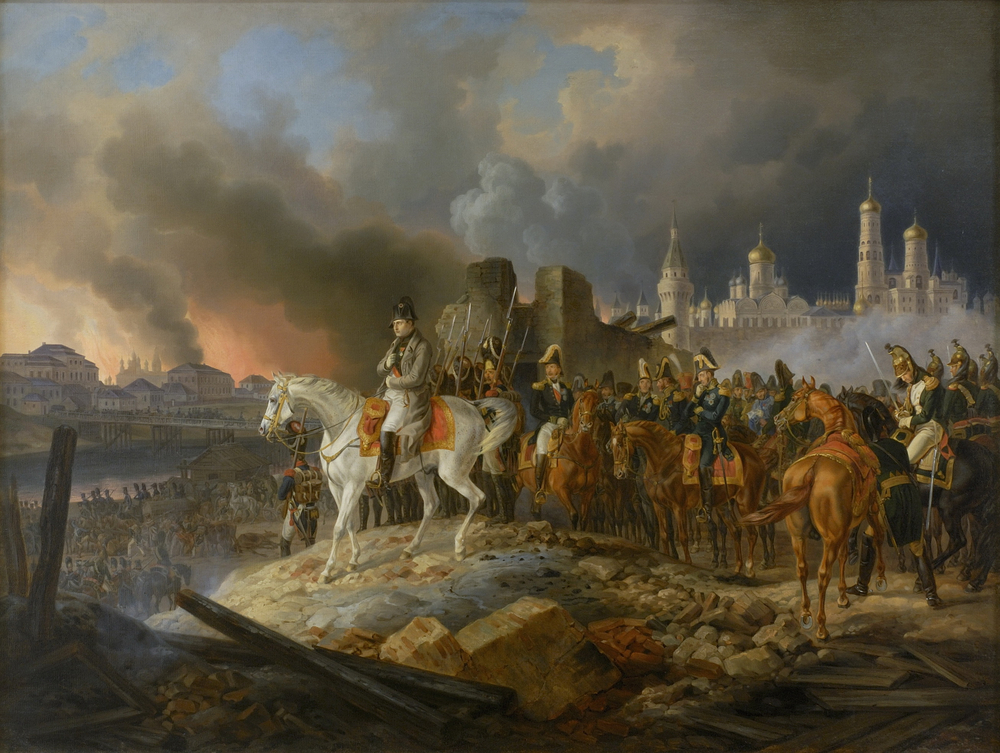
1772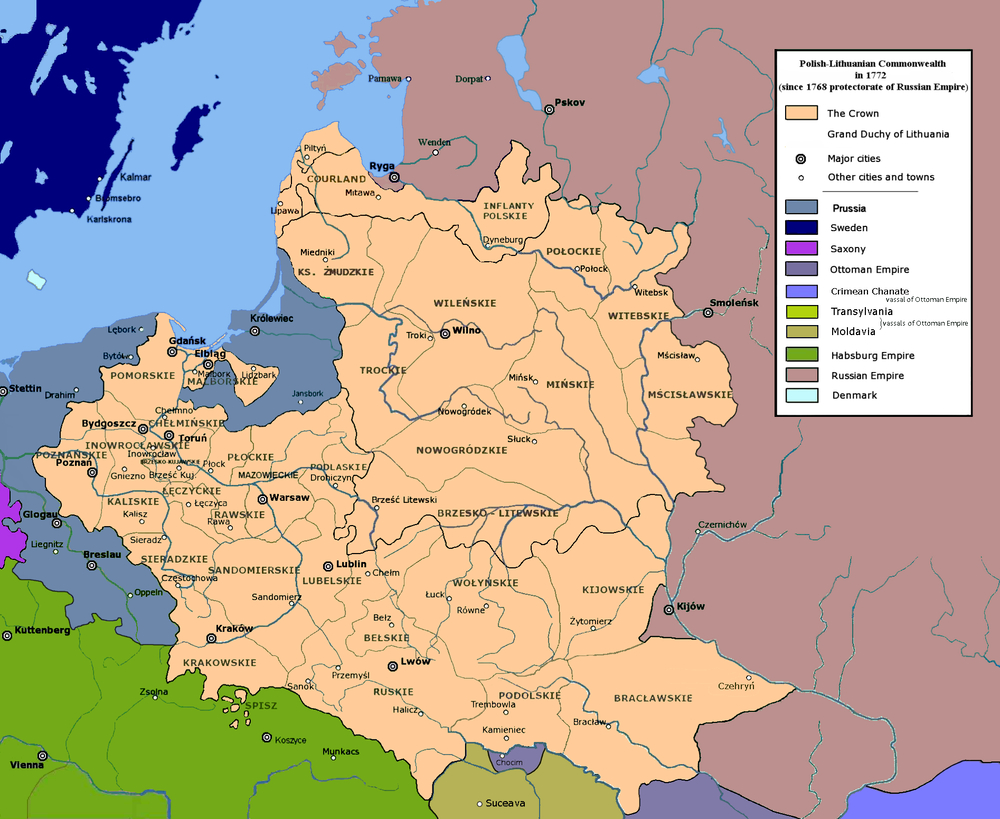
The first partition of the Polish-Lithuanian Commonwealth marked a pivotal moment in the history of Belarus. The event was triggered by the weakening state of the Commonwealth, embroiled in political instability and external pressures. As neighboring powers, including Russia, Prussia, and Austria, sought to expand their territories, they saw an opportunity in the vulnerable Commonwealth.
The partition resulted in significant territorial changes for Belarus, with large portions of its land being annexed by the neighboring powers. Belarus lost key territories in the west to Prussia and in the east to Russia. This division had a lasting impact on the cultural, political, and economic landscape of Belarus, as the region was now under the control of foreign powers.
The consequences of the partition were deeply felt by the people of Belarus, as they faced new rulers and policies that often marginalized their language and traditions. The event also highlighted the fragility of the Polish-Lithuanian Commonwealth and the challenges faced by smaller states caught between competing powers.
In the aftermath of the partition, Belarus found itself divided and under the influence of multiple foreign powers. This marked the beginning of a period of continued territorial changes and political struggles for the region.
#Belarus #Partition #TerritorialChanges #ForeignPowers #PoliticalStruggles
View details1768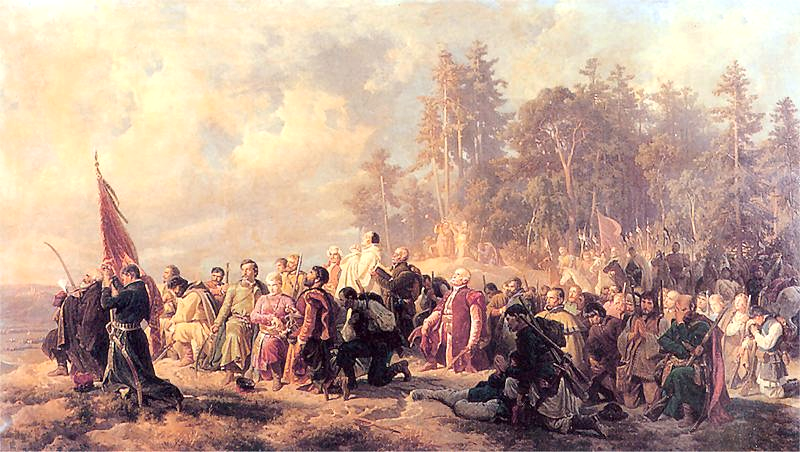
In 1768, the Bar Confederation was established in response to growing Russian influence in the territories of Poland-Lithuania, with the involvement of Belarusian participants. The Confederation was a military and political alliance formed by Polish and Lithuanian nobles who aimed to defend the sovereignty and traditions of their country against external interference.
The presence of Russian troops in Poland-Lithuania had deeply concerned the local nobility, who feared increasing imperial control and the erosion of their power and privileges. As a result, they united under the Bar Confederation to resist Russian influence and protect their independence.
The Confederation quickly gained support among the local population, including Belarusians who shared similar concerns about foreign intervention. Belarusian troops joined the Confederation’s ranks, adding strength to their military campaigns against the Russian forces.
The establishment of the Bar Confederation and the participation of Belarusians in this movement had significant implications for the political landscape of the region. It sparked a series of conflicts and battles with Russian troops, leading to a prolonged period of turmoil and instability in Poland-Lithuania.
Despite their efforts, the Bar Confederation ultimately faced internal divisions and external pressures that weakened their resistance. The Russian Empire, with its superior military strength, eventually crushed the Confederation’s forces and imposed its control over the region.
The formation of the Bar Confederation with Belarusian participation reflects a pivotal moment in the history of Eastern Europe, characterized by struggles for independence and sovereignty against foreign interference. The legacy of this event continues to resonate in the collective memory of the region, highlighting the enduring significance of unity and resistance against external threats. #BarConfederation #BelarusianParticipation #RussianInfluence #PolandLithuania
View details1668
In 1668, the Brest Bible was established, marking a significant milestone in Belarusian literature. This publication, also known as the Brest Apostle, played a crucial role in the development of the Belarusian language and culture.
The Brest Bible was printed in the city of Brest by the Francysk Skaryna printing house, named after a prominent Belarusian humanist and printer. It represented the first complete edition of the Bible in the Belarusian language, making religious texts more accessible to the general population. Prior to its publication, religious texts were primarily available in Church Slavonic, which limited their reach.
The establishment of the Brest Bible had a lasting impact on Belarusian literature and language. It helped to standardize the Belarusian language and promote its use in written texts. The publication of the Bible in Belarusian also contributed to the cultural identity of the Belarusian people, as it allowed them to engage more deeply with their religious traditions and beliefs.
The Brest Bible remains an important symbol of Belarusian cultural heritage and national identity. It continues to be studied and celebrated by scholars, writers, and cultural enthusiasts, highlighting its enduring legacy in Belarusian literature.
#BrestBible #BelarusianLiterature #CulturalHeritage
View details1658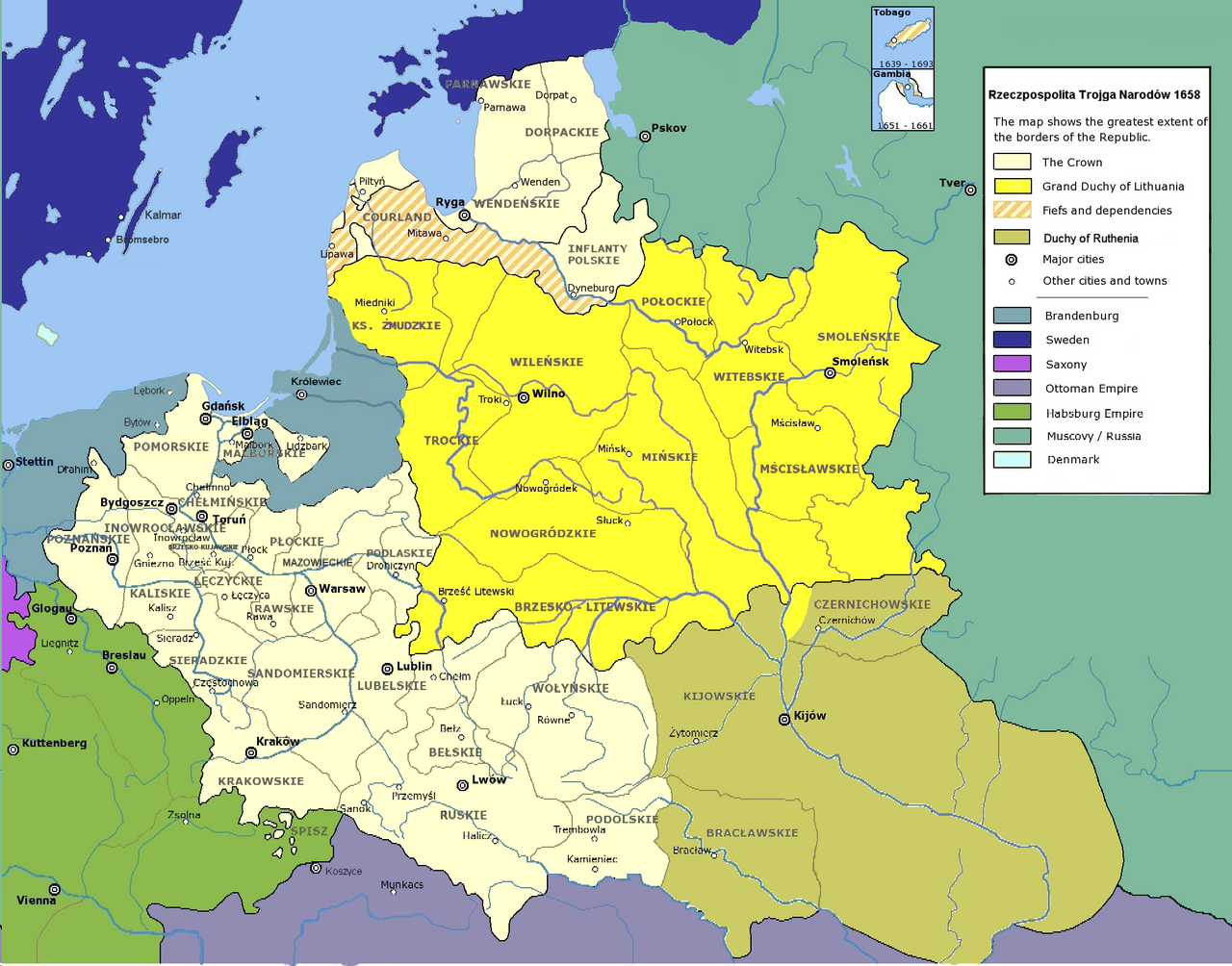
The Treaty of Hadiach aimed to establish a union between Poland, Lithuania, and Belarus. The signing took place at a crucial moment after the death of the powerful Hetman Bohdan Khmelnytsky. The agreement sought to cement ties between the three nations, creating a formidable alliance in Eastern Europe. The treaty granted the Grand Duchy of Lithuania and the Crown of the Kingdom of Poland equal status. It also recognized the Orthodox faith and granted autonomy to Belarus within the proposed union.
The treaty had significant implications for the region. It aimed to counterbalance the growing power of Russia and ensure the security of the signatory states. However, the treaty faced opposition from various quarters. The Polish nobility, fearing a loss of influence, raised objections. Additionally, Russia viewed the treaty as a threat to its expansionist ambitions in the region.
Despite the opposition, the Treaty of Hadiach represented a bold attempt to create a multinational state. It signaled a willingness among the signatories to set aside historical animosities in pursuit of common goals. The treaty highlighted the diverse religious and cultural landscape of the region and sought to accommodate these differences within a unified state structure.
In conclusion, the Treaty of Hadiach was a pivotal moment in the history of Eastern Europe. While ultimately unsuccessful, it demonstrated the potential for cooperation and unity among the nations of the region. The treaty's legacy serves as a reminder of the complex geopolitical dynamics that have shaped the history of Belarus, Poland, and Lithuania.
#TreatyofHadiach #Poland #Lithuania #Belarus #EasternEurope #MultinationalState #Geopolitics
View details1651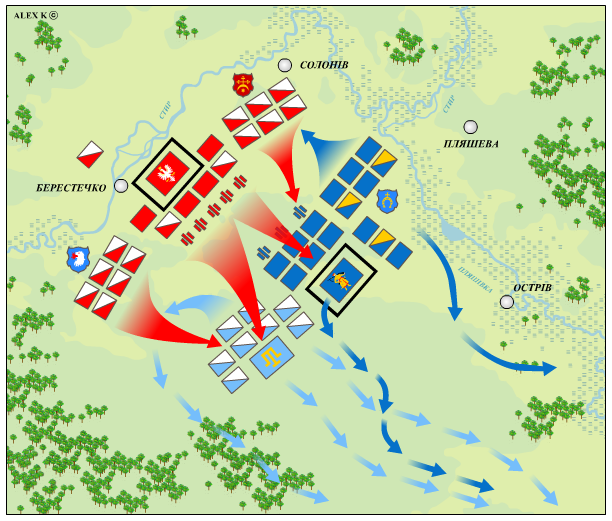
The Battle of Berestechko was a notable conflict fought between the Polish-Lithuanian Commonwealth and the Ukrainian Cossacks and their Tatar allies. The battle took place near the village of Berestechko in present-day Belarus. The conflict arose due to tensions between the Cossacks and the Commonwealth over political autonomy and religious differences.
The battle was a fierce and bloody engagement, lasting several days and involving tens of thousands of soldiers on both sides. The Cossacks, led by Hetman Bohdan Khmelnytsky, initially gained the upper hand, but ultimately, the Commonwealth forces, commanded by King Jan II Casimir, emerged victorious. The aftermath of the battle was devastating, with thousands of casualties and widespread destruction in the region.
The Battle of Berestechko had a significant impact on the political landscape of Eastern Europe. It weakened the Cossack rebellion and solidified the control of the Polish-Lithuanian Commonwealth over its territories. The defeat also strained relations between the Cossacks and their Tatar allies, leading to further conflicts in the years that followed.
Overall, the Battle of Berestechko was a pivotal moment in the history of Belarus as it highlighted the complex power dynamics and conflicts that shaped the region during this period. The legacy of the battle continues to be remembered in Belarusian history and serves as a reminder of the enduring impact of historical conflicts on the present-day.
#BattleofBerestechko #BelarusianHistory #CossackRebellion.
View details1579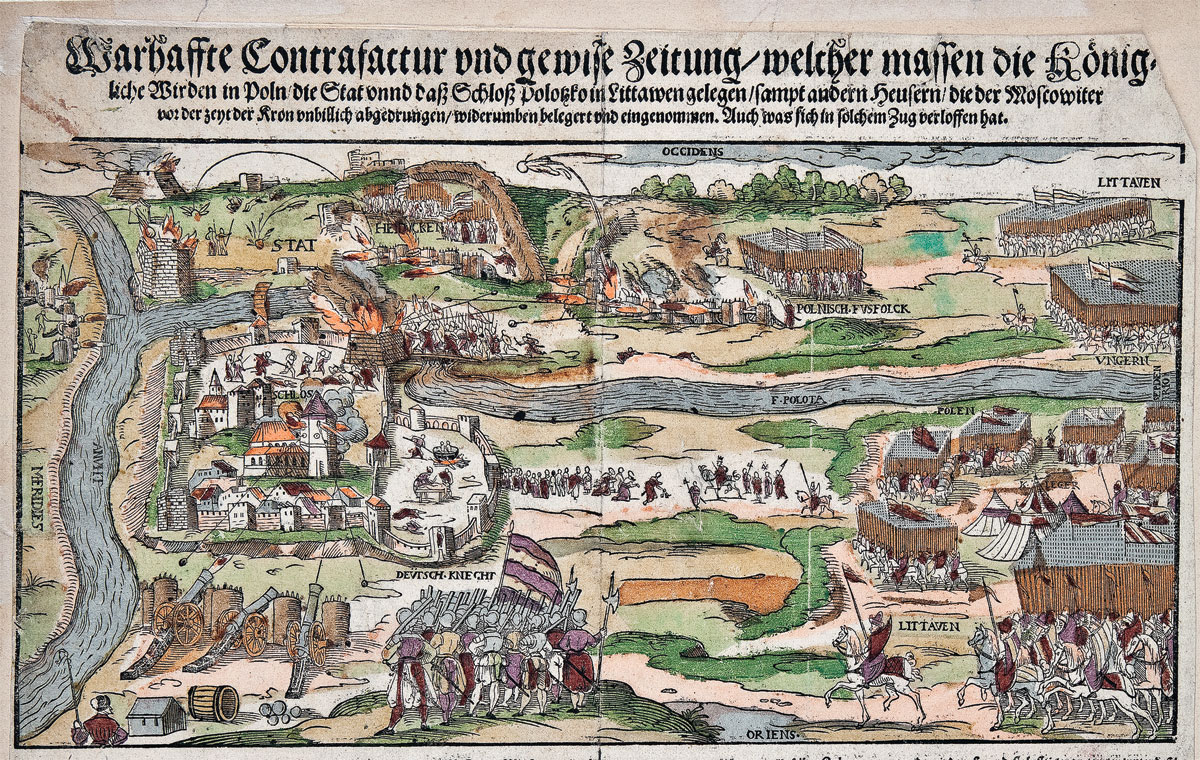
The Siege of Polotsk was a pivotal event in the history of Belarus. During this time, the Tsardom of Russia laid siege to the city of Polotsk, aiming to assert its dominance over the region. The city, known for its strategic importance and strong fortifications, put up a fierce resistance against the Russian forces.
The siege lasted for several months, with both sides enduring significant casualties. The defenders of Polotsk, led by Prince Andrey Radzivill, displayed great courage and determination in the face of overwhelming odds. Despite facing a relentless assault, they refused to surrender, hoping for reinforcements to arrive and break the siege.
However, the Russian forces, under the command of Tsar Ivan the Terrible, were relentless in their attacks. They used siege towers, cannons, and other advanced military tactics to weaken the defenses of Polotsk. The prolonged siege took a heavy toll on the city, causing widespread destruction and loss of life.
In the end, after months of relentless fighting, the defenders of Polotsk were forced to surrender. The city fell under Russian control, marking a significant shift in power dynamics in the region. The siege of Polotsk highlighted the strategic importance of the city and its surrounding territories in the centuries-old power struggle between Russia and the neighboring states.
The aftermath of the siege saw the consolidation of Russian influence in Belarus, setting the stage for further conflicts and power struggles in the region. The event left a lasting impact on the people of Polotsk, who endured great suffering and hardship during the siege.
#SiegeOfPolotsk #TsardomOfRussia #BelarusHistory.
View details1569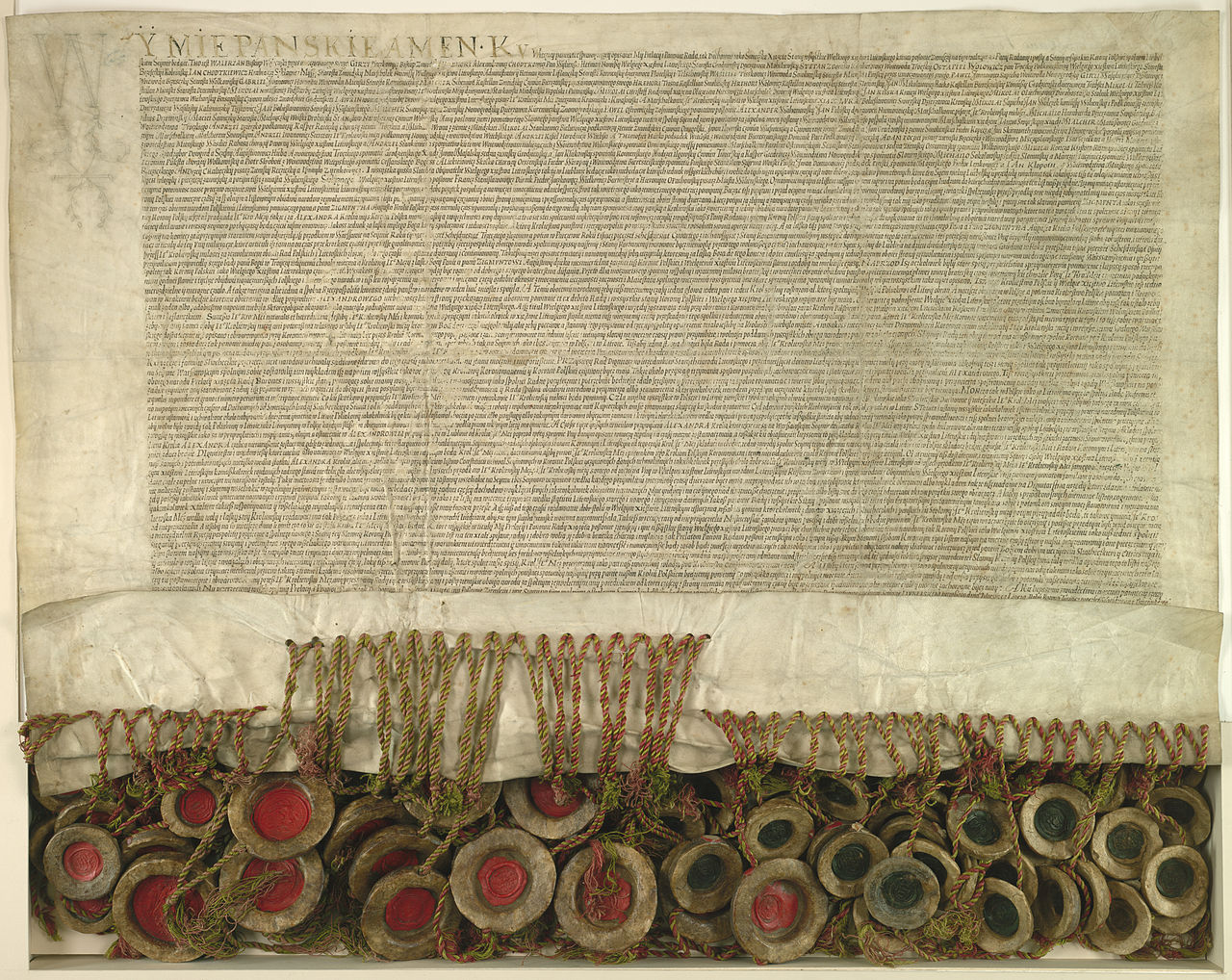
The Union of Lublin was a pivotal event where the Grand Duchy of Lithuania and the Kingdom of Poland established a personal union, transformative for both nations. The roots of this union can be traced back to the marriage of the Polish Queen Jadwiga and Grand Duke Jogaila of Lithuania in the 14th century, which laid the foundation for closer ties between the two countries.
During this union, the Kingdom of Poland and the Grand Duchy of Lithuania maintained their existing structures and laws, while agreeing to a common monarch and foreign policy. This alliance created a powerful multinational state known as the Polish-Lithuanian Commonwealth, marking a significant shift in the balance of power in Eastern Europe. The Commonwealth benefited from the diverse resources and territories of both nations, becoming a formidable force in the region.
The Union of Lublin also brought about social, cultural, and economic interchange between the two entities, fostering a sense of unity and cooperation among their populations. This cooperation led to the flourishing of trade, the emergence of a vibrant cultural scene, and the promotion of religious tolerance within the Commonwealth.
The impact of the Union of Lublin reverberated throughout the region for centuries, shaping the political landscape of Eastern Europe and influencing the development of neighboring countries. The legacy of this union is evident in the shared historical heritage and cultural connections between Poland, Lithuania, and Belarus.
#UnionOfLublin #PolishLithuanianCommonwealth #EasternEurope #HistoricalUnity #CulturalHeritage #Belarus
View details1514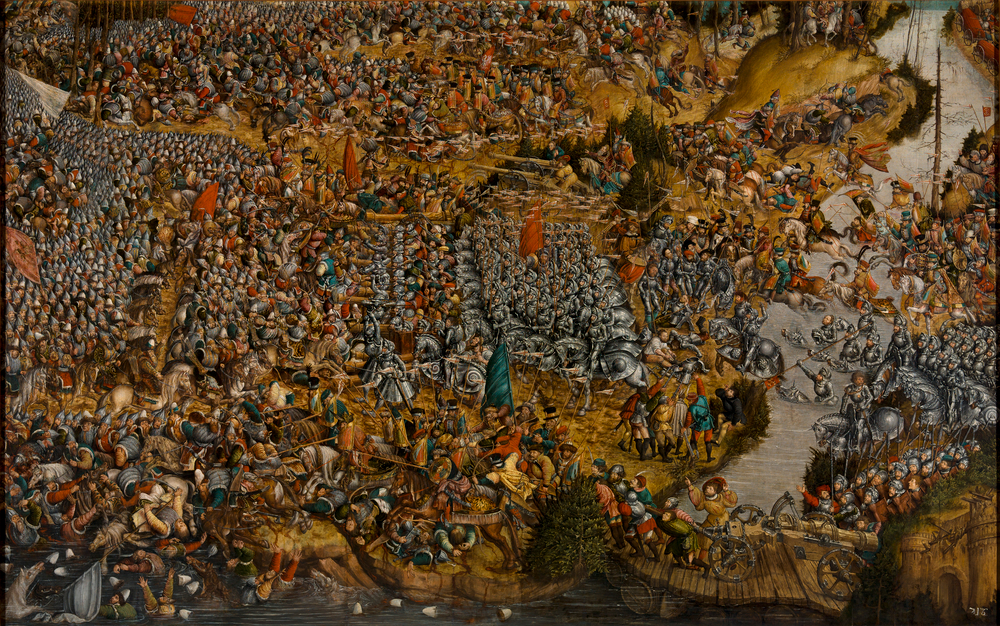
The Battle of Orsha took place between the Grand Duchy of Lithuania and the Tsardom of Russia. It was a significant military engagement that unfolded near the town of Orsha in present-day Belarus. The conflict arose from territorial disputes and political tensions between the two powers, both vying for control and influence in the region.
The Grand Duchy of Lithuania, led by Grand Hetman Konstanty Ostrogski, faced off against the forces of the Tsardom of Russia, commanded by Prince Vasily III. The Lithuanian army, well-disciplined and battle-hardened, utilized strategic positioning and tactics to hold off the Russian advances. However, the Russian forces, though outnumbered, demonstrated fierce determination and tactical skill in their assaults.
The battle raged on fiercely, with both sides incurring heavy casualties. Despite initial setbacks, the Lithuanian forces managed to repel the Russian advances and inflict significant losses upon their opponents. The victory at Orsha bolstered the prestige and military prowess of the Grand Duchy of Lithuania, solidifying its territorial integrity and deterring further Russian incursions into its lands.
The Battle of Orsha had a lasting impact on the power dynamics in Eastern Europe. It marked a decisive moment in the historical rivalry between the Grand Duchy of Lithuania and the Tsardom of Russia, shaping the geopolitical landscape of the region for years to come. The legacy of the battle endures as a testament to the courage and resilience of the Lithuanian forces in the face of formidable odds.
#BattleOfOrsha #GrandDuchyOfLithuania #TsardomOfRussia #MilitaryHistory #BelarusHertiage
View details1422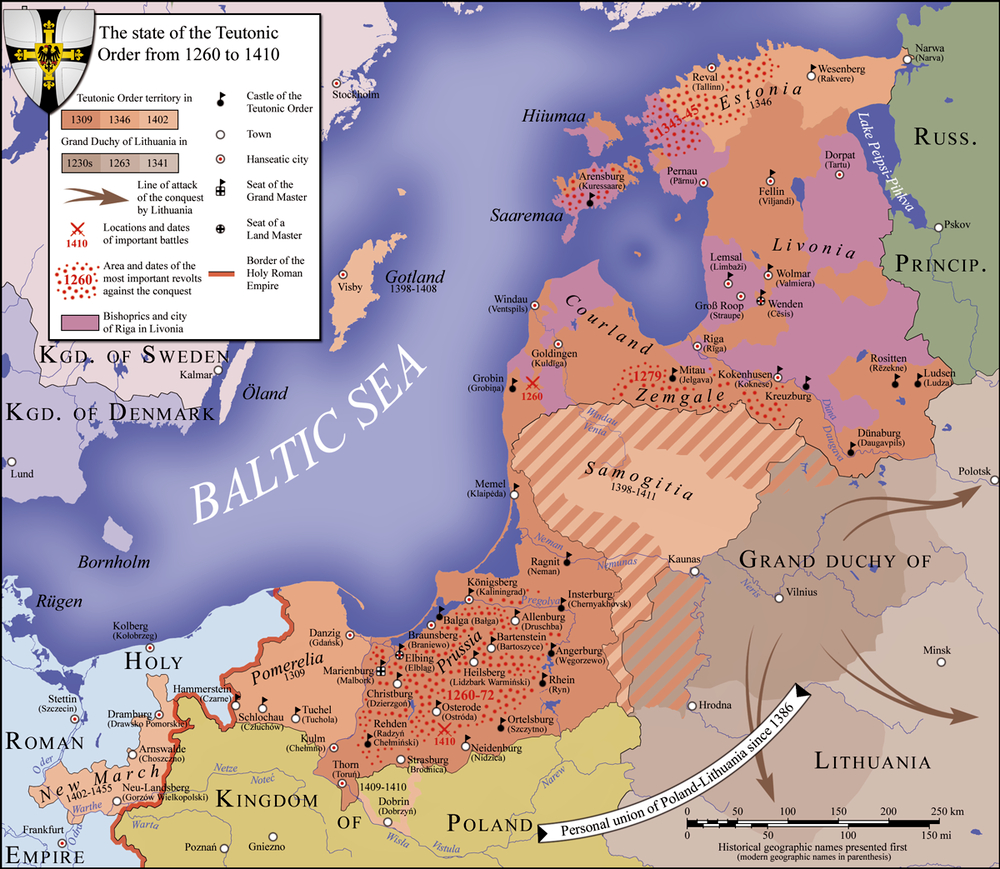
In 1422, the Treaty of Melno established the border between the Grand Duchy of Lithuania and the Teutonic Order. This crucial agreement came after years of territorial disputes and military conflicts between the two powers. The treaty was negotiated with the mediation of the Kingdom of Poland and the Kingdom of Bohemia, and it aimed to bring stability to the region and prevent further bloodshed.
The Treaty of Melno defined the border primarily along the Neman River, securing vast territories for the Grand Duchy of Lithuania. This marked a significant diplomatic achievement for Lithuania, as it solidified its position as a major power in Eastern Europe. The Teutonic Order, on the other hand, had to relinquish control over several important fortresses and territories.
The treaty had lasting effects on the geopolitical landscape of the region. It helped to ease tensions between Lithuania and the Teutonic Order, paving the way for a period of relative peace and stability. The established border remained largely unchanged for centuries, shaping the political boundaries of the region.
The Treaty of Melno is an important historical event that highlights the diplomatic efforts to resolve conflicts and establish clear borders between neighboring states. It serves as a reminder of the significance of negotiation and compromise in maintaining peace and preventing further conflicts.
#TreatyOfMelno #GrandDuchyofLithuania #TeutonicOrder #BorderAgreement #Diplomacy #Belarus #HistoricPeaceAccord
View details1413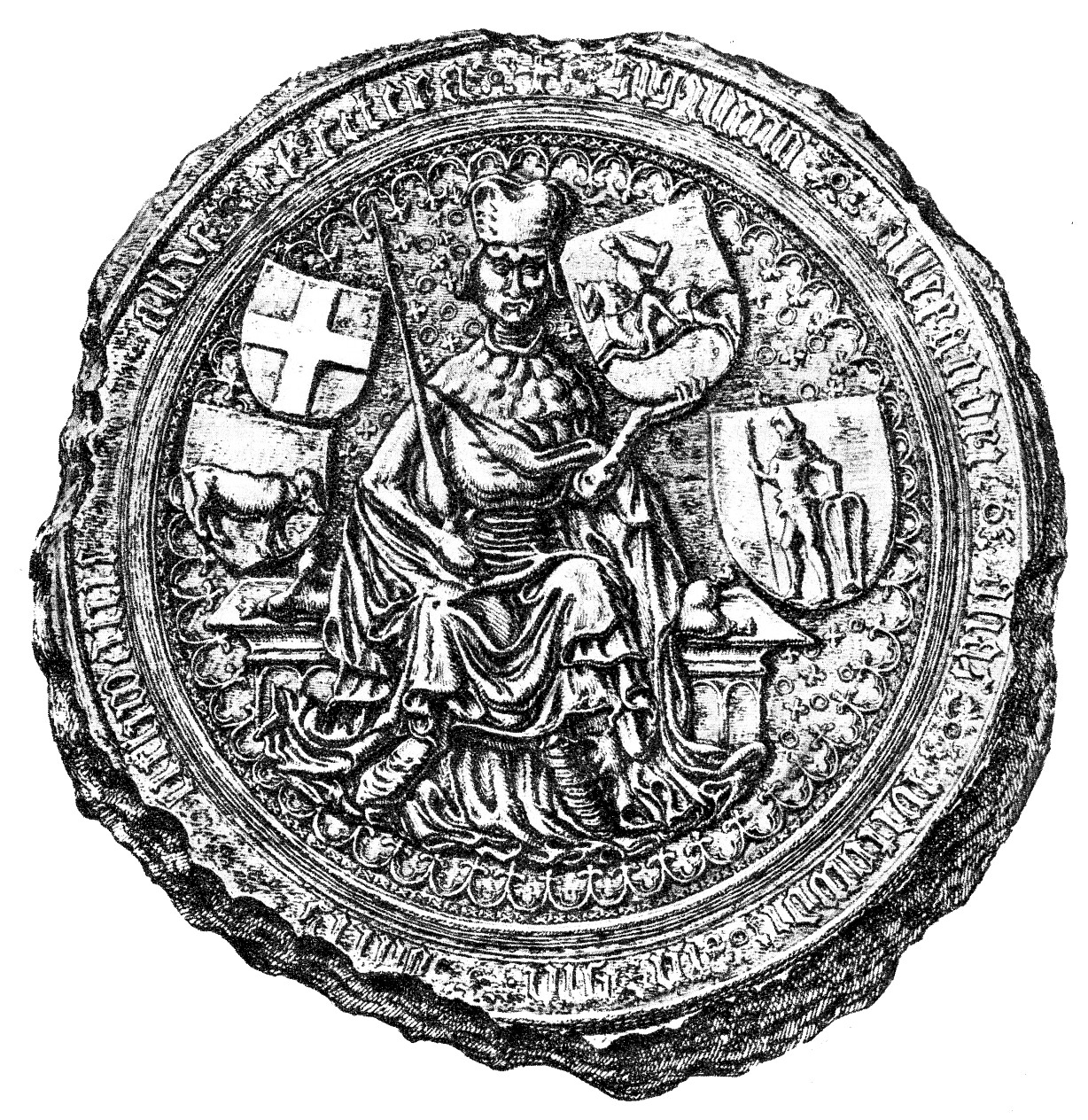
In 1413, the Grand Duke of Lithuania, Vytautas the Great, reaffirmed the Union of Horodło with Poland, strengthening the alliance between the two nations. The Union of Horodło had initially been established in 1413 and was crucial for maintaining peace and cooperation in the region during a period of political instability.
Vytautas the Great was a key figure in Lithuanian history, known for his military successes and diplomatic skills. By renewing the Union of Horodło, Vytautas solidified the relationship between Lithuania and Poland, ensuring a united front against external threats and internal conflicts.
The agreement included provisions for mutual defense, trade agreements, and cultural exchanges, further integrating the two states. This cooperation was essential for both Lithuania and Poland to navigate the complex geopolitical landscape of Eastern Europe and to counter the influence of neighboring powers.
The renewal of the Union of Horodło had a lasting impact on the history of the region, fostering closer ties between Lithuania and Poland. The alliance between the two nations would play a significant role in shaping the political and cultural developments of Eastern Europe for centuries to come.
#VytautasTheGreat #UnionofHorodło #Lithuania #Poland #Alliance #Diplomacy #Cooperation #EasternEurope #History #Belarus
View details1410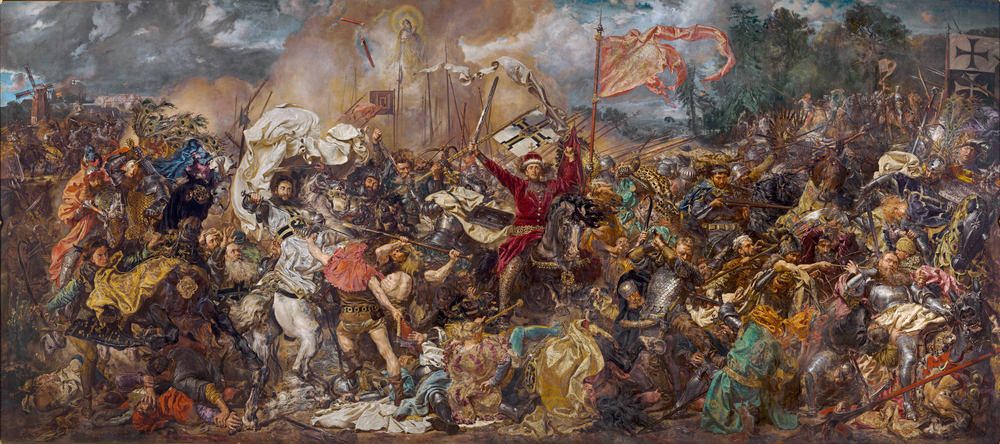
In the early 15th century, tensions between the Grand Duchy of Lithuania and the Teutonic Order had been escalating over territorial disputes in the Baltic region. The Teutonic Order, a powerful military order, aimed to expand its influence, while the Grand Duchy of Lithuania sought to protect its lands and maintain its autonomy.
The turning point came at the Battle of Grunwald when the forces of the Grand Duchy of Lithuania, led by Grand Duke Vytautas and King Jogaila of Poland, decisively defeated the Teutonic Order in a fierce confrontation. This victory marked a significant shift in power in the region and brought an end to the Teutonic Order's dominance.
The Battle of Grunwald had far-reaching consequences. It not only halted the Teutonic Order's expansionist ambitions but also weakened their hold over the Baltic territories. The Grand Duchy of Lithuania emerged as a major power in Eastern Europe, solidifying its position and paving the way for further territorial gains.
The defeat of the Teutonic Order at the Battle of Grunwald reshaped the political landscape of the Baltic region, leading to a period of relative stability and prosperity for the Grand Duchy of Lithuania. It also fostered closer ties between Lithuania and Poland, laying the foundation for the eventual union of the two countries.
Overall, the Battle of Grunwald was a defining moment in the history of Belarus, demonstrating the military prowess of the Grand Duchy of Lithuania and altering the balance of power in the region. The legacy of this event continues to be remembered and celebrated as a symbol of Belarusian resilience and determination.
#BattleOfGrunwald #GrandDuchyofLithuania #TeutonicOrder #PowerShift #BalticRegion
View details1240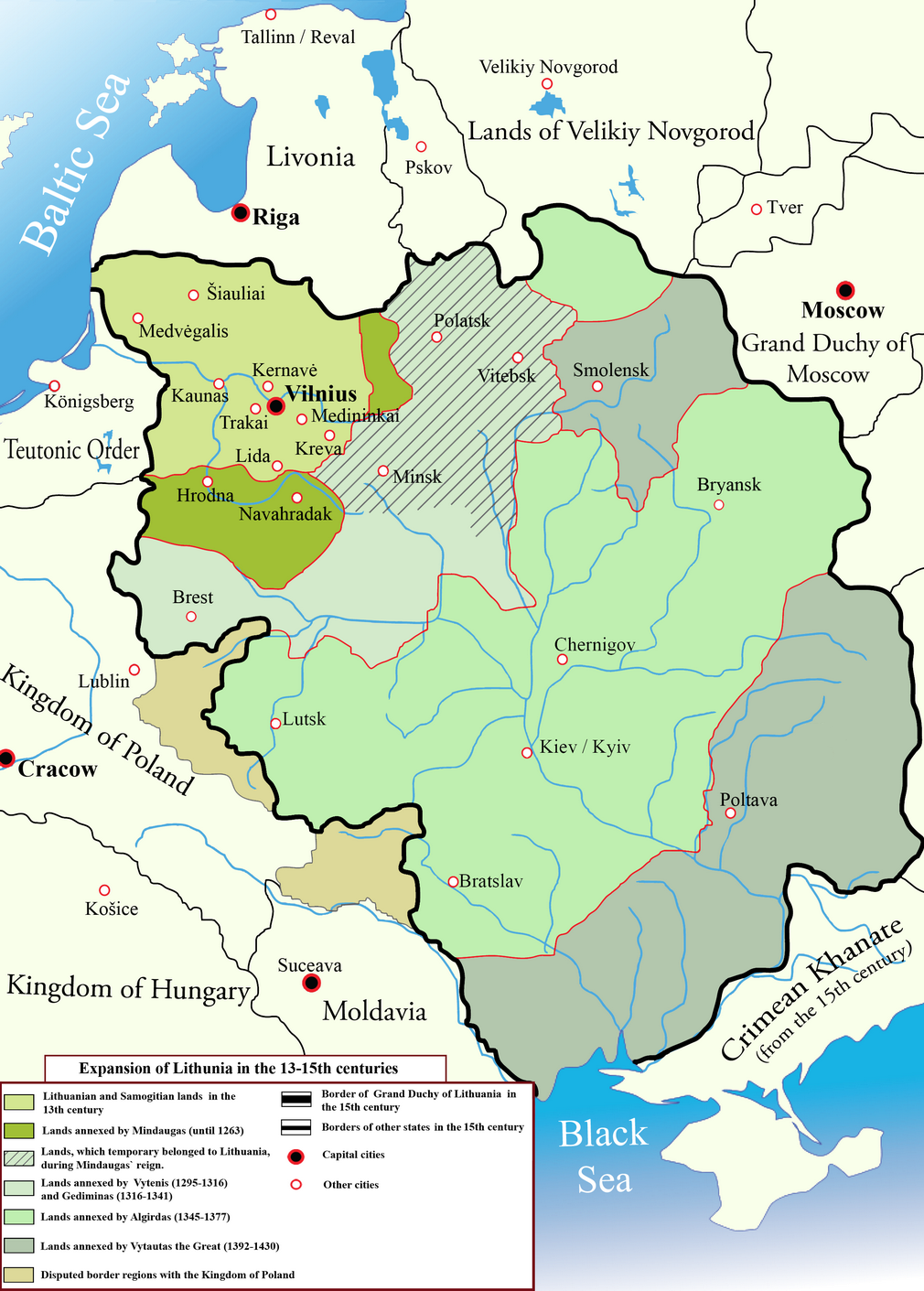
During the 13th century, the Grand Duchy of Lithuania strategically expanded its territories by conquering parts of present-day Belarus. This military campaign allowed the Grand Duchy to strengthen its power and control over the region.
The conquest of parts of present-day Belarus was a significant move for the Grand Duchy of Lithuania as it facilitated access to important trade routes and valuable resources. The annexation of these territories also enabled the Grand Duchy to establish a buffer zone between itself and potential rivals, ensuring greater security and stability.
The impact of this conquest was felt across the region as the Grand Duchy of Lithuania emerged as a dominant force in Eastern Europe. The acquisition of these lands solidified the Grand Duchy's position as a major political and military power, allowing it to exert influence over neighboring states and strengthen its alliances.
This event marked a turning point in the history of Belarus as it became a part of the expanding Grand Duchy of Lithuania, shaping its cultural, political, and economic development for centuries to come. The legacy of this conquest can still be seen in the historical ties between Belarus and Lithuania, as well as in the shared heritage of the two nations.
#GrandDuchyofLithuania #BelarusHistory #MilitaryConquest
View details1223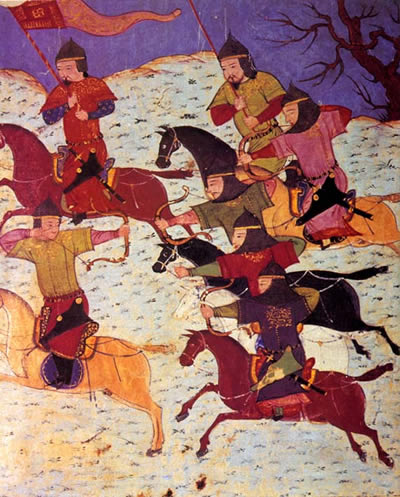
The Battle of Kalka River was a significant clash between Mongol and Kievan Rus' forces near the Kalka River. It marked a pivotal moment in the Mongol invasion of Eastern Europe, initiated by Genghis Khan's successors seeking to expand their empire westward. The Mongol army, led by Subutai and Jebe, faced off against the Kievan Rus' troops, commanded by Mstislav the Bold and Mstislav Mstislavich.
The Kievan Rus' forces, confident in their numbers and experience, underestimated the tactical prowess of the Mongols. In a strategic maneuver, the Mongols lured the Rus' army into a trap, launching a devastating surprise attack. The Rus' soldiers, unprepared for the ferocity and discipline of the Mongol warriors, were swiftly defeated. The battle ended in a decisive victory for the Mongols, with a large number of Rus' soldiers slain or captured.
The impact of the Battle of Kalka River reverberated across Eastern Europe. The defeat of the Kievan Rus' army shattered the myth of invincibility surrounding their military and exposed the vulnerability of the region to Mongol conquest. The Mongols continued their relentless advance, sowing terror and destruction in their path. The Battle of Kalka River served as a stark warning to neighboring states of the ruthless efficiency of the Mongol war machine.
In the aftermath of the battle, the Mongols solidified their control over the region, paving the way for further incursions into Eastern Europe. The Kievan Rus' suffered a significant blow to their military and political power, leading to internal strife and weakened defenses against future invasions. The Battle of Kalka River stands as a turning point in the history of Eastern Europe, marking the beginning of the Mongol domination of the region.
#MongolEmpire #KievanRus #Invasion #StrategicVictory #EasternEurope
View details1203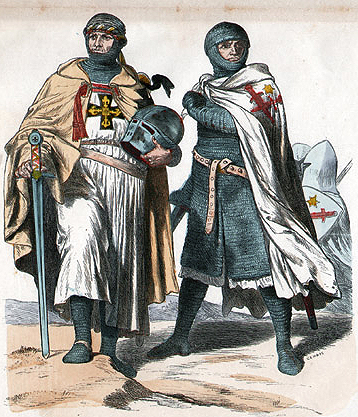
During the early 13th century, the Teutonic Knights, a religious military order, initiated a campaign to expand their territory into pagan regions in the Baltics. In this context, the city of Riga, located in present-day Latvia but historically linked to Belarus, became a focal point of their conquest. The Teutonic Knights had their sights set on Riga due to its strategic location and economic significance as a vital trading hub along the Baltic Sea.
The capture and destruction of Riga by the Teutonic Knights had far-reaching consequences. The city, with its wooden structures and fortifications, fell to the superior military tactics and weaponry of the Teutonic Knights. The Knights' siege on Riga resulted in widespread devastation, as buildings were razed, and inhabitants either perished or were taken captive. The loss of Riga dealt a severe blow to the local population's autonomy and trading activities, reshaping the regional power dynamics in the Baltics.
The fall of Riga exemplified the ruthless expansionism of the Teutonic Knights in their pursuit of territorial gains and the spread of Christianity. By subjugating Riga, the Teutonic Knights aimed to establish control over the lucrative trade routes and solidify their influence in the Baltics. The capture and destruction of Riga served as a stark reminder of the brutal tactics employed by medieval military orders to achieve their objectives and enforce religious conversion.
The event of the Teutonic Knights' capture and destruction of Riga underscores the turbulent and violent history of medieval Eastern Europe, characterized by territorial disputes, religious crusades, and power struggles. The legacy of this event echoes through the centuries, shaping the cultural and geopolitical landscape of the region.
#TeutonicKnights #Riga #Conquest #MedievalHistory #PowerStruggles
View details1068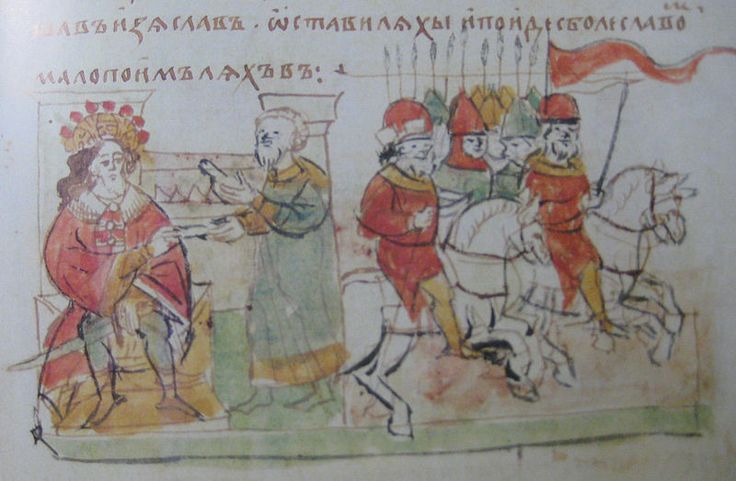
In September 1068 in Kyiv, an uprising toppled Grand Prince Iziaslav I and freed Vseslav of Polotsk from prison, placing him briefly on the Kyivan throne.
In 1068, a dramatic political shockwave from Kyiv briefly lifted Vseslav (Vseslav Bryachislavich), Prince of Polotsk-a major Rus’ ruler based in what is now Belarus-onto the highest throne of Kievan Rus’. The trigger was a crisis of security and confidence: after Rus’ forces were beaten by steppe raiders (often identified in sources as Cumans/Polovtsy/Kipchaks), Kyiv’s townspeople demanded weapons and leadership to defend their lands. When Grand Prince Iziaslav refused to arm them, public anger exploded into a marketplace assembly (veche) and then a full-scale uprising.
At the center of the revolt was a prisoner: Vseslav, who had previously been seized and held in Kyiv. The uprising crowd stormed the situation-dragging Vseslav out of confinement and installing him as Grand Prince of Kyiv while Iziaslav fled. A contemporary chronicle tradition preserves the moment with unusual precision, stating that on September 15 the people “haled Vseslav from his dungeon” and placed him in power.
Vseslav’s rule in Kyiv was brief-commonly placed from September 1068 into 1069-but symbolically huge: it showed that, in an extreme emergency, Kyiv’s population could depose a reigning prince and replace him with another. Within months, Iziaslav returned with external support and reclaimed the city, forcing Vseslav back toward Polotsk and his northern power base. Modern scholarship timelines summarize this simply as “1068–69: Prince Vseslav ruled at Kiev; 1069: Prince Iziaslav regained [the] Kievan throne.”
Prince Vseslav of Polotsk's ascension to Grand Prince of Kiev in 1068 was a significant turning point in the region's political landscape. Born in a prominent noble family in Polotsk, Vseslav was a formidable military and political leader who expanded his influence over a vast territory encompassing parts of modern-day Belarus and Ukraine.
Prior to becoming Grand Prince of Kiev, Vseslav consolidated power in Polotsk, successfully asserting control over neighboring territories through strategic alliances and military campaigns. His strong leadership and military prowess enabled him to challenge the authority of the reigning Grand Prince of Kiev and ultimately ascend to the throne in a show of strength.
As Grand Prince of Kiev, Vseslav wielded considerable influence over a vast swath of land, extending his reach into territories that were previously beyond his control. This expansion of power allowed Vseslav to establish himself as a dominant force in the region, shaping the political dynamics of the time.
Vseslav's reign as Grand Prince of Kiev marked a period of relative stability and prosperity for the territories under his control. His leadership brought about advancements in governance, trade, and cultural exchange, fostering a sense of unity among the diverse peoples inhabiting the region.
The ascension of Prince Vseslav of Polotsk as Grand Prince of Kiev in 1068 solidified his position as a key figure in the history of Belarus and Ukraine, leaving a lasting impact on the political and social development of the region.
• Date: 15-Sep-1068 (chronicle account of the Kyiv uprising freeing Vseslav and elevating him). Source: russiafromoriginstoempiref21.theleahgoldman.com/wp-content/uploads/2021/08/Primary-Chronicle-and-Pravda-Russkaia.pdf
• Location (country & place): Kyiv (Kiev), Kievan Rus’ — the veche/marketplace and princely center of Kyiv (present-day Kyiv, Ukraine).
#PrinceVseslav #GrandPrinceofKiev #BelarusHistory #RegionalDominance
View details1067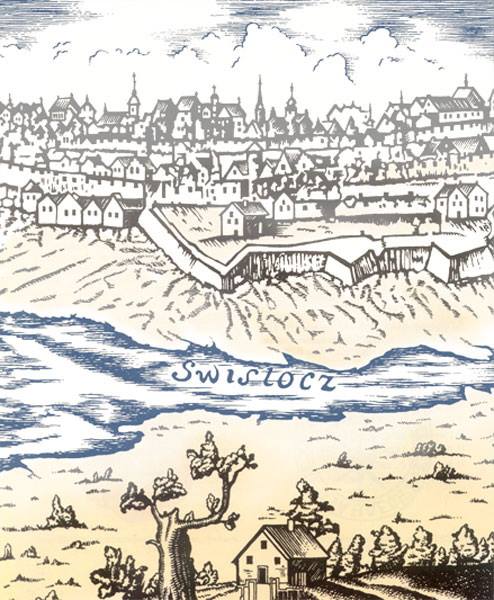
In 1067, historical records documented the first mention of Minsk, a town prominent in Belarus. The town's early history is intertwined with the Grand Duchy of Lithuania, known for its strategic location at the crossroads of trade routes. Over the centuries, Minsk evolved into a flourishing commercial center due to its proximity to major rivers and forests, attracting merchants and settlers as part of its development.
The mention of Minsk in historical records marked the beginning of its formal recognition and solidified its place in the annals of history. This event highlighted the town's growing importance as a hub for trade and cultural exchange in the region.
The establishment of Minsk as a settlement laid the groundwork for its future growth and influence in the region. The town's strategic location continued to play a crucial role in its development, contributing to its prosperity and significance over time.
In conclusion, the first mention of Minsk in historical records in 1067 marked a pivotal moment in the town's history, setting the stage for its future as a prominent center of commerce and culture in Belarus.
#MinskHistory #Belarus #TownRecognition #HistoricalEvent
View details1060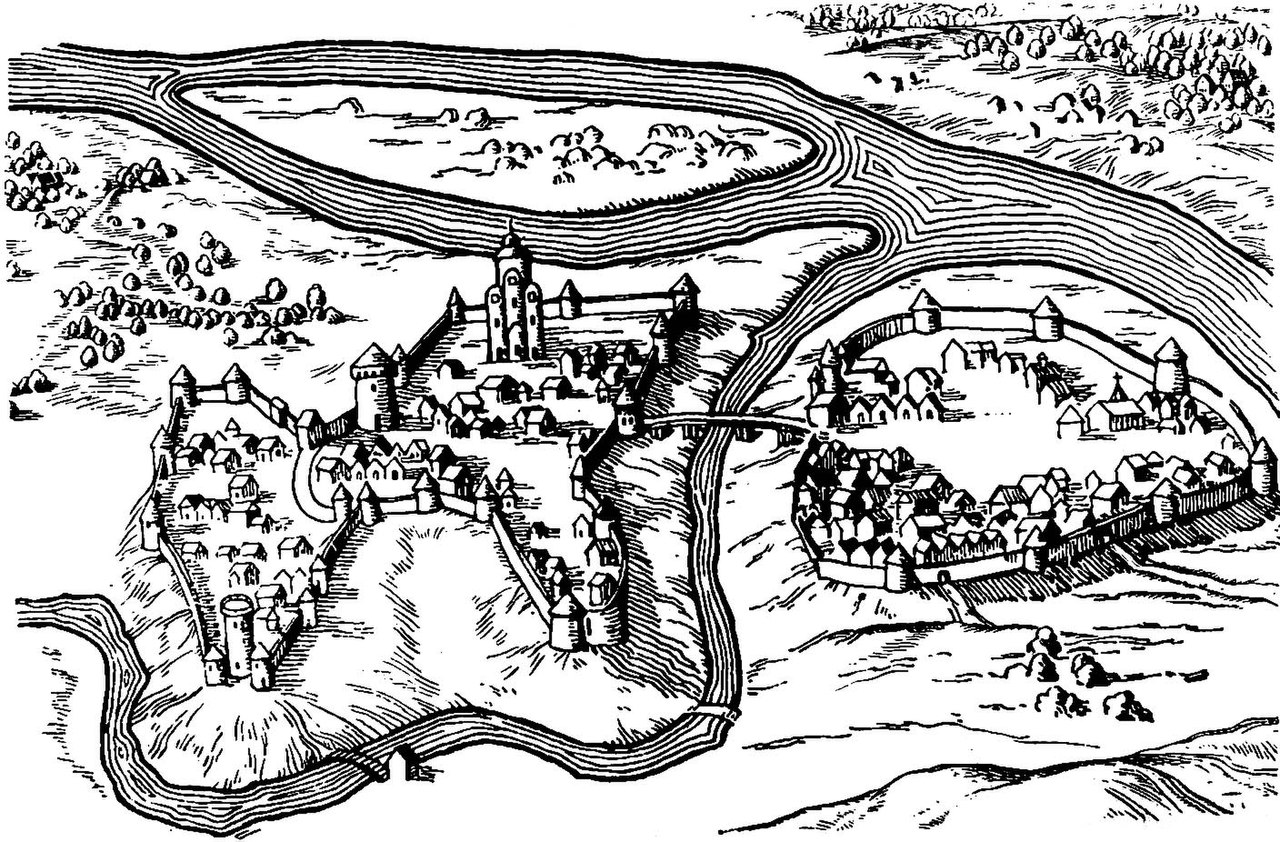
In the 11th century, Polotsk emerged as a prominent hub for trade and cultural exchange in Eastern Europe. Its strategic location along the Dvina River facilitated commerce between the Baltic Sea and the Byzantine Empire. The city's flourishing trade routes attracted merchants from Scandinavia, the Middle East, and Western Europe, making it a melting pot of diverse cultures.
Polotsk's prosperity was further enhanced by the establishment of the first known library in Belarus, within the walls of St. Sophia Cathedral. This literary center played a crucial role in the dissemination of knowledge and ideas, contributing to the city's intellectual vibrancy and influence.
The cultural significance of Polotsk extended beyond its borders, as it became a center for the spread of Christianity in the region. The city's numerous churches and monasteries not only served as religious institutions but also as centers for education and artistic expression.
The establishment of Polotsk as a major center of trade and culture had a lasting impact on the development of Eastern Europe. It fostered economic growth, facilitated the exchange of goods and ideas, and enriched the region's cultural heritage. The legacy of Polotsk as a cultural and commercial powerhouse endures to this day, embodying the spirit of innovation and exchange that defined Eastern Europe in the Middle Ages.
#Polotsk #TradeHub #CulturalExchange #Belarus #HistoricCity #IntellectualCenter
View details0988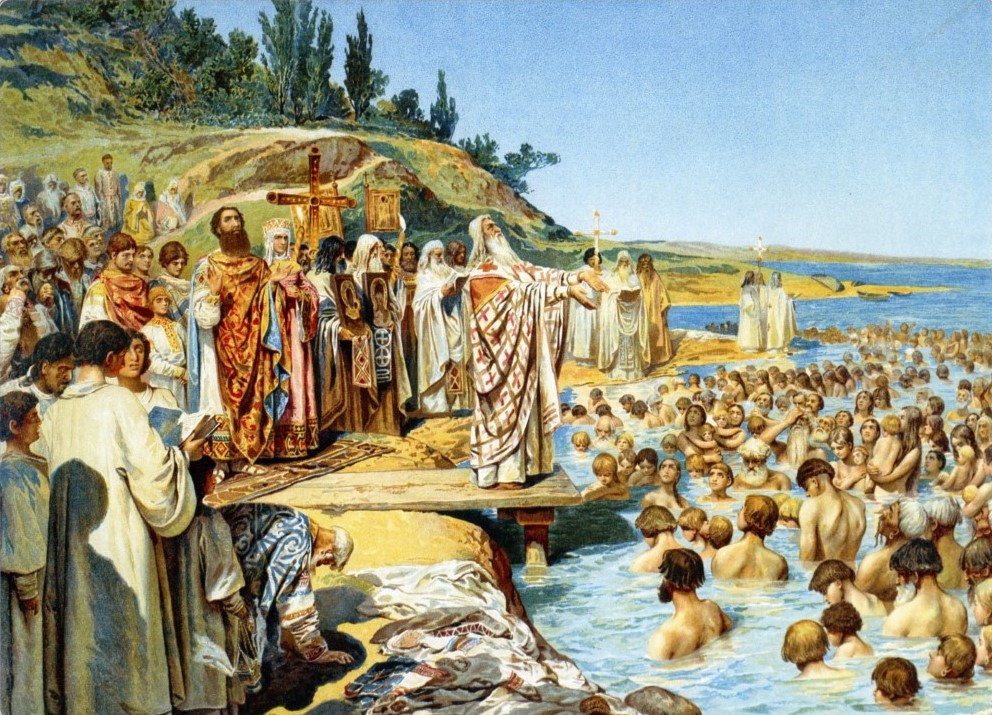
In the late 10th century, the adoption of Christianity in the Kievan Rus, including territories of present-day Belarus, marked a significant shift in religious practices. The decision to embrace Christianity was influenced by political, economic, and cultural factors. Prince Vladimir of Kiev played a pivotal role in this transformation, as he saw the potential benefits of aligning with the Byzantine Empire through the Christian faith.
The impact of adopting Christianity was profound as it not only introduced a new religion but also brought about social and cultural changes. Churches were built, and Christian rituals became an integral part of daily life. This helped in unifying the diverse population under a common belief system. The clergy played a crucial role in spreading the teachings of Christianity and establishing a strong religious presence in the region.
The acceptance of Christianity also had long-term consequences for the Kievan Rus, including present-day Belarus. It facilitated closer ties with European powers, leading to cultural exchanges and trade relationships. The adoption of the Cyrillic alphabet for written language further connected the region to the Eastern Christian world and preserved the Slavic cultural heritage.
Overall, the adoption of Christianity in the Kievan Rus, encompassing territories of present-day Belarus, was a transformative event that reshaped the religious and cultural landscape of the region. It laid the foundation for the development of a distinct Eastern Slavic Christian identity that continues to resonate in Belarusian history and society today.
#Christianization #KievanRus #CulturalExchange #ByzantineEmpire #Belarus #ReligiousTransformation
View details0987
In 987, the Principality of Polotsk was established in the region now known as Belarus. The event marked the consolidation of power by the Polotsk branch of the early East Slavs, led by Prince Rogvolod. Located strategically along trade routes, Polotsk quickly grew into a prominent center of commerce and culture in Eastern Europe.
The Principality of Polotsk played a crucial role in the political landscape of the time, with its rulers often engaging in strategic alliances and conflicts with neighboring powers. The territory of Polotsk expanded under the leadership of Prince Vseslav, who is celebrated for his military campaigns and efforts to strengthen the principality.
The establishment of the Principality of Polotsk had a lasting impact on the region, shaping its political and cultural development. The principality became known for its advanced craftsmanship, vibrant trade, and thriving urban centers. Its rulers also played a significant role in the spread of Christianity in the surrounding territories.
The Principality of Polotsk eventually became part of the Kievan Rus' federation, but its legacy lived on in the traditions and identities of the Belarusian people. The establishment of Polotsk as a principality marked a turning point in the history of the region, setting the stage for centuries of evolving political dynamics and cultural exchange.
#Polotsk #Belarus #Principality #EasternEurope #Rulership #Trade #Culture #History
View details