
Belarus

Land of Lakes and Forests
About
#Belarus
#Minsk
#EasternEurope
Life Classification
Contry
Life ID
EL0417137271328
Verified Name
belarus
Life Type
Entity Life
Life Privacy
Public
Subscription
Elite
Created On
2024-08-07
Updated On
2025-12-19
Connect
Related Lives
China
Land of Silk

Nepal
The Land of Himalayas

Mayan Civilization
Masters of Time and Stone
Azerbaijan
The Land of Fire
President of Chad
Head of the State

Philippines
Pearl of the Orient Seas

Ghana
Culture-Warmth-Rhythm

Premier League
The Home of English Football

2026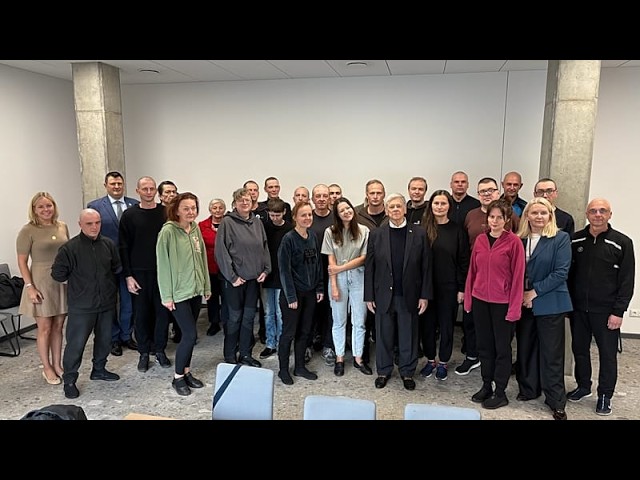
Belarus released 250 prisoners on 19/03/2026 following negotiations between President Alexander Lukashenko's government and the United States. The release was described as the largest single prisoner release in the recent diplomatic engagement between Minsk and Washington. The agreement involved US sanctions relief affecting Belarus's banking and potash sectors, including industries central to the country's export economy. The negotiations formed part of renewed diplomatic contacts between the two governments after years of strained relations over political repression, disputed elections, and Belarus's support for Russia.
The prisoner release followed earlier negotiations that had secured the freedom of other detainees, including opposition activists and individuals imprisoned on politically motivated charges. Human rights organisations continued to report that substantial numbers of political prisoners remained in Belarusian detention facilities. Although the agreement reduced some bilateral restrictions, it did not resolve wider concerns about civil liberties, political opposition, and the treatment of detainees. The arrangement linked humanitarian releases with limited economic sanctions relief while broader US sanctions remained in place.
View details2025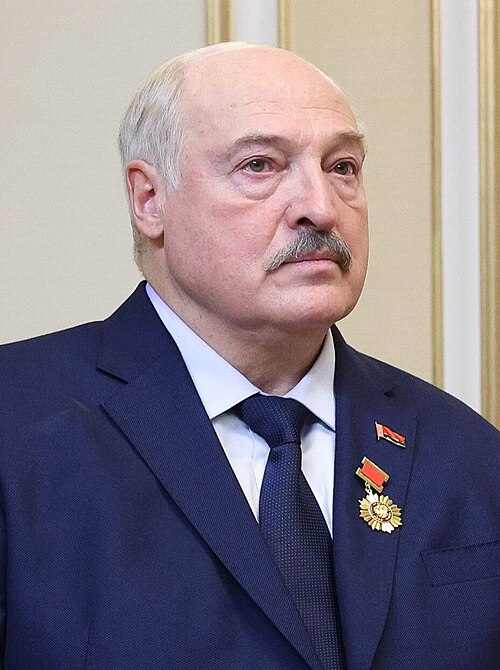
esponse A
In a tightly orchestrated spectacle underscoring Belarus's entrenched autocracy, incumbent Alexander Lukashenko secured a seventh presidential term on January 26, 2025, with an overwhelming 88.5% of the vote in the snap election, according to the Central Election Commission. The 70-year-old strongman, in power since 1994, triumphed over three handpicked challengers—none of whom garnered more than 5%—in a ballot boycotted by opposition figures and dismissed as a sham by Western observers. Turnout reached 85%, bolstered by mandatory voting and digital surveillance, amid a crackdown that jailed over 1,500 dissenters since 2020's disputed polls.
Lukashenko's victory, announced amid state-orchestrated rallies in Minsk, extends his rule to 2030, cementing his role as Russia's staunchest ally in the Ukraine conflict. He has hosted Wagner mercenaries, supplied arms to Moscow, and integrated Belarus deeper into the Union State, defying EU sanctions that have crippled its economy. Proponents in pro-government media hail the result as a mandate for stability, crediting subsidies and wage hikes for rural loyalty, while portraying Lukashenko as a bulwark against NATO "aggression."
Critics, including exiled opposition leader Sviatlana Tsikhanouskaya-who called it a "farce"-and human rights groups like Viasna, decry widespread fraud, voter intimidation, and media blackouts. The EU and US refused recognition, vowing extended isolation, while China and Iran offered congratulations. As protests fizzle under martial law, this election entrenches Belarus's isolation, balancing repression with Kremlin patronage for a regime clinging to power in Europe's last dictatorship
View details2020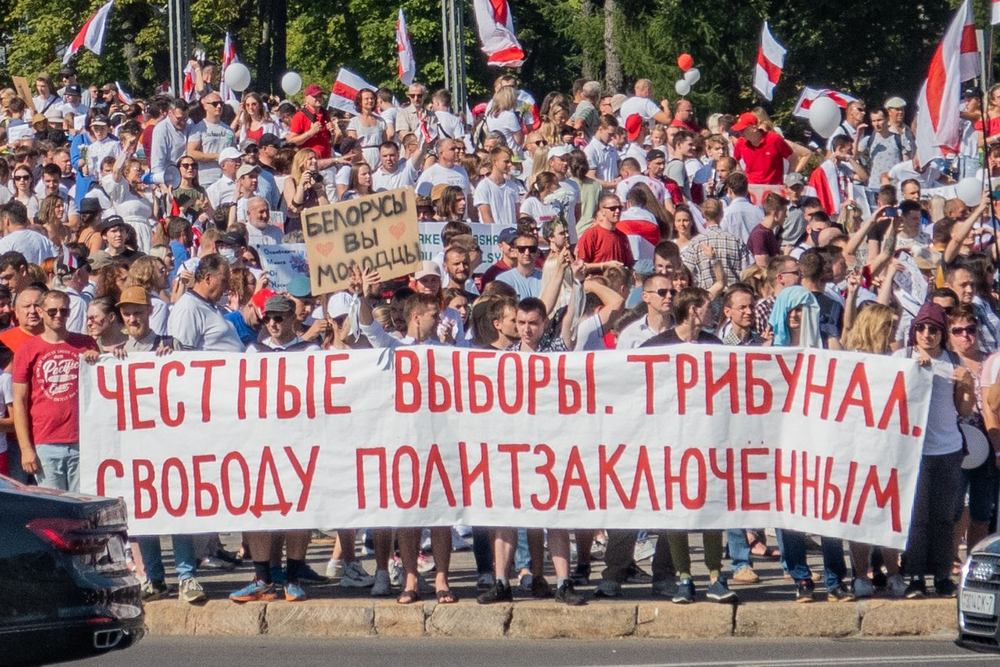
Following the disputed presidential election in Belarus, protests erupted as Alexander Lukashenko claimed victory amid accusations of fraud. Lukashenko, who has been in power for over 26 years, faced a strong opposition movement led by Sviatlana Tsikhanouskaya, a political novice who gained widespread support.
The Central Election Commission declared Lukashenko the winner with 80% of the vote, a result widely condemned as rigged by international observers and opposition groups. In response, mass protests swept across the country, with demonstrators demanding fair elections and calling for Lukashenko to step down.
The protests were met with a harsh crackdown by security forces, leading to thousands of arrests and reports of violence and torture. Despite the crackdown, the protests continued to grow in size and intensity, fueled by anger over the election results and the government's handling of the demonstrations.
The crisis in Belarus has drawn international attention, with leaders and organizations around the world condemning the violent crackdown on protesters and calling for a peaceful resolution to the political crisis. The European Union and the United States have imposed sanctions on Belarusian officials involved in the election rigging and the crackdown on protesters.
As the protests continue and the political crisis deepens, the future of Belarus remains uncertain. The determination of the protesters and the international pressure on the Lukashenko regime may lead to a resolution that brings about change in the country's leadership and political system.
#BelarusProtests #Lukashenko #ElectionFraud #PoliticalCrisis
View details2017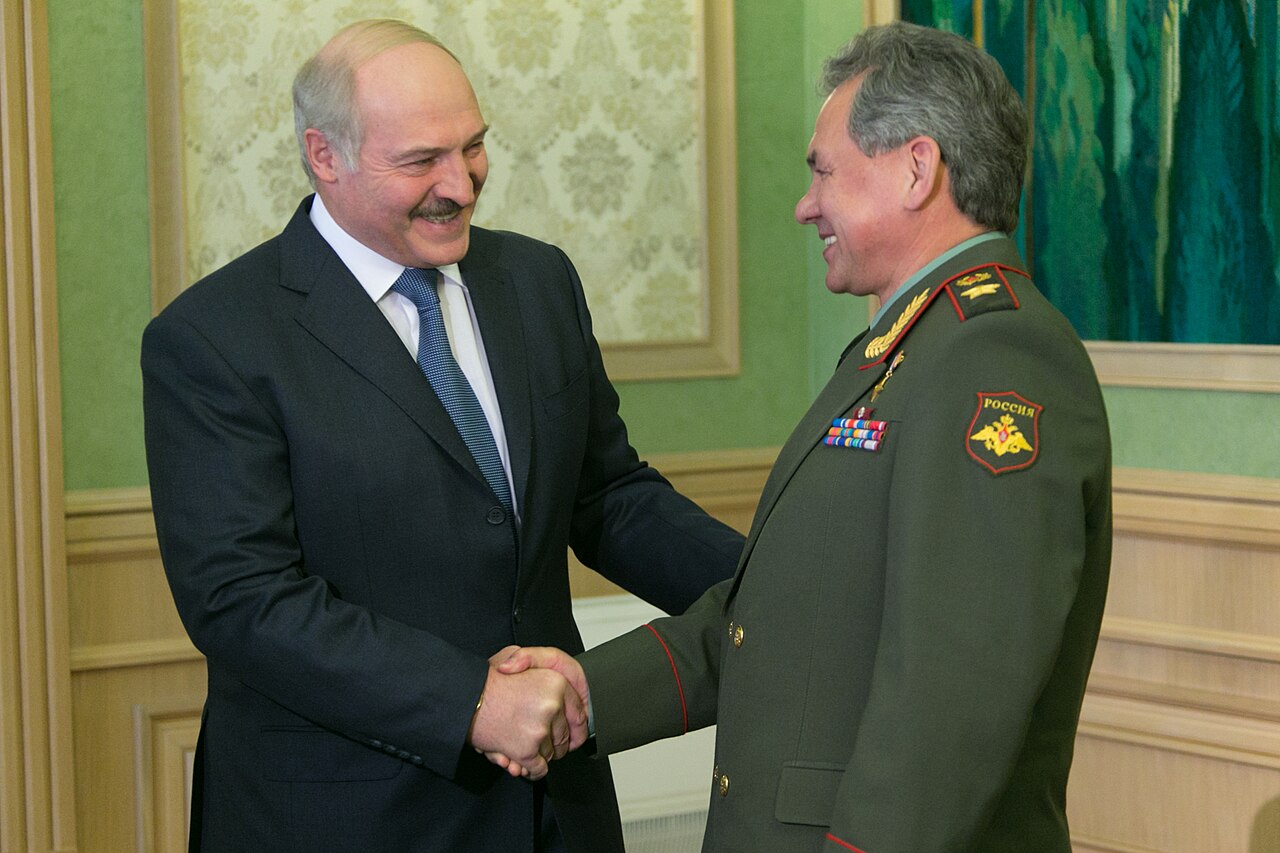
Belarus requested Russia to increase its deployment of fighter jets and military transport aircraft onto Belarusian territory following the reinforcement of NATO forces in the Baltic countries. The move came as a response to the growing tension in the region, with NATO stepping up its military presence in the Baltic states in light of the ongoing conflict between Russia and Ukraine.
The escalating situation led Belarus to seek additional support from its ally, Russia, in order to strengthen its defense capabilities along its western border. The deployment of extra fighter jets and military transport aircraft was seen as a strategic measure to bolster Belarus' security amid the increased NATO presence in the region.
The request for additional military support highlighted the complex geopolitical dynamics at play in Eastern Europe, with Belarus positioning itself as a key player in the ongoing standoff between Russia and NATO. The move also underscored the close relationship between Belarus and Russia, with both countries sharing a mutual interest in countering perceived threats from the West.
The deployment of Russian military assets to Belarusian territory had the potential to further escalate tensions in the region and raise concerns among neighboring countries. The move also underscored the fragile security situation in Eastern Europe, with the conflict between Russia and Ukraine continuing to cast a shadow over the region.
Overall, the event highlighted the fragile security situation in Eastern Europe and the complex dynamics at play between Russia, Belarus, and NATO. The deployment of additional Russian military assets to Belarus underscored the ongoing tensions in the region and the need for diplomatic efforts to defuse the situation.
#Belarus #Russia #NATO #MilitaryDeployment #Geopolitics
View detailsBelarus introduced visa-free entry for citizens of 80 countries, aiming to boost tourism and enhance economic ties. The initiative allows visitors to stay in Belarus for up to 30 days without a visa, when entering and exiting via Minsk National Airport. This move was part of a larger strategy to attract more foreign visitors and improve the country's image on the global stage.
The impact of this policy change was immediate, with a significant increase in the number of tourists arriving in Belarus. The capital, Minsk, witnessed a surge in hotel bookings and an uptick in spending at local businesses. The visa-free entry also facilitated easier travel for business people, diplomats, and professionals, fostering greater cooperation between Belarus and the rest of the world.
Tourists and travelers from the 80 countries included in the visa-free program enjoyed exploring Belarus's rich cultural heritage, picturesque landscapes, and vibrant cities. Popular attractions such as Mir Castle, Brest Fortress, and Nesvizh Palace became more accessible to visitors, leading to a rise in tourism revenue and job creation in the hospitality sector.
The visa-free entry for citizens of 80 countries marked a turning point in Belarus's tourism industry, positioning the country as a welcoming destination for international visitors. The move was met with enthusiasm both domestically and abroad, as it simplified travel procedures and encouraged people to discover the beauty and hospitality of Belarus.
#Belarus #VisaFree #TourismBoost #GlobalIntegration #EconomicDevelopment #CulturalHeritage
View details2012
Opposition activists Andrei Sannikau and Zmitser Bandarenka were released from prison early, bringing a mix of relief and disappointment within Belarus. Both individuals were imprisoned for participating in protests against the government and faced harsh sentences. Their release stirred hope among the opposition movement, yet highlighted the ongoing suppression of dissent in the country.
Sannikau, a former presidential candidate, and Bandarenka, a prominent activist, had been vocal critics of President Alexander Lukashenko's regime. Their imprisonment was seen as a warning to others who dared to challenge the government. Despite their release, several other political prisoners remained behind bars, a reminder of the repressive environment in Belarus.
The news of Sannikau and Bandarenka's release sparked discussions about the state of human rights and political freedoms in Belarus. Many saw it as a small step towards positive change, while others viewed it as a superficial gesture to appease international criticism. The release of these activists underscored the complexities of the political landscape in Belarus and the challenges faced by those advocating for democratic reforms.
As Sannikau and Bandarenka resumed their activism upon release, their experiences served as a rallying cry for supporters of the opposition movement. Their stories inspired solidarity and renewed determination to push for a more democratic Belarus. Despite the obstacles ahead, the release of these activists reignited hope for a future where political dissent is met with dialogue rather than repression.
#Belarus #OppositionActivists #PoliticalPrisoners #HumanRights #Democracy #Activism
View detailsThe European Union decided to recall its ambassadors from Belarus following the Belarusian government's decision to expel the EU envoy and Polish ambassador as a protest against additional sanctions imposed by the EU. This move further escalated tensions between the EU and Belarus, already strained due to the authoritarian rule of President Alexander Lukashenko.
The relationship between the EU and Belarus had been contentious for years, with the EU criticizing Belarus for its human rights violations and lack of democratic principles. In response, the EU had previously imposed sanctions on Belarus, including travel bans and asset freezes on individuals and entities associated with the Lukashenko regime.
The expulsion of the EU envoy and Polish ambassador was seen as a retaliatory measure by the Belarusian government following the EU's decision to impose additional sanctions. The EU's decision to recall its ambassadors was a strong diplomatic gesture, signaling its disapproval of Belarus's actions and its commitment to upholding diplomatic norms.
This event had significant implications for EU-Belarus relations, with the recall of ambassadors indicating a deterioration in diplomatic ties. It also highlighted the ongoing political repression and crackdown on dissent in Belarus under President Lukashenko's rule.
The EU's response was met with condemnation from Belarus, further fueling the diplomatic standoff between the two sides. The incident drew attention to the growing authoritarianism in Belarus and the challenges faced in maintaining diplomatic relations with the Lukashenko regime.
#EU #Belarus #diplomacy #sanctions #authoritarianism #humanrights
View detailsThe Belarusian government implemented a new law that tightened controls over internet usage within the country. This law specifically targeted access to foreign websites, requiring internet clubs and cafes to report individuals who visited sites registered abroad. The law's enforcement was strict, with severe penalties for both users and establishments found in violation.
As a result of this restrictive measure, Reporters Without Borders, a Paris-based organization advocating for freedom of expression, labeled Belarus as an Enemy of the Internet. The designation signaled grave concern over the diminishing online freedoms within the country and highlighted Belarus's increased censorship and surveillance of cyberspace.
The impact of the law was immediate and far-reaching. Internet users in Belarus found themselves facing limited access to information and increased surveillance of their online activities. Internet clubs and cafes were compelled to monitor and report their customers' browsing habits, leading to a climate of fear and self-censorship among the populace.
Reporters Without Borders condemned the Belarusian government's actions, emphasizing the importance of a free and open internet for democracy and human rights. The organization called on Belarus to respect its citizens' right to access information and communicate freely online, in line with international standards of internet freedom.
The labeling of Belarus as an Enemy of the Internet underscored the country's regression in terms of digital rights and highlighted the urgent need for advocacy and intervention to protect online freedom in the face of oppressive government policies.
#Belarus #InternetFreedom #Censorship #Surveillance #HumanRights
View details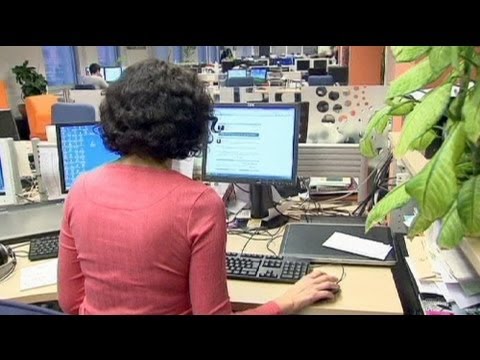
2011
Russia's decision to sell gas to Belarus at a discounted rate, set at 60% below the price charged to other European countries, marked a significant development in the energy relationship between the two nations. In exchange for this favorable deal, Russia obtained full ownership of the Belarusian gas pipeline firm Beltranshaz, thus solidifying Gazprom's monopoly over the transit of gas through Belarus.
The background of this agreement can be traced back to the longstanding economic and political ties between Russia and Belarus. Belarus heavily relies on Russian energy imports, particularly natural gas, to meet its domestic needs and sustain its industries. By offering gas at a reduced price, Russia aimed to maintain influence over Belarus while securing control over the crucial gas transit infrastructure of Beltranshaz.
The impact of this deal was substantial, as it not only ensured a stable energy supply for Belarus at a preferential rate but also granted Russia greater leverage in the regional energy market. By gaining ownership of Beltranshaz, Russia could streamline its gas transportation network and effectively manage the flow of natural gas to Europe through Belarus.
This event underscored the dynamics of energy diplomacy in the region and the strategic maneuvers employed by Russia to assert its dominance in the gas sector. The acquisition of Beltranshaz by Gazprom marked a significant consolidation of power in the hands of the Russian energy giant, reshaping the energy landscape in Belarus and beyond.
#Belarus #Russia #GasAgreement #EnergyDiplomacy #Gazprom #Beltranshaz #RegionalInfluence #EconomicTies
View detailsAmidst a financial crisis, the Belarusian government made a significant decision to allow a limited flotation of the Belarusian rouble. This move was aimed at alleviating the economic challenges plaguing the country. As a result, the Belarusian rouble experienced a sharp decline in value in the foreign exchange market.
The financial crisis in Belarus had been brewing for some time, fueled by a combination of economic mismanagement, excessive government spending, and a lack of foreign currency reserves. The decision to float the currency was seen as a bold attempt to address these issues and stabilize the economy.
The impact of the Belarusian rouble's fall was felt by both businesses and individuals across the country. Imported goods became more expensive, leading to inflation and a decrease in purchasing power. Companies that relied on imported raw materials or equipment faced higher production costs, putting further strain on an already struggling economy.
The limited flotation of the currency was a double-edged sword, as while it helped to address some of the immediate financial challenges, it also exposed the vulnerability of the Belarusian economy to external factors. The sharp decline in the value of the rouble highlighted the need for comprehensive reforms and sound economic policies to prevent similar crises in the future.
In conclusion, the decision to allow a limited flotation of the Belarusian rouble marked a pivotal moment in the country's economic history. It served as a wake-up call for the government to address longstanding issues and implement reforms to ensure a more stable and prosperous future for Belarus.
#Belarus #financialcrisis #roublefall #economicreform #limitedflotation
View detailsPresident Lukashenko of Belarus made a significant move in the wake of a daring incident involving human-rights activists. Foreign Minister, the air defence and border guard commanders were sacked, and the Swedish ambassador was expelled. The catalyst? Activists flew into Belarusian airspace to drop teddy bears carrying pro-democracy messages.
The Swedish activists, part of a PR stunt, aimed to highlight the lack of freedom in Belarus. President Lukashenko's response was swift and severe, underlining his intolerance towards dissent and criticism. The government's actions demonstrated its determination to maintain control and suppress any challenges to its authority.
The sacking of key officials and the expulsion of the Swedish ambassador sent a clear message to both domestic dissidents and foreign critics. It reinforced the regime's uncompromising stance on issues of democracy and human rights. By taking such drastic measures, President Lukashenko sought to assert his power and deter any future attempts to undermine his rule.
The incident reverberated internationally, drawing attention to the oppressive nature of the Belarusian government and its disregard for fundamental rights. It further strained Belarus's already tense relations with Western countries, particularly those advocating for democratic values and human rights.
The expulsion of the Swedish ambassador added a diplomatic dimension to the crisis, potentially leading to further repercussions on the bilateral relations between Belarus and Sweden. The fallout from the incident served as a reminder of the challenges faced by those advocating for democracy in authoritarian states.
#Belarus #HumanRights #Democracy #PoliticalRepression
View details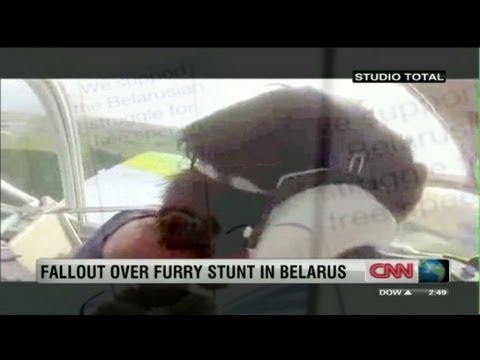
Following weeks of anti-government demonstrations across the nation, hundreds of protesters in Belarus were violently beaten and arrested by security forces in an attempt to suppress the dissent. The protests were sparked by allegations of electoral fraud, with the opposition accusing the government of rigging the recent election to maintain power.
The demonstrations, which began peacefully, escalated as protesters demanded fair elections and greater political freedoms. Despite the crackdown by authorities, the opposition continued to mobilize supporters, leading to a crackdown on dissent.
The harsh response from the government drew condemnation from the international community, with calls for the release of political prisoners and respect for human rights. The violent crackdown further fueled public anger and galvanized support for the opposition movement.
The arrests and beatings of hundreds of protesters highlighted the growing tensions between the government and its critics, as well as the challenges facing those seeking democratic reforms in Belarus. The events served as a stark reminder of the government's authoritarian grip on power and its willingness to use force to maintain control.
As the crackdown continued, the opposition vowed to keep up the pressure on the government, despite the risks of further violence and repression. The events marked a turning point in the struggle for political change in Belarus, with the opposition showing resilience in the face of adversity.
#Belarus #Protests #PoliticalRepression #HumanRights #Democracy
View details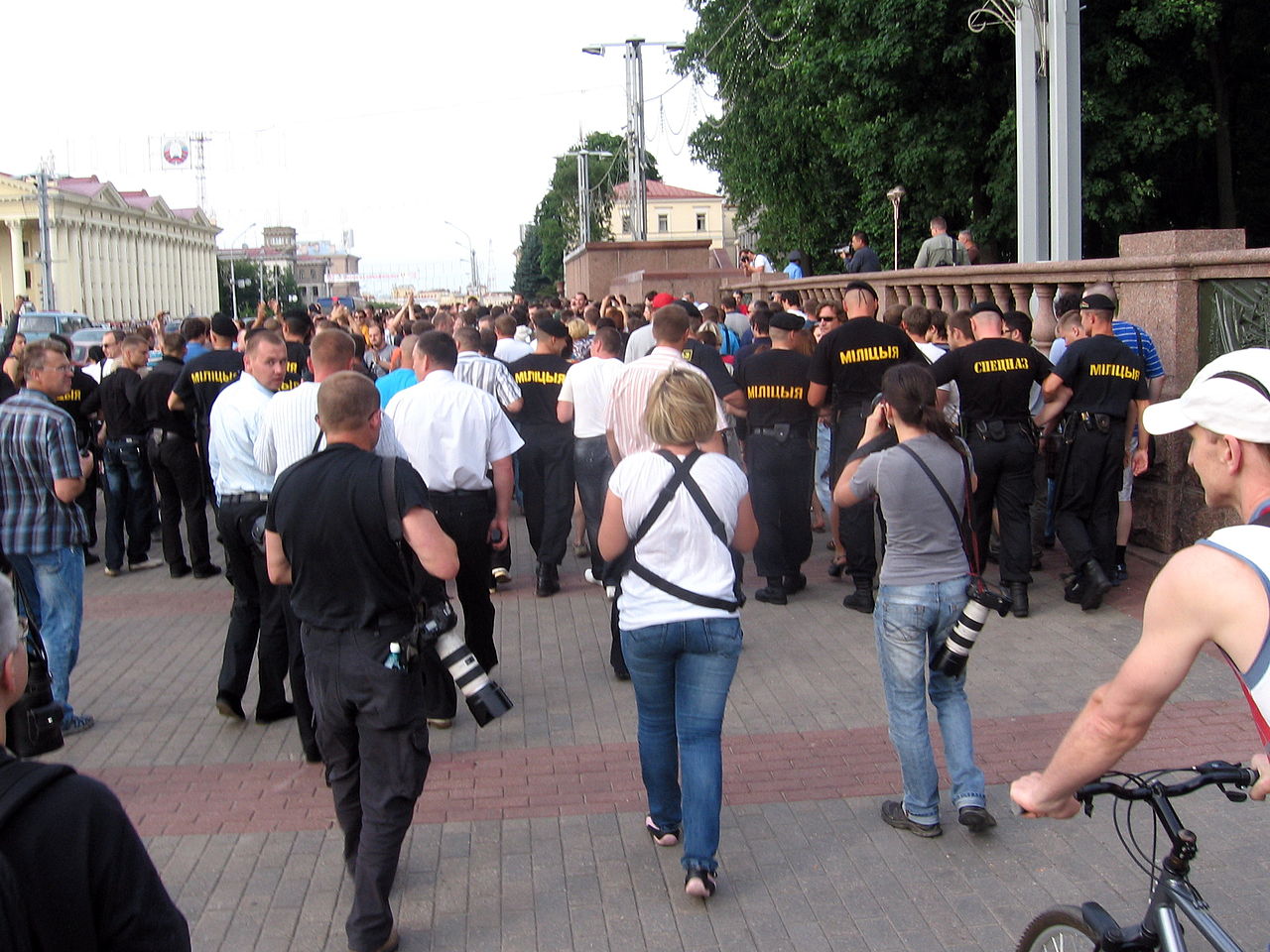
2010
Belarus has decided to join the customs union with Russia and Kazakhstan, despite voicing concerns about Russia's imposition of duties on oil and gas exports. This move comes as a strategic decision to strengthen economic ties with its neighboring countries and enhance trade opportunities within the region.
Belarus had been hesitant to fully commit to the customs union due to disagreements over the continued Russian duty on oil and gas exports, which had been a point of contention in the negotiations. However, after further discussions and negotiations, Belarus ultimately agreed to join the customs union, citing the potential benefits of increased trade and economic cooperation with Russia and Kazakhstan.
The decision to join the customs union is expected to have significant implications for Belarus's economy, as it will likely lead to closer integration with Russia and Kazakhstan, streamlining trade processes and potentially boosting economic growth. Additionally, being part of the customs union could provide Belarus with access to a larger market and increased investment opportunities within the region.
Despite objections to the Russian duty on oil and gas exports, Belarus's decision to join the customs union signifies a prioritization of economic benefits and regional cooperation. By aligning itself with Russia and Kazakhstan, Belarus aims to strengthen its economic ties with neighboring countries and foster closer collaboration in the realms of trade and commerce.
The agreement to join the customs union with Russia and Kazakhstan marks a significant development in Belarus's economic strategy, as it looks to capitalize on the benefits of regional integration and closer cooperation with neighboring countries to drive economic growth and prosperity.
#Belarus #CustomsUnion #EconomicIntegration #RegionalCooperation
View detailsPresident Lukashenko of Belarus made a bold move by ordering the shutdown of transit of Russian gas to Europe in response to Moscow's decision to reduce gas supplies to Minsk due to a debt dispute. This decision had a significant impact on both Belarus and European countries dependent on Russian gas.
The dispute between Belarus and Russia stemmed from Belarus' failure to fully pay for Russian gas supplies. In retaliation, Russia decided to cut gas supplies to Belarus, prompting President Lukashenko to order the shutdown of transit of Russian gas to Europe. This move was seen as a way for Belarus to leverage its position and put pressure on Russia to resolve the debt issue.
The shutdown of gas transit to Europe had immediate consequences, causing concern among European countries that heavily rely on Russian gas for their energy needs. The move raised fears of potential gas shortages and price hikes in Europe, highlighting the vulnerability of European countries to disruptions in the gas supply chain.
President Lukashenko's decision to shut down the transit of Russian gas to Europe underscored Belarus' strategic importance as a transit country for Russian gas exports to Europe. It also demonstrated Belarus' willingness to take decisive action to protect its own interests in the face of disputes with Russia.
Overall, the event marked a moment of tension between Belarus and Russia, with implications for European energy security. It highlighted the complex dynamics of energy politics in the region and underscored the interconnectedness of gas supply chains in Europe.
#Belarus #Russia #GasDispute #EnergySecurity #EuropeanUnion
View detailsAleh Byabenin, founder of the opposition website Charter '97 in Belarus, was found hanged in his home, sparking international concern. European Union Foreign Affairs chief Catherine Ashton called for a thorough investigation into his death. Byabenin was known for his critical stance against the Belarusian government and his website was a platform for dissenting voices in the country.
Byabenin's death raised suspicions of foul play, with many questioning the official ruling of suicide. The circumstances surrounding his death fueled speculation of government involvement due to his anti-government activities. The call for an investigation by Ashton emphasized the need for transparency and accountability in handling such cases.
The death of Byabenin had a chilling effect on freedom of expression in Belarus, further restricting the space for dissent in the country. It served as a reminder of the risks faced by those who spoke out against the government. The international attention drawn to his case put pressure on Belarus to address concerns related to human rights and the protection of activists.
The investigation into Byabenin's death remained a contentious issue, with conflicting narratives and lack of clear answers. The unresolved nature of the case left many unsettled and deepened existing suspicions surrounding his untimely demise. The legacy of Byabenin's work continued to resonate among those advocating for democracy and free speech in Belarus.
#AlehByabenin #Belarus #HumanRights #FreedomOfExpression #Investigation
View details
2006
In the Belarusian presidential election, Alexander Lukashenko secured re-election, maintaining his position as the country's leader. Lukashenko, who had been in power since 1994, faced various opposition candidates in the election. However, his presidency had been marked by allegations of authoritarianism and suppression of dissent.
The election results were met with skepticism both internally and internationally, with accusations of electoral fraud and lack of transparency. Opposition groups and some Western countries condemned the outcome, calling for a re-run of the election. The Organization for Security and Co-operation in Europe (OSCE) also criticized the process, citing irregularities and limited political competition.
Despite the controversy surrounding the election, Lukashenko's victory solidified his grip on power and reinforced his position as a dominant figure in Belarusian politics. The outcome further entrenched the political status quo in the country, with Lukashenko's administration continuing its policies amidst ongoing scrutiny and criticism.
The event underscored the challenges facing Belarus in terms of democracy, human rights, and political freedom. It highlighted the need for electoral reform and greater accountability in the country's governance. The international community's response to the election outcome reflected concerns about the state of democracy in Belarus and its implications for regional stability.
Overall, the Belarusian presidential election, and Lukashenko's re-election, marked a contentious moment in the country's political landscape. The aftermath stirred debates about democracy, governance, and human rights within Belarus and beyond, shaping discussions about the future direction of the nation's leadership and its relationship with the international community.
#Belarus #AlexanderLukashenko #Election #Democracy #HumanRights
View details1998
During this event, Belarus experienced a severe economic crisis marked by a significant devaluation of its currency. The Belarusian rouble saw its value plummet by half, leading to inflation and a sharp increase in the prices of essential goods. The government was forced to implement food rationing measures to mitigate the impact on the population.
In response to the economic turmoil, Belarus signed an accord with Russia to merge their currencies and tax systems. The agreement aimed to stabilize the Belarusian economy by aligning it more closely with Russia, its key ally. However, despite the initial agreement, the merger did not materialize as planned.
The failure to merge the currencies and tax systems with Russia left Belarus grappling with the aftermath of the economic crisis. The country faced continued inflation, food shortages, and economic instability, with the population bearing the brunt of the hardships. The government's inability to address the underlying issues further exacerbated the situation, leading to prolonged economic challenges for Belarus.
Overall, the event marked a tumultuous period for Belarus, characterized by economic turmoil and uncertainty. The failed attempt to merge with Russia highlighted the country's vulnerability to external economic forces and underscored the need for comprehensive reform to address underlying structural issues.
#Belarus #EconomicCrisis #Russia #CurrencyDevaluation #FoodRationing
View details1997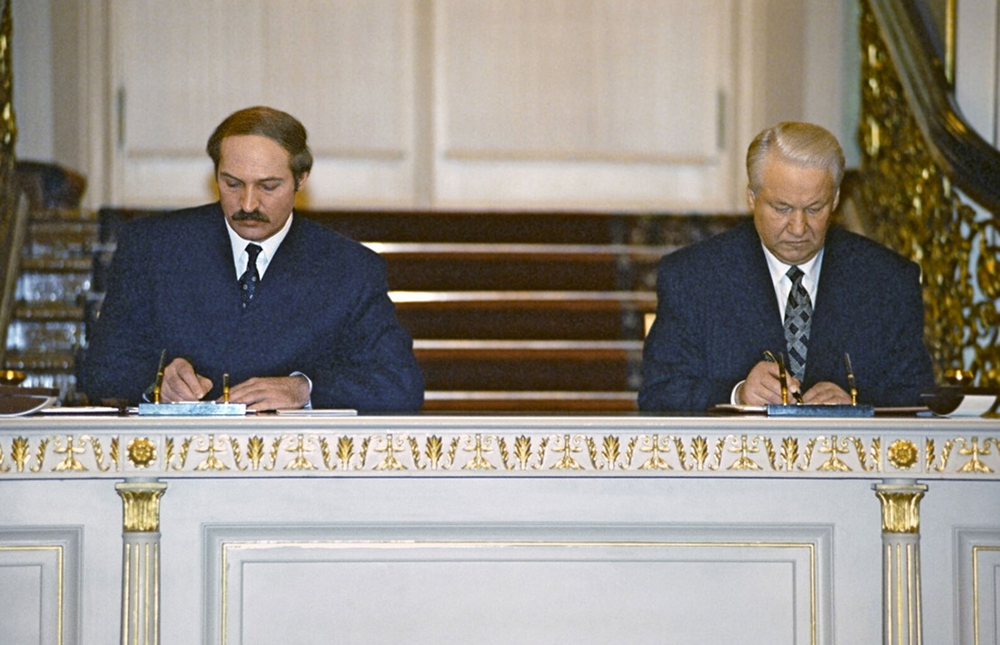
In 1997, Belarus entered into an agreement to establish an economic union with Russia. The initiative aimed to foster closer economic ties between the two nations, enhancing trade and collaboration in various sectors.
The agreement signaled a significant step towards integrating the economies of Belarus and Russia, paving the way for increased cooperation in areas such as energy, industry, and agriculture. It sought to streamline trade mechanisms, promote investments, and facilitate the movement of goods and services between the two countries.
The economic union with Russia had a profound impact on Belarus, providing new opportunities for economic growth and development. It allowed for the sharing of resources and expertise, boosting the competitiveness of industries in both nations. The agreement also strengthened political ties, creating a solid foundation for future partnerships and joint initiatives.
As a result of the economic union, Belarus and Russia experienced a surge in bilateral trade and investments, leading to mutual benefits for both countries. The closer economic integration fostered closer ties between the two nations, laying the groundwork for further collaboration in the years to come.
Overall, the agreement to establish an economic union with Russia was a crucial milestone in Belarus' economic history, shaping its relationship with its neighboring country and setting the stage for enhanced cooperation in various fields. It underscored the importance of regional alliances and economic integration in driving growth and prosperity.
#Belarus #Russia #EconomicUnion #Trade #Cooperation #Partnership
View details1996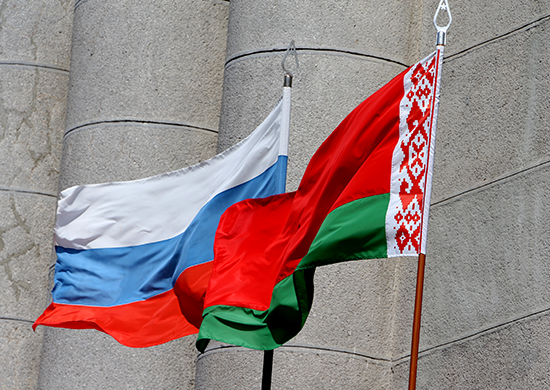
In 1997, Belarus made significant changes to its political and linguistic landscape. A Friendship and cooperation pact was signed with Russia, solidifying diplomatic ties between the two nations. This agreement marked a pivotal moment in their relationship and laid the foundation for future collaboration.
Simultaneously, referendums were held in Belarus that resulted in Russian being reinstated as a co-official language alongside Belarusian. This decision aimed to foster unity among the diverse linguistic communities within the country and improve communication with Russian-speaking populations.
Additionally, the referendums also granted the president of Belarus expanded powers, consolidating authority in the executive branch. This move sparked debate among citizens and international observers, with some expressing concerns about the concentration of power in the hands of a single individual.
Overall, these developments in 1997 had a profound impact on Belarusian society. The pact with Russia strengthened bilateral relations and paved the way for increased collaboration in various areas. The restoration of Russian as a co-official language promoted inclusivity and cultural diversity, while the expansion of presidential powers signaled a shift in the country's political dynamics.
#Belarus #Russia #FriendshipPact #Referendums #CoOfficialLanguage #PresidentialPowers #Diplomacy
View details1991
In 1991, Belarus declared Belarusian as the official state language, marking a pivotal moment in the nation's linguistic history. This decision was a significant step towards reaffirming the country's cultural identity and distancing itself from its Soviet past. For decades, Russian had been the dominant language in Belarus, overshadowing Belarusian and posing a threat to its preservation and promotion.
The shift to recognize Belarusian as the official state language had a profound impact on various aspects of society. It revitalized the use of Belarusian in government institutions, schools, media, and everyday communication. Schools began to offer Belarusian language classes, and publications in Belarusian became more prevalent. This move not only strengthened the country's linguistic diversity but also fostered a sense of national pride and unity among Belarusians.
The decision to make Belarusian the official state language was not without its challenges. There were concerns about the practicality of implementing this change, especially in regions where Russian was more commonly spoken. Efforts were made to promote bilingualism and ensure that Russian-speaking citizens were not marginalized.
Despite the hurdles, the official recognition of Belarusian as the state language symbolized a newfound commitment to preserving the country's cultural heritage and linguistic roots. It served as a statement of independence and sovereignty, signaling Belarus's desire to carve out its own path distinct from its neighbors.
The event of declaring Belarusian as the official state language was a watershed moment that reshaped the linguistic landscape of the country. It laid the groundwork for the promotion and celebration of Belarusian language and culture, ensuring its continued prominence in the years to come. #Belarus #LanguageRevival #CulturalIdentity.
View details1989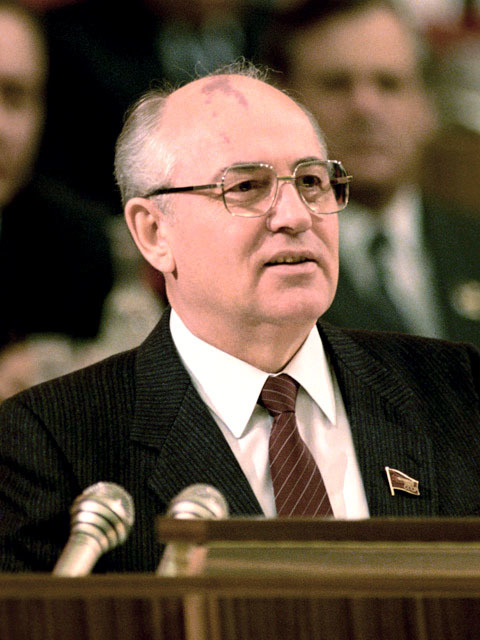
During the late 1980s, Soviet leader Mikhail Gorbachev's policies of glasnost and perestroika encouraged political liberalization across the Soviet Union. This environment allowed for the emergence of the Belarusian Popular Front, a nationalist movement seeking to revive Belarusian national identity and culture. The Front aimed to counter the dominance of Russian culture and language in Belarus, advocating for the preservation and promotion of Belarusian traditions.
The Belarusian Popular Front played a significant role in mobilizing citizens and raising awareness about the importance of Belarusian heritage. It organized rallies, cultural events, and campaigns to promote the use of the Belarusian language and to celebrate the country's history. The movement also called for greater autonomy and self-governance for Belarus within the Soviet Union.
The formation of the Belarusian Popular Front marked a turning point in the country's nationalist revival, as many Belarusians began to embrace their cultural identity and push for greater recognition within the Soviet framework. The Front's activities sparked discussions about the role of Belarus in the Soviet Union and raised questions about the future of the country's political landscape.
Overall, the Belarusian Popular Front's establishment in response to Gorbachev's political liberalization was a significant development in Belarusian history. It paved the way for increased awareness and appreciation of Belarusian culture, language, and traditions, while also fueling discussions about the country's place within the Soviet Union.
#BelarusianPopularFront #NationalistRevival #Gorbachev #BelarusianCulture
View details1986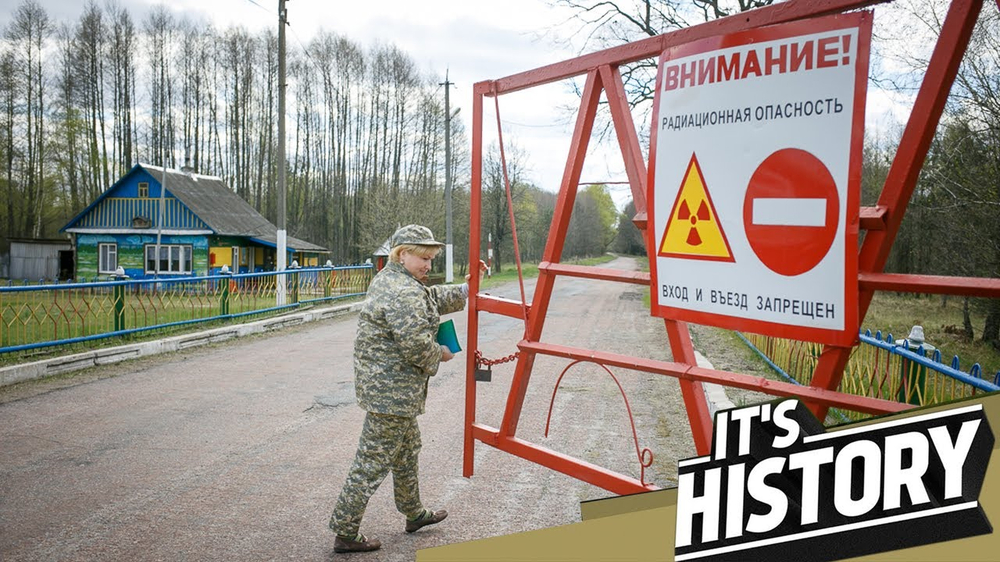
The Chernobyl disaster had a profound impact on Belarus, a neighboring country of Ukraine where the catastrophe occurred. The incident resulted from a failed safety test in one of the reactors at the Chernobyl Nuclear Power Plant, leading to a massive release of radioactive materials into the environment.
The fallout from the explosion heavily affected the southern and eastern regions of Belarus, contaminating vast areas of land. The government hastily implemented evacuation measures, relocating thousands of residents from the most heavily affected areas. Despite these efforts, many people were exposed to high levels of radiation, resulting in an increased risk of various health issues, including cancer and thyroid disorders.
The long-term consequences of the Chernobyl disaster continue to impact Belarus to this day. The contaminated land remains uninhabitable, leading to economic hardships for local communities dependent on agriculture. The health effects of radiation exposure persist, with many individuals still grappling with chronic illnesses linked to the disaster.
Efforts to mitigate the environmental and health impacts of the Chernobyl disaster in Belarus have been ongoing. Decontamination projects, health screenings, and support programs for affected individuals have been put in place to address the lasting effects of the catastrophe. Despite these initiatives, the legacy of Chernobyl looms large in Belarus, serving as a somber reminder of the risks associated with nuclear power.
#ChernobylDisaster #BelarusImpact #RadiationLegacy #HealthEffects #EnvironmentalContamination
View details1944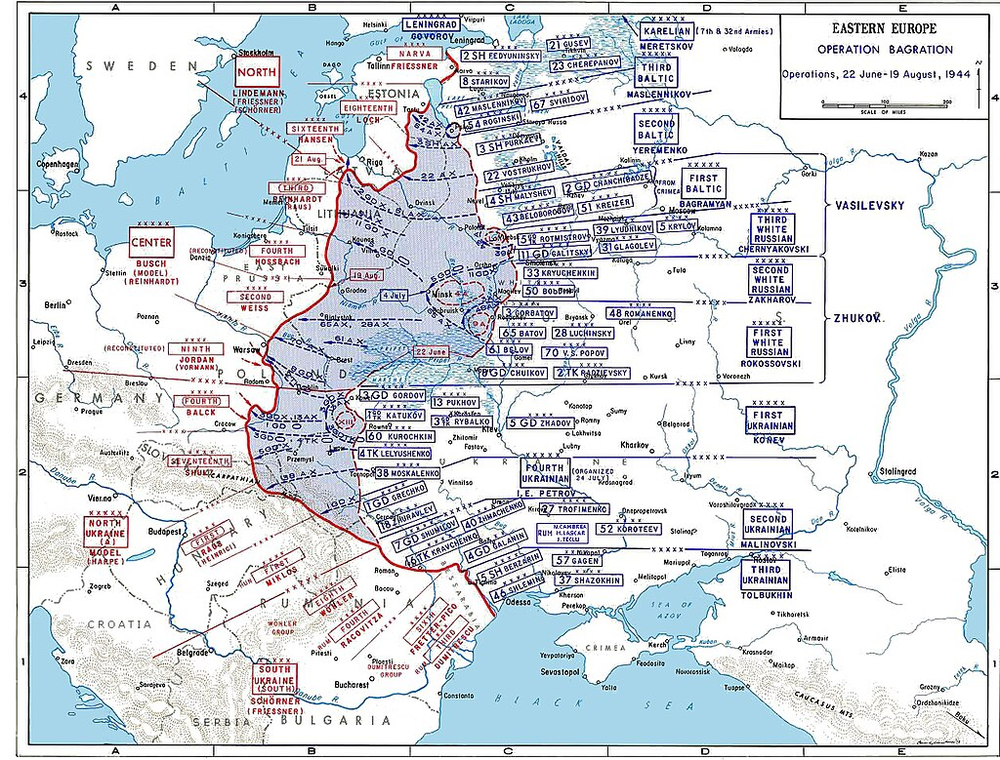
During the World War II conflict, the Soviet Red Army made a strategic move to drive the Germans out of Belarus, a region of critical importance due to its geographical position and resources. The Germans had occupied Belarus for a significant period, causing immense suffering and devastation to the local population. The Soviet offensive was meticulously planned to liberate the territory, regain control of key cities and disrupt the German forces.
The operation to push the Germans out of Belarus marked a turning point in the Eastern Front of the war. The Soviet Red Army employed massive manpower, advanced weaponry, and coordinated tactics to achieve their objective. The intense fighting led to heavy casualties on both sides, but the Soviet forces displayed resilience and determination, eventually overpowering the German troops.
The liberation of Belarus had a profound impact on the course of the war. It not only dealt a significant blow to the German military presence in the region but also boosted the morale of the Soviet troops and civilians. The operation paved the way for further offensives that eventually led to the defeat of the German forces on the Eastern Front.
The Soviet Red Army's successful drive to expel the Germans from Belarus demonstrated their strength and strategic prowess. It showcased their ability to conduct large-scale military operations and achieve decisive victories. The liberation of Belarus also highlighted the resilience and determination of the Belarusian people who endured immense hardships during the occupation.
The event of the Soviet Red Army driving the Germans out of Belarus marked a crucial moment in the history of the region and the overall outcome of World War II. It symbolized the triumph of freedom over oppression, and the resilience of nations in the face of adversity.
#SovietRedArmy #Belarus #WorldWarII
View details1941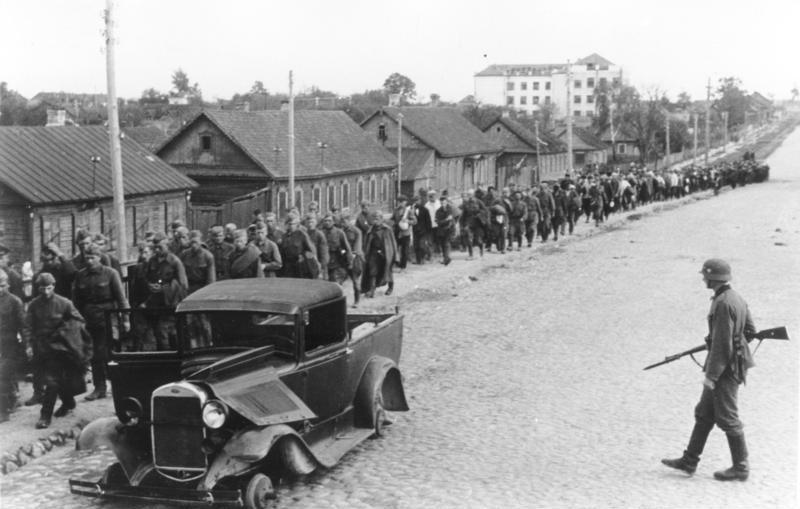
In World War II, German forces invaded and occupied Belarus. The occupation led to significant consequences for the Belarusian population. The Nazi administration imposed harsh policies, leading to widespread destruction and loss of life.
During the occupation, Belarusian cities and villages were devastated, and numerous cultural and historical sites were destroyed. The local population suffered from forced labor, mass executions, and deportations to concentration camps. The German forces aimed to suppress any form of resistance, leading to brutal reprisals against civilians.
The occupation also brought about a severe economic impact on Belarus. Resources were exploited for the benefit of the German war effort, leading to widespread poverty and deprivation among the local population. Agricultural production declined, further exacerbating food shortages in the region.
The German occupation of Belarus during World War II left a lasting impact on the country. The scars of the brutal occupation are still visible in the collective memory of the Belarusian people. The event serves as a reminder of the atrocities committed during the war and the resilience of the Belarusian population in the face of adversity.
#GermanOccupation #Belarus #WorldWarII #Atrocities #OccupationImpacts
View details1930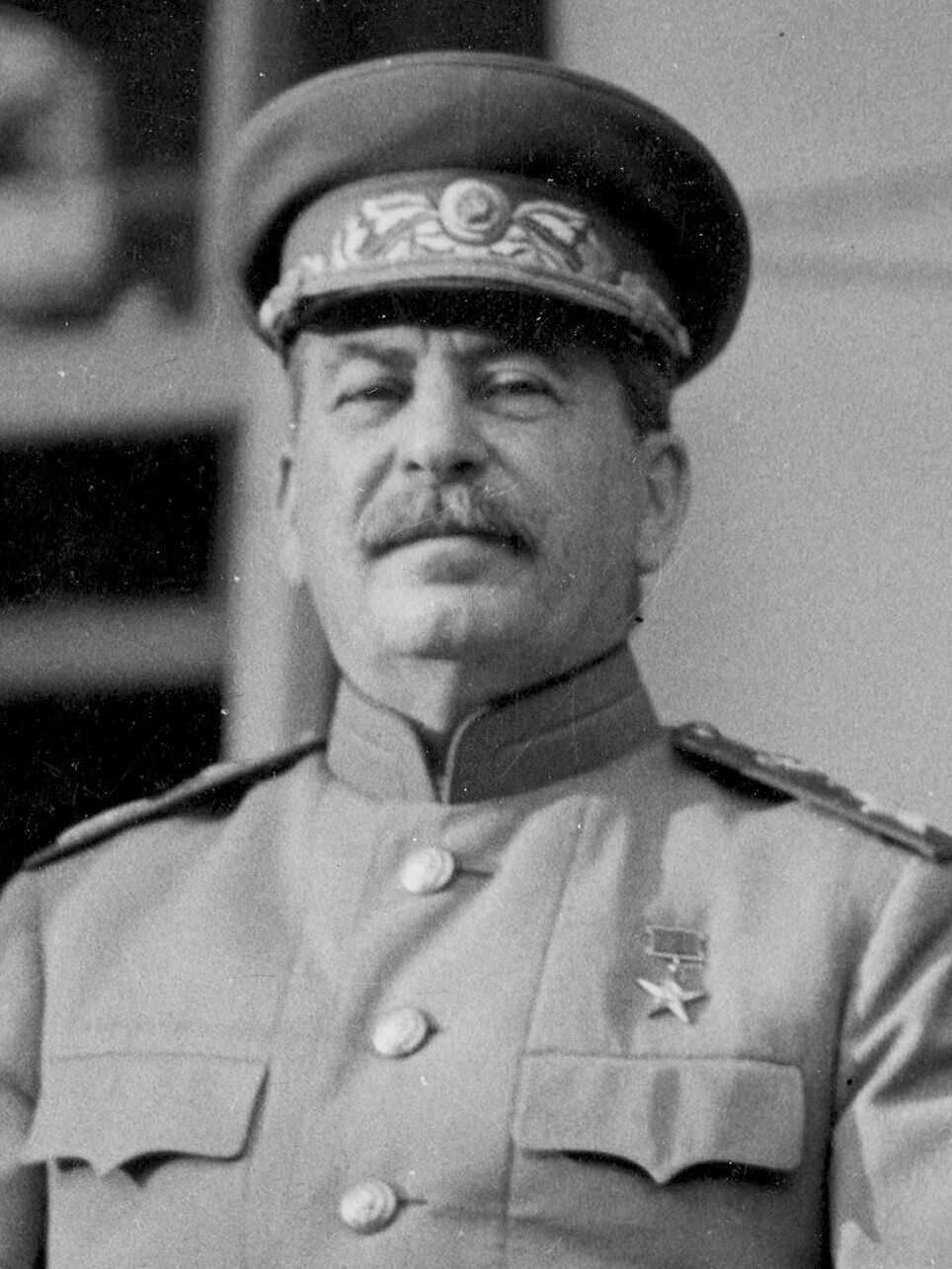
During the 1930s, Belarus suffered severely from the purges orchestrated by Soviet dictator Joseph Stalin. Over 100,000 individuals, including intellectuals and political opponents, were executed, while thousands were sent to labor camps. The goal was to eliminate any dissent or opposition to Stalin's regime, leading to a massive loss of life and liberty in Belarus.
The purges had a devastating impact on the social and cultural fabric of Belarus, as many of the brightest minds and voices of dissent were silenced. Intellectuals, artists, writers, and political figures were among those targeted, leaving a void in the cultural and political landscape of the country. Families were torn apart, communities were shattered, and fear permeated every aspect of society.
The repercussions of the purges were felt for generations to come, as the trauma and loss inflicted during that dark period lingered in the collective memory of the Belarusian people. The scars left by the purges served as a stark reminder of the dangers of unchecked power and authoritarianism.
Despite the passage of time, the impact of the purges on Belarus remains a solemn chapter in the nation's history. It serves as a cautionary tale of the dangers of totalitarianism and the importance of safeguarding freedom of thought and expression. Remembering the victims and honoring their legacy is essential in ensuring that such atrocities are never repeated.
#Belarus #Stalin #Purges #Totalitarianism #Authoritarianism
View details1921
In Minsk, the Belarusian State University was established. The founding of this prestigious educational institution was a significant milestone in Belarusian history. It played a crucial role in shaping the country's intellectual, cultural, and social development.
The university's establishment provided Belarusian students with access to higher education opportunities previously unavailable. It became a hub for academic excellence, research, and innovation, attracting scholars and students from all around the country. The faculty members were dedicated professionals who contributed significantly to the advancement of various fields of study.
The Belarusian State University's impact extended beyond academia. It fostered a sense of national identity and pride among Belarusians. The university campus served as a platform for cultural exchange and the preservation of Belarusian heritage. Graduates went on to become leaders in various sectors, contributing to the country's progress and prosperity.
Throughout its history, the Belarusian State University has continually evolved to meet the changing needs of society. It has remained committed to providing quality education and fostering critical thinking skills among its students. The university continues to be a beacon of knowledge and enlightenment in Belarus.
The founding of the Belarusian State University marked a turning point in the country's educational landscape. It symbolized a commitment to intellectual growth, cultural preservation, and national identity. The university's legacy continues to inspire current and future generations of Belarusians to strive for excellence in education and beyond.
#BelarusianStateUniversity #Minsk #Education #CulturalHeritage #AcademicExcellence
View details1920
Following the tumultuous period of World War I and the Russian Revolution, the Belarusian Soviet Socialist Republic was established as one of the founding members of the Union of Soviet Socialist Republics (USSR), marking a significant shift in Belarusian history. The formation of the Belarusian SSR solidified the incorporation of Belarus into the Soviet Union, a move that had significant consequences for the country's political, social, and economic landscape.
Under Soviet rule, Belarus underwent rapid industrialization, agricultural collectivization, and cultural Russification. The establishment of the Belarusian SSR meant the imposition of communist ideology, centralized economic planning, and strict political control over the region. This period witnessed the suppression of Belarusian national identity and the promotion of Soviet ideology as the dominant force in shaping the country's future.
The Belarusian SSR's integration into the USSR had a profound impact on the country's development. The state-led industrialization efforts spurred economic growth but also led to widespread social upheaval and hardship for many Belarusians. Agricultural collectivization, aimed at consolidating small farms into larger collective units, fundamentally transformed the rural landscape and disrupted traditional ways of life.
Despite its challenges, the Belarusian SSR experienced advancements in education, healthcare, and infrastructure under Soviet rule. The establishment of a centralized government and administrative framework provided a sense of stability and security for the population, albeit under tight Soviet control.
The formation of the Belarusian SSR as part of the USSR laid the foundation for decades of political and economic integration with the Soviet Union, shaping the country's trajectory well into the 20th century. This period of history continues to influence Belarusian society and politics today, highlighting the enduring legacy of the country's Soviet past.
#Belarus #SovietUnion #History #Socialism
View details1918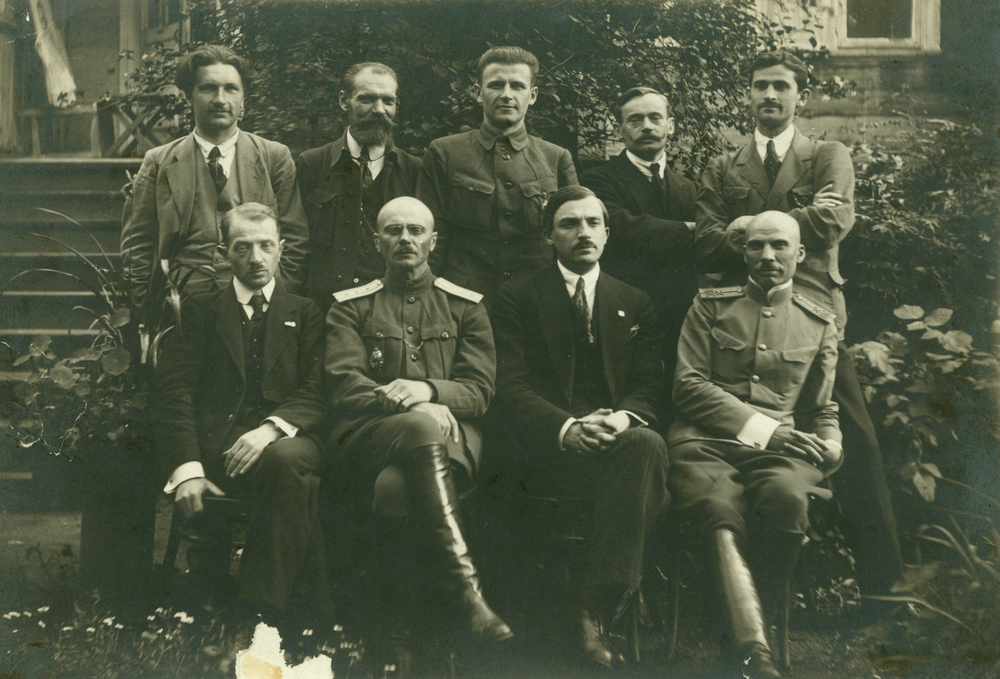
In 1918, the Belarusian People's Republic, established as a response to the collapse of the Russian Empire, declared independence. The region had long struggled for autonomy and cultural preservation. The move towards independence aimed to assert a national identity separate from Russian dominance.
The declaration marked a pivotal moment in Belarusian history, reflecting a desire for self-governance and freedom from external rule. The newly-formed republic faced internal and external challenges, including conflicts with neighboring countries and an ongoing struggle for recognition on the international stage.
Despite its short-lived existence, the Belarusian People's Republic laid the foundation for future aspirations of independence. The declaration fueled a sense of national pride and unity among Belarusians, fostering a collective identity rooted in a shared history and culture.
The impact of the declaration reverberated through generations, inspiring continued efforts towards sovereignty and self-determination. The event serves as a reminder of the enduring quest for freedom and independence, shaping the collective memory of the Belarusian people.
#Belarus #Independence #NationalIdentity #Sovereignty
View details1863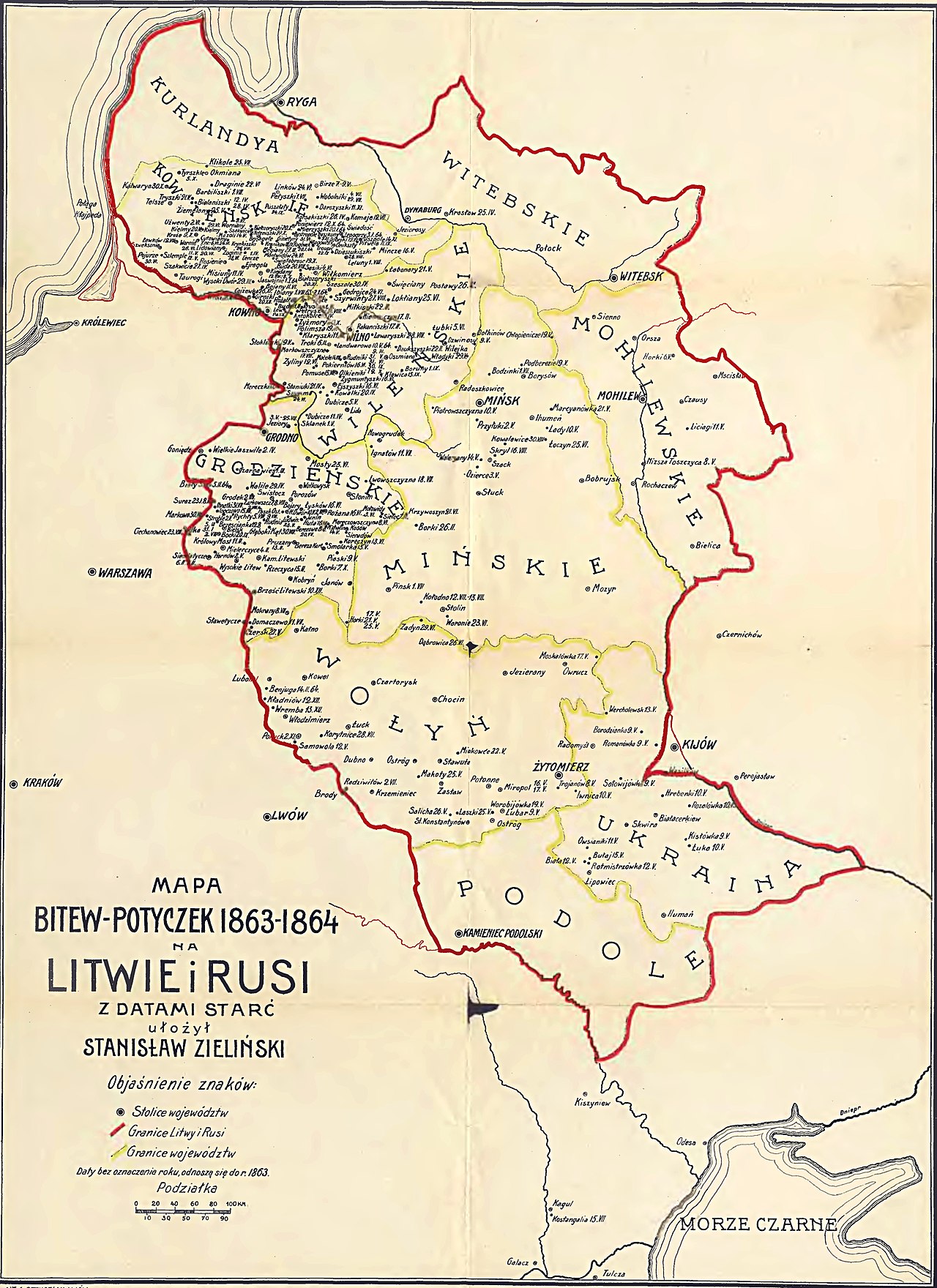
In the 19th century, a failed Polish insurrection against the Russian Empire had repercussions on Belarusian territories. The uprising led to increased Russification policies in the region, aiming to suppress any further unrest and assert Russian dominance. The failed insurrection fueled Russian fears of Polish nationalism spreading to other parts of the empire, prompting stricter measures to subdue dissent.
As a result, the Belarusian territories affected by the failed insurrection faced intensified Russification efforts, including restrictions on language, religion, and cultural practices. Russian authorities imposed measures to promote Russian language and culture while suppressing Belarusian identity and autonomy. This led to the marginalization of Belarusian language and culture in favor of Russian dominance.
The increased Russification policies had a lasting impact on the Belarusian people, shaping their cultural identity and historical trajectory. The suppression of Belarusian language and culture hindered the preservation and promotion of their heritage, leading to a struggle for cultural autonomy and recognition in the following years.
The aftermath of the failed Polish insurrection and the subsequent Russification policies underscored the complex historical dynamics in the region, highlighting the tensions between different ethnic and national identities. The events of that time continue to influence Belarusian society and politics, shaping discussions on language, culture, and national identity.
#Belarus #RussianEmpire #Russification #FailedInsurrection #CulturalIdentity
View details1830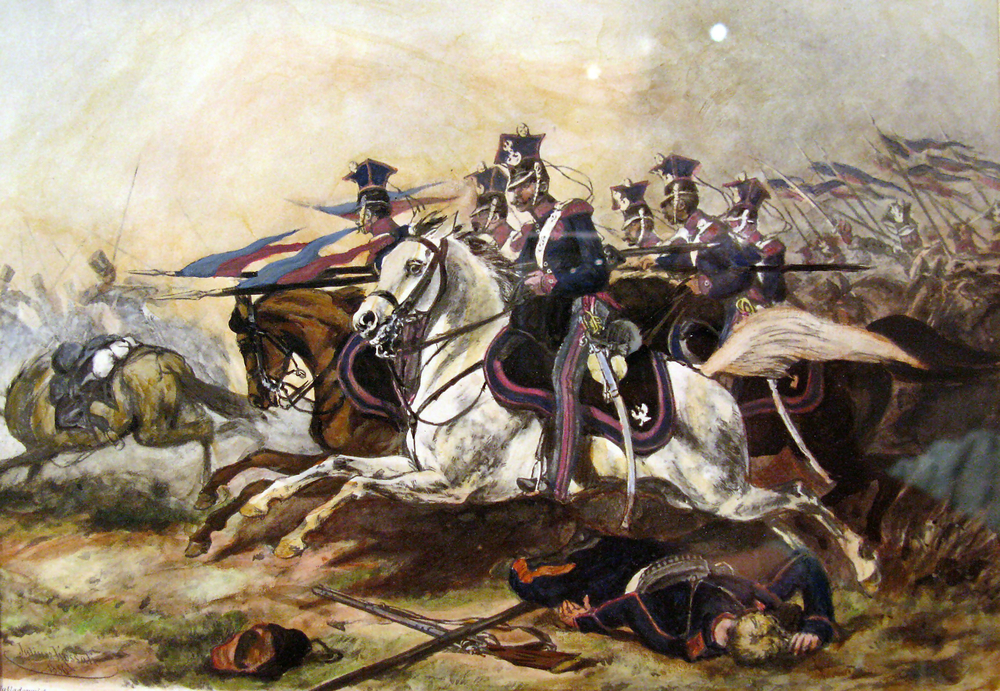
The November Uprising erupted in Belarus as a consequence of the ongoing Polish-Russian conflict. Fueled by nationalistic fervor and a desire for independence from Russian rule, the uprising was part of a broader movement across the Polish-Lithuanian Commonwealth. Belarus played a significant role in the uprising, with revolutionaries engaging in fierce battles against Russian forces in cities such as Minsk and Grodno.
The impact of the November Uprising in Belarus was profound, as it marked a pivotal moment in the region's struggle for autonomy. Despite facing superior Russian military might, Belarusian insurgents showcased remarkable resilience and determination in their fight for freedom. The uprising inspired a sense of national identity and solidarity among the Belarusian people, laying the foundation for future movements advocating for self-determination.
The November Uprising in Belarus highlighted the complex dynamics at play in the Polish-Russian conflict, with both sides vying for control over the region. The uprising also exposed the deep-seated tensions and grievances stemming from years of Russian domination and oppression in Belarus. While the uprising ultimately ended in defeat for the insurgents, its legacy endured as a symbol of resistance against foreign occupation and a catalyst for future rebellions.
#NovemberUprising #Belarus #PolishRussianConflict #NationalIdentity #Independence #Resilience
View details