Life cover image

Equatorial Guinea

verified-icon
The Pearl of Central Africa
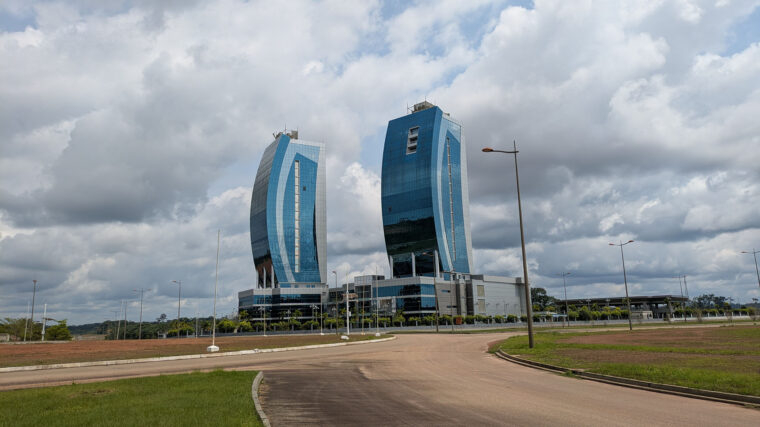
Nestled on the west coast of Central Africa, Equatorial Guinea s a small yet vibrant country that captivates with its rich culture, lush landscapes, and unique history. Comprising a mainland region, Río Muni, and several islands including the prominent Bioko Island and Annobón, it boasts incredible diversity in its geography and ecosystems. Its capital, Malabo, situated on Bioko Island, is a fascinating blend of colonial-era architecture and modern development, offering a glimpse into the country’s complex past and ambitious future. The pristine beaches, tropical rainforests, and volcanic landscapes provide visitors with endless opportunities for adventure and exploration. Equatorial Guinea is not only celebrated for its natural beauty but also its cultural heritage. The country is home to several ethnic groups, each contributing to its rich traditions, music, and cuisine. Despite being one of the smallest nations in Africa, it is among the continent's leading oil producers, which has driven significant economic growth in recent decades. However, beyond its economic potential, the heart of Equatorial Guinea lies in its vibrant festivals, such as the lively Bubi and Fang celebrations, which echo the spirit of its people. Equatorial Guinea is a Central African country with a unique geography-combining a mainland region with islands in the Gulf of Guinea-and a national story shaped by Atlantic-era trade, Spanish colonial rule, post-independence authoritarian governance, and oil-driven transformation. Despite its size, the country’s modern identity has been strongly influenced by language and cultural ties to the wider Hispanic world, alongside the challenges and opportunities of resource wealth. Precolonial Societies & Atlantic-Era Contact: Before European control, communities across the mainland and islands developed local governance, farming, fishing, and regional exchange networks. Over time, contact with Atlantic powers altered coastal trade and social patterns, drawing the region into wider commercial and political currents. These early interactions set the stage for later colonial boundaries and identities. Spanish Colonial Period & Cultural Imprints: Under Spanish rule, the territory’s administration, education, and religious institutions increasingly shaped public life, leaving Spanish as the dominant official language. Plantation agriculture and forced labor systems affected migration, land use, and demographics, particularly on the islands. Colonial-era structures also laid foundations for modern state institutions, even as local communities maintained distinct ethnic and linguistic traditions. Independence & Early State Formation: Equatorial Guinea gained independence in 1968, entering a turbulent period of political consolidation and economic disruption. Early governance struggles produced deep societal scars and significant emigration, reshaping the country’s human capital and civic life. The state’s central priorities became security, control of institutions, and rebuilding administrative capacity. Oil Era & Rapid Economic Change: From the 1990s onward, offshore oil development drove a dramatic rise in national revenues and visible infrastructure growth. Resource wealth brought new international partnerships and intensified debates about transparency, inequality, and how benefits are distributed across society. The economy became heavily dependent on hydrocarbons, making fiscal stability sensitive to global price shifts and production cycles. Contemporary Challenges & Regional Role: In recent years, Equatorial Guinea has worked to diversify beyond oil while managing social services, employment, and long-term development planning. Its diplomacy reflects a balancing act between regional African commitments and global relationships tied to energy and investment. Cultural life—rooted in Fang, Bubi, and other traditions, alongside Spanish-language media-continues to define how the country presents itself at home and abroad. #Equatorial Guinea #Equatorial Guinea Timeline MoofLife-Timeline #History #CentralAfrica #GulfOfGuinea #Nation #Politics #SpanishLanguage #Independence #OilEconomy #Culture
#EquatorialGuinea #EquatorialGuinea_Timeline #EquatorialGuinea_History #EquatorialGuinea_History_Timeline
Life Classification : Country
Life Id : EL1825624933793
Verified Name : equatorial-guinea
Life Type : Entity Life
Life Editor(s) : History Editorial Network (HEN)
Life Privacy : Public
Subscription : Elite
Created On: 2025-01-06 | Updated On: 2026-02-06
Related Lives

Luxembourg

The Gibraltar of the North

Albania

The Land of Eagles

Azerbaijan

The Land of Fire