Obiang's Controversial Re-Election and Its Implications for African Governance
Equatorial Guinea
Politics
African Studies
Elections
3 min read
Updated By: History Editorial Network (HEN)
Published:
Updated:
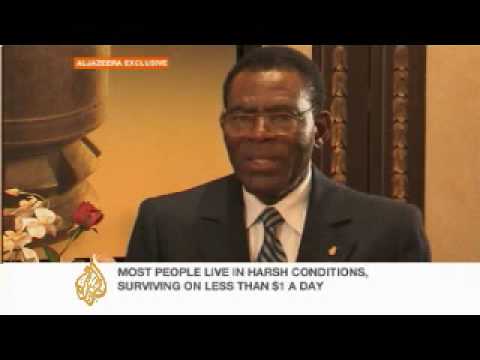
In 2009, Teodoro Obiang Nguema Mbasogo was re-elected as the President of Equatorial Guinea, marking another term in his long-standing rule since 1979. The election was characterized by the African Union's endorsement, which deemed the electoral process 'in line with electoral law'. This endorsement, however, has been met with skepticism by various international observers and human rights organizations, who have raised concerns about the fairness and transparency of the electoral process in the country. Following his re-election, Obiang continued to consolidate power by reappointing Ignacio Milam Tang as Prime Minister in 2010. This move was seen as a strategy to maintain stability within his administration and ensure loyalty among key government officials. Despite the official narrative of democratic processes, the political landscape in Equatorial Guinea remains heavily criticized for its lack of genuine democratic practices, including allegations of illegal detentions and suppression of dissent. The international community continues to monitor the situation closely, advocating for reforms that promote human rights and democratic governance in the region. #mooflife #mof #MomentOfLife #TeodoroObiang #EquatorialGuinea #2009Election #AfricanUnion #HumanRights

Explore the Life Moments of
 AI Twin