
Equatorial Guinea

The Pearl of Central Africa
Related Lives

Canadian Federal Election
Canada Decides
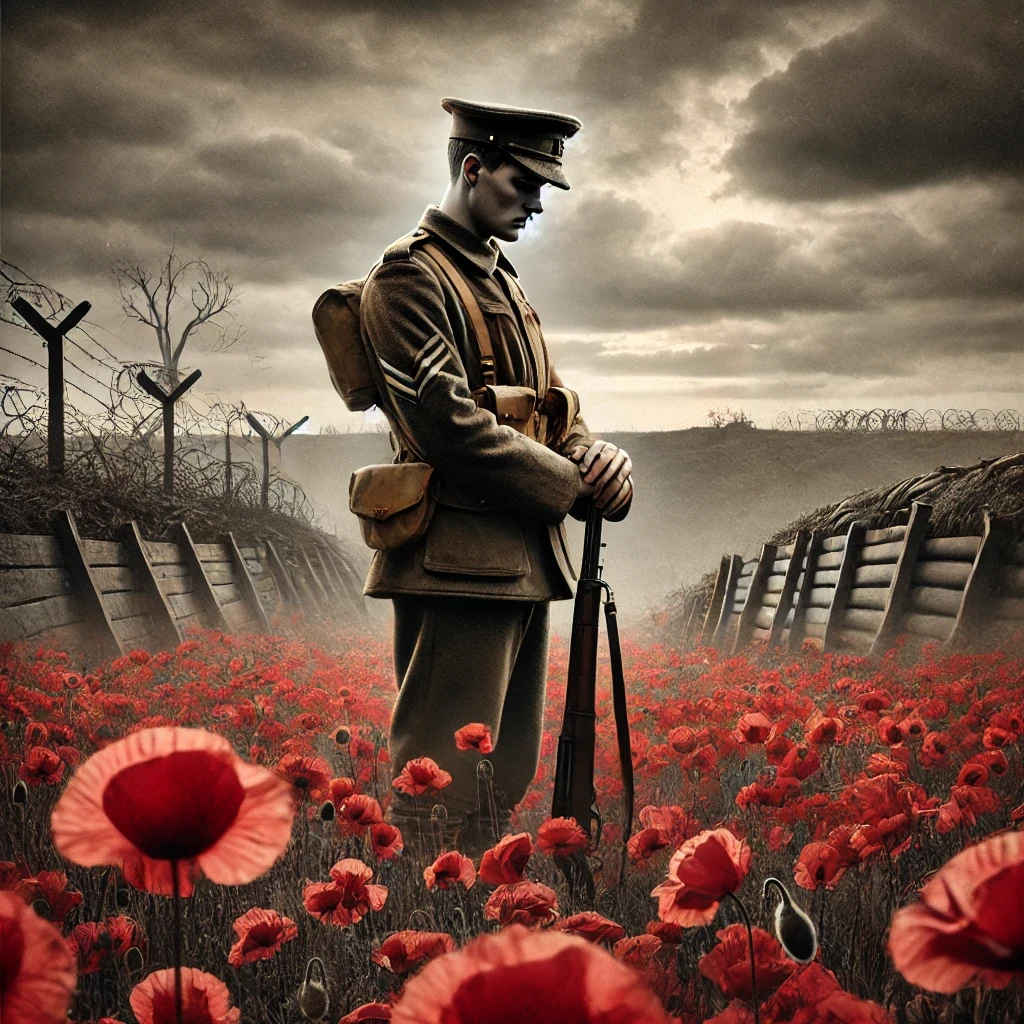
World War I
The Great War
Serbia
The Heart of the Balkans
Philippines
Pearl of the Orient Seas

United Kingdom
Great Britain
Slovakia
Heart of Europe
Kenya
The Cradle of Humankind
Bosnia and Herzegovina
The Land of Golden Lilies

1914
In 1914, a significant labor agreement was established between Spain and Liberia, aimed at importing cheap labor to support agricultural development on the island of Fernando Pó. This agreement was part of a broader trend following land regulations issued in 1904-1905, which favored Spanish nationals and led to an influx of Spanish planters. However, the initial promise of this labor arrangement was marred by serious malpractice. Reports of exploitation and poor working conditions for Liberian workers soon emerged, culminating in the Christy Report. This report detailed the dire circumstances faced by these workers and ultimately led to a public outcry. The revelations had profound political implications, resulting in the downfall of President Charles D. B. King in 1930. The termination of the labor treaty marked a pivotal moment in Liberia's labor relations and highlighted the need for better oversight and protection of workers' rights. This historical episode serves as a reminder of the complexities involved in labor agreements and the importance of ethical practices in international labor relations. #mooflife #mof #MomentOfLife #Liberia #LaborAgreement #FernandoPó #ChristyReport #CharlesD.B.King
View details1911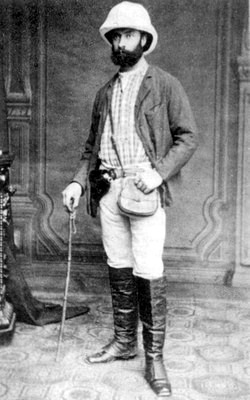
Manuel Iradier, a notable figure in the early 20th century, passed away in 1911, leaving behind a legacy that would be honored decades later. Despite his struggles and the despair that marked his final years, Iradier's contributions to the development of the region were significant. In recognition of his efforts, the port of Cogo was renamed Puerto Iradier, serving as a lasting tribute to his impact on the area. This renaming not only commemorates Iradier's work but also highlights the importance of maritime trade and infrastructure in the region's economic development. The port continues to play a vital role in facilitating commerce and connecting communities, ensuring that Iradier's legacy endures in the hearts and minds of those who benefit from his vision. The renaming of Puerto Iradier stands as a reminder of the influence one individual can have on a community, even in the face of personal challenges. Today, Puerto Iradier is not just a port; it is a symbol of resilience and recognition of the past, inspiring future generations to contribute positively to their communities. #mooflife #mof #MomentOfLife #ManuelIradier #PuertoIradier #Cogo #MaritimeHistory #EconomicDevelopment
View details1901
The early 20th century marked a significant turning point for Spain, particularly following the Treaty of Paris in 1900. This treaty resulted in a drastic reduction of Spanish territories, leaving Spain with only the small continental enclave of Río Muni, a mere 26,000 km² compared to the vast 300,000 km² it had initially claimed stretching to the Ubangi River. The negotiations leading to this treaty were fraught with humiliation for the Spanish, culminating in a profound sense of national disgrace. This atmosphere of despair was further exacerbated by the disastrous events in Cuba, which had already shaken the foundations of Spanish colonial power. In the wake of these events, Pedro Gover y Tovar, the head of the Spanish negotiating team, tragically took his own life on 21 October 1901 during the voyage home. His suicide symbolized the deep personal and national anguish felt by many in Spain at the time. The repercussions of these negotiations and the loss of Cuba continued to haunt Spanish officials, with figures like Iradier also succumbing to despair, ultimately passing away in 1911. The legacy of these events is still felt today, as evidenced by the renaming of the port of Cogo decades later, reflecting a shift in historical narrative and national identity. #mooflife #mof #MomentOfLife #PedroGoverYTovar #Franco-spanishNegotiations #TreatyOfParis1900 #SpanishColonialHistory #CubaDisaster
View details1870
By 1870, the living conditions for whites on the island of Fernando Pó significantly improved due to strategic recommendations for relocation to the highlands. This shift was crucial as it allowed for better health outcomes and increased survival rates among the European population. By 1884, the administrative framework and key plantations had largely transitioned to Basile, situated several hundred meters above sea level, further enhancing the prospects for those residing there. Notably, explorer Henry Morton Stanley famously referred to Fernando Pó as 'a jewel which Spain did not polish,' highlighting the missed opportunities for development and governance on the island. Despite these advancements, the experiences of individuals like Mary Kingsley, who visited the island during this period, revealed ongoing challenges and complexities in the region. Kingsley's observations provided a nuanced perspective on the interplay between colonial ambitions and the realities faced by both the indigenous population and European settlers. The improvements in prognosis for whites on the island marked a significant turning point in the colonial narrative of Fernando Pó, reflecting broader themes of adaptation and resilience in the face of environmental and social challenges. #mooflife #mof #MomentOfLife #FernandoPó #Highlands #ColonialHistory #EuropeanSettlers #MaryKingsley
View details1862
In 1862, the island experienced a devastating outbreak of yellow fever, which significantly impacted the population of white settlers. This epidemic resulted in the loss of many lives, highlighting the challenges faced by the colonial community in the region. Despite the dire circumstances, the resilience of private citizens led to the continued establishment of plantations throughout the latter half of the 19th century. The economic potential of the island, coupled with the agricultural opportunities it presented, motivated individuals to invest in plantation agriculture, even in the face of public health crises. This period marked a complex interplay between the struggles of colonial life and the relentless pursuit of economic development, as settlers sought to cultivate the land and establish a sustainable agricultural economy. The legacy of these efforts would shape the island's agricultural landscape for years to come, despite the ongoing threats posed by disease and inadequate investment from the Spanish government, which had regained control of the territory in 1844. The yellow fever outbreak serves as a poignant reminder of the health challenges that plagued colonial endeavors in tropical regions, influencing both demographic patterns and economic activities during this era. #mooflife #mof #MomentOfLife #YellowFever #1862Outbreak #ColonialHistory #PlantationEconomy #SpanishControl
View details1472
In 1472, the Portuguese explorer Fernando Pó made a significant contribution to the Age of Exploration by becoming the first European to sight the island of Bioko, located off the west coast of Africa. In his initial observations, he referred to the island as Formosa, meaning 'Beautiful' in Portuguese, due to its lush landscapes and favorable climate. However, the island soon became known as Fernando Pó, in honor of its discoverer. This marked a pivotal moment in European exploration, as it opened the door for further maritime expeditions and colonization efforts in the region. By 1474, both Bioko and the nearby island of Annobón were colonized by Portugal, highlighting the strategic importance of these islands in the quest for trade routes to India. The Portuguese recognized the islands' potential, particularly their volcanic soil, which was conducive to agriculture, and the disease-resistant highlands that offered a healthier environment for settlers. Around the year 1500, the first factories were established on these islands, facilitating trade and commerce. Despite the natural advantages presented by Bioko and Annobón, the islands faced challenges in their development and integration into the broader Portuguese colonial empire. The legacy of Fernando Pó's discovery remains significant, as it laid the groundwork for future exploration and the eventual establishment of European influence in Central Africa. #mooflife #mof #MomentOfLife #FernandoPó #BiokoIsland #PortugueseExploration #AgeOfExploration #ColonialHistory
View details