
Angola

Land of contrasts, from bustling cities to breatht...
About
#Angola
#Angola_Timeline
#Angola_history
#Angola_History_Timeline
Life Classification
Country
Life ID
EL4048363781820
Verified Name
Angola
Life Type
Entity Life
Life Privacy
Public
Subscription
Elite
Created On
2024-07-08
Updated On
2025-12-18
Connect
Related Lives
India
The Land of Diversity and Vibrant Culture.

Grenada
Spice Isle of the Caribbean

Taiwan
The Heart of Asia

Pakistan
Pakistan Zindabad
Prime Minister of the United Kingdom
The Head of Government

Switzerland
The Land of Precision and Timekeeping
Pakistan
Pakistan Zindabad

China
Land of Silk

2026
Angola inaugurated a memorial dedicated to victims of political conflicts on 14/10/2026, commemorating people affected by political violence between the country's independence from Portugal on 11/11/1975 and the end of its civil war in 2002. President João Lourenço presented the memorial as a place of remembrance and national reconciliation, recognising the suffering caused by decades of conflict and political divisions. The commemoration reflects Angola's efforts to acknowledge victims from different periods of its post-independence history.
Angola's civil war involved the ruling Popular Movement for the Liberation of Angola (MPLA) and the National Union for the Total Independence of Angola (UNITA), with earlier involvement by other armed movements and foreign powers. The conflict formally ended on 04/04/2002 following a ceasefire agreement. Under João Lourenço, Angola established a reconciliation initiative in 2019 to address political violence, including events following independence. The memorial forms part of the broader process of public remembrance and recognition of those affected by these conflicts.
View details2025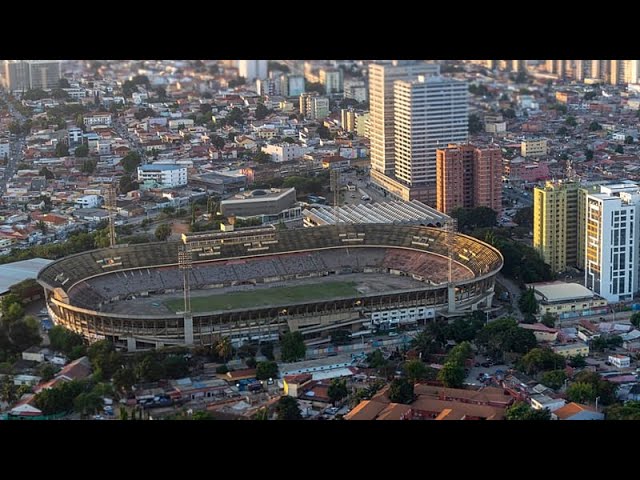
On November 11, 2025, Angola erupted in jubilation across Luanda's Praça da República, marking the 50th anniversary of its independence from Portugal, a hard-fought victory led by the People's Movement for the Liberation of Angola (MPLA) under António Agostinho Neto. President João Lourenço's stirring address hailed the end of five centuries of colonial plunder, racism, and repression, while calling for an "inclusive society" to forge ahead amid lingering challenges. The centerpiece unfolded with a massive flag-raising, the national anthem's resounding chorus, and medals honoring Neto's legacy, followed by vibrant civic parades blending traditional dances, semba rhythms, and military displays showcasing the Angolan Armed Forces' precision.
International dignitaries amplified the pomp: Oman's Foreign Minister Sayyid Badr Albusaidi, India's Minister of State Kirti Vardhan Singh—celebrating 40 years of bilateral ties—and Sahrawi leader Brahim Ghali, underscoring Angola's solidarity with Western Sahara's self-determination struggle against Morocco. A surreal highlight arrived with soccer icon Lionel Messi and Argentina's world champion team, set for an exhibition match at the 11 November Stadium, symbolizing global camaraderie. Year-long festivities, from nationwide cultural festivals to diaspora events, extend through December 2025, spotlighting strides in oil-driven infrastructure and education, yet they mask stark realities-over 50% of Angolans live below $3.65 daily, per World Bank data, fueling youth demands for economic equity.
As fireworks lit the night skies, Lourenço urged unity: "Peace is young; our future demands resolve." This golden jubilee, blending nostalgia with ambition, reaffirms Angola's resilience, poised to leverage its resources for a more equitable tomorrow in a multipolar Africa.
View details2022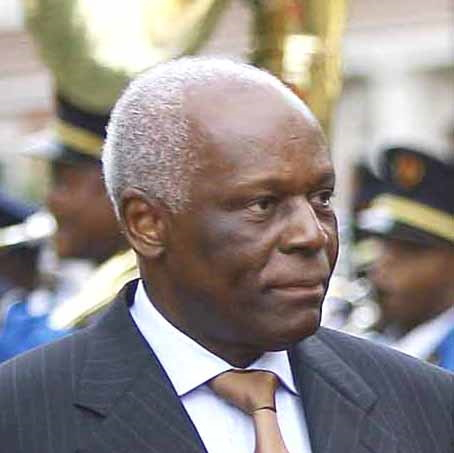
Jose Eduardo dos Santos, who led Angola for 38 years, passed away. He was a key figure in Angola's politics since 1979, steering the country through civil war and economic challenges. Dos Santos saw Angola through post-independence reconstruction and managed to maintain stability despite internal conflicts. His rule was marked by both progress and criticism for alleged corruption and authoritarianism, leading to increasing calls for reform as his health deteriorated.
Dos Santos' death signals a significant shift in Angola's political landscape, potentially opening the door to reforms and a new era of governance. It comes at a time when Angola faces economic diversification challenges and a need to address social inequalities. The impact of his passing is felt not only domestically but also regionally, as Dos Santos played a role in mediating conflicts in the Southern African region.
As Angola mourns the loss of its longtime leader, the nation stands at a crossroads, with uncertainties and possibilities for change. Dos Santos' legacy leaves a complicated imprint on Angola's history, shaping its present and future trajectory. The coming days will reveal the direction Angola takes without Dos Santos at the helm.
#Angola #JoseEduardodosSantos #Legacy #PoliticalTransition #Reform #Africa
View detailsAngola officially joined the Extractive Industries Transparency Initiative (EITI), aimed at fostering transparency and accountability in its oil and mining industries. The move comes after years of effort to combat corruption and promote effective resource governance.
The EITI membership will require Angola to disclose payments and revenues from its extractive sector, ensuring that the country's natural resources are managed responsibly for the benefit of its citizens. This step is expected to enhance the trust of investors, improve the business environment, and ultimately boost economic growth.
By committing to the EITI principles, Angola sets a positive example for other resource-rich nations seeking to strengthen governance and reduce corruption risks in the extractive industries. This milestone enhances Angola's reputation as a country striving for openness and good governance.
The inclusion of Angola in the EITI marks a significant step towards transparency and accountability in the management of its extractive resources, reinforcing the country's dedication to sustainable development and responsible resource management. #Angola #EITI #Transparency #NaturalResources #Accountability
View details
2011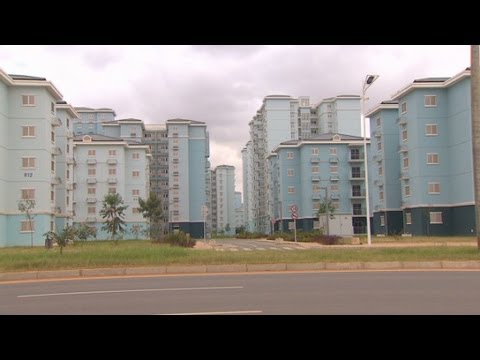
The Inauguration of the Kilamba Kiaxi housing project in Angola marked a milestone in the country's efforts to provide affordable housing to its citizens. The project, one of the largest of its kind in the nation, aimed to address the housing shortage and improve living conditions for thousands of families.
The Kilamba Kiaxi housing project was initiated to create over 7,000 residential units, accommodating approximately 20,000 people. The development featured modern infrastructure, including schools, healthcare facilities, and recreational areas, enhancing the overall quality of life for residents. The project's completion not only eased the housing burden but also stimulated economic growth by creating jobs and boosting local businesses.
The housing inauguration event showcased the government's commitment to tackling housing challenges and promoting sustainable urban development. It highlighted the importance of investing in infrastructure to enhance societal well-being and foster community development.
The Kilamba Kiaxi housing project's inauguration symbolized progress towards achieving social equity and improving living standards for Angolan citizens. It reflected a step towards a more inclusive and prosperous future for the country as a whole. #Angola #HousingDevelopment #Infrastructure #CommunityDevelopment
View details2002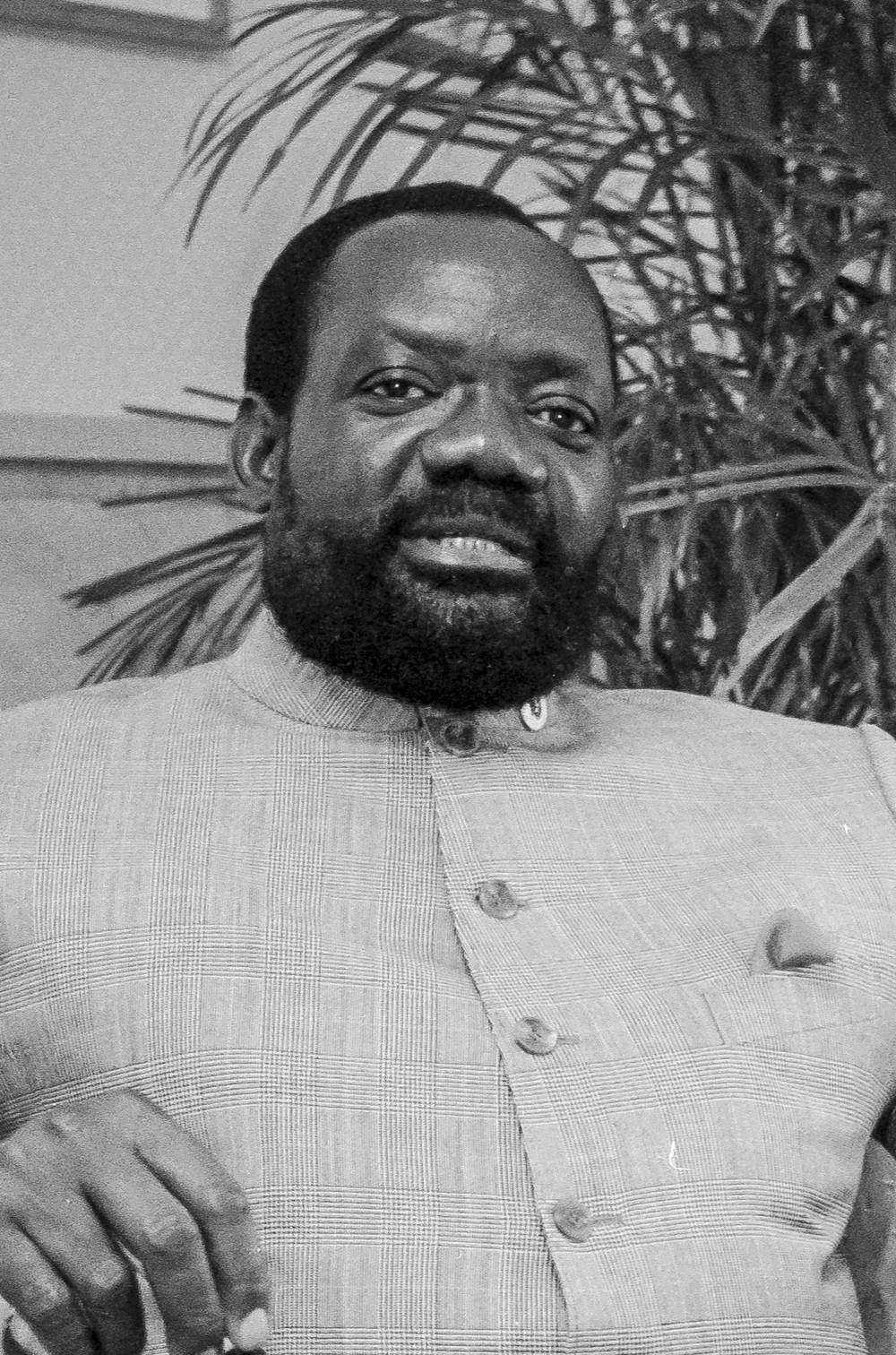
Jonas Savimbi, the notorious leader of the UNITA rebels, met his demise in combat. This marked a turning point in the Angolan civil war, which had ravaged the country for decades. Savimbi, known for his ruthless tactics and fierce determination, had led UNITA in opposition to the ruling MPLA government.
His death shifted the dynamics of the conflict, leading to a peace agreement between the warring factions. The end of Savimbi meant the end of an era of violence and instability in Angola. The peace agreement paved the way for a more stable political environment and set the stage for reconstruction and development in the country.
Savimbi's death was a crucial moment in Angola's history, marking the beginning of a new chapter for the nation. It brought hope for a peaceful and prosperous future for the Angolan people after years of bloodshed and turmoil.
#JonasSavimbi #UNITA #AngolaCivilWar #PeaceAgreement #Reconstruction
View details1998
The Battle of Kitona was a pivotal engagement during the Angolan War of Independence. Portuguese forces clashed with insurgents from the People's Movement for the Liberation of Angola (MPLA) in the small town of Kitona. The MPLA fighters, led by Commander Amilcar Cabral, strategically ambushed the Portuguese troops, causing heavy casualties and capturing essential supplies.
This significant battle shifted the momentum in favor of the MPLA, increasing their credibility and support among the Angolan population. The resounding victory at Kitona boosted morale among MPLA fighters and bolstered their determination to continue the fight for independence.
The aftermath of the Battle of Kitona marked a turning point in the Angolan War of Independence, leading to increased international attention and support for the MPLA's cause. The Portuguese forces suffered a significant blow, weakening their hold on the region and hastening the eventual independence of Angola.
#AngolanWarofIndependence #MPLA #BattleofKitona #PortugueseForces #IndependenceFighters
View details1988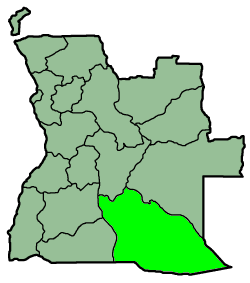
Amid regional conflicts, the Signing of the New York Accords marked a pivotal moment when Cuba agreed to withdraw its troops from Angola, a move tied to the end of the Cold War dynamics. The agreement, mediated by the United States and the Soviet Union, involved Angola's independence and Cuba's military involvement in the country. The withdrawal of Cuban troops, which had been supporting the Angolan government against anti-government forces, signified a shift in the power dynamics in the region.
The Accords not only brought an end to decades of Cuban military presence in Angola but also eased tensions between the superpowers, opening up possibilities for peace and stability in the region. The agreement had a lasting impact on the political landscape of Angola and contributed to the eventual peace process and reconstruction efforts in the country.
Overall, the New York Accords and the subsequent withdrawal of Cuban troops from Angola exemplified a significant diplomatic achievement that reshaped the geopolitical landscape in Southern Africa. The event highlighted the importance of international cooperation in resolving conflicts and paving the way for peace and stability in the region. #Angola #Cuba #Diplomacy #Peacebuilding.
View details1984
The South African Defence Force (SADF) conducted a series of raids into Southern Angola. The SADF targeted SWAPO guerrilla bases, claiming they were launching attacks into Namibia. The operation was part of the larger regional conflict involving South Africa, Angola, and Namibia.
The raids resulted in significant damage to SWAPO infrastructure and casualties among guerrilla fighters. They also sparked international condemnation and raised tensions in the region. Angola lodged formal complaints with the United Nations, accusing South Africa of violating its sovereignty.
The SADF raids into Southern Angola had lasting consequences, deepening the conflict in the region and escalating the violence. The incident underscored the volatile nature of the situation and the complex web of alliances and enmities at play.
#SADF #Angola #SWAPO #RegionalConflict #Violence
View details1976
Angola gained admission to the United Nations, marking a significant step in its international recognition. The country had achieved independence from Portuguese colonial rule in 1975 after a prolonged struggle. The UN admission signified global acknowledgment of Angola's sovereignty and paved the way for diplomatic relations with other nations.
This milestone came amidst a backdrop of civil unrest and political challenges within Angola. Competing factions vied for control, leading to a protracted and devastating civil war. The UN admission provided a platform for dialogue and mediation to address internal conflicts and foster stability.
Internationally, Angola's entry into the UN broadened its engagement with the global community. It opened avenues for economic partnerships, humanitarian aid, and participation in international forums. The UN platform also enabled Angola to address pressing issues such as development, human rights, and peacekeeping.
The admission of Angola to the UN exemplified the country's emergence on the world stage and its aspirations for stability, progress, and cooperation.
#AngolaUNAdmission #InternationalRecognition #DiplomaticMilestone
View details1975
Following centuries of Portuguese colonization, Angola declared its independence in November 11, 1975. The rise of nationalist movements, such as the Popular Movement for the Liberation of Angola (MPLA), led to a struggle for self-governance. Conflicts ensued between various factions, including the MPLA, the National Front for the Liberation of Angola (FNLA), and the National Union for the Total Independence of Angola (UNITA), backed by external powers.
The Declaration of Independence marked the end of Portuguese rule but initiated a civil war due to conflicting visions for the country's future. This period was marred by violence and instability, with international involvement exacerbating the situation. The shifting alliances and power struggles further complicated the political landscape.
The aftermath of the Declaration of Independence had lasting consequences for Angola's development and stability. The legacy of the civil war continued to impact the nation for years, hampering economic growth and social progress. Despite the challenges, Angola's independence marked a significant turning point in its history, shaping its identity and trajectory as a sovereign nation.
#AngolaIndependence #NationalistMovements #CivilWarLegacy
View detailsAgostinho Neto became the first President of Angola after the country gained independence from Portugal. Neto, a poet and politician, played a crucial role in the fight for Angolan independence, leading the Popular Movement for the Liberation of Angola (MPLA).
Under his leadership, Angola transitioned from a colony to a sovereign nation, marking a significant turning point in its history. Neto's presidency was marked by efforts to rebuild the war-torn country, establish a national identity, and promote unity among the diverse ethnic groups within Angola.
Despite facing challenges such as civil war, economic instability, and external pressures, Neto worked to solidify Angola as an independent and self-determined nation on the global stage. His influence extended beyond Angola, shaping the trajectory of other African nations in their struggles against colonialism and imperialism.
Neto's presidency laid the foundation for Angola's political landscape, setting the tone for subsequent leaders and shaping the country's journey towards stability and development. His legacy endures in the hearts of Angolans as a symbol of their hard-won freedom and aspirations for a better future.
#AgostinhoNeto #AngolanIndependence #MPLA #AfricanLeadership
View details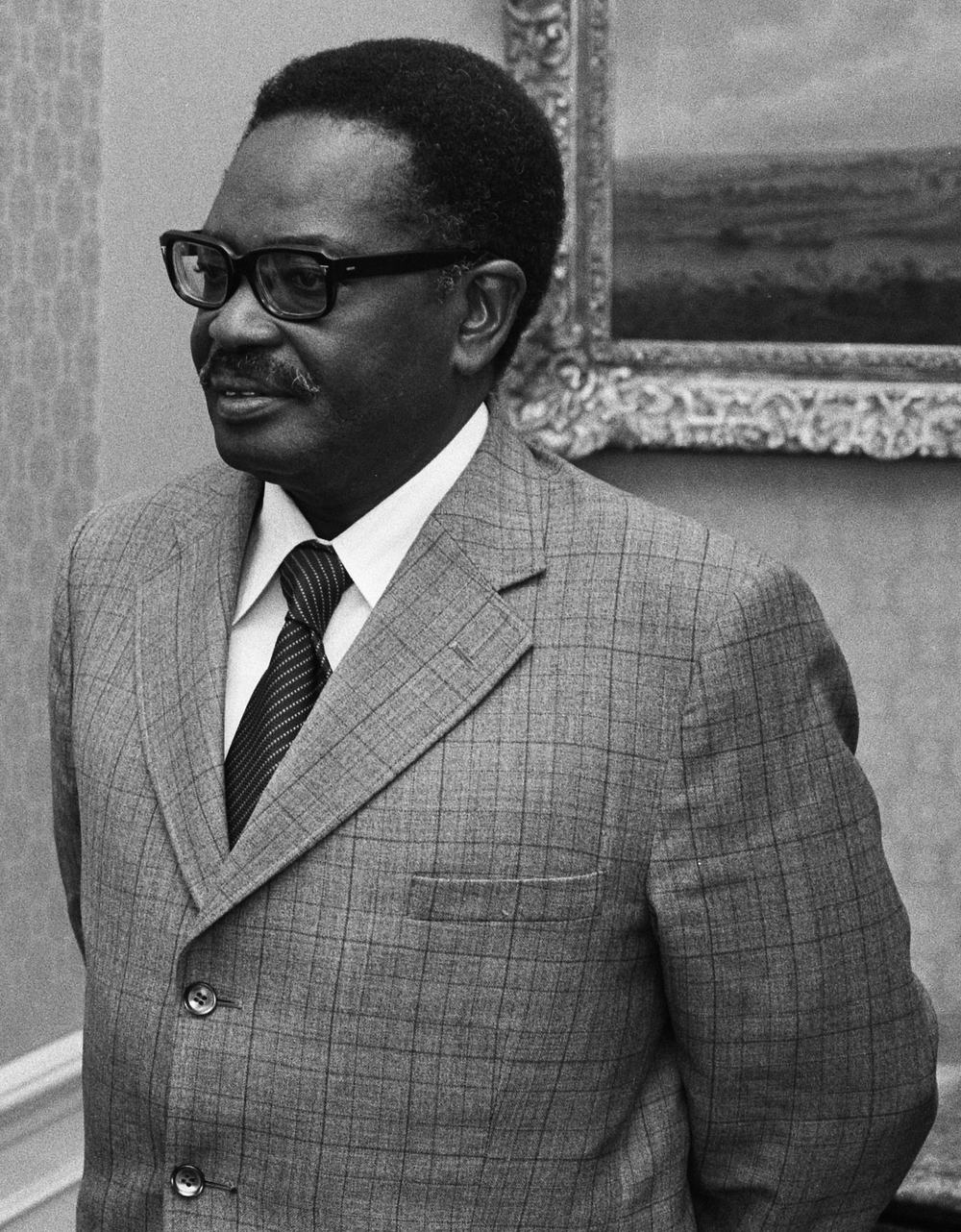
In the mid-1970s, a civil war erupted in Angola among the Popular Movement for the Liberation of Angola (MPLA), National Union for the Total Independence of Angola (UNITA), and National Front for the Liberation of Angola (FNLA). The conflict stemmed from power struggles following the country's independence from Portuguese colonial rule.
The MPLA, with its Marxist ideology and strong Soviet backing, controlled the capital Luanda. On the other hand, UNITA and FNLA, receiving support from the United States and South Africa, fought for dominance. The civil war quickly escalated into a brutal conflict, with all sides committing human rights abuses.
The war caused immense suffering for the Angolan people, leading to widespread displacement, famine, and economic devastation. The involvement of external powers further complicated the situation, turning Angola into a battleground for the Cold War rivalries between the United States and the Soviet Union.
The conflict lasted for years, resulting in a significant loss of life and hindering the country's development. The impact of the civil war in Angola continues to be felt to this day, with deep-rooted social and economic challenges facing the nation as it strives for stability and prosperity.
#Angola #CivilWar #MPLA #UNITA #FNLA #ColdWar #Independence
View details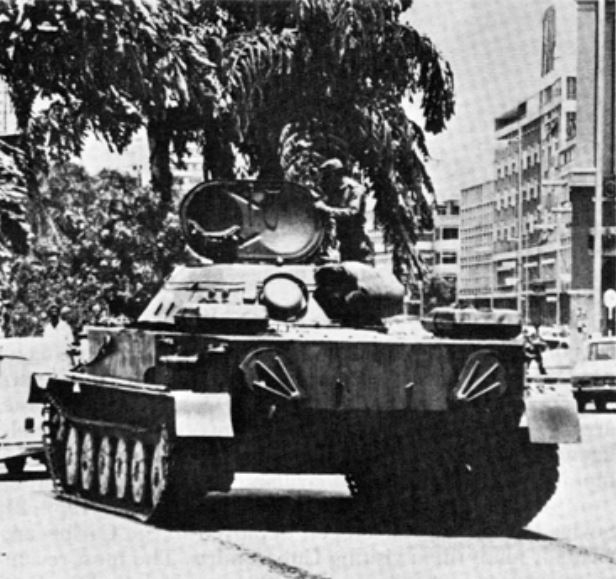
The Battle of Quifangondo, where Portuguese forces clashed with the Kingdom of Kongo, marked a significant turning point in the struggle for Angola's independence. The conflict arose from the long-standing tensions between the Portuguese colonizers and the Kongolese people fighting for self-governance.
The battle resulted in heavy casualties on both sides, with the Kongolese fighters displaying remarkable resilience and determination. Despite facing a technologically superior enemy, they fiercely defended their lands and heritage.
The outcome of the Battle of Quifangondo had far-reaching consequences, galvanizing the Angolan independence movement and hastening the end of Portuguese colonial rule in the region. It symbolized the unwavering spirit of resistance against oppression and set the stage for the eventual liberation of Angola.
This historic event continues to inspire generations of Angolans to uphold their sovereignty and preserve their cultural identity. The courage and sacrifice displayed by the Kongolese fighters serve as a reminder of the price of freedom and the enduring legacy of the battle for independence.
#BattleOfQuifangondo #AngolanIndependence #KongoleseResistance #PortugueseColonization
View details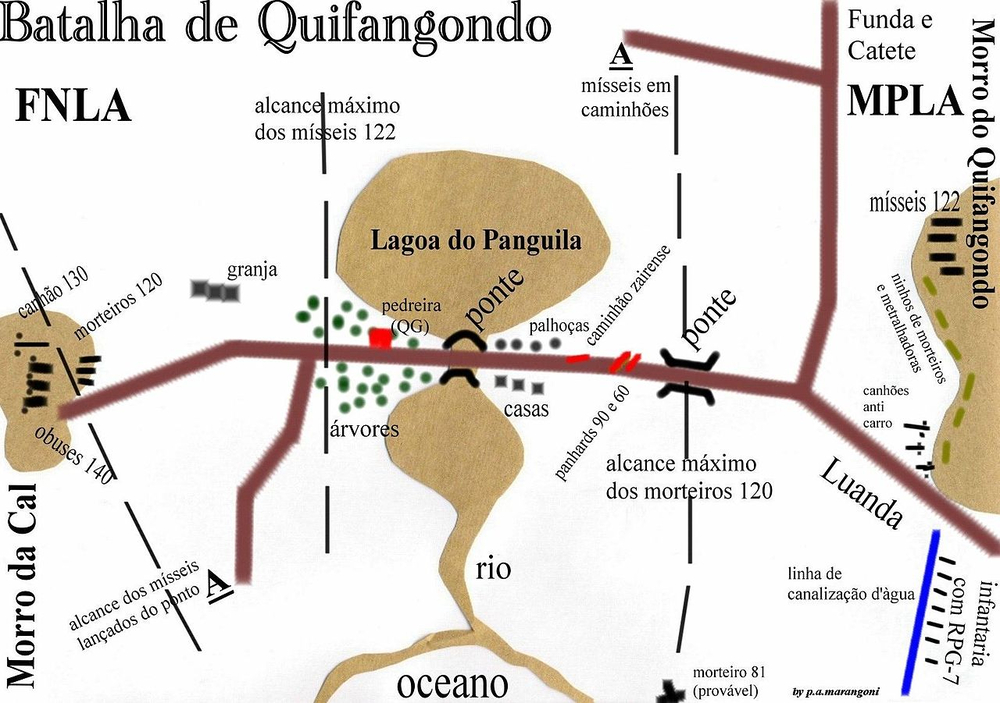
Amidst the power struggle in Angola following its independence from Portugal, the Cuban military intervened to support the MPLA against rival groups. The intervention was part of the Cold War dynamics with the U.S. and South Africa backing the opposition.
Cuba's involvement significantly bolstered the MPLA's position in the conflict, leading to their eventual victory and consolidation of power in Angola. Cuban forces provided crucial military support, including troops, weapons, and training, which played a pivotal role in securing the MPLA's hold on the government.
The Cuban military intervention in Angola to support the MPLA had a lasting impact on the region, contributing to the stability of the MPLA government and influencing the political landscape in Southern Africa. The intervention also solidified Cuba's reputation as a supporter of anti-colonial and revolutionary movements across the globe.
This event underscored the complex web of Cold War rivalries that shaped conflicts in post-colonial Africa and highlighted Cuba's willingness to project its influence beyond the Caribbean. The Cuban military intervention in Angola to support the MPLA remains a landmark moment in the history of both countries, with enduring implications for regional politics. #CubanIntervention #MPLA #AngolaConflict.
View details1962
Portugal faced censure at the UN General Assembly over its colonial rule in Angola. The condemnation came as a response to Portugal's violent suppression of Angolan independence movements. The UN resolution called on Portugal to grant Angola independence and end its military operations in the region.
The censure highlighted the growing international pressure on Portugal to decolonize its African territories. It also underscored the shift in global attitudes towards colonialism, with many countries advocating for self-determination and sovereignty for colonized nations.
The event marked a significant moment in the history of Angola's struggle for independence and heightened awareness of the injustices inflicted on the Angolan people. The censure served as a diplomatic blow to Portugal and a moral victory for the Angolan independence movement.
#Portugal #Angola #UN #Decolonization #Independence #Colonialism #Censure #Diplomacy
View details1956
The People's Movement for the Liberation of Angola (MPLA) was formed to combat colonial rule. The MPLA emerged as a response to oppressive Portuguese colonial policies in Angola, advocating for independence and equal rights for Angolans. Founded by a group of Angolan intellectuals, including Agostinho Neto, MPLA quickly gained support from various sectors of Angolan society.
The MPLA's formation marked a pivotal moment in Angola's fight for independence, sparking a wave of anti-colonial resistance across the country. The movement utilized a combination of political activism, armed struggle, and diplomacy to advance its goals. MPLA's efforts eventually contributed to the outbreak of the Angolan War of Independence in 1961, further intensifying the fight against colonial rule.
The MPLA's commitment to independence and self-determination resonated with Angolans, inspiring many to join the movement and support its cause. The organization's dedication to social justice and liberation attracted widespread international solidarity, bolstering its position on the global stage.
Today, the MPLA's legacy endures in Angola's history, remembered as a driving force in the country's journey to independence and self-governance. #MPLA #AngolaIndependence #ColonialResistance
View details1955
The Angolan Communist Party was founded, marking a significant development in the Angolan nationalist movement. Emerging amidst a period of growing anti-colonial sentiment and political upheaval, the party played a pivotal role in shaping the country's trajectory towards independence.
The party's formation was a response to decades of Portuguese colonial rule in Angola and the desire for self-determination among the Angolan people. It provided a platform for nationalist activists and intellectuals to mobilize against colonial oppression and advocate for independence.
The Angolan Communist Party's influence extended beyond its role in the struggle for independence. It also played a key part in shaping the political landscape of post-independence Angola, contributing to the formation of the country's political institutions and ideologies.
The founding of the Angolan Communist Party was a turning point in the history of Angola, signaling the growing momentum of the nationalist movement and setting the stage for the country's eventual independence. Its legacy continues to resonate in contemporary Angolan politics, serving as a reminder of the enduring struggle for freedom and self-determination.
#Angola #NationalistMovement #Independence #CommunistParty
View details1919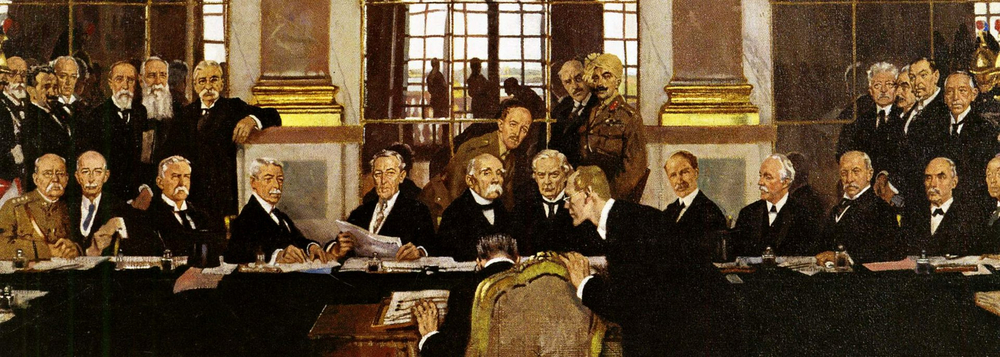
Following the end of World War I, the Treaty of Versailles awarded Germany's African colonies, including German Southwest Africa {Namibia} adjoining Angola, to various Allied powers as mandates. This decision was part of the treaty's provisions to strip Germany of its overseas territories as punishment for its involvement in the war. The mandate system was established by the League of Nations, giving the Allied powers control over these territories to administer them until they were deemed ready for self-governance.
The transfer of German Southwest Africa to various Allied powers had a significant impact on the region, affecting the local populations and shaping the future direction of these territories. The new administering powers implemented different policies and approaches in the territories they controlled, leading to varied outcomes for the people living there.
This event marked a turning point in the colonial history of Africa, as it reshuffled territories among European powers and introduced new administration structures in the region. The legacy of these mandates would have lasting effects on the political, social, and economic development of the territories involved.
#TreatyofVersailles #GermanColonies #Mandates #Colonialism #Angola
View details1911
The establishment of the forced labor {colonato} system in Angola marked a significant shift in the country's labor practices. It was introduced to meet the growing demand for labor in various industries, leading to widespread exploitation of Angolan workers. Under this system, laborers were coerced and often violently forced to work on plantations and mines under harsh conditions.
The impact of the forced labor system was devastating for the Angolan population. Many workers faced abuse, inadequate living conditions, and little to no pay for their labor. This exploitation had a profound effect on the social and economic fabric of Angola, as families were separated, communities disrupted, and traditional livelihoods undermined.
The colonato system in Angola perpetuated a cycle of poverty and dependency among the local population, with little opportunity for upward mobility or personal autonomy. The legacy of this exploitative system continues to shape the socio-economic landscape of Angola to this day.
#ForcedLabor #Exploitation #Angola
View details1903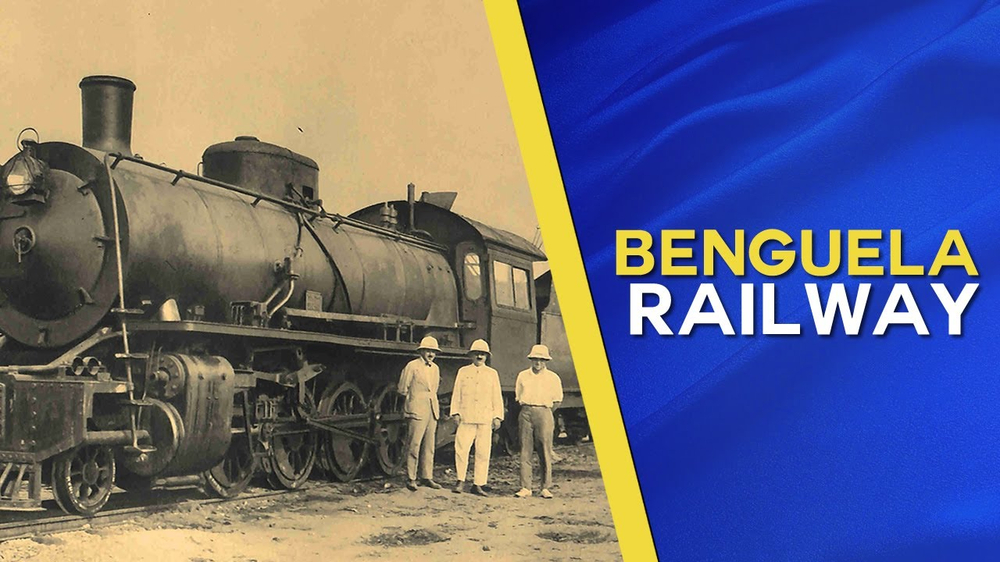
The construction of the Benguela railway aimed to connect the coastal city of Benguela with the resource-rich interior regions of Angola. The project was initiated to facilitate the transportation of goods, particularly minerals and agricultural products, to the port for export. This infrastructure endeavor was motivated by the economic potential of accessing the landlocked territories through an efficient transportation system.
The railway construction posed various challenges, including rugged terrain and harsh climatic conditions. Nevertheless, the project persevered, leading to the eventual completion of the railway line. Upon its inauguration, the Benguela railway significantly improved the connectivity and accessibility of the interior regions, fostering economic growth and development in Angola. The transportation of goods became more streamlined, boosting trade activities and benefiting the local communities along the route.
Overall, the construction of the Benguela railway was a pivotal undertaking that transformed the economic landscape of Angola by enhancing transportation infrastructure and opening up new opportunities for commerce and industrial development. This ambitious project contributed to the integration of the coastal and inland regions, promoting trade and economic prosperity.#BenguelaRailway #AngolaInfrastructure #EconomicDevelopment
View details1902
Portuguese forces clashed with the Ovimbundu people in the Benguela region, solidifying their dominance in the area. The Portuguese aimed to expand their colonial control over Angola, facing resistance from the Ovimbundu. The conflict culminated in a decisive victory for the Portuguese, further entrenching their authority in the region.
The outcome of the battle had lasting repercussions on the Ovimbundu people, as their autonomy was curtailed, and they were subjugated under Portuguese rule. The defeat marked a turning point in the power dynamics of the region, with the Portuguese asserting their military might and strengthening their grip on the Benguela area.
The event underscored the violent imposition of colonial power on indigenous populations in Africa, highlighting the struggles faced by local communities against European expansionism. It exemplified the harsh realities of colonial conquest and its profound impact on the social and political fabric of the region.
#PortugueseColonization #OvimbunduResistance #BenguelaRegion #ColonialConflict #AngolanHistory
View details1836
Portuguese authorities ended slavery in Angola after years of exploitation and forced labor. The decision came as a response to growing international pressure against the inhumane practice. The end of slavery brought a significant shift in Angola's social and economic landscape, with newly freed individuals seeking opportunities for autonomy and better livelihoods.
The declaration marked the beginning of a new era for the Angolan people, as they could now pursue their own paths without being subjected to enslavement. Many former slaves chose to remain in the areas where they had worked, while others ventured out to explore new opportunities. The end of slavery also led to the breakdown of traditional power structures based on exploitation and control.
Despite the official declaration, the road to true freedom was long and challenging for many Angolans. They faced economic hardships and social discrimination as they sought to integrate into society as free individuals. However, the end of slavery laid the foundation for movements towards equality, justice, and empowerment for the people of Angola.
#Angola #EndOfSlavery #Freedom #SocialJustice
View details1665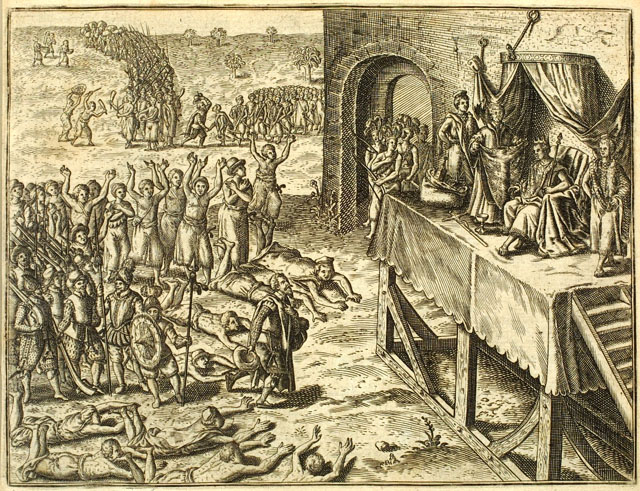
In the 17th century, Portuguese forces encountered the Kingdom of Kongo in a pivotal battle. The Kingdom of Kongo, a powerful African state in present-day Angola, had been a key trading partner with the Portuguese for centuries. However, tensions rose as the Portuguese sought to expand their influence and control over the region.
The battle between the Portuguese and the Kingdom of Kongo resulted in a decisive victory for the former. This outcome not only solidified Portuguese dominance in the area but also marked the beginning of a period of significant political and economic changes for the Kingdom of Kongo.
Following their defeat, the Kingdom of Kongo experienced a decline in power and influence as the Portuguese strengthened their hold over the region. The once-thriving kingdom faced internal unrest and external pressures, leading to a gradual loss of autonomy and authority.
The consequences of this battle reverberated throughout the region, reshaping the balance of power and setting the stage for further European colonial expansion in Africa. The defeat of the Kingdom of Kongo by Portuguese forces marked a turning point in the history of Angola, signaling the start of a new chapter defined by colonial rule and exploitation.
#PortugueseExpansion #KingdomofKongo #Colonialism #AfricanHistory
View details1641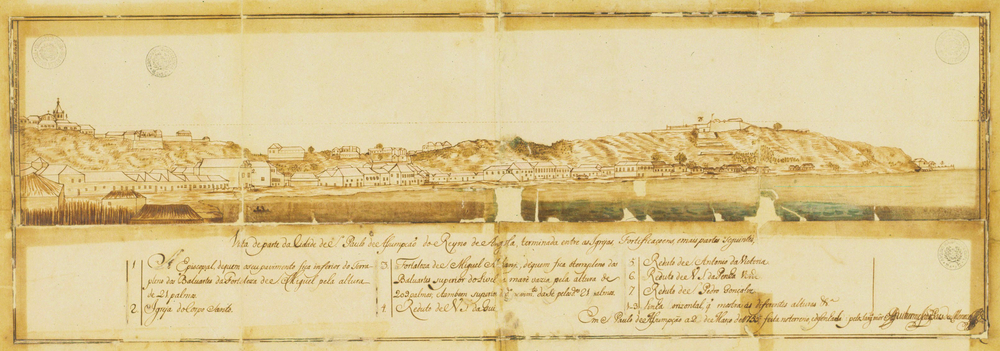
In the 17th century, the Dutch army initiated an invasion of Luanda, a pivotal city in the Portuguese colony of Angola. The Dutch sought to gain control of Luanda due to its strategic location for trade and access to enslaved people. Facing minimal resistance, the Dutch forces swiftly took over the city, establishing their dominance in the region.
The Dutch invasion of Luanda had a profound impact on the Portuguese control in Angola and the transatlantic slave trade. With Luanda under Dutch rule, the Portuguese faced significant disruptions to their trade routes and suffered economic setbacks. Additionally, the Dutch presence in Luanda further fueled the demand for enslaved Africans, leading to an increase in the transatlantic slave trade in the region.
This event marked a significant turning point in the history of Angola, showcasing the power struggles between European colonial forces vying for control over African territories. The Dutch invasion of Luanda reshaped the political landscape in the region and had lasting implications for the local population.
#DutchInvasion #Luanda #AngolaHistory #ColonialConflict #TransatlanticSlaveTrade
View details1626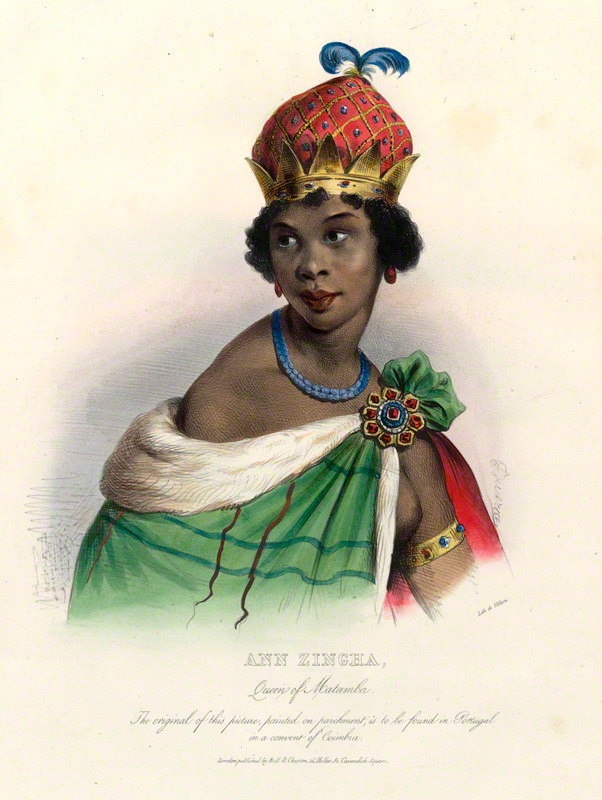
In 1626, Queen Nzinga of the Mbundu people led a rebellion against Portuguese colonial rule at Bailundo, Angola. The Mbundu people had long sought to resist the Portuguese presence in the region, as they aimed to maintain their independence and sovereignty.
Queen Nzinga's uprising at Bailundo marked a significant turning point in the resistance against colonial oppression in Angola. Her leadership inspired many to join the fight for freedom and sparked a sense of unity among the local communities.
The rebellion at Bailundo sent shockwaves through the Portuguese colonial administration, showcasing the strength and determination of the Angolan people in their struggle for liberation. Queen Nzinga's defiance and strategic prowess made her a symbol of resistance and resilience in the face of foreign domination.
The events at Bailundo highlighted the fierce resistance of the Mbundu people against the Portuguese colonizers and laid the groundwork for future rebellions and uprisings in Angola's quest for independence. Queen Nzinga's legacy as a fearless leader and freedom fighter continues to inspire generations to stand up against oppression and injustice.
#QueenNzinga #AngolaIndependence #ColonialResistance #BailundoUprising
View details1617
The beginning of Portuguese colonization in Benguela marked the establishment of a strategic foothold in the region by the Portuguese Empire. Benguela, located in present-day Angola, offered access to the lucrative trade routes in the Atlantic and Indian Oceans. The Portuguese sought to exploit the area's resources, particularly slaves, gold, and ivory. This colonization also aimed to spread Christianity and increase Portuguese influence in the region.
The impact of the Portuguese colonization in Benguela was significant. It led to the displacement and exploitation of the local population, as the Portuguese engaged in the slave trade and imposed their culture and language on the region. Portuguese forts and trading posts were established, solidifying their control over Benguela and surrounding areas. This colonization also had long-lasting effects on the social, economic, and political structures of the region.
The arrival of the Portuguese in Benguela marked a pivotal moment in the history of Angola, shaping its trajectory for centuries to come. The legacy of Portuguese colonization is still evident in the language, religion, and customs of the Angolan people today. The impact of this event continues to be felt, highlighting the complex history of colonization and its lasting repercussions.
#PortugueseColonization #Benguela #AngolanHistory #ImpactOfColonization
View details1576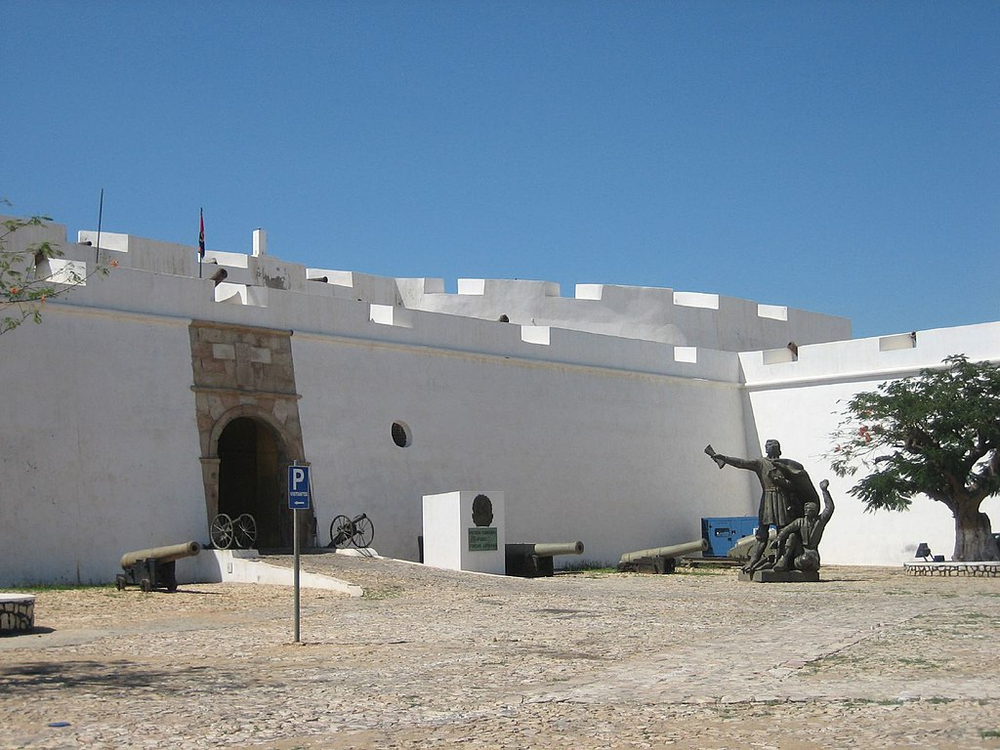
The construction of Fortaleza de São Miguel in Luanda marked a pivotal development in the history of Angola. It was built by Portuguese colonizers to establish control over the region and facilitate trade in slaves, ivory, and other resources. The fort played a crucial role in the slave trade, serving as a base for the transportation of enslaved Africans to the Americas.
The presence of Fortaleza de São Miguel had a lasting impact on the local population, bringing about cultural exchanges and conflicts between the Portuguese and the indigenous peoples of Angola. The fort also played a significant role in shaping the urban development of Luanda, becoming a central point in the city's layout.
Today, Fortaleza de São Miguel stands as a reminder of Angola's colonial past and serves as a historical site for visitors and locals to learn about the complexities of the country's history. It stands as a symbol of resilience and a testament to Angola's rich heritage.
#FortalezaDeSãoMiguel #Luanda #ColonialHistory #AngolaHeritage
View detailsPortuguese colonization efforts extended to Angola, with the establishment of a colony at Luanda. The Portuguese aimed to exploit the region's resources, particularly slaves for the transatlantic trade. Luanda's strategic location made it a key point in the Portuguese colonial empire, serving as a hub for trade and administration in the region. Portuguese control over Luanda had lasting impacts on the local population and culture, leading to the introduction of European customs and the forced assimilation of the indigenous people.
The establishment of the colony in Luanda marked the beginning of centuries of Portuguese rule in Angola, shaping the country's socio-economic and political landscape. The Portuguese presence in Luanda facilitated the spread of Christianity and the Portuguese language, leaving a lasting imprint on Angolan society. The exploitation of Angolan resources, particularly human labor, fueled the growth of the Portuguese economy and contributed to the development of the transatlantic slave trade.
The colonization of Luanda by the Portuguese underscores the broader history of European imperialism in Africa, with lasting legacies of exploitation, cultural exchange, and resistance. The descendants of both colonizers and colonized continue to grapple with the complex legacy of this period in Angolan history.
#PortugueseColonization #AngolaHistory #ColonialLegacy
View details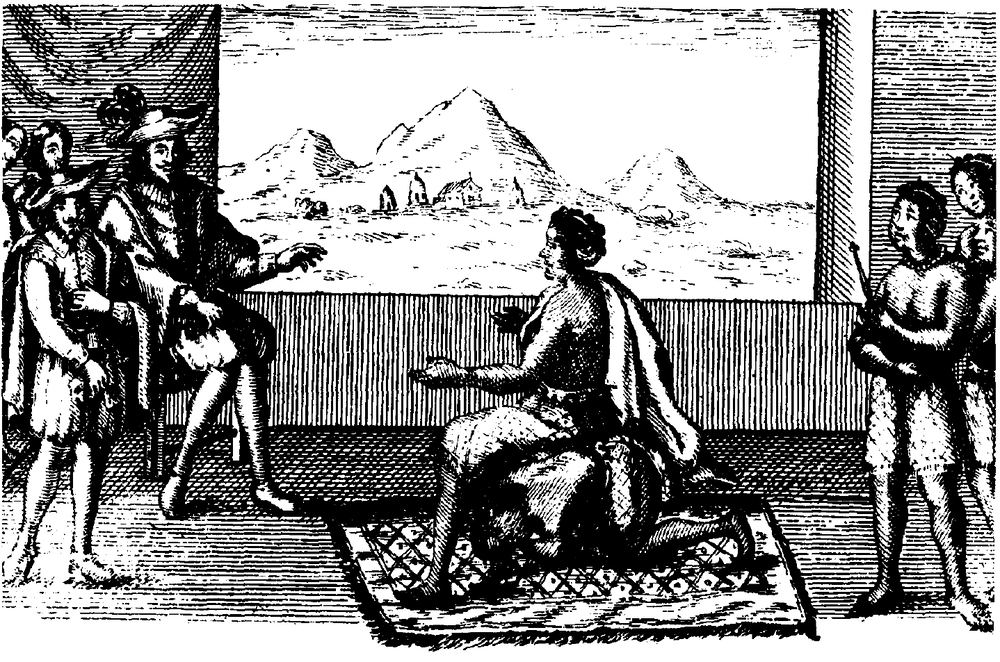
1491
King Nzinga a Nkuwu of the Kingdom of Kongo made a pivotal decision to convert to Christianity, sparking the widespread adoption of the religion within his kingdom. This conversion marked a turning point in the history of the region, as Christianity began to take root and influence the cultural and political landscape of the Kingdom of Kongo.
The adoption of Christianity by King Nzinga a Nkuwu had a profound impact on the society and governance of the Kingdom of Kongo. It led to the establishment of strong ties with European powers, particularly Portugal, and paved the way for increased trade and diplomatic relations. The spread of Christianity also brought about changes in the religious practices and beliefs of the people, as traditional African spiritualities began to blend with Christian teachings.
Overall, King Nzinga a Nkuwu's conversion to Christianity initiated a period of religious transformation and cultural exchange within the Kingdom of Kongo, shaping its future trajectory in significant ways. The event signaled the beginning of a new chapter in the history of the region, characterized by the fusion of African and European influences.
#KingdomofKongo #ReligiousTransformation #CulturalExchange #Christianity #KingNzingaaNkuwu
View details