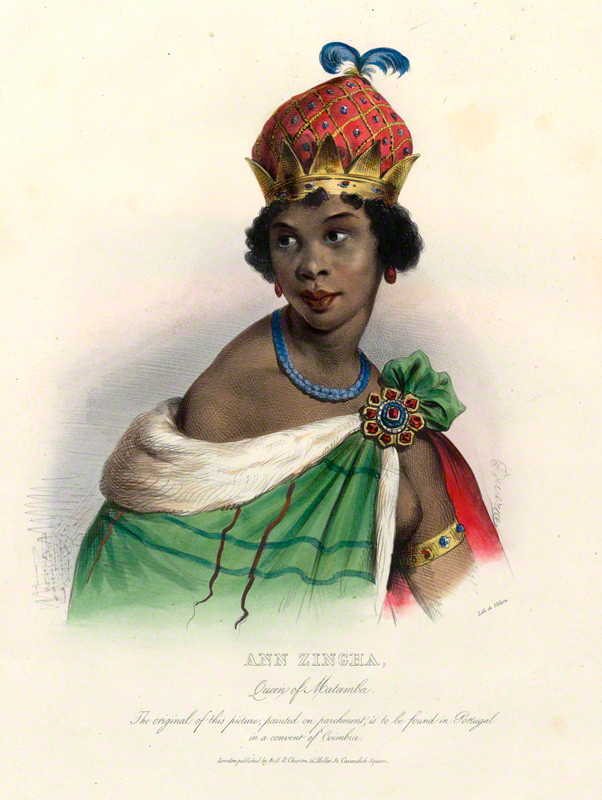
Queen Nzinga's rebellion against Portuguese colonial rule in Bailundo.
Angola

Political
3 min read
Updated By: History Editorial Network (HEN)
Published:
Updated:
In 1626, Queen Nzinga of the Mbundu people led a rebellion against Portuguese colonial rule at Bailundo, Angola. The Mbundu people had long sought to resist the Portuguese presence in the region, as they aimed to maintain their independence and sovereignty.
Queen Nzinga's uprising at Bailundo marked a significant turning point in the resistance against colonial oppression in Angola. Her leadership inspired many to join the fight for freedom and sparked a sense of unity among the local communities.
The rebellion at Bailundo sent shockwaves through the Portuguese colonial administration, showcasing the strength and determination of the Angolan people in their struggle for liberation. Queen Nzinga's defiance and strategic prowess made her a symbol of resistance and resilience in the face of foreign domination.
The events at Bailundo highlighted the fierce resistance of the Mbundu people against the Portuguese colonizers and laid the groundwork for future rebellions and uprisings in Angola's quest for independence. Queen Nzinga's legacy as a fearless leader and freedom fighter continues to inspire generations to stand up against oppression and injustice.
#QueenNzinga #AngolaIndependence #ColonialResistance #BailundoUprising

Explore the Life Moments of
 AI Twin