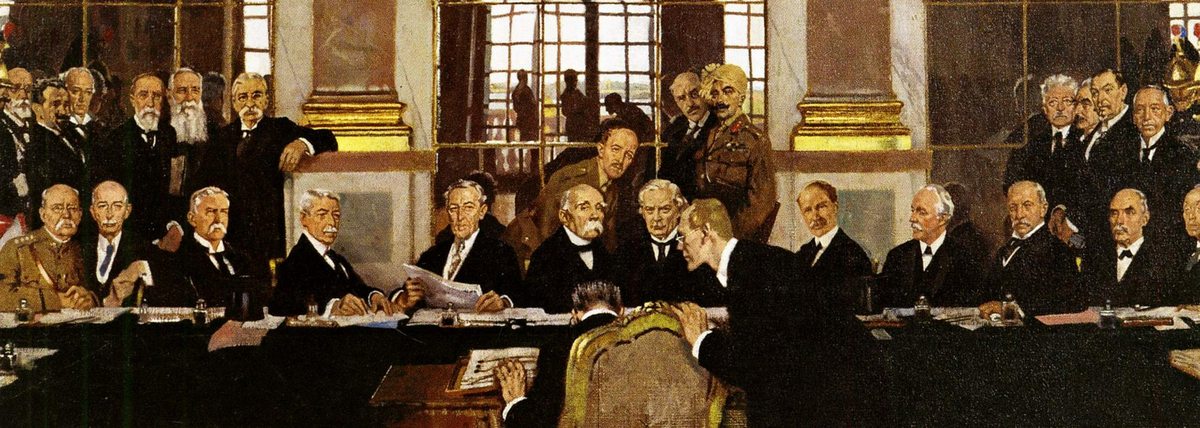
Transfer of German Southwest Africa under Treaty of Versailles to Allied powers as mandates.
Angola
Global Trade
Political
3 min read
Updated By: History Editorial Network (HEN)
Published:
Updated:
Following the end of World War I, the Treaty of Versailles awarded Germany's African colonies, including German Southwest Africa {Namibia} adjoining Angola, to various Allied powers as mandates. This decision was part of the treaty's provisions to strip Germany of its overseas territories as punishment for its involvement in the war. The mandate system was established by the League of Nations, giving the Allied powers control over these territories to administer them until they were deemed ready for self-governance.
The transfer of German Southwest Africa to various Allied powers had a significant impact on the region, affecting the local populations and shaping the future direction of these territories. The new administering powers implemented different policies and approaches in the territories they controlled, leading to varied outcomes for the people living there.
This event marked a turning point in the colonial history of Africa, as it reshuffled territories among European powers and introduced new administration structures in the region. The legacy of these mandates would have lasting effects on the political, social, and economic development of the territories involved.
#TreatyofVersailles #GermanColonies #Mandates #Colonialism #Angola
Explore the Life Moments of
 AI Twin