Portuguese Colonization at Luanda: Establishment of a New Colony
Angola
Global Trade
3 min read
Updated By: History Editorial Network (HEN)
Published:
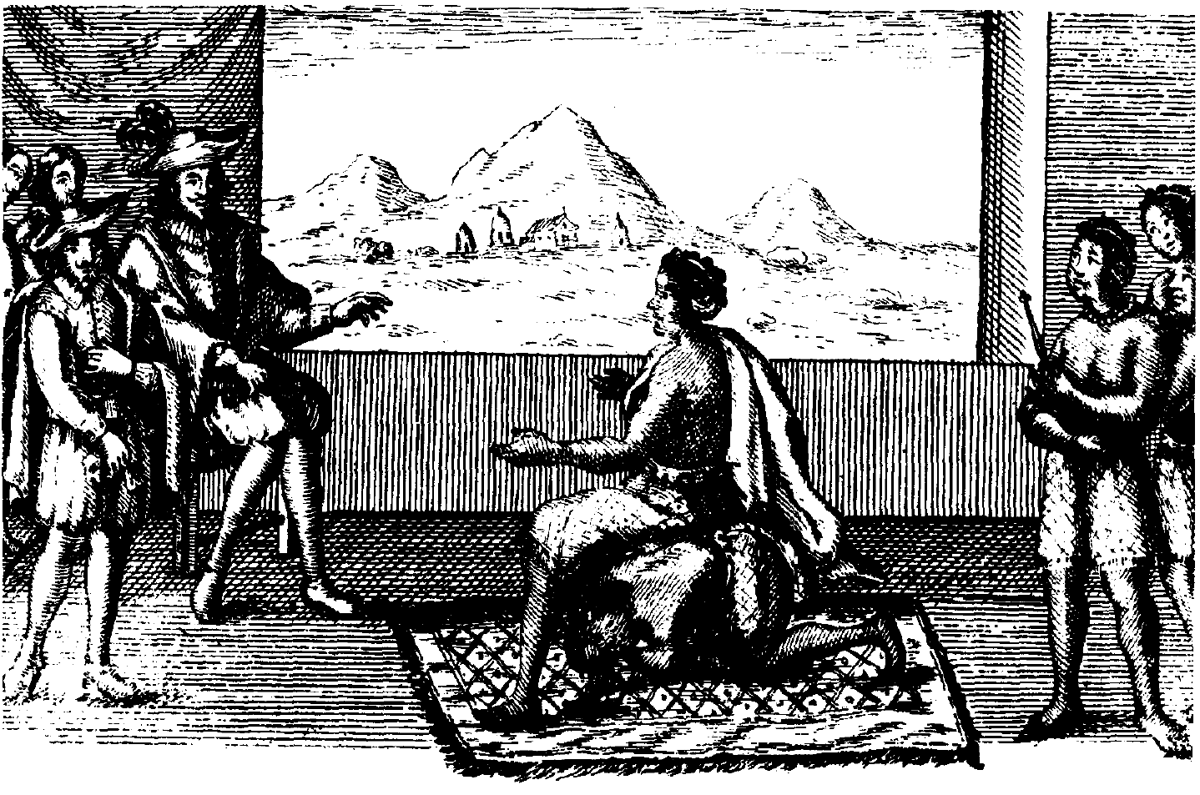
Portuguese colonization efforts extended to Angola, with the establishment of a colony at Luanda. The Portuguese aimed to exploit the region's resources, particularly slaves for the transatlantic trade. Luanda's strategic location made it a key point in the Portuguese colonial empire, serving as a hub for trade and administration in the region. Portuguese control over Luanda had lasting impacts on the local population and culture, leading to the introduction of European customs and the forced assimilation of the indigenous people.
The establishment of the colony in Luanda marked the beginning of centuries of Portuguese rule in Angola, shaping the country's socio-economic and political landscape. The Portuguese presence in Luanda facilitated the spread of Christianity and the Portuguese language, leaving a lasting imprint on Angolan society. The exploitation of Angolan resources, particularly human labor, fueled the growth of the Portuguese economy and contributed to the development of the transatlantic slave trade.
The colonization of Luanda by the Portuguese underscores the broader history of European imperialism in Africa, with lasting legacies of exploitation, cultural exchange, and resistance. The descendants of both colonizers and colonized continue to grapple with the complex legacy of this period in Angolan history.
#PortugueseColonization #AngolaHistory #ColonialLegacy

Explore the Life Moments of
 AI Twin