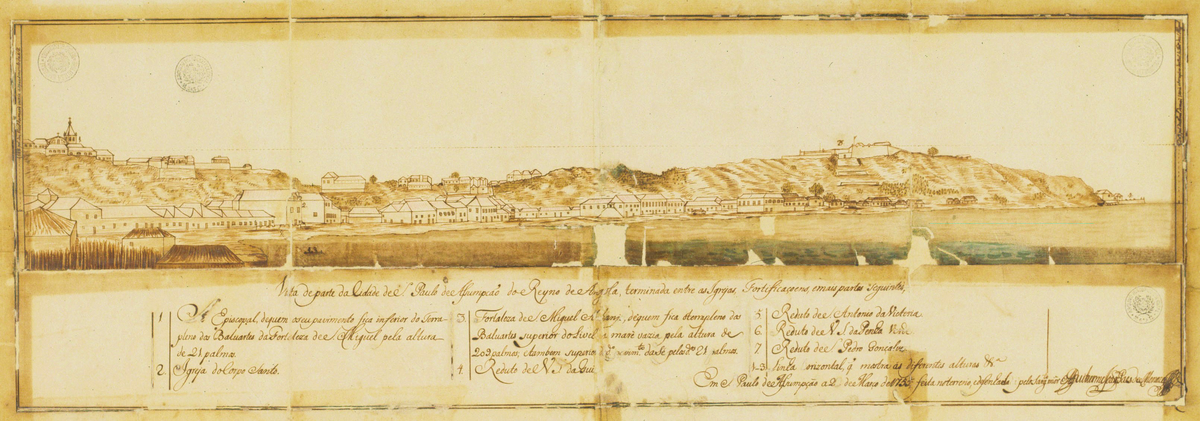
Dutch military campaign captures Luanda, Portuguese stronghold in the 17th century colonial period.
Angola

ColonialConflict
3 min read
Updated By: History Editorial Network (HEN)
Published:
In the 17th century, the Dutch army initiated an invasion of Luanda, a pivotal city in the Portuguese colony of Angola. The Dutch sought to gain control of Luanda due to its strategic location for trade and access to enslaved people. Facing minimal resistance, the Dutch forces swiftly took over the city, establishing their dominance in the region.
The Dutch invasion of Luanda had a profound impact on the Portuguese control in Angola and the transatlantic slave trade. With Luanda under Dutch rule, the Portuguese faced significant disruptions to their trade routes and suffered economic setbacks. Additionally, the Dutch presence in Luanda further fueled the demand for enslaved Africans, leading to an increase in the transatlantic slave trade in the region.
This event marked a significant turning point in the history of Angola, showcasing the power struggles between European colonial forces vying for control over African territories. The Dutch invasion of Luanda reshaped the political landscape in the region and had lasting implications for the local population.
#DutchInvasion #Luanda #AngolaHistory #ColonialConflict #TransatlanticSlaveTrade

Explore the Life Moments of
 AI Twin