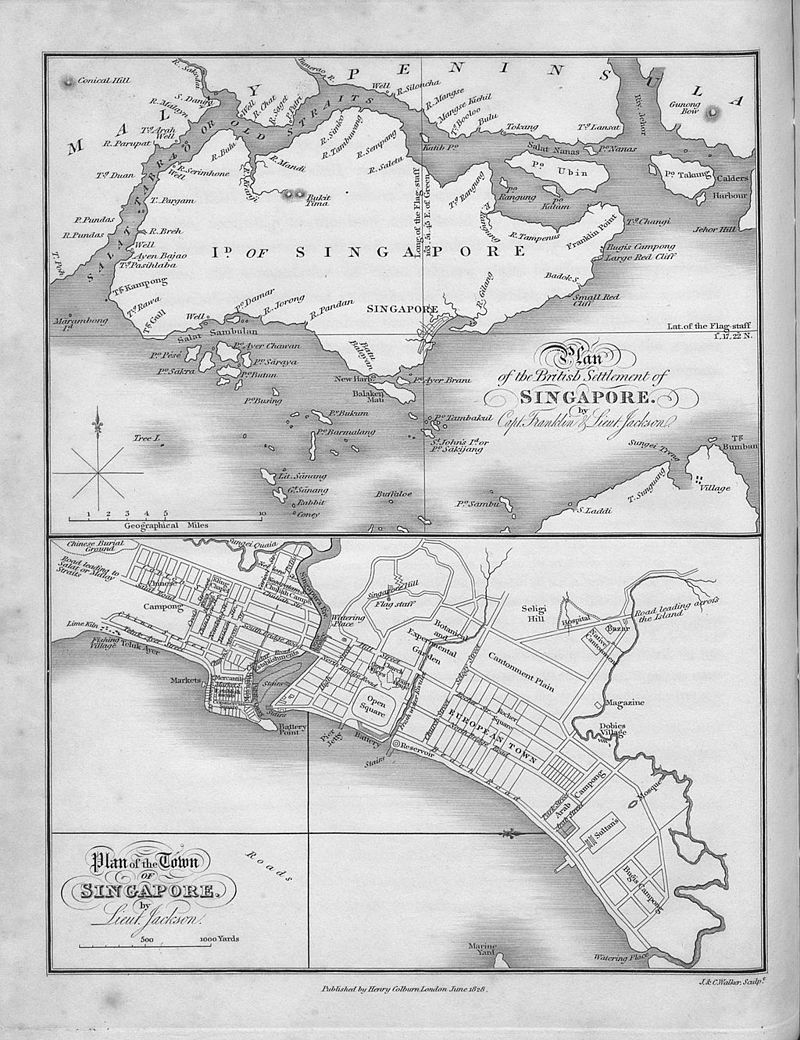
Singapore self-rule agreed by Britain.
Singapore
Political
4 min read
Updated By: History Editorial Network (HEN)
Published:
On the event where Britain agreed to Singaporean self-rule, an important milestone was reached in the nation's journey towards independence. The background leading to this momentous decision can be traced back to Singapore's strategic location, which made it a valuable port for British trade interests in the region. However, following World War II and increasing calls for self-governance, pressure mounted on Britain to grant Singapore more autonomy.
The impact of Britain's agreement to Singaporean self-rule was significant. It marked a crucial step towards the eventual independence of Singapore, setting the stage for the formation of a self-governing state. This decision empowered the local population to have more control over their own affairs and paved the way for the development of Singapore as a modern, prosperous nation.
The road to self-rule was not without challenges, as Singapore faced socio-political tensions and economic uncertainties during this transitional period. However, the determination and resilience of the Singaporean people prevailed, leading to the eventual establishment of the Republic of Singapore as an independent nation. This turning point in Singapore's history laid the foundation for its rapid progress and transformation into a global economic hub.
Overall, Britain's agreement to Singaporean self-rule was a defining moment that shaped the future trajectory of the nation. It symbolized the triumph of self-determination and the beginning of a new chapter in Singapore's history as a sovereign state.
#SingaporeIndependence #SelfRuleAgreement #HistoricDecisions

Explore the Life Moments of
 AI Twin