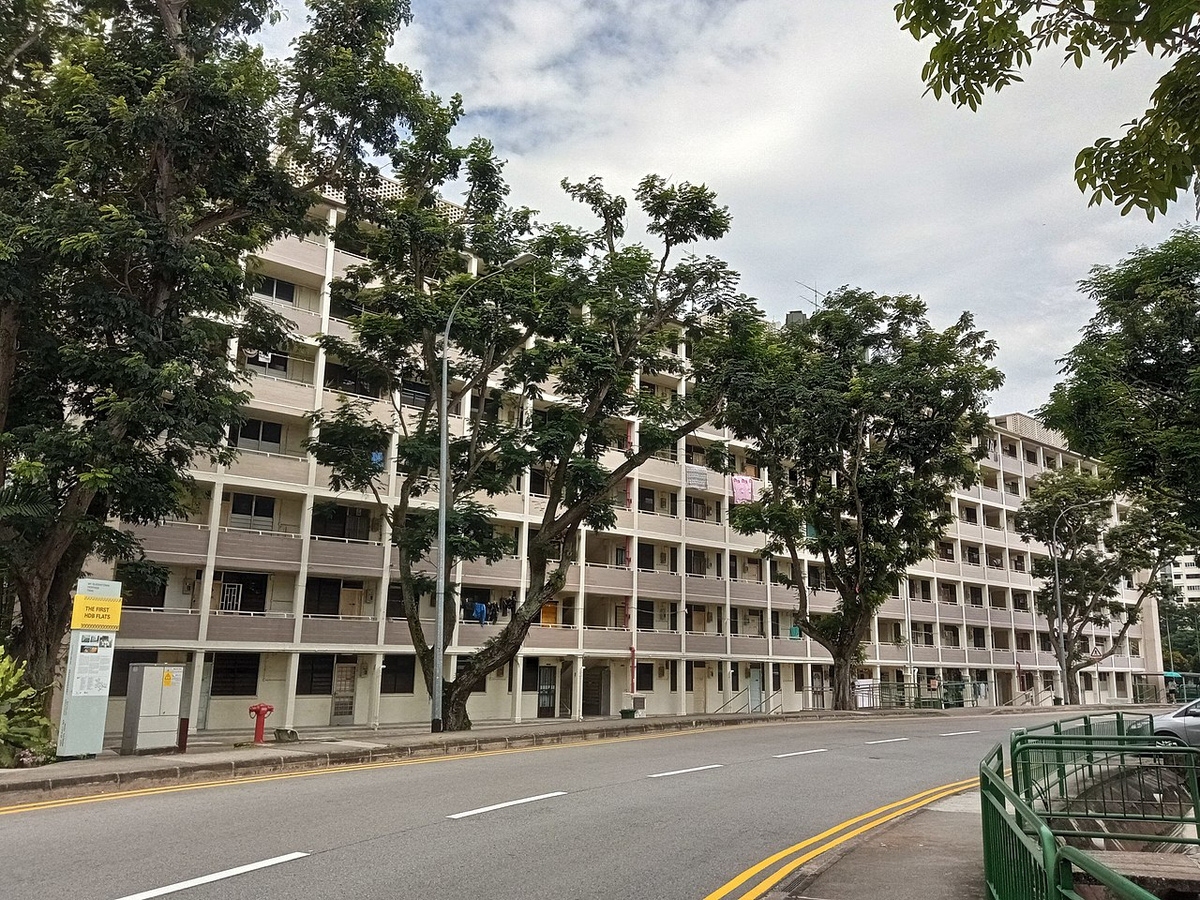
Addressing Housing Shortage: Creation of HDB.
Singapore
Urbanization
Community Development
4 min read
Updated By: History Editorial Network (HEN)
Published:
In Singapore, a housing shortage crisis led to the creation of the Housing and Development Board {HDB}. The issue stemmed from a combination of factors like rapid urbanization, population growth, and housing conditions post-World War II. The HDB was established to tackle this problem by constructing affordable public housing for the people.
The HDB began its mission by building mass residential estates to accommodate the growing population. This initiative aimed to provide basic and comfortable housing for Singaporeans from all walks of life. The development of HDB flats transformed the housing landscape in Singapore, offering modern amenities and community facilities within well-planned towns.
The impact of the HDB's efforts was profound. It alleviated the housing shortage crisis, providing a solution to Singapore's growing population. Families were able to secure affordable homes with access to essential services and recreational amenities. Moreover, the establishment of HDB estates fostered a sense of community among residents, promoting social cohesion and unity.
Over time, the HDB's role expanded beyond just housing provision. It played a vital role in urban planning, shaping Singapore's cityscape and contributing to its overall development. The success of the HDB model is evident in Singapore's high homeownership rates and quality public housing options available to its residents.
The creation of the HDB marked a crucial turning point in Singapore's history, addressing a critical need while laying the foundation for a sustainable housing policy. Its impact resonates to this day, shaping the way Singaporeans live and interact within their communities.
#HDB #PublicHousing #SingaporeHistory #Urbanization #CommunityDevelopment

Explore the Life Moments of
 AI Twin