
Singapore

The Asian Tiger
Related Lives

Canadian Federal Election
Canada Decides

World War I
The Great War

Serbia
The Heart of the Balkans

Philippines
Pearl of the Orient Seas

Namibia
Landscapes of Resilience

Kenya
The Cradle of Humankind

Hungary
Tales of the Danube

Bangladesh
Resilience in Harmony

1954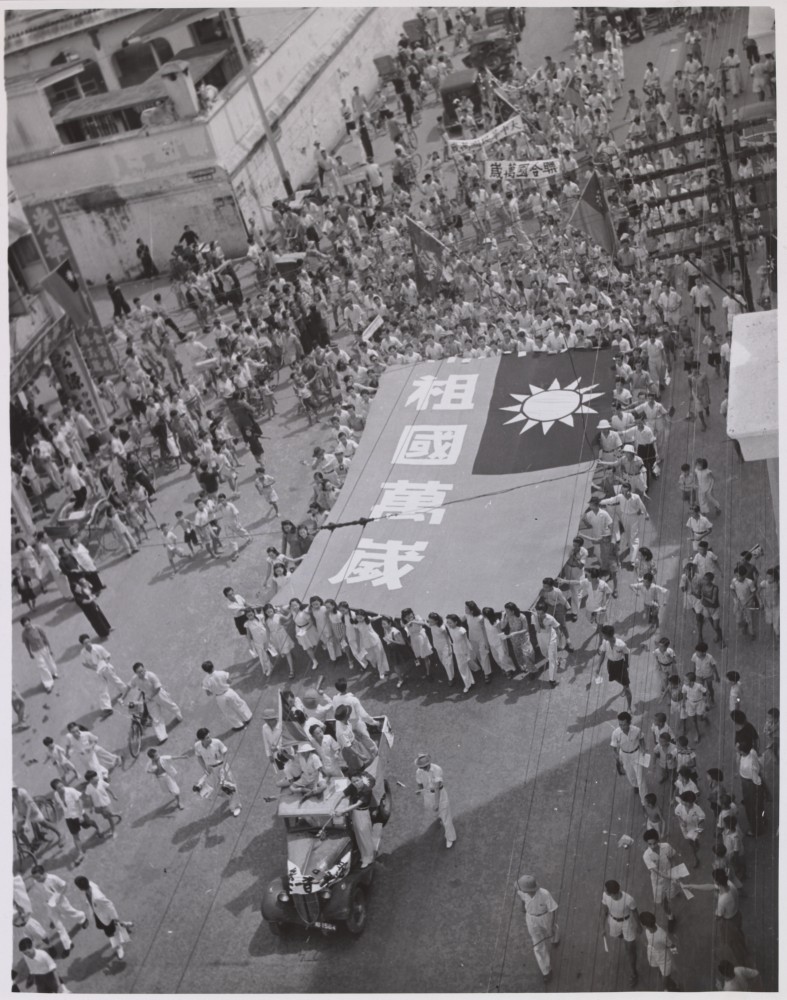
In the 1950s, tensions were high in Singapore due to the contentious issue of National Service. Chinese Middle School students, predominantly of Chinese descent, took to the streets in a series of riots against the government's enforcement of National Service. The students believed the policy was discriminatory and prejudiced against Chinese Singaporeans.
During the riots, the students engaged in acts of civil disobedience, such as blocking roads, chanting anti-government slogans, and clashing with the authorities. The situation escalated as the police were called in to disperse the crowds, leading to violent confrontations and arrests.
The riots had a significant impact on Singapore's political landscape, as it highlighted the deep-seated ethnic tensions and grievances within the society. The government was forced to address the concerns of the Chinese community and reconsider its approach to National Service.
Following the riots, efforts were made to promote greater inclusivity and representation of all ethnic groups in national policies. The event also served as a catalyst for discussions on racial harmony and social integration in Singapore.
Ultimately, the Chinese Middle School students' participation in the anti-National Service riots brought to the forefront underlying issues of inequality and discrimination in Singapore, paving the way for greater understanding and cooperation among the various ethnic communities in the country.
#NationalService #Riots #ChineseCommunity #Singapore #EthnicTensions #Inclusivity
View details1945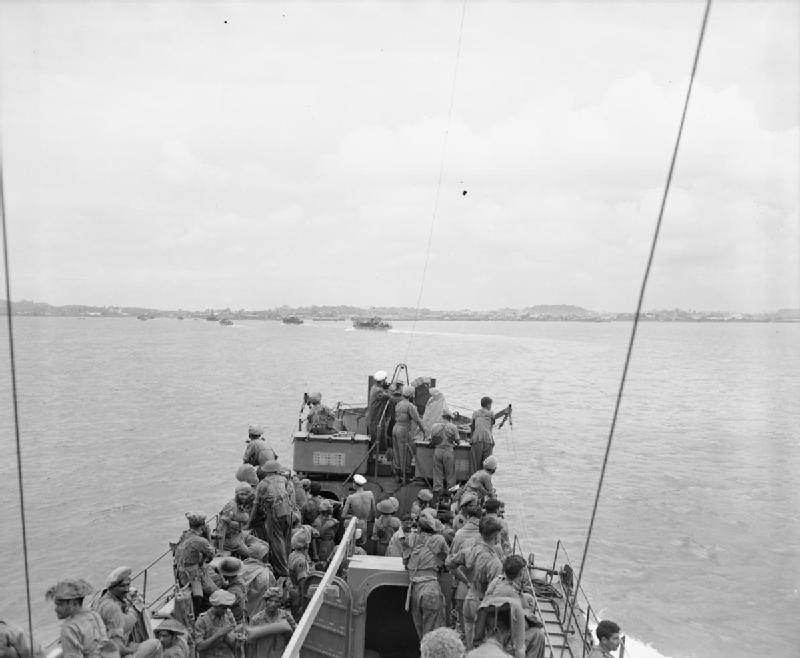
During World War II, Singapore was under Japanese occupation. The British forces successfully liberated Singapore after years of intense fighting and strategic warfare. The Japanese occupation brought immense suffering to the people of Singapore, with harsh living conditions, forced labor, and widespread atrocities. The liberation by the British forces marked the end of this dark period and brought hope and relief to the inhabitants of Singapore.
The British forces, led by Lord Louis Mountbatten, launched a series of military offensives to reclaim Singapore from the Japanese. After bitter battles and fierce resistance, the Japanese forces finally surrendered, and the Union Jack was raised once again over Singapore. The liberation brought an end to the oppressive rule of the Japanese and restored a sense of normalcy to the lives of the people.
The impact of the liberation was profound. Singaporeans celebrated their newfound freedom with a mix of joy and relief after enduring years of hardship and uncertainty. The return of British colonial rule also brought stability and a sense of security to the war-torn island. The liberation paved the way for the eventual independence of Singapore and signaled a new chapter in its history.
To this day, the liberation of Singapore from Japanese occupation by the British forces is commemorated as a pivotal moment in the island's past. It serves as a reminder of the resilience and strength of the Singaporean people in the face of adversity. The event symbolizes liberation, hope, and the enduring spirit of freedom.
#SingaporeHistory #BritishForces #JapaneseOccupation #Liberation #Resilience
View details1942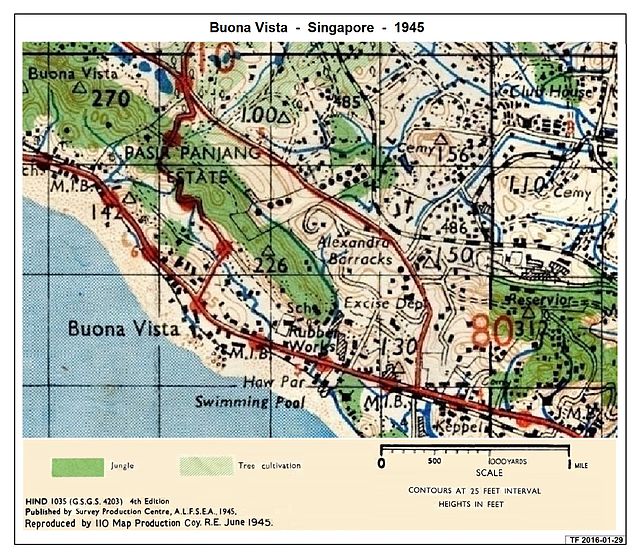
The Battle of Pasir Panjang was a critical engagement during World War II that ultimately led to the fall of Singapore. The Japanese forces launched a fierce assault on the Malay Regiment, whose soldiers displayed unwavering bravery in the face of overwhelming enemy numbers. Despite their valiant efforts, the defenders were outnumbered and outgunned, forcing them to retreat.
The Battle of Pasir Panjang had a significant impact on the overall defense of Singapore. The fierce resistance put up by the Malay Regiment bought valuable time for other Allied forces to prepare for the final stand. However, the fall of Pasir Panjang Ridge allowed the Japanese forces to gain a strategic advantage and advance towards the city.
The strategic location of Pasir Panjang made it a key battleground in the defense of Singapore. The elevated terrain provided a vantage point for both offensive and defensive operations. The loss of Pasir Panjang Ridge made it increasingly difficult for the Allied forces to maintain their positions and defend against the relentless Japanese onslaught.
The Battle of Pasir Panjang highlighted the challenges faced by the Allied forces in defending Singapore against the well-coordinated and determined Japanese army. The courage and sacrifice displayed by the Malay Regiment in the face of overwhelming odds became a symbol of resistance and resilience in the face of adversity.
The eventual fall of Singapore marked a turning point in the war in the Pacific, as it demonstrated the vulnerability of British colonial rule in Southeast Asia. The Battle of Pasir Panjang remains a poignant reminder of the price paid for freedom and the enduring legacy of those who fought bravely in the defense of Singapore.
#WorldWarII #BattleofPasirPanjang #FallofSingapore #MalayRegiment #Resistance #Legacy
View detailsDuring the early days of 1942, the city-state of Singapore faced a critical moment in its history. British forces in Southeast Asia were unable to hold their ground against the advancing Japanese army during World War II. The strategic location of Singapore made it a crucial target for the Japanese military, leading to a swift and decisive invasion.
The fall of Singapore marked a significant turning point in the war. It was a humiliating defeat for the British Empire, as Singapore was considered an impregnable fortress. The surrender of Singapore to the Japanese forces had far-reaching consequences, not only in the region but on the global stage as well.
The impact of the event reverberated across Asia and beyond. It signified the end of British colonial rule in Singapore and marked the beginning of a brutal occupation by the Japanese. The local population endured hardships, atrocities, and forced labor under the new regime.
Moreover, the surrender of Singapore had broader implications for the course of World War II. It shifted the balance of power in the Pacific theater, emboldening the Japanese and weakening the Allies' position in the region. The loss of Singapore was a blow to the Allied forces' morale and strategic capabilities.
Despite the bleak outcome, the surrender of Singapore also sparked resistance movements and underground activities against the Japanese occupation. The resilience and courage of individuals who resisted the oppressive regime played a crucial role in shaping the post-war period and the eventual liberation of Singapore.
The surrender of Singapore during World War II remains a somber reminder of the realities of war and the sacrifices made by those who endured its horrors. It is a chapter in history that continues to shape the collective memory and identity of the people of Singapore.
#Singapore #WorldWarII #JapaneseOccupation #ResistanceMovement
View details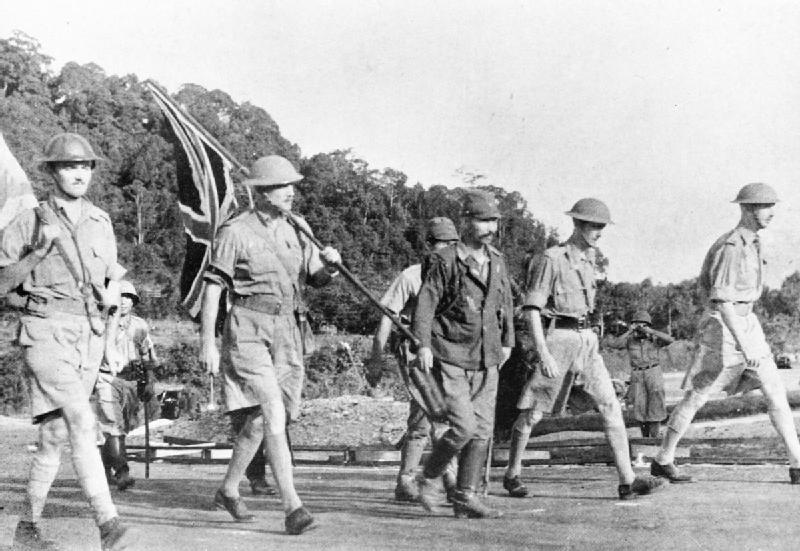
1886
The Anglo-Chinese School was established in Singapore by Bishop William Oldham. The school aimed to provide education for boys, regardless of their race or background. The idea was to create a school that would foster mutual understanding and respect among students of different cultural backgrounds.
Bishop William Oldham, who was a missionary, recognized the importance of education in building bridges between different communities. He saw the need for a school that would cater to the educational needs of both Chinese and English-speaking students in Singapore. The founding of the Anglo-Chinese School was a significant step towards promoting inclusivity and unity in a diverse society.
The school started with a small number of students but quickly gained popularity for its quality education and emphasis on character development. Over the years, the Anglo-Chinese School grew in both size and reputation, producing graduates who excelled in various fields.
The impact of the Anglo-Chinese School extended beyond its students. It played a role in promoting social harmony and mutual respect among different ethnic groups in Singapore. The school's inclusive approach to education set a precedent for other institutions in the country to follow.
As the years went by, the Anglo-Chinese School continued to uphold its mission of providing a holistic education that nurtured both the mind and character of its students. Today, the school stands as a testament to Bishop William Oldham's vision of creating a supportive and inclusive educational environment for the youth of Singapore.
#AngloChineseSchool #SingaporeEducation #Inclusivity #CulturalHarmony #BishopWilliamOldham
View details1867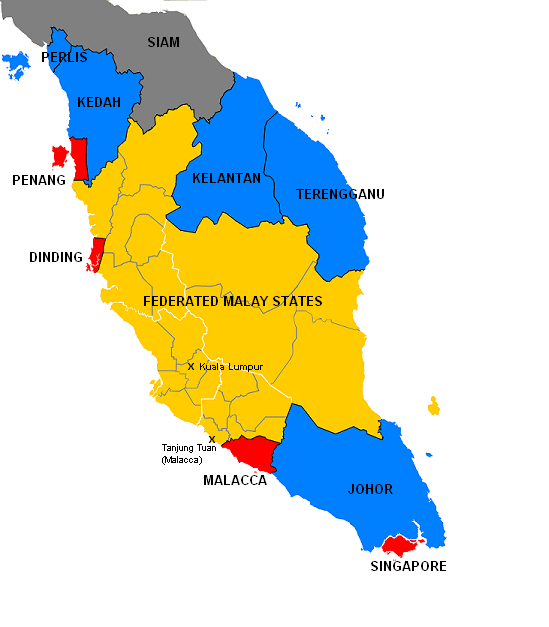
During the 19th century, Singapore, Penang, and Malacca were crucial trading ports in Southeast Asia. These ports were vital to British interests for their strategic location and lucrative trade opportunities. The British East India Company initially controlled these territories, but due to financial troubles, the British Crown took over direct governance of these colonies.
Under British rule, these territories saw significant changes in administration, infrastructure, and economy. The British implemented modern governance structures, including legal systems and civil services. They also invested in infrastructure such as roads, ports, and telecommunication, improving connectivity and facilitating trade. The British presence attracted migrants from different parts of Asia, contributing to the cultural diversity of these colonies.
Economically, these territories flourished under British control. The British introduced cash crops like rubber and tin, boosting exports and stimulating economic growth. Singapore, Penang, and Malacca became prosperous trading hubs, attracting merchants and investors from around the world.
British colonization also had social impacts on the local populations. The British imposed their language and education system, influencing the culture and identity of the people in these colonies. The introduction of Western ideas and values had a lasting effect on the society of Singapore, Penang, and Malacca.
In conclusion, the British Crown's takeover of Singapore, Penang, and Malacca marked a significant shift in the history of these territories. The introduction of British governance and investment transformed these colonies into key players in the British Empire's global trade network, leaving a lasting legacy that is still visible today. #BritishColonization #EconomicDevelopment #CulturalTransformation
View detailsIn April 1867, the Straits Settlements officially became a British Crown colony. This came about as a result of the British East India Company's declining power and influence in the region, leading to the need for direct British governmental control. The Straits Settlements, consisting of Singapore, Penang, and Malacca, played a crucial role in British colonial strategy as key trading ports in Southeast Asia.
Under British rule, the Straits Settlements saw significant developments in infrastructure, trade, and administration. The British implemented policies to modernize the ports, improve transportation networks, and establish a more stable legal system. These changes attracted migrants and traders from various parts of the world, contributing to the diverse and cosmopolitan character of the settlements.
The establishment of the Straits Settlements as a British Crown colony had enduring impacts on the region. It solidified British dominance in maritime Southeast Asia and strengthened their economic and strategic interests in the area. The settlements became important hubs for British colonial operations, connecting the East and West through trade and communication networks.
Furthermore, the British presence in the Straits Settlements laid the foundation for the modernization and urban development of Singapore, Penang, and Malacca. The legacy of British colonial rule is still evident in the architecture, institutions, and legal systems of these cities today.
Overall, the establishment of the Straits Settlements as a British Crown colony marked a significant turning point in the history of the region, shaping its trajectory for years to come.
#StraitsSettlements #BritishColonialism #SingaporeHistory
View details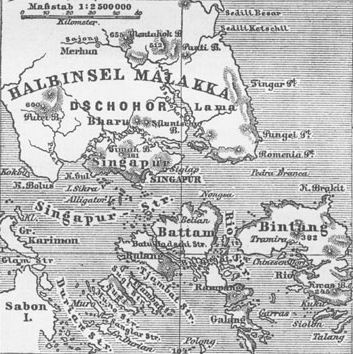
1864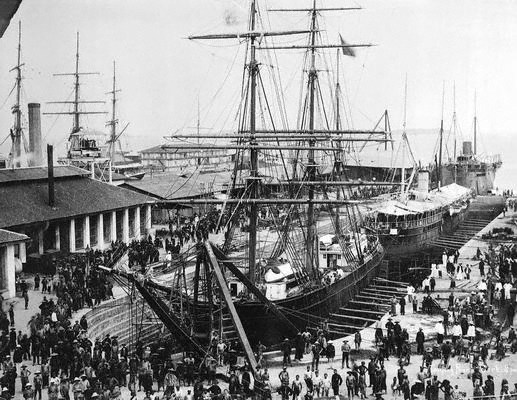
In the 19th century, Singapore witnessed the dawn of a new era with the opening of Tanjong Pagar Dock, the first modern dock facility in the country. This historical development marked a crucial milestone in Singapore's maritime industry. Prior to its establishment, Singapore lacked proper infrastructure to handle the increasing volume of maritime traffic, hindering its potential for economic growth.
The construction of Tanjong Pagar Dock was spearheaded by the British colonial government to meet the growing demands of shipping activities. With its state-of-the-art facilities and strategic location, the dock quickly became a hub for maritime trade in Southeast Asia. It featured advanced engineering techniques that allowed for efficient loading and unloading of cargo, significantly boosting Singapore's position as a key player in the regional maritime trade network.
The opening of Tanjong Pagar Dock had a profound impact on Singapore's economy, leading to an influx of investments and trade opportunities. The dock attracted numerous international shipping companies, establishing Singapore as a vital trading hub in the region. The efficient handling of goods and vessels at the dock contributed to the rapid growth of Singapore's economy, setting the stage for its future development as a global maritime center.
The significance of Tanjong Pagar Dock in shaping Singapore's maritime landscape cannot be overstated. It laid the foundation for the country's success as a leading maritime nation, showcasing its capabilities in handling maritime activities efficiently and effectively. The legacy of Tanjong Pagar Dock continues to resonate in Singapore's thriving maritime industry, reflecting its enduring impact on the country's economic trajectory.
#TanjongPagarDock #SingaporeMaritimeHistory #EconomicDevelopment #TradeHub
View details1854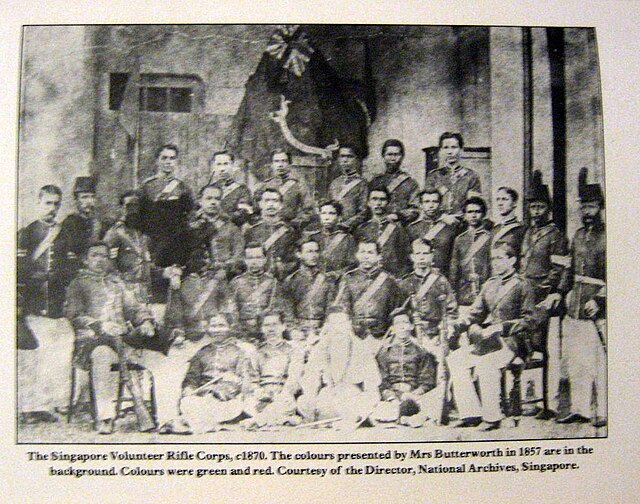
In 1854, recognizing the need to bolster the defense of the colony, the Singapore Volunteer Rifle Corps was formed. Comprised of European and Asian volunteers, the corps aimed to protect Singapore from potential threats. The formation of this volunteer force was a response to the growing concerns over security and the desire to have a local defense unit in place.
The Singapore Volunteer Rifle Corps played a crucial role in enhancing the colony's security. The members underwent training in military drills and marksmanship, ensuring they were prepared for any potential conflicts. Their presence helped to boost the overall defense capabilities of Singapore and provided a sense of security to the residents.
The impact of the formation of the Singapore Volunteer Rifle Corps was significant. It demonstrated the commitment of the local population to safeguarding their home and contributed to the overall stability of the colony. The corps also served as a symbol of unity, bringing together individuals from diverse backgrounds for a common cause.
As the Singapore Volunteer Rifle Corps continued to evolve and expand its capabilities, it played a key role in maintaining peace and security in the region. The dedication and service of its members were instrumental in deterring any potential threats to the colony, showcasing the importance of local defense forces.
The formation of the Singapore Volunteer Rifle Corps marked a turning point in the history of the colony, highlighting the residents' determination to protect their home. It paved the way for the development of Singapore's defense capabilities and underscored the importance of community involvement in safeguarding the region.
#SingaporeHistory #DefenseForce #CommunityUnity
View details1824
The Treaty of Friendship and Alliance between the British East India Company and Sultan Hussein of Johor marked the beginning of British influence in the region. Under the agreement, the British recognized Hussein as the legitimate Sultan of Johor and promised protection against external threats. In return, Hussein granted the British East India Company the right to establish a trading post in Singapore.
This treaty was a crucial turning point in Singapore's history as it paved the way for the establishment of a British trading port on the island. The British were attracted to Singapore's strategic location and natural harbor, envisioning it as a key hub for trade in the region. The treaty provided the legal basis for British control over Singapore, laying the foundations for its future development as a major trading center.
The signing of the treaty had a lasting impact on the political and economic landscape of the region. It led to an influx of immigrants from various ethnicities who came to Singapore to seek economic opportunities. The British colonial administration brought about significant changes in governance and infrastructure, transforming Singapore into a modern city with a diverse population.
The treaty also set the stage for future conflicts and power struggles in the region. The British gradually expanded their influence, eventually incorporating Singapore into the Straits Settlements in their quest for territorial control. The legacy of British colonial rule continues to shape Singapore's society and institutions to this day.
#BritishEastIndiaCompany #SultanHussein #Johor #SingaporeHistory #ColonialLegacy #TradeHub
View detailsDuring the early 19th century, Singapore was facing a severe labor shortage, hindering its growth as a trading post under British colonial rule. To address this issue, the British authorities made the decision to transport Indian convicts to Singapore to fill the gap in the workforce.
The arrival of the first Indian convicts in Singapore marked a significant moment in the island's history. These convicts, mostly petty criminals and political dissidents, were brought to Singapore to perform manual labor tasks, such as construction work and clearing land for infrastructure development. They played a crucial role in developing the colony's infrastructure and supporting its economic activities.
The influx of Indian convicts not only helped alleviate the labor shortage in Singapore but also contributed to the cultural diversity of the island. Their presence added to the multicultural fabric of the society, shaping the unique blend of ethnicities that define Singapore today.
Despite facing harsh living and working conditions, the Indian convicts persevered and made significant contributions to the development of Singapore. Their hard work and resilience laid the foundation for the growth and prosperity of the island as a trading hub in the region.
The arrival of the first Indian convicts to Singapore was a turning point in the history of the island, highlighting the colonial strategies employed to address labor shortages and foster economic development. Their legacy lives on in the cultural tapestry of Singapore, reminding us of the nation's diverse and complex history.
#SingaporeHistory #ColonialEra #LaborShortage #CulturalDiversity #InfrastructureDevelopment
View details1823
Establishment of the Singapore Institution, the predecessor of Raffles Institution was a pivotal development in the history of education in Singapore. The institution was founded by Sir Thomas Stamford Raffles, the founder of modern Singapore, with the goal of providing education to the youth of the growing colony.
Initially known as the Singapore Institution, it was the first formal school in Singapore. The institution aimed to provide a comprehensive education that combined Western and Asian teachings, reflecting the multicultural nature of the society. It played a crucial role in shaping the intellectual and social landscape of colonial Singapore, producing many prominent figures who contributed significantly to the development of the nation.
The establishment of the Singapore Institution laid the foundation for the development of education in Singapore, setting a high standard for academic excellence and character building. The institution's emphasis on holistic education and its diverse curriculum set it apart from other schools of the time, making it a prestigious institution that attracted students from various backgrounds.
Over the years, the Singapore Institution evolved into Raffles Institution, a renowned school known for its academic achievements and rich history. The values instilled by the institution continue to shape the education system in Singapore, emphasizing the importance of intellectual curiosity, critical thinking, and social responsibility.
The establishment of the Singapore Institution marked a significant milestone in Singapore's educational history, laying the groundwork for the development of a vibrant and dynamic education system that continues to thrive to this day. It remains a symbol of the relentless pursuit of excellence and the belief in the transformative power of education.
#SingaporeInstitution #RafflesInstitution #EducationLegacy #HistoricDevelopment #SingaporeHistory
View details1445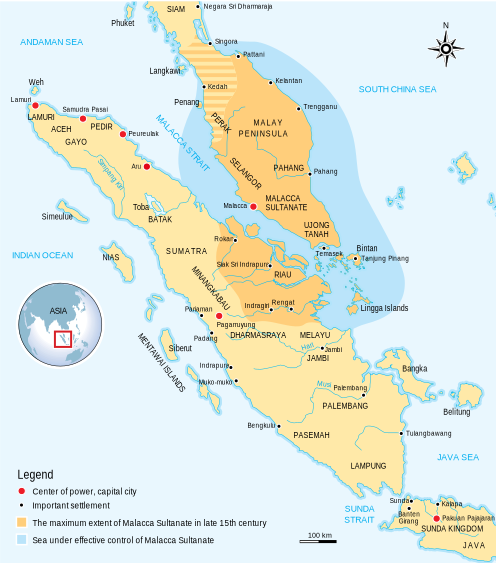
During the mid-15th century, the Malacca Sultanate, a powerful maritime empire in Southeast Asia, engaged in diplomatic endeavors with neighboring kingdoms. One significant event was the treaty signing between the Malacca Sultanate and the Kingdom of Siam. The treaty aimed to strengthen political ties, establish trade agreements, and ensure mutual protection against common threats in the region.
The Malacca Sultanate, strategically located along the vital maritime trade routes, sought to expand its influence and control over trade activities in the region. The treaty with Siam provided access to Siam's resources and facilitated trade between the two kingdoms. Additionally, the agreement brought about a sense of stability and security, as both parties agreed to support each other in times of need.
The treaty signing with Siam had a profound impact on the political and economic landscape of the region. It contributed to the growth of Malacca as a dominant trading hub, attracting merchants from various parts of the world. The alliance with Siam also bolstered the Malacca Sultanate's position as a formidable maritime power, enabling it to exert control over key trade routes and expand its influence in the region.
Furthermore, the diplomatic relations established through the treaty paved the way for cultural exchanges and the spread of ideas between the two kingdoms. This cultural interchange played a crucial role in shaping the cultural heritage of Southeast Asia, influencing art, language, and traditions in the region.
The treaty signing between the Malacca Sultanate and Siam represents a pivotal moment in Southeast Asian history, highlighting the importance of diplomacy and cooperation in shaping the destiny of kingdoms. It underscores the significance of fostering alliances and maintaining peace to ensure continued prosperity and development in the region. #MalaccaSultanate #Siam #Diplomacy #Trade #Alliance
View details1423
Iskandar Shah, ruler of Singapore, passed away in 1414, leading to his son Megat Iskandar Shah inheriting the throne. Iskandar Shah had been a revered leader known for his diplomatic skills and efforts to enhance trade within the region. His death marked a significant transition in Singapore's leadership.
Megat Iskandar Shah's ascension brought both anticipation and uncertainty among the people. As the new ruler, he faced the challenge of filling his father's shoes and maintaining stability in the kingdom. However, Megat Iskandar Shah proved to be a capable leader, following in his father's footsteps by prioritizing diplomacy and trade agreements with neighboring kingdoms.
Under Megat Iskandar Shah's rule, Singapore continued to prosper as a leading trading hub in the region. His policies attracted merchants and traders from far and wide, contributing to the kingdom's economic growth and cultural diversity. The kingdom saw a period of relative peace and prosperity during his reign, solidifying its status as a key player in the maritime trade network.
The succession of Megat Iskandar Shah ushered in a new era for Singapore, characterized by stability and economic development. His leadership laid the foundation for Singapore's continued growth as a prominent trading center in Southeast Asia. The principles of diplomacy and commerce established during his father's reign were further strengthened under his rule, shaping Singapore's identity as a thriving cosmopolitan city.
#SingaporeHistory #RoyalSuccession #TradeHub #CulturalDiversity
View details1410
Iskandar Shah, the ruler of the Kingdom of Singapura, solidified diplomatic ties by establishing a key treaty with Ming China in the early 15th century. This strategic move aimed to ensure political stability and maritime trade prosperity for the burgeoning kingdom.
The treaty between Iskandar Shah and Ming China was crucial for both parties. For the Kingdom of Singapura, it provided protection and support from a powerful ally in the region, enhancing its position as a key player in the bustling maritime trade network of the time. Ming China, on the other hand, sought to expand its influence in the Southeast Asian region and secure valuable trade routes.
The agreement facilitated the exchange of diplomatic missions, fostering cultural exchanges and strengthening political relations. It also opened up avenues for increased trade between the two powers, boosting economic growth and prosperity for both sides. Through this treaty, the Kingdom of Singapura gained access to valuable goods and resources from China, further enriching its position as a trading hub in the region.
The establishment of this treaty marked a significant turning point in the history of the Kingdom of Singapura, elevating its status on the international stage and fostering a period of growth and prosperity. The alliance with Ming China allowed the kingdom to flourish and expand its influence in the region for years to come.
Overall, the treaty between Iskandar Shah and Ming China was a pivotal moment in the history of Singapore, shaping its diplomatic relations and trade networks for the years ahead. It underscored the importance of strategic alliances and diplomatic initiatives in fostering political stability and economic prosperity in the region. #IskandarShah #MingChina #Diplomacy #Trade #SingaporeHistory
View details1399
In 1399, Singapore, then known as Temasek and the Kingdom of Singapura, was a thriving trading port located strategically along the Straits of Malacca. The island was ruled by a local ruler named Parameswara, who was believed to have its origins from a Sumatran prince.
The city-state was a bustling hub for international trade, attracting merchants from China, India, the Middle East, and other regions. Its strategic location and natural harbor made it a key player in the maritime Silk Road, facilitating the exchange of goods, ideas, and cultures.
The Kingdom of Singapura was known for its wealth and prosperity, with its inhabitants engaging in various economic activities such as fishing, agriculture, and handicrafts. The city was also adorned with impressive architecture, including a grand palace and fortified walls.
However, the kingdom faced challenges from neighboring powers and was eventually conquered by the Majapahit Empire, leading to the decline of Singapura as a prominent trading center. The fall of Singapura marked a significant moment in the island's history, as it paved the way for future European colonial powers to establish control over the region.
Despite its eventual decline, the legacy of Singapura as a vibrant trading hub and melting pot of cultures endured, shaping the island's identity as a cosmopolitan city-state in the present day.
#Temasek #KingdomofSingapura #TradeHub #MaritimeSilkRoad #CulturalMeltingPot
View details1349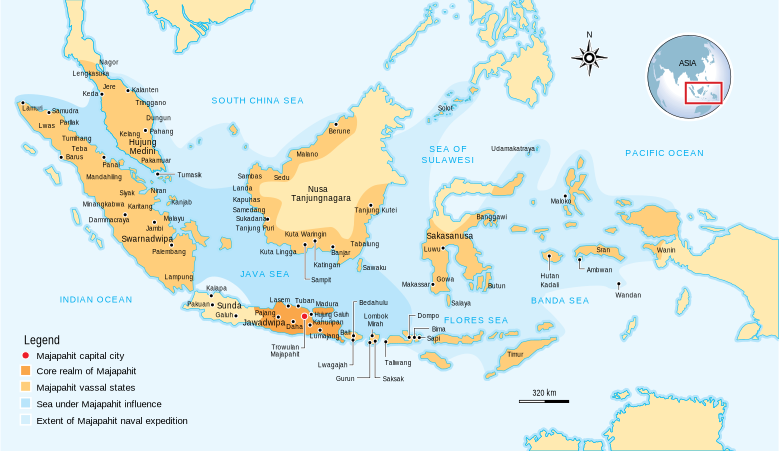
In the 14th century, Singapore found itself under the rule of the powerful Majapahit Empire, which was a dominant maritime and commercial empire in Southeast Asia at the time. This event marked a significant shift in Singapore's political landscape as it became integrated into the vast Majapahit realm. The empire's reach extended far across the region, exerting influence through trade networks and strategic alliances.
The inclusion of Singapore into the Majapahit Empire had a profound impact on the city-state's economy, culture, and administration. The empire's expansive trading network provided Singapore with access to a wider market, facilitating the exchange of goods and ideas. This period saw an influx of diverse cultural influences, shaping the local society in new ways. Additionally, the empire's administrative structure brought about changes in governance and infrastructure in Singapore, contributing to its growth and development.
Under Majapahit rule, Singapore experienced a period of stability and prosperity. The empire's military prowess and diplomatic relations helped safeguard the region, ensuring security for trade routes and settlements. As a key outpost in the Majapahit Empire, Singapore played a crucial role in the empire's maritime activities, serving as a hub for trade and communication.
The integration of Singapore into the Majapahit Empire reflected the interconnectedness of Southeast Asian societies during this period. It exemplified the fluidity of political boundaries and the complexity of power dynamics in the region. The legacy of this event can still be seen in Singapore's rich cultural heritage and its position as a global hub for trade and commerce.
#MajapahitEmpire #SingaporeHistory #CulturalIntegration #MaritimeTrade #SoutheastAsia
View details1299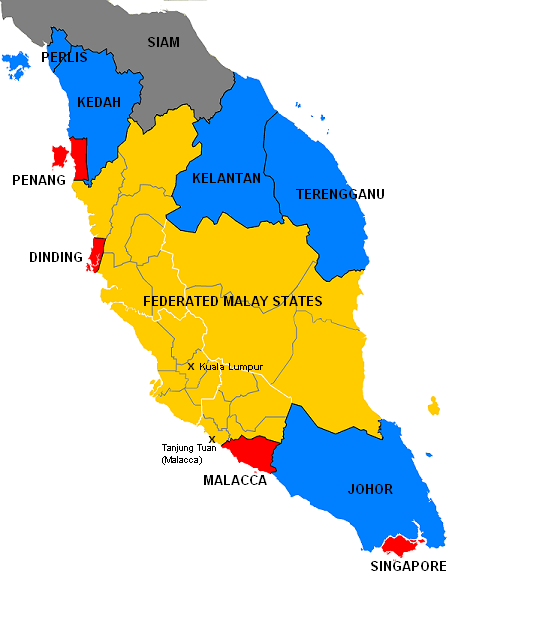
In the late 13th century, a Malay prince named Sang Nila Utama landed on the shores of Singapore and discovered a thriving trading settlement. Impressed by the strategic location and natural beauty of the island, he decided to establish a Malay Sultanate. Under Sang Nila Utama's rule, Singapore flourished as a vibrant trading hub, attracting merchants from far and wide.
The construction of the Malay Sultanate in Singapore had a profound impact on the region. It not only solidified Singapore's position as a center of trade but also brought about cultural and economic prosperity. The Sultanate facilitated the exchange of goods, ideas, and technologies, leading to a rich and diverse society.
With its strong maritime connections, the Malay Sultanate in Singapore wielded considerable influence in the region. It formed alliances with neighboring kingdoms and played a crucial role in shaping the political landscape of Southeast Asia. The Sultanate's strategic position enabled it to control key trade routes and establish diplomatic relations with foreign powers.
Over time, the Malay Sultanate in Singapore faced challenges from rival kingdoms and colonial powers vying for control of the region. Despite these obstacles, Singapore continued to thrive as a cosmopolitan melting pot, blending Malay, Chinese, Indian, and other cultures.
The legacy of the Malay Sultanate in Singapore lives on in the country's rich heritage and multicultural identity. Its influence can be seen in the traditions, languages, and beliefs that have shaped Singaporean society. The construction of the Sultanate marked a turning point in the history of Singapore, laying the foundation for its development as a global city-state.
#MalaySultanate #SingaporeHistory #CulturalExchange #TradeHub
View detailsIn the 13th century, Srivijayan prince Sang Nila Utama sought a new settlement for his kingdom. As he sailed along the coast of a small island at the tip of the Malay Peninsula, he spotted a majestic creature he had never seen before - a lion. Taking it as a good omen, he decided to establish a settlement at the mouth of the Singapore River.
The strategic location of the settlement allowed for thriving trade and interactions with neighboring regions. Over time, this small village grew into a bustling trading hub, attracting merchants from China, India, and the Middle East. The settlement flourished under the rule of Sang Nila Utama's descendants, who developed strong diplomatic ties with other kingdoms in the region.
The establishment of the settlement at the mouth of the Singapore River marked the beginning of Singapore's history as a vibrant cosmopolitan city. The melting pot of cultures and traditions that emerged from the interactions of different ethnic groups laid the foundation for Singapore's multicultural identity.
Today, the legacy of Sang Nila Utama's decision can be seen in Singapore's rich tapestry of heritage, where diverse communities coexist harmoniously. The settlement's strategic location continues to play a crucial role in Singapore's status as a global financial and trading hub.
#SrivijayanPrince #SingaporeRiverSettlement #MulticulturalHeritage
View details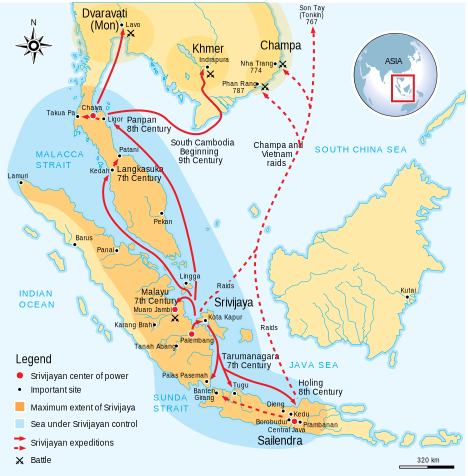
1297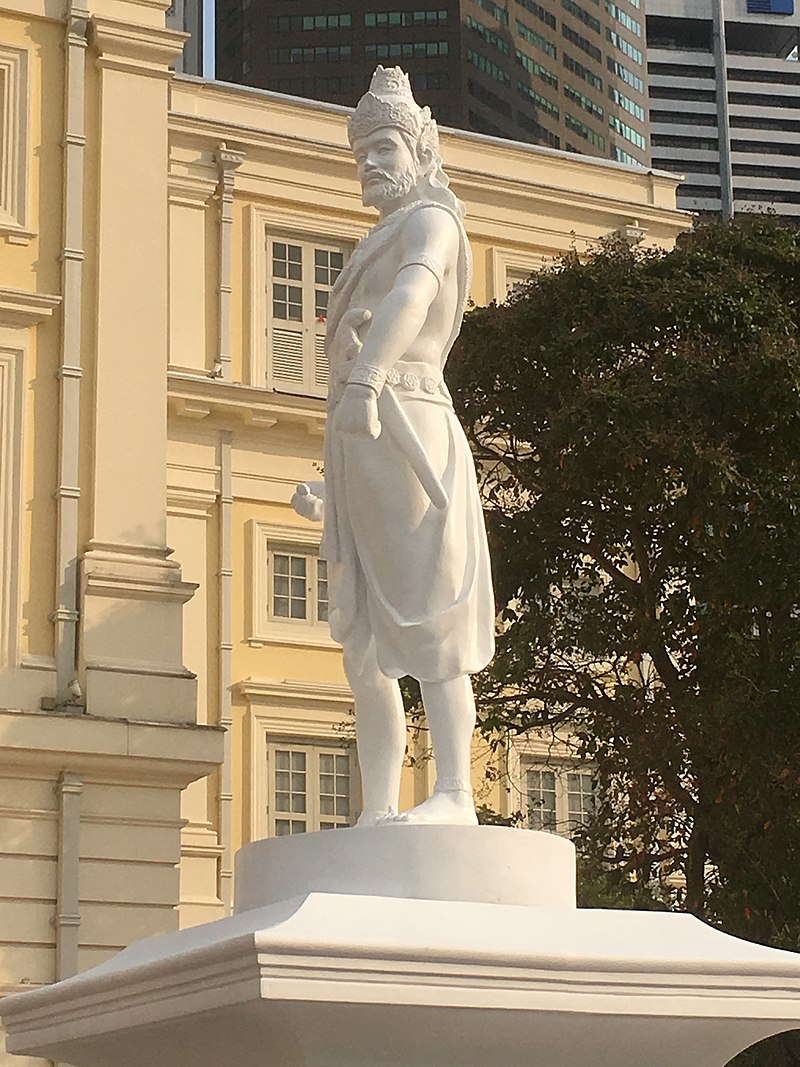
Sang Nila Utama, a Srivijayan prince, sailed to the island of Singapore in the 13th century. Legend has it that as he arrived, he encountered a majestic creature which he believed to be a lion, leading to the naming of the island 'Singapura', meaning Lion City in Sanskrit.
The arrival of Sang Nila Utama marked the founding of the Kingdom of Singapura, establishing it as a trading post that quickly prospered due to its strategic location along the maritime routes. Under his rule, Singapura became a thriving port attracting traders from China, India, and the Middle East, boosting its economy and cultural exchange.
The Kingdom of Singapura flourished as a vibrant trading hub for several centuries until it faced internal strife and external threats, leading to its eventual decline and fall. Despite its eventual demise, the legacy of Sang Nila Utama's arrival and the establishment of Singapura laid the foundation for Singapore's future development as a cosmopolitan city-state and global financial center.
Today, Singapore continues to honor its heritage and origins, with Sang Nila Utama revered as a significant figure in the nation's history. The story of his arrival and the founding of Singapura remains a central part of Singapore's cultural identity, reflecting its rich multicultural heritage and roots as a maritime trading hub.
#SangNilaUtama #Singapura #TradingHub #CulturalIdentity #MaritimeHistory
View details