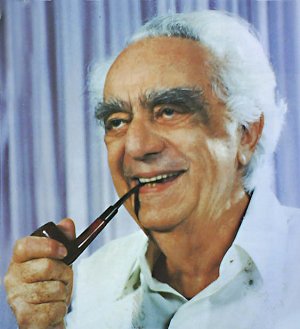
Government of Marshall resigns.
Singapore
Political
4 min read
Updated By: History Editorial Network (HEN)
Published:
In 1956, the government of David Marshall in Singapore resigned due to failed negotiations with the British colonial authorities regarding self-governance. The breakdown in talks led to a loss of confidence in Marshall's ability to secure autonomy for Singapore.
Marshall, the leader of the Labour Front party, had been pushing for full self-governance for Singapore, advocating for local control over internal affairs. However, the British were hesitant to grant such power, leading to a political stalemate. Faced with the inability to achieve his political goals, Marshall decided to step down, believing that his resignation would pave the way for new leadership to navigate the challenging negotiations.
The resignation of Marshall's government had a significant impact on the political landscape of Singapore. It marked a turning point in the push for self-governance and highlighted the complexities of negotiating with the British colonial authorities. The event also underscored the importance of strong and strategic leadership in advocating for the interests of Singaporeans on the international stage.
In the aftermath of the resignation, Marshall's successor, Lim Yew Hock, took the reins of government and continued the negotiations with the British. His tenure saw the eventual establishment of internal self-government for Singapore in 1959, setting the stage for full independence in 1965.
The resignation of the Marshall government exemplified the challenges and complexities of the decolonization process in Singapore. It highlighted the need for tenacity and strategic negotiation skills in navigating the path to self-governance and independence. The event serves as a reminder of the importance of strong leadership in advocating for the interests of the people. #Singapore #SelfGovernance #Decolonization #Leadership

Explore the Life Moments of
 AI Twin