
Jamaica

Tropical Paradise
About
#Jamaica
#Caribbean
#OneLove
Life Classification
Contry
Life ID
EL2457615996715
Verified Name
jamaica
Life Type
Entity Life
Life Editor(s)
History Editorial Network (HEN)
Life Privacy
Public
Subscription
Elite
Created On
2024-08-21
Updated On
2025-12-19
Connect
Related Lives

Malawi
Warm Heart of Africa

Slovenia
Green Heart of Europe

Poland
The Land of a Thousand Lakes

Mexico
The Land of the Maya

Colombia
Land of Diversity and Beauty

Cape Verde
Jewel of the Atlantic

Cambodia
The Kingdom of Wonder

Netherlands
The Land of Tulips and Windmills

2025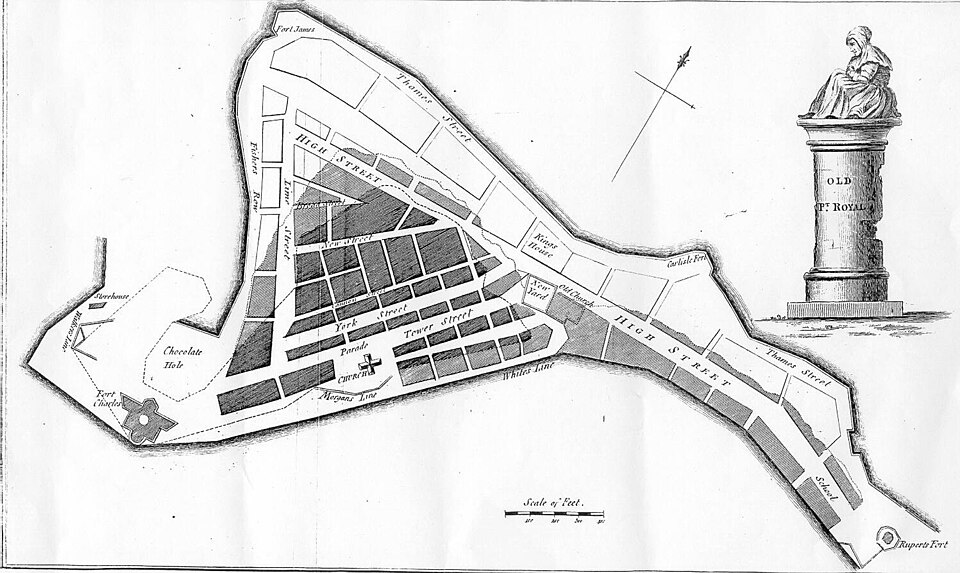
Port Royal has been officially designated as a UNESCO World Heritage Site, recognizing its outstanding historical and cultural significance. Located on the coast of Jamaica, Port Royal was once one of the most important ports in the Caribbean during the 17th century, known for its role in global trade, naval power, and colonial expansion. Often described as one of the richest cities in the world at its height, Port Royal was a major hub for merchants, sailors, and privateers. Its dramatic decline followed the devastating earthquake of 1692, which submerged much of the city underwater, preserving it as a unique archaeological site. UNESCO’s designation acknowledges Port Royal’s exceptional value as a window into early modern maritime history and urban life.
The World Heritage status carries important cultural, educational, and economic implications. It highlights the need to protect and conserve both the underwater and terrestrial remains of Port Royal, which provide rare insights into colonial architecture, trade networks, and daily life in the Caribbean. The designation is also expected to boost heritage tourism, supporting local development while promoting responsible preservation practices. For Jamaica, the recognition strengthens national pride and international visibility, placing Port Royal among globally significant heritage sites. UNESCO emphasized that safeguarding the site will require sustained conservation efforts, research, and community involvement. Overall, the inscription of Port Royal as a World Heritage Site affirms its global historical importance and ensures that its legacy will be preserved for future generations.
View detailsThe European Union has removed Jamaica from its list of high-risk jurisdictions for money laundering and terrorist financing, marking an important development in the country’s international financial standing. The decision followed an assessment by EU authorities that recognized Jamaica’s progress in strengthening its anti-money laundering and counter-terrorism financing framework. Over recent years, Jamaica implemented legislative reforms, enhanced regulatory oversight, and improved enforcement mechanisms in line with recommendations from international bodies such as the Financial Action Task Force. These measures included stronger customer due diligence requirements, better monitoring of financial institutions, and increased cooperation between regulators and law enforcement agencies. The EU’s decision reflects confidence that Jamaica has addressed key deficiencies previously identified in its financial system.
The removal from the high-risk list carries significant economic and reputational implications for Jamaica. It is expected to ease financial transactions with European banks, reduce compliance costs for businesses, and improve access to international investment and trade opportunities. The decision also supports Jamaica’s broader efforts to position itself as a stable and transparent financial hub in the Caribbean. From a diplomatic perspective, the move strengthens Jamaica’s relations with the European Union and signals international recognition of its reform efforts. Analysts note that maintaining this status will require continued vigilance, consistent enforcement, and adaptation to evolving financial risks. Overall, the EU’s decision represents a positive milestone for Jamaica, reinforcing confidence in its financial governance and contributing to long-term economic stability and growth.
View details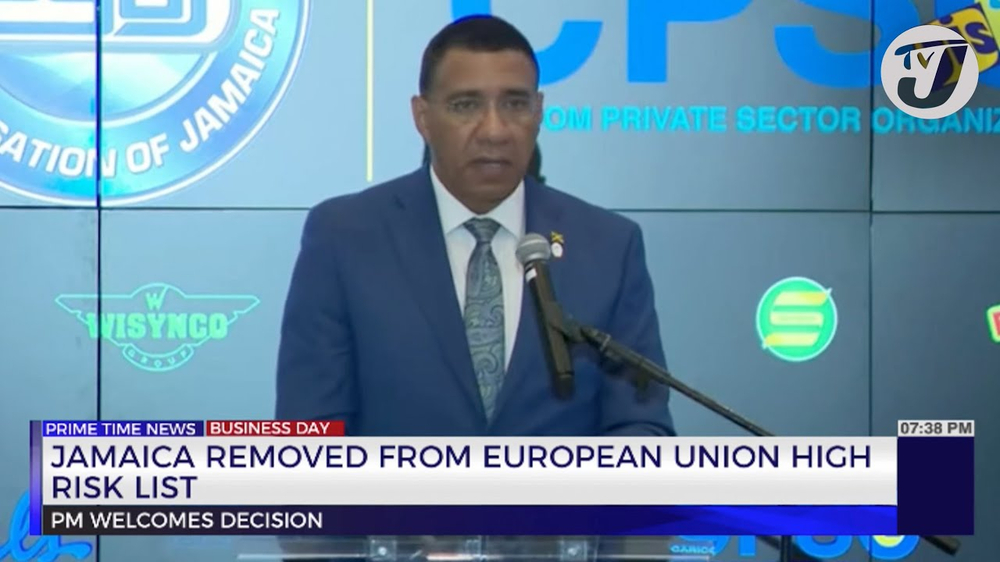
2023
In 2023, Prime Minister Andrew Holness expressed Jamaica’s willingness to send troops to Haiti as part of a multinational security assistance mission aimed at addressing the country’s escalating crisis. Haiti has faced severe instability due to widespread gang violence, political paralysis, and the collapse of basic public services, creating urgent humanitarian and security concerns. Holness stated that Jamaica was prepared to contribute personnel to an internationally coordinated effort, emphasizing regional responsibility and solidarity within the Caribbean. His announcement aligned with discussions led by international partners seeking to support Haitian authorities in restoring public order and protecting civilians. Jamaica’s position reflected ongoing consultations with regional organizations and global allies to ensure that any deployment would be lawful, well-coordinated, and supported by clear mandates.
The significance of Jamaica’s willingness lies in its broader regional and diplomatic implications. As a leading Caribbean nation, Jamaica’s potential participation demonstrated commitment to collective security and stability in the region. The move also highlighted the growing role of Caribbean states in addressing regional crises rather than relying solely on external powers. At the same time, Holness emphasized that any deployment would consider the safety of Jamaican personnel and require international backing, including logistical and financial support. Observers noted that Jamaica’s stance strengthened calls for a coordinated multinational response while underscoring the complexity of intervention in Haiti’s fragile environment. Overall, the announcement marked an important moment in regional diplomacy, reflecting shared concern over Haiti’s crisis and the pursuit of collaborative solutions.
View details2020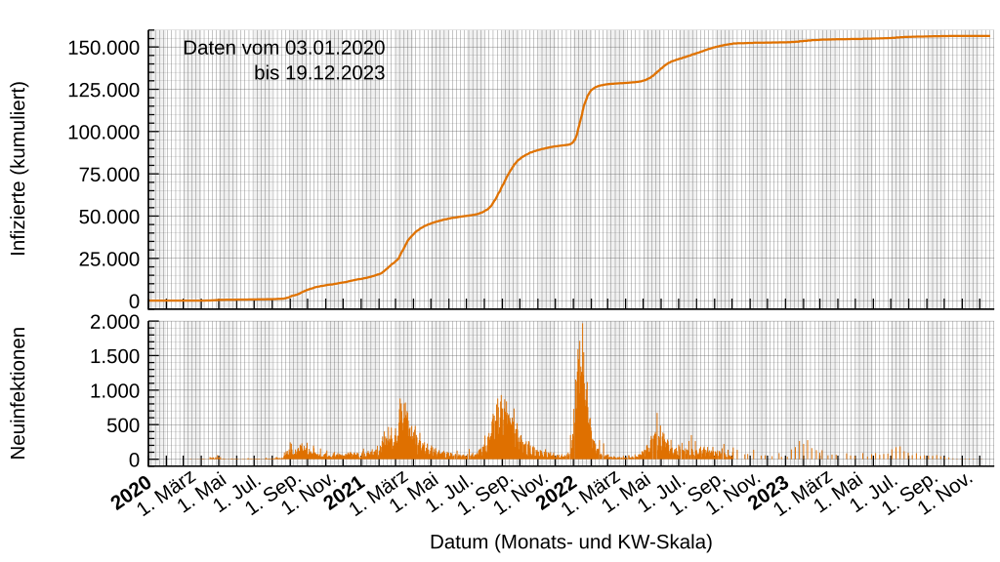
On March 10th, health officials confirmed the first case of COVID-19 in Jamaica. The patient, a female Jamaican national, had returned from the United Kingdom five days prior. Upon arrival, she self-isolated and later reported symptoms consistent with the virus. Her diagnosis ushered the country into a state of heightened alert.
In response, the Jamaican government swiftly initiated robust measures to mitigate the spread of the virus. Schools were closed, public gatherings were limited, and social distancing guidelines were imposed. Efforts were made to bolster the healthcare system. Hospital capacity was increased, and quarantine protocols were established for those showing symptoms or exposed to confirmed cases.
The immediate impact was felt across various sectors. Travel restrictions affected tourism—a critical component of Jamaica's economy. Hotels saw cancellations, and airports implemented screening procedures for incoming travelers. The government also curtailed inter-island travel to prevent the virus from spreading to more vulnerable, rural areas.
Economic ramifications were significant. Small business owners and informal sector workers experienced disruptions in their livelihoods. The tourism and entertainment industries faced severe downturns. In response, the government rolled out financial aid packages to support affected individuals and businesses.
Public health communication was crucial in managing the crisis. Officials emphasized hygiene practices such as handwashing and mask-wearing. Public service announcements and digital campaigns focused on educating the populace about maintaining safety and the importance of adhering to public health guidelines.
Weekly updates from the Ministry of Health and Wellness kept the public informed. Data sharing on confirmed cases, recoveries, and fatalities helped maintain transparency. Community health workers played a vital role in tracing contacts and providing essential services.
As cases began to rise, the government enforced curfews and lockdowns in heavily affected areas. Law enforcement agencies worked in tandem with health officials to ensure compliance. Despite these measures, community transmission presented ongoing challenges.
COVID-19's confirmation in Jamaica marked the beginning of a country-wide public health campaign. The government, private sector, and citizens collectively adapted to new realities in a bid to curb the virus.
#COVID19Jamaica #HealthMeasures #PublicSafety #EconomicImpact #CommunityEffort #MoofLife
View details2018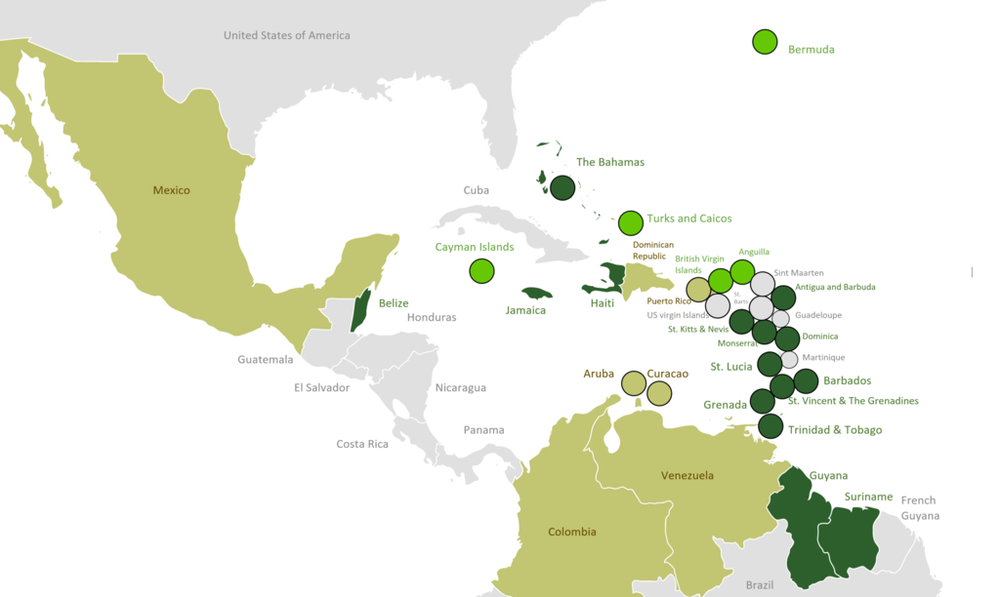
The Caribbean Community (CARICOM) Heads of Government Conference took place in Montego Bay, Jamaica. This conference involved key discussions between Caribbean leaders on pertinent issues affecting the region. It was an important gathering, bringing together heads of state, government officials, and policymakers to address economic development, trade, climate change, and regional security.
Jamaica, playing the role of host, was instrumental in facilitating conversations aimed at regional unity and collective progress. The Prime Minister of Jamaica underscored the significance of regional integration for economic growth and social development. Talks focused on enhancing intra-regional trade, improving transportation links, and fostering a cohesive strategy for engaging with external partners.
Notably, the conference saw the ratification of several agreements vital for the functioning of CARICOM and its member states. Among these were initiatives increasing the movement of skilled labor and mutual recognition of educational and professional qualifications. Statistical data presented at the meeting highlighted the economic potential of deeper cooperation, citing increases in regional trade by 15% over the past five years and the projected growth that such integration efforts might yield.
Climate change was another major topic, with participating nations discussing collaborative efforts to combat its impacts. Small island nations within CARICOM are particularly vulnerable to climate-related events, and the shared commitment to renewable energy projects and sustainable development goals was reaffirmed.
The Prime Ministerial Sub-Committee on External Negotiations provided insights into ongoing trade negotiations with major economies, stressing the need for a united front to protect the Caribbean's interests. Cultural exchange programs and regional security strategies were also on the agenda, aiming to build a more resilient and interconnected community.
Conclusively, the conference underscored the vitality of unity and collaboration in tackling regional challenges and leveraging opportunities. It emphasized the role of collective action in driving sustainable development and prosperity in the Caribbean.
#CARICOM #RegionalIntegration #EconomicGrowth #ClimateAction #TradeNegotiations #MontegoBay #MoofLife
View details2010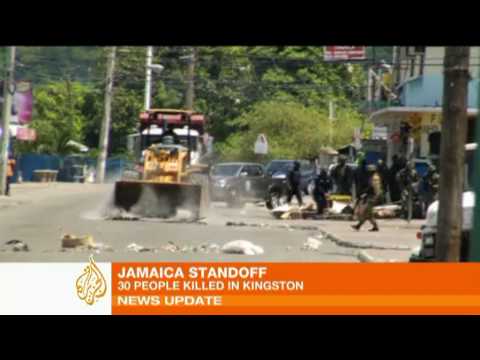
The 2010 Kingston unrest was a significant and violent episode in Jamaica's recent history, rooted in the long-standing issues of crime, politics, and social inequality. The unrest was sparked by the Jamaican government's decision to arrest and extradite Christopher "Dudus" Coke, a powerful and feared drug lord and the leader of the Shower Posse, a notorious gang with deep ties to the community of Tivoli Gardens in West Kingston, and extensive criminal networks in the United States.
Christopher Coke, often referred to simply as "Dudus," was not just a criminal; he was a figure who embodied the complex relationship between politics and crime in Jamaica. Dudus had inherited his position from his father, Lester Lloyd Coke, also known as "Jim Brown," who had also led the Shower Posse. The gang, notorious for its involvement in drug trafficking and gun-running, had a fearsome reputation in both Jamaica and the United States.
However, Dudus was also seen as a protector and benefactor in Tivoli Gardens. He provided financial support, jobs, and social services to the residents, filling a void left by the government. This earned him the loyalty and even adoration of many in the community, making him a formidable figure in Jamaican society.
The trouble began when the United States requested Dudus's extradition on charges of drug trafficking and gun-running. The Jamaican government, led by Prime Minister Bruce Golding, initially hesitated to comply, citing concerns over the legality of the wiretap evidence provided by the U.S. This delay raised suspicions about the influence of Dudus and the Shower Posse on Jamaican politics, as Golding was the Member of Parliament for West Kingston, which included Tivoli Gardens.
Under mounting international pressure and increasing criticism at home, Golding eventually agreed to the extradition request in May 2010. This decision set the stage for a confrontation, as Dudus's supporters in Tivoli Gardens and elsewhere vowed to protect him at all costs.
The Jamaican government's move to arrest Dudus triggered a violent response. On May 23, 2010, the government declared a state of emergency in Kingston and St. Andrew, covering Tivoli Gardens. Security forces, including the Jamaican Defence Force (JDF) and the Jamaican Constabulary Force (JCF), were deployed in large numbers to apprehend Dudus.
What followed was a brutal and bloody conflict. Tivoli Gardens was transformed into a war zone as heavily armed gang members fortified the area and engaged in fierce battles with the security forces. The residents, many of whom were loyal to Dudus, were caught in the crossfire.
The operation lasted several days, during which the security forces were accused of using excessive force, leading to significant civilian casualties. Official reports stated that at least 73 people were killed, although some sources claim the number was higher. The Jamaican government later faced serious criticism for the way the operation was conducted, with allegations of extrajudicial killings and human rights abuses.
On June 22, 2010, Dudus was finally captured by the Jamaican authorities, ending a month-long manhunt. Disguised in a wig and women's clothing, he was apprehended on the Mandela Highway and later extradited to the United States, where he was tried and sentenced to 23 years in prison on drug trafficking charges.
The 2010 Kingston unrest left a deep scar on Jamaica. It exposed the deep-rooted issues of poverty, crime, and the complicated ties between politics and criminal organizations in the country. The event also raised serious questions about the conduct of the Jamaican security forces and the government's commitment to human rights.
In the years that followed, the Jamaican government attempted to address some of the underlying issues, including launching investigations into the conduct of the security forces during the operation. However, for many in Tivoli Gardens and the wider Jamaican society, the events of May 2010 are a stark reminder of the challenges the country faces in dealing with crime, corruption, and social inequality.
#KingstonUnrest #ChristopherDudusCoke #JamaicanHistory #MomentsOfLife #MoofLife_Moment #MoofLife
View details2009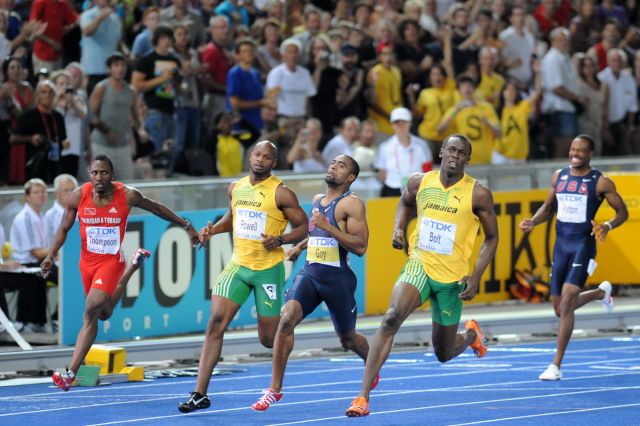
At the World Athletics Championships, held in Berlin, Usain Bolt entered the spotlight on the record-breaking 100 meters race. Expectations were high as Bolt had already shown phenomenal speed, but what unfolded in the seconds that followed stunned the world.
When the starting gun fired, Bolt burst out of the blocks with an intensity that left spectators in awe. His strides seemed longer and more powerful than anyone had ever witnessed before. As he surged down the track, it became evident that history was unfolding. Bolt crossed the finish line, clocking in at 9.58 seconds, shattering his own previous world record.
The achievement was remarkable in the context of athletics. Bolt’s time of 9.58 seconds did not just break records; it redefined what humans thought possible in sprinting. To put it into perspective, his average speed during the race was 37.58 km/h, with his top speed recorded at 44.72 km/h (27.79 mph).
Bolt's victory had several immediate impacts. It solidified his status as the fastest man in the world and brought immense pride to his home country of Jamaica. His performance received widespread media coverage and was hailed as one of the greatest accomplishments in sports history.
Analyzing Bolt's race provides insight into the advancements in biomechanics, training methods, and athletic performance. Bolt's height, at 6 feet 5 inches, gives him a unique advantage. His long legs allowed him greater stride length, covering more ground with each step, which played a significant role in his speed.
Bolt's achievement also sparked discussions within the scientific community about human limits in sprinting. Researchers began to delve deeper into understanding the biomechanics and physiology that enabled Bolt to achieve such groundbreaking speeds.
Furthermore, Bolt's record-breaking run had a ripple effect on sports marketing and commercial endorsements. He became a global icon, attracting partnerships with leading brands and inspiring a generation of athletes.
Usain Bolt's 9.58-second record in the 100 meters remains an enduring symbol of athletic excellence, scientific exploration, and national pride. This performance continues to inspire, reminding the world of the extraordinary capabilities of the human body.
#WorldAthletics #UsainBolt #FastestMan #JamaicanPride #MoofLife
View details2006
Portia Simpson Miller's ascension as the inaugural female Prime Minister of Jamaica marked a pivotal chapter in the nation's political history. Before assuming the highest office, Simpson Miller had been active in Jamaican politics for several decades, serving in various ministerial roles that highlighted her dedication to social services, labor, and sports.
Simpson Miller’s rise to the premiership was a culmination of her laborious efforts within the People’s National Party (PNP), which she had joined in the early stages of her political career. Her tenure in various ministerial capacities furnished her with the requisite experience and public trust to lead the country. Her work in the Ministry of Labour and Social Security, particularly, garnered attention for advocating workers' rights and social reforms.
The announcement of Simpson Miller as Prime Minister was met with widespread support and optimism, reverberating beyond Jamaica's borders. The impact of her leadership was evident in both symbolic and practical terms. As the first woman to hold this esteemed position, she broke a longstanding gender barrier within Jamaican politics, inspiring many, especially women and young girls, across the Caribbean.
Her administration prioritized issues such as poverty alleviation, education reform, and economic development. Simpson Miller's leadership witnessed Jamaica navigating complex socio-economic landscapes, with efforts directed toward bolstering the nation's economic resilience and infrastructure.
Statistically, her tenure didn't immediately transform Jamaica's economic metrics, which often fluctuate due to external global factors. However, her policies aimed at long-term structural improvements and social welfare reforms reflected her commitment to progressive governance. Public opinion during her term highlighted a blend of support and critique, a common scenario in democratic leadership landscapes.
Simpson Miller’s legacy is often viewed through the lens of her groundbreaking status as a female leader in a predominantly male-dominated political sphere and her unwavering focus on issues pertaining to the betterment of grassroots communities. Her leadership symbolized hope and the potential for furthering inclusive governance.
#PortiaSimpsonMiller #JamaicanPolitics #WomenInLeadership #BreakingBarriers #PoliticalHistory #MoofLife
View details2004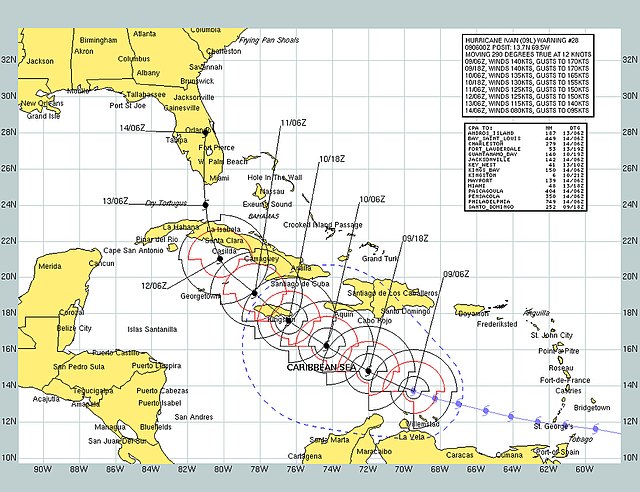
Hurricane Ivan, a powerful Category 4 storm, struck Jamaica with devastating force, causing extensive damage across the island. Emerging from a tropical wave, Ivan strengthened rapidly while moving through the Caribbean Sea. Its approach prompted widespread evacuations and emergency preparations, as meteorologists warned of its potential for destruction.
The hurricane made landfall with sustained winds of 150 mph, bringing heavy rainfall, storm surges, and powerful waves. Coastal areas were the most severely affected, as the storm surge inundated low-lying regions, leading to widespread flooding. In the capital, Kingston, and other major towns, infrastructure suffered with roads, bridges, and buildings either destroyed or severely damaged.
Electricity and communication networks failed in many areas, isolating communities and complicating rescue efforts. The agricultural sector faced heavy losses, with crops and livestock destroyed, impacting both local food supply and the economy. Key sectors such as tourism and fishing also suffered setbacks due to damaged facilities and resources.
Casualties were reported, with lives lost and numerous injuries. Numerous residents found their homes either compromised or reduced to rubble, leading to a significant displacement of people. Relief efforts were mobilized, with national and international agencies stepping in to provide immediate assistance. Food, water, medical supplies, and temporary shelters were among the primary needs addressed in the aftermath.
Economically, the damage ran into millions of dollars, affecting the nation's GDP and long-term recovery prospects. The reconstruction of infrastructure, homes, and businesses required extensive funding and coordinated efforts over several years. Despite the setbacks, the resilience of the Jamaican people played a crucial role in the rebuilding process.
In summary, Hurricane Ivan's impact on Jamaica was profound, disrupting lives, the economy, and infrastructure. It highlighted the importance of disaster preparedness and the need for robust support systems to cope with such natural calamities.
#HurricaneIvan #Jamaica #NaturalDisaster #EmergencyResponse #MoofLife
View details1988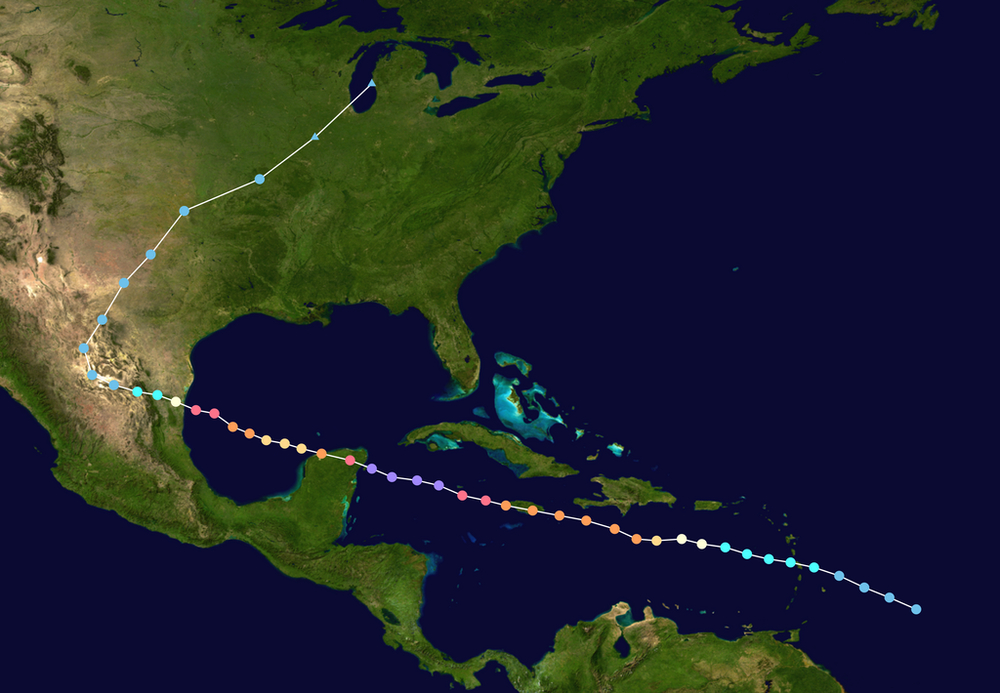
In a critical event, Jamaica was hit by Hurricane Gilbert, one of the most powerful hurricanes to affect the island. Originating from the Atlantic Ocean, Gilbert intensified quickly and made landfall as a Category 3 hurricane, bringing winds that exceeded 120 mph. This natural disaster caused unprecedented havoc, impacting nearly all parts of the island.
The storm's intensity led to the devastation of key infrastructure. Approximately 80% of homes experienced significant damage, leaving thousands of residents homeless. Major roads were rendered impassable, and power lines were downed, leading to widespread power outages. Communication networks were severely disrupted, complicating relief efforts.
Agriculture, a vital sector for Jamaica's economy, faced substantial losses. The banana industry was especially hard-hit, with almost the entire crop wiped out. This had a ripple effect on the economy, aggravating supply issues and inflation. Additionally, public health concerns rose due to the contamination of water supplies and inadequate sanitation facilities, leading to increased cases of waterborne diseases.
In the wake of the hurricane, emergency response teams were mobilized, both locally and internationally. Relief supplies including food, water, and medical aid were flown in. The Jamaican government, alongside international agencies, initiated reconstruction programs to rebuild homes, repair infrastructure, and restore essential services.
The financial impact of Hurricane Gilbert was considerable, with damages estimated at over $700 million. This figure exacerbated the country's economic challenges and necessitated robust recovery strategies. Despite the substantial devastation, the resilience and effort of the Jamaican population in rebuilding their lives and communities were noteworthy.
While the immediate aftermath was fraught with hardship, the event also highlighted the importance of disaster preparedness and effective response systems. The lessons learned from this disaster shaped future policies, enhancing the nation's ability to handle similar events.
#Jamaica #HurricaneGilbert #NaturalDisaster #InfrastructureDamage #AgriculturalImpact #EmergencyResponse #EconomicRepercussions #Resilience #ReliefEfforts #MoofLife
View details1978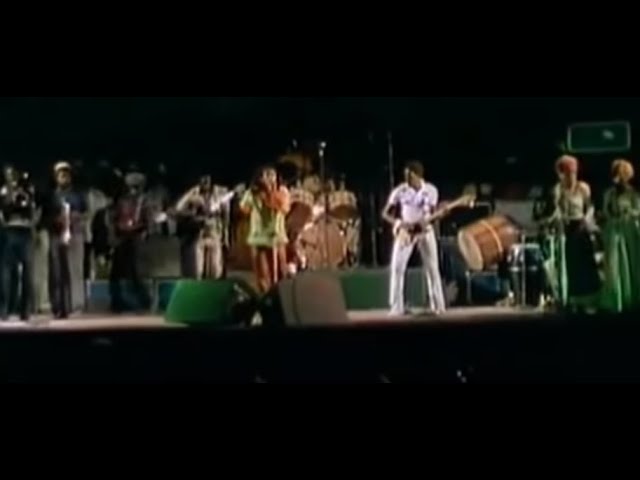
The One Love Peace Concert, held on April 22, 1978, at the National Stadium in Kingston, Jamaica, is one of the most iconic events in the history of reggae music and Jamaican politics. It was a momentous occasion that transcended music, becoming a powerful symbol of peace and reconciliation in a country deeply divided by political violence.
The 1970s were a tumultuous period for Jamaica, marked by intense political rivalry between the two main parties: the People's National Party (PNP), led by Prime Minister Michael Manley, and the Jamaica Labour Party (JLP), led by Edward Seaga. The political landscape was so polarized that it often erupted into violence, with gangs aligned with either party clashing in brutal confrontations. The country was on the brink of civil war, with the capital city, Kingston, particularly affected by the bloodshed.
Amid this backdrop of turmoil, reggae music emerged as a powerful cultural force, with its messages of unity, love, and resistance resonating deeply with the Jamaican people. At the forefront of this musical revolution was Bob Marley, whose global popularity gave him a unique platform to influence social and political issues.
The One Love Peace Concert was organized by two prominent figures in the Jamaican music industry, Jacob Miller and Tommy Cowan, under the banner of the "Peace Movement." Their goal was to use music to bridge the gap between the warring factions and to promote peace and unity in Jamaica. The concert brought together 16 of the biggest names in reggae at the time, including Peter Tosh, Bunny Wailer, Dennis Brown, and Bob Marley & The Wailers.
The event attracted over 32,000 attendees, including members of both the PNP and JLP, as well as ordinary Jamaicans longing for an end to the violence. The concert was not just a musical event but a political statement, calling for an end to the bloodshed and a return to unity and love.
The highlight of the night was Bob Marley's performance, which became one of the most iconic moments in the history of music and politics. Marley, who had been living in exile in London following an assassination attempt in 1976, returned to Jamaica specifically for this concert. His set included some of his most powerful songs, including "War" and "Jamming," which carried messages of peace and resistance.
The most unforgettable moment came during the performance of "Jamming," when Marley, in an unprecedented move, called Prime Minister Michael Manley and Opposition Leader Edward Seaga to the stage. As the crowd watched in awe, Marley brought the two rivals together, holding their hands aloft in a symbolic gesture of unity. The image of Marley standing between the two leaders, their hands clasped together, became an enduring symbol of the possibility of peace in a divided nation.
This moment was more than just a publicity stunt; it was a profound statement of Marley's belief in the power of music to heal and bring people together. It also underscored his role as not just a musician but a peacemaker and a spiritual leader for his people.
The One Love Peace Concert did not immediately end the violence in Jamaica, but it marked a turning point in the country’s history. The concert highlighted the deep yearning for peace among the Jamaican people and the potential for music to serve as a unifying force. In the years that followed, while political violence did not disappear overnight, the concert's message of unity continued to resonate.
For Bob Marley, the concert solidified his status as a global icon of peace and justice. His role in bringing Manley and Seaga together on stage is often seen as one of his most significant contributions to his homeland, reflecting his commitment to using his influence for the greater good.
The One Love Peace Concert also left a lasting legacy on the global stage. It is frequently cited as a powerful example of the role that artists can play in political and social movements. The concert is remembered not only for its music but for its bold statement about the power of love and unity in the face of division and conflict.
#OneLovePeaceConcert #BobMarley #JamaicanHistory #Reggae #MomentsOfLife #MoofLife_Moment #MoofLife
View details1972
Against the backdrop of a nation seeking change, the general elections in Jamaica resulted in the People's National Party (PNP) emerging victorious. The political landscape of Jamaica, characterized by its two main parties—the People's National Party and the Jamaica Labour Party (JLP)—was at a pivotal juncture. The PNP, led by Michael Manley, gained traction with a platform dedicated to social reform and economic development, promising a new direction for the country.
Leading up to the elections, widespread issues such as unemployment, inflation, and social inequality fueled public sentiment. As polling day approached, there was a palpable sense of anticipation across the island. Voters turned out in significant numbers, driven by a desire for progress and transformation.
The election results saw the PNP secure a decisive win, capturing 37 seats out of the 53 in the House of Representatives. This victory provided the party with a substantial mandate to implement its proposed policies. Michael Manley assumed the role of Prime Minister, ushering in a period marked by efforts to address the socio-economic challenges facing the nation. Key initiatives included land reform, improved educational opportunities, and nationalization of certain industries to foster greater economic self-reliance.
The PNP's victory also carried international significance, highlighting Jamaica's engagement with global movements advocating for social justice, economic equity, and greater political involvement of the working class. Jamaica's electoral outcome reflected broader currents of change within the Caribbean and beyond, aligning with a global wave of decolonization and national identity assertion.
The results and the subsequent policies had a lasting impact on Jamaica's socio-political fabric. The emphasis on social equity and economic reform shaped the nation's policy direction for years to come, influencing later political discourse and legislative priorities. Manley's leadership and the PNP’s reforms became foundational elements of Jamaica's modern history, significantly affecting the country's development trajectory.
#JamaicaPolitics #PNPVictory #MichaelManley #EconomicReform #SocialJustice #GeneralElections #MoofLife
View detailsThe Jamaican film industry can trace its roots back to the 1950s and 1960s, a period when the island was undergoing significant social and political changes leading up to its independence from Britain in 1962. During this time, Jamaica was experiencing a growing sense of national identity, and the arts became an important medium for expressing this newfound consciousness.
The earliest films made in Jamaica were largely documentaries and newsreels, many of which were produced by foreign filmmakers interested in capturing the exotic appeal of the Caribbean. These films often depicted Jamaica from an outsider's perspective, focusing on its natural beauty and tourist attractions rather than the lived experiences of its people.
The true birth of Jamaica's film industry, however, is widely considered to have occurred in the 1970s with the release of The Harder They Come (1972). Directed by Perry Henzell, this film is a landmark in Jamaican cinema and is credited with putting Jamaica on the global film map.
The Harder They Come tells the story of Ivanhoe "Ivan" Martin, a young man from the countryside who comes to Kingston with dreams of becoming a music star, only to find himself entangled in the city's harsh realities, including crime and corruption. The film's protagonist, played by reggae star Jimmy Cliff, mirrors the struggles of many Jamaicans at the time, grappling with poverty, limited opportunities, and the lure of the urban underworld.
#JamaicanFilm #TheHarderTheyCome #JamaicanCulture #MomentsOfLife #MoofLife_Moment #MoofLife
View details
1962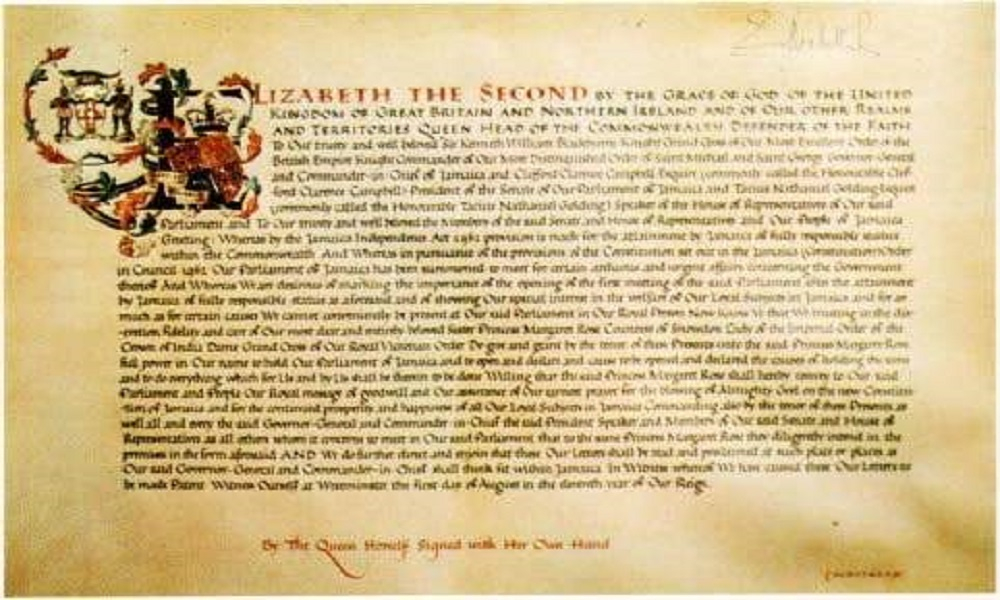
In the early 1960s, Jamaica made a definitive move towards self-governance. After years under British colonial rule, the island nation transitioned from a British colony to an independent state within the Commonwealth. The transition was the culmination of decades of socio-political efforts and negotiations, reflecting the island's burgeoning national consciousness and desire for greater autonomy.
Jamaica's path to independence was marked by a series of significant events, including the formation of local political parties in the 1930s, the establishment of a new constitution in the 1940s, and the gradual transfer of political powers from British hands to Jamaican leadership. The structure of the Jamaican government shifted to include an internally elected legislature accountable to local constituents, a vital step towards self-determination.
The economic landscape of Jamaica at this time was primarily agricultural, with sugar, banana, and coffee being the primary exports. Despite the economic reliance on these agricultural commodities, there were growing efforts to diversify and develop other sectors. This newly won political autonomy was seen as an opportunity to catalyze economic growth, foster international trade relations, and develop local industries.
Upon the transition to independence, Sir Alexander Bustamante became the first Prime Minister of the newly sovereign nation. Bustamante played a crucial role in Jamaica's labor movements and was instrumental in the political negotiations preceding independence. The country also adopted a new national flag, which symbolized the aspirations of the island's people: black represented the strength and creativity of the people, green signified agricultural richness and hope, and gold symbolized the sun's natural beauty and warmth.
The impact of this historic transition was profound, affecting all aspects of Jamaican society. National pride surged as Jamaicans took control of their political destiny. The global community recognized Jamaica as a distinct and sovereign entity, allowing it to partake independently in international organizations and forums.
The transition also had a ripple effect across the Caribbean, where many other territories were inspired by Jamaica's path to independence and began their own journeys towards self-governance.
#Independence #Jamaica #ColonialHistory #PoliticalChange #NationBuilding #MoofLife
View detailsKingston's transformation into a city marked an important chapter in Jamaica's history. Before this landmark event, Kingston was a thriving town with a rich cultural and economic landscape. Originally founded in 1692 after an earthquake devastated Port Royal, Kingston evolved rapidly, becoming the island's primary hub for trade and commerce.
As Kingston’s population grew, the complexities of its urban infrastructure also expanded. By the mid-20th century, Kingston had established itself as the center of Jamaican life. The demand for urban planning and improved governance structure was evident. With a population exceeding 600,000 residents, Kingston's conversion into a city was an acknowledgment of its critical role in Jamaica's development.
The change to city status brought numerous administrative adjustments and opportunities. It meant a reevaluation of urban policies, better resource allocation, and comprehensive development plans. The new status aimed to attract more investments, improve public services, and enhance the overall quality of life for its inhabitants. It also enabled the local government to implement initiatives to boost the economy, drive tourism, and preserve cultural heritage.
Kingston's designation as a city was celebrated across Jamaica. It highlighted the island's journey towards modernization and economic self-sufficiency. The event was a clear signal of Jamaica's aspirations on the global stage.
The resulting transformations touched various aspects of daily life. Education, healthcare, and public infrastructure saw progressive changes. The University of the West Indies, established in Kingston, became an essential center for higher learning in the Caribbean. Healthcare facilities expanded their services, contributing to improved public health outcomes. Infrastructure projects such as roads, bridges, and public spaces received increased funding and attention.
This status change also had significant cultural implications. Kingston, known as the birthplace of reggae music, strengthened its identity as a cultural capital. Music and art from Kingston began to gain more recognition, influencing global music trends and the cultural landscape far beyond Jamaica’s borders.
Kingston's evolution into a city encapsulates Jamaica's spirit of resilience and growth. It reflects the island's readiness to embrace a future of possibilities while honoring its rich heritage and dynamic culture.
#KingstonCity #JamaicanHistory #UrbanDevelopment #CulturalHeritage #MoofLife
View details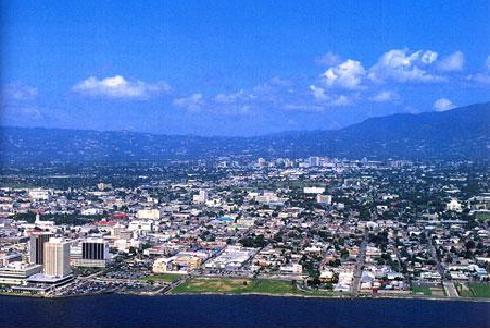
1948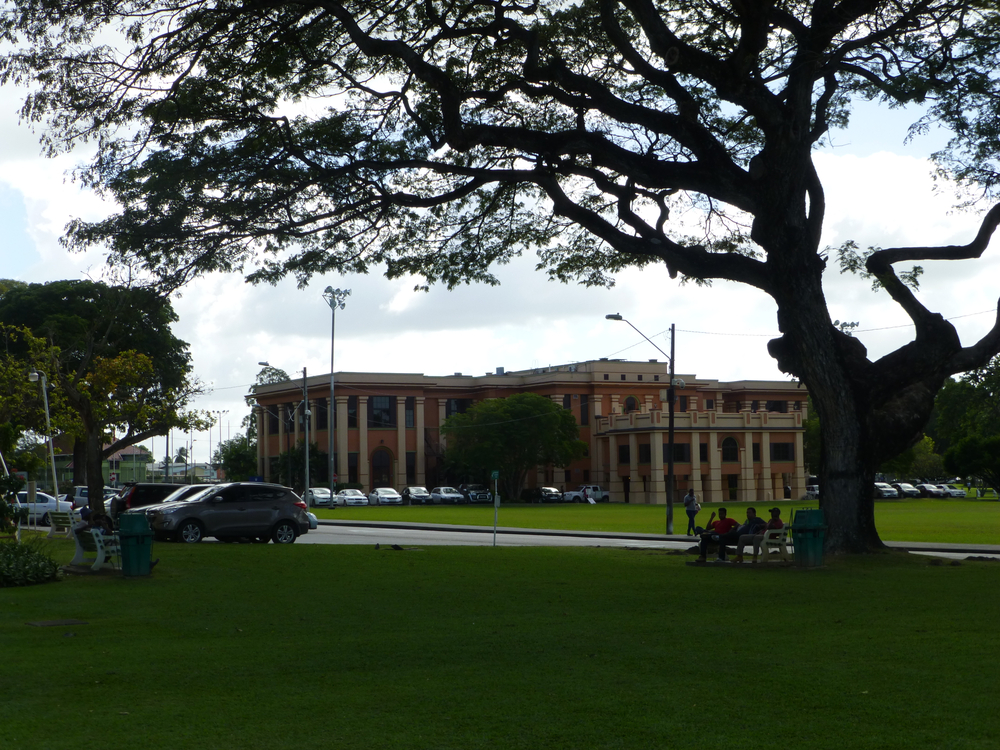
The establishment of the University College of the West Indies marked a pivotal development in higher education for Jamaica and the wider Caribbean. Stemming from the recommendations of the Asquith Commission on Higher Education in the Colonies, the university was envisioned as a colonial university to serve the British West Indies. The institution was situated at Mona, Jamaica, on the grounds of a former wartime camp that was converted to provide an academic environment.
The University College initially admitted 33 medical students, emphasizing its commitment to addressing regional needs for qualified professionals. Over time, it expanded its course offerings to include a variety of disciplines. This expansion was fueled by the growing demand for higher education in the Caribbean and reflected the university's role in fostering local expertise and leadership.
Financial and logistical support was provided by the British government and local Caribbean governments. Local communities and philanthropic bodies also played a critical role in supporting the establishment, showcasing a collaborative effort across multiple stakeholders. The university quickly grew beyond its initial premise, becoming a beacon of educational aspiration and regional unity.
The impact of the University College was profound. It provided access to tertiary education for Caribbean students who previously might have had to travel abroad for such opportunities. This not only democratized higher education but also facilitated the development of a skilled workforce equipped to address local challenges. As a result, the university played a significant role in nation-building and the socio-economic development of the region.
Graduates from the University College have gone on to occupy key positions in various sectors, contributing to public service, healthcare, education, and the private sector. The legacy of the institution reflects its foundational role in shaping the academic, professional, and cultural landscape of the Caribbean.
#UniversityCollegeoftheWestIndies #HigherEducation #Jamaica #CaribbeanEducation #AsquithCommission #RegionalDevelopment #MoofLife
View details1945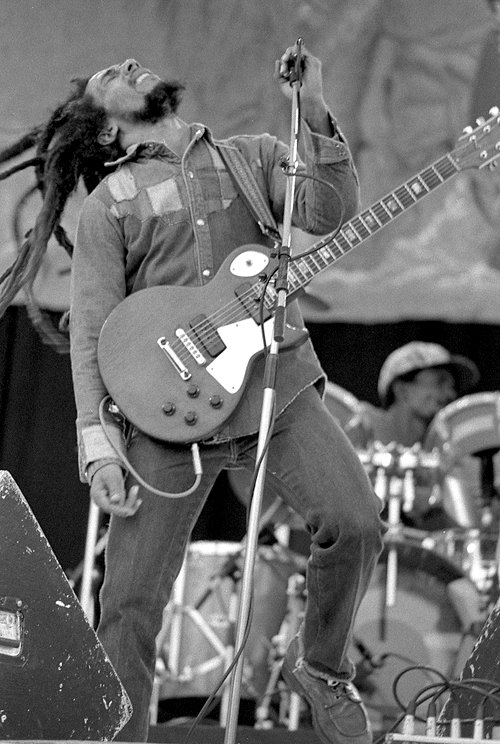
In the modest village of Nine Mile, Jamaica, a child was born who would later become one of the most influential musicians in the world. The child, named Robert Nesta Marley, grew up in a rural community that was profoundly shaped by the social and economic realities of Jamaican life. His early years were characterized by traditional Rastafarian beliefs, rich storytelling, and a deep connection to the island's culture.
Bob Marley's early exposure to music came from his mother, Cedella Booker, and the local Jamaican sounds that surrounded him. The pervasive influence of Rastafarianism, with its emphasis on cultural identity and resistance, played a crucial role in shaping his worldview and artistic expression. The environment in which he was raised imbued him with a sense of purpose that would later be evident in his music.
Marley's career began with the formation of the band The Wailers, alongside Bunny Wailer and Peter Tosh. The group's unique blend of reggae, ska, and rocksteady resonated with a broad audience. The band's success was marked by a series of hits that brought reggae music to the international stage. Songs like 'One Love' and 'No Woman, No Cry' not only entertained but also conveyed messages of love, peace, and social justice.
Bob Marley's impact extended beyond music. His advocacy for Pan-Africanism and his efforts to bring attention to issues of poverty and oppression in Jamaica and globally solidified his status as a cultural icon. He became a symbol of resilience and hope for many around the world, particularly in regions facing socio-political struggles.
Marley's influence can be quantified by his enduring popularity, with millions of records sold worldwide and numerous awards posthumously recognizing his contributions. His work has been preserved in the Grammy Hall of Fame and his legacy continues to inspire generations of artists and activists.
The birthplace of Bob Marley, Nine Mile, has since become a site of pilgrimage for numerous fans who seek to connect with the roots of this legendary artist. This quiet village in the Jamaican countryside stands as a testament to the origins of a figure whose impact on music and culture remains profound.
#NineMile #BobMarley #ReggaeRoots #CulturalIcon #GlobalInfluence #MusicLegend #MoofLife
View details1938
The labour riots in Kingston and St. Catherine emerged as a pivotal moment in Jamaica's socio-political landscape. At the time, the island was grappling with economic hardships, high unemployment rates, and poor working conditions. The unrest was primarily driven by widespread dissatisfaction among workers in the sugar and banana industries, sectors crucial to Jamaica's economy.
Tensions reached a boiling point when laborers, frustrated by low wages and lack of opportunities, began to organize and demand better treatment from their employers. The confrontations started in Kingston and spread to the parish of St. Catherine, reflecting deeper systemic issues. Sources indicate that the immediate cause of the riots was a strike initiated by dockworkers and porters in Kingston, which then influenced rural agricultural workers to join in the protests.
During this period, colonial authorities responded with force, deploying police and military personnel to quell the disturbances. Reports indicate that clashes resulted in several injuries and fatalities, although exact figures remain a matter of historical record. The unrest caused significant disruption to daily life and economic activities, signaling a need for socio-economic reforms.
The impact of the riots was extensive, leading to the formation of trade unions and contributing to the rise of political movements that aimed to address the grievances of the working class. Key figures emerged from the labor movement, who later played crucial roles in Jamaica's march towards self-governance. The events underscored the necessity for improved labor rights and set the stage for legislative changes and improved labor policies.
Despite immediate suppression, the labor unrest of Kingston and St. Catherine had lasting implications. It highlighted the urgency of addressing workers' demands and provided momentum for future labor reforms. The movement served as a catalyst for political and social change, significantly influencing Jamaica's labor laws and contributing to its eventual path towards independence.
#LabourRights #JamaicaHistory #EconomicReform #WorkersMovement #SocialChange #MoofLife
View detailsThe People's National Party (PNP) was formed during a period marked by social and economic unrest in Jamaica. The backdrop to its inception was characterized by widespread dissatisfaction among workers who faced low wages, poor working conditions, and lack of political representation. The labor strikes and riots that erupted were symptomatic of the broader discontent among the Jamaican populace.
Founded by prominent leaders including Norman Manley, the PNP aimed to address these issues through a platform advocating for social justice and workers' rights. The party also sought to promote self-governance for Jamaica, recognizing the need for Jamaicans to have greater control over their own affairs.
The impact of the formation of the PNP was profound. It provided a structured avenue for the expression of the economic and political grievances of the Jamaican people. The party played a pivotal role in the development of the labor movement in Jamaica, aligning itself with trade unions and reinforcing the push for better labor laws and conditions.
The PNP's establishment marked the beginning of organized political campaigning in Jamaica and set the stage for the country's future independence. It brought together various segments of society under a common cause, facilitating a collective movement towards greater political representation and national autonomy.
By consolidating efforts towards social reform and self-governance, the PNP significantly influenced the political landscape of Jamaica. Its formation was a catalyst for change, laying the groundwork for future political developments and the eventual path to independence.
#MoofLife #Jamaica #PoliticalHistory #WorkersRights #SocialJustice #PNP
View details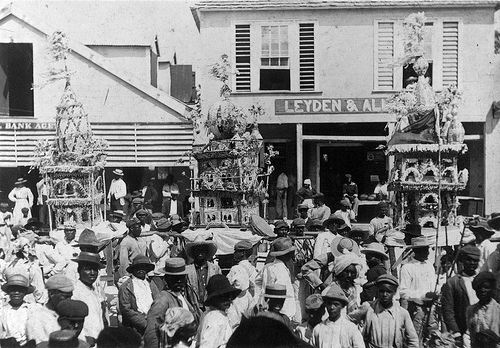
1936
In an era marked by intense socio-political changes and immigration waves, a group of Jamaican expatriates in New York City established the Jamaican Progressive League. This organization emerged out of a necessity to demand the recognition and betterment of Jamaican and Caribbean community needs abroad, and also sought to influence reforms in their homeland.
The league was founded to address the widespread socio-economic disparities and systemic injustices faced by Jamaicans, both at home and in the diaspora. Through advocating for political reforms, social equity, and economic advancements, the league intended to create a unified voice for the Jamaican community. Their mission extended to organizing educational programs and providing a platform for discussing critical issues affecting their compatriots.
The socio-political climate in Jamaica at the time was shaped by colonial rule, with limited opportunities for self-governance and pervasive racial inequalities. Many Jamaicans had migrated to the United States in search of better economic opportunities, and it was within this context that the progressive league found its purpose. The founders, propelled by their experiences and the desire for justice, sought to challenge the status quo and facilitate tangible change.
The establishment of the Jamaican Progressive League represented a pivotal moment for Jamaican activism, particularly in the context of migrant communities. By connecting the diaspora’s struggles with those in Jamaica, the league amplified issues of racial discrimination, labor rights, and the push for political liberty.
Statistics indicate that during this period, many Caribbean migrants faced significant barriers in the United States, marked by high unemployment rates, substandard living conditions, and racial prejudice. The league's efforts aimed to combat these issues by promoting unity and advocating for legislative changes both locally and in the Caribbean.
Through its activities, the Jamaican Progressive League contributed significantly to the sociopolitical dialogue, fostering a sense of solidarity and empowerment within the Jamaican community. Their advocacy laid the groundwork for future movements and organizations dedicated to justice and equality.
#JamaicanProgressiveLeague #CommunityAdvocacy #CaribbeanActivism #DiasporaVoices #MoofLife
View details1930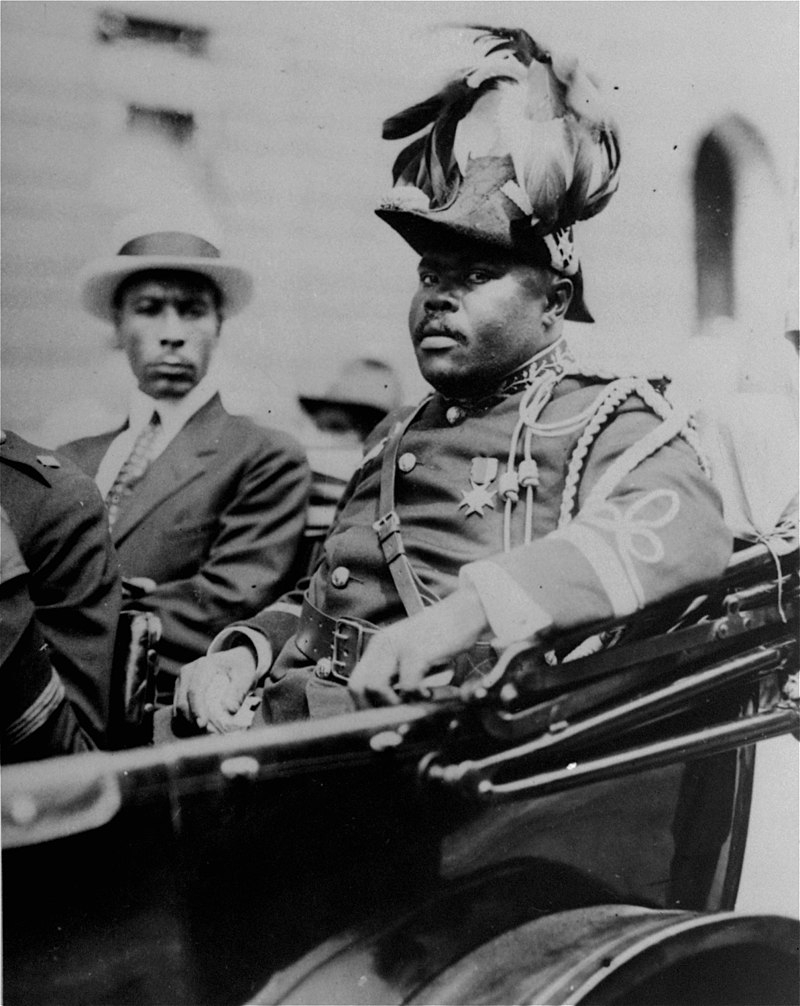
The Rastafari movement began when Ras Tafari Makonnen was crowned Emperor of Ethiopia, taking the name Haile Selassie I. This event held significant importance to many Jamaicans who had long held prophesies and beliefs about a black king in Africa who would lead them to liberation. Rooted deeply in the teachings of Marcus Garvey, a Jamaican political leader, the Rastafari movement emerged as a socio-religious movement that championed the return to African roots and cultural consciousness.
Followers of Rastafari, known as Rastafarians, regard Haile Selassie I as the incarnation of God (Jah) and see his coronation as a fulfilled prophecy. This belief system is intricately linked to the broader context of colonial oppression and the diaspora's search for identity. Rastafari adherents rejected the oppressive systems of the colonial powers and sought to create an association not only with their African heritage but also a sense of unity and solidarity among black people worldwide.
One of the central tenets of Rastafari is the belief in \
View details1896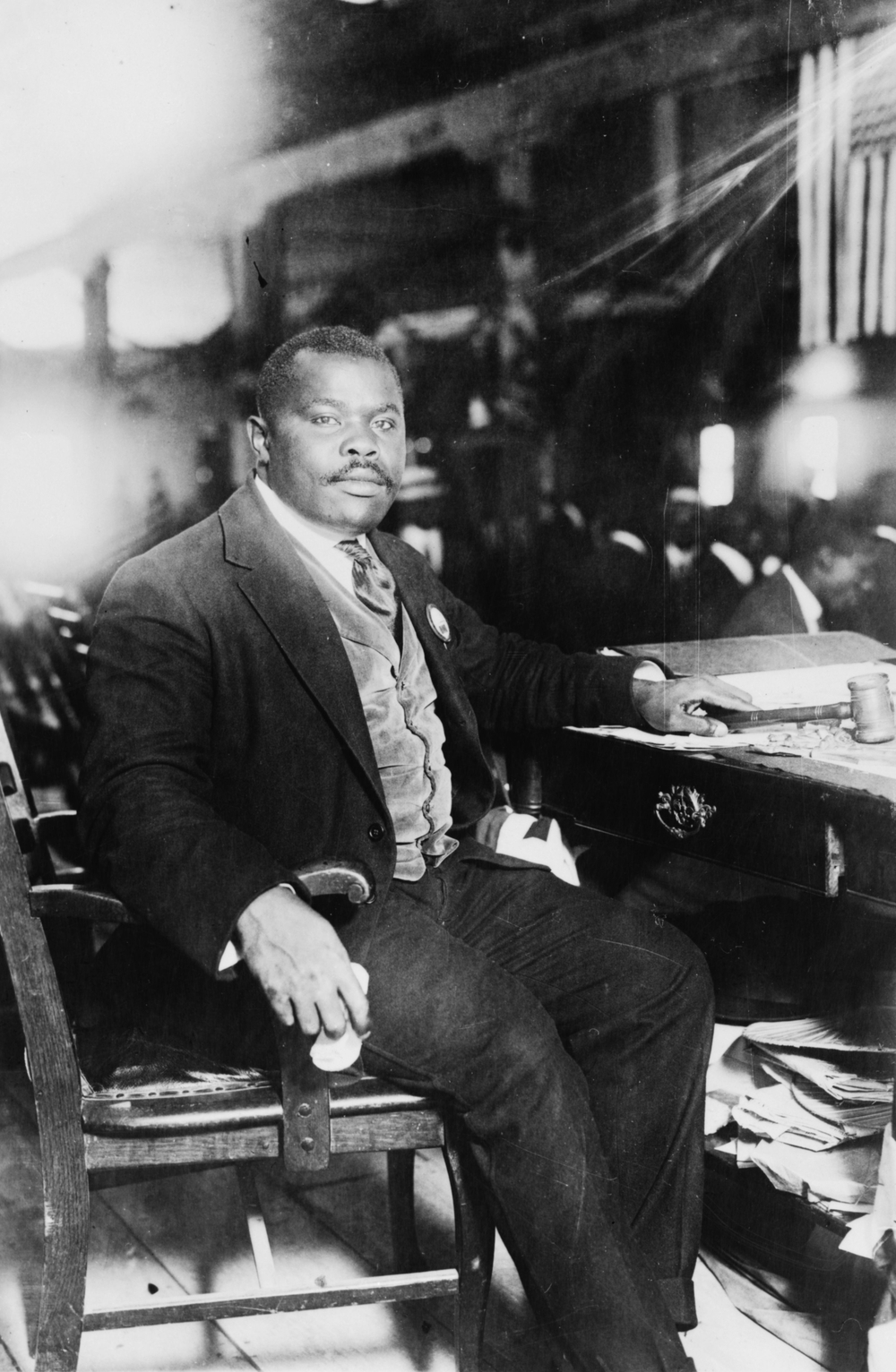
Marcus Garvey, born in Jamaica, became an influential figure responsible for galvanizing a mass movement aimed at uplifting people of African descent worldwide, commonly known as the Back to Africa Movement. As a political leader, Garvey founded the Universal Negro Improvement Association (UNIA), which sought to promote racial pride, economic self-sufficiency, and the return of the African diaspora to its ancestral homeland.
The movement had its roots in the longstanding struggles faced by Black individuals due to systemic racism and colonial exploitation. Garvey advocated for Black nationalism and a Pan-African vision, urging people of African descent to unite and take pride in their heritage. His emphasis on economic independence was exemplified through ventures such as the Black Star Line, a shipping line intended to facilitate the transportation of goods and people between Africa and the Western world, promoting commerce and the eventual resettlement.
Garvey's publications, primarily disseminated through the Negro World newspaper, spread his ideas far and wide, finding resonance among millions. The movement amassed a notable following, with UNIA claiming millions of members and supporters globally. Garvey's speeches attracted large crowds, underscoring his message of Black empowerment and resistance against racial oppression. He navigated a time when colonialism and segregation were prevalent, using eloquence and organizational skills to amass a widespread and fervent base.
The Back to Africa Movement's impact was multifaceted. It fortified a sense of identity and unity among Black communities, planting seeds for future civil rights struggles. Despite various challenges, including financial insolvency and political repression, the movement left an enduring legacy in shaping the discourse around Black liberation and self-reliance. Garvey’s vision provided ideological groundwork for many subsequent movements and leaders advocating for civil rights and Pan-Africanism.
The movement, spearheaded by Garvey, significantly influenced the global Black community's socio-political landscape, fostering the idea of a collective African identity and the pursuit of autonomy. His contributions remain an enduring part of history, illuminating pathways for community organizing and resistance against systemic oppression.
#MarcusGarvey #BackToAfrica #PanAfricanism #BlackPride #UNIA #BlackHistory #MoofLife
View details1872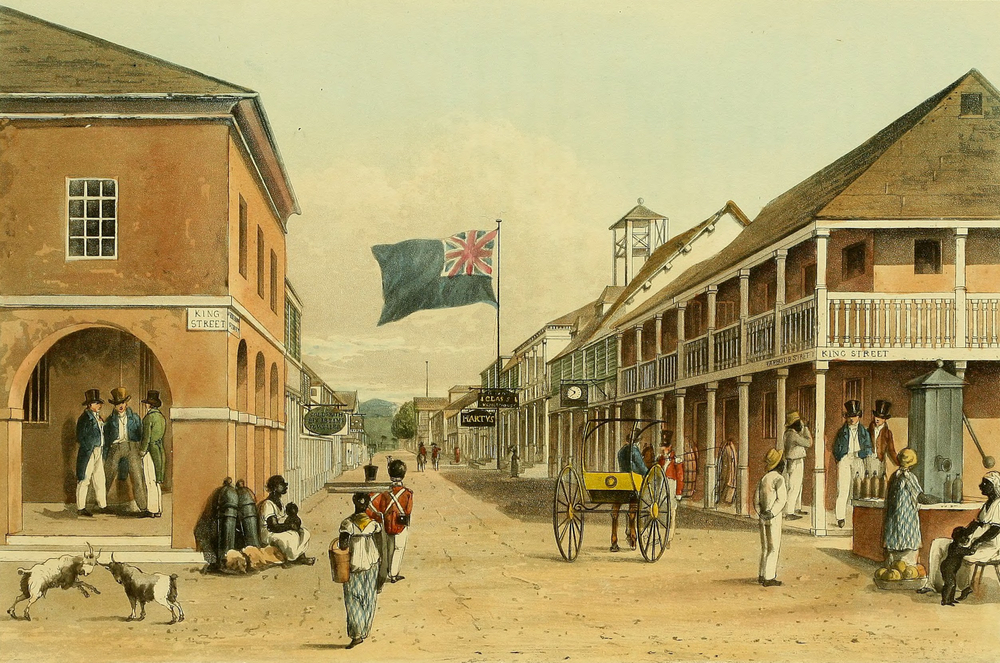
Kingston became the capital of Jamaica during a period of transition and development. The change was initiated due to the destructive impact of a major event on the prior capital, Spanish Town. Spanish Town, once the bustling administrative center, faced logistical and infrastructural challenges that warranted relocating the capital. The decision to move was driven by the need for a more accessible port, better sanitary conditions, and proximity to significant economic activities.
Kingston, already a thriving hub of commerce and the island’s principal port, was deemed suitable due to its strategic location and well-developed infrastructure. It provided a more modern and organized urban environment compared to Spanish Town. The layout of Kingston allowed for improved government operations and accommodated the expanding economic activities of the island.
The shift of the capital had widespread effects on the local population and the economic landscape. It spurred growth in Kingston, enhancing its role as the economic and political center of Jamaica. Infrastructure improvements followed, including the establishment of new governmental buildings and public institutions, which reinforced Kingston’s prominence. The city saw increased investments and attracted more residents, boosting its commercial and cultural development.
Statistically, the population of Kingston began to rise steadily as people migrated for better opportunities. The relocation also influenced the island's trade dynamics, with the port of Kingston becoming more integral to Jamaica's import and export activities. The revised capital status catalyzed the modernization of urban amenities, fostering a more structured urban planning approach.
Kingston’s designation as the capital also marked the beginning of societal changes, particularly in the realms of governance and education. Government operations centralized in the city allowed for more effective management of colonial affairs. Educational institutions established around this period benefited from the proximity to the administrative core, supporting the spread of knowledge and skill development.
The decision to make Kingston the capital was a strategic move that aligned with the broader objectives of modernization and economic optimization for Jamaica. The resulting growth and development laid the foundation for Kingston’s future status as a pivotal city in the Caribbean.
#KingstonCapital #EconomicGrowth #UrbanDevelopment #JamaicanHistory #MoofLife
View details1865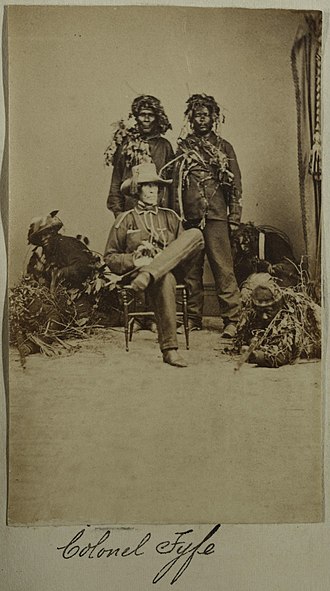
Paul Bogle, a Baptist deacon, led an uprising known as the Morant Bay Rebellion in the parish of St. Thomas, Jamaica. Economic hardship and social injustices faced by freed blacks after the abolition of slavery set the stage for mounting discontent. The immediate spark was the arrest of a local man over a supposedly trivial offense. This arrest led to a protest march organized by Bogle, culminating in violent confrontations with colonial authorities.
A trial for trespassing triggered by Bogle's followers led to their violent dispersal. Later in Morant Bay, the courthouse was stormed by rebels, resulting in the deaths of officials and local militia. The Governor declared martial law, and response forces were disproportionate, including the killing of hundreds of black Jamaicans, and the execution of Bogle and his fellow leaders. Reports vary, but approximately 439 were executed, and 600, including women, endured severe punishment.
The uprising and its suppressive aftermath catalyzed governmental change. The British Colonial Office condemned Governor Eyre's harsh actions, which polarized opinion in Britain. Significant restructuring followed; Jamaica transitioned from a representative to a Crown colony. Direct rule from Britain aimed for better governance and civil liberties, including improved judicial oversight and transportation reform, to prevent similar future rebellions.
The incident highlighted the socio-economic disparities and governance issues in colonial Jamaica, prompting necessary policy reforms which laid the groundwork for gradual improvement in the lives of Jamaica's populace. The Morant Bay Rebellion remains a significant focal point in Jamaican history for understanding colonial resistance and the impacts on governance reforms.
#PaulBogle #RebellionJamaica #ColonialHistory #SocialJustice #GovernanceReforms #MoofLife
View details1846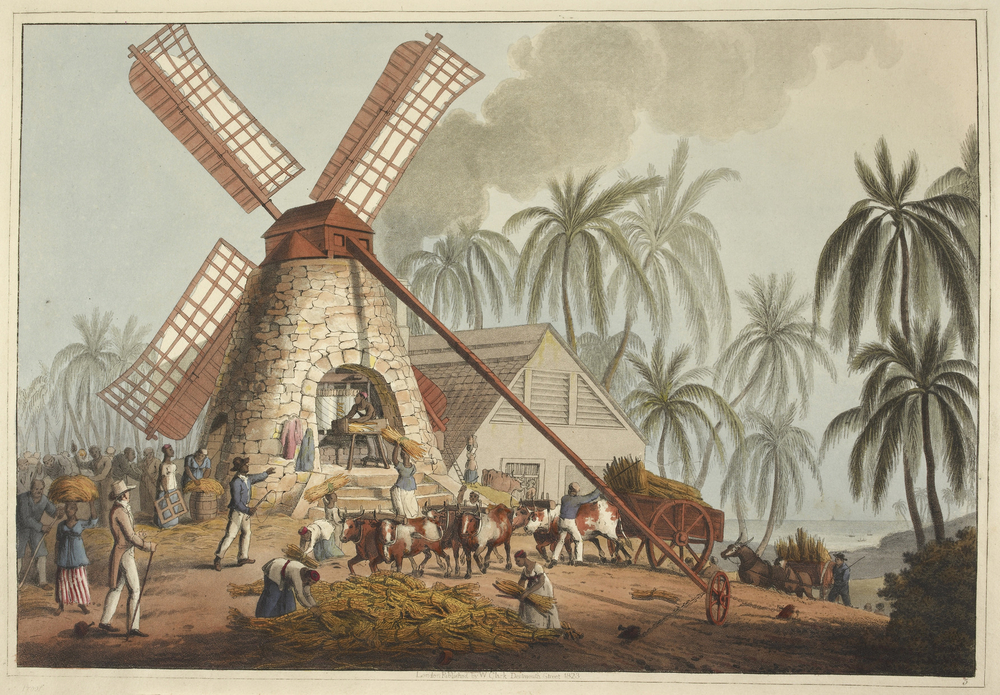
The enactment of the Sugar Duties Act marked a crucial turning point for Jamaica's economy. This British parliamentary legislation altered the tariffs on sugar. Historically, Jamaica had benefited immensely from the protectionist policies under the old Navigation Acts and other colonial trade arrangements, which favored sugar producers from the British West Indies over competitors from foreign countries.
Under the new law, these trade protections were dismantled, allowing cheaper sugar from places like Cuba and Brazil to flood the British market. This had a pronounced effect on Jamaica, where the sugar industry was one of the primary economic activities. The island's producers, who were already grappling with the financial difficulties imposed by the abolition of slavery a decade prior, now faced even stiffer competition.
The immediate impact was a drastic reduction in the profitability of sugar plantations. As Jamaican sugar became less competitive, many plantation owners struggled to adapt to the new market conditions. Plantation economies suffered, leading to unemployment and economic downturns in rural areas. The local economy, heavily reliant on sugar exports, began to crumble as planters faced insolvency and laborers found fewer opportunities for work.
In response, planters and colonial administrators attempted to diversify the agricultural sector, but these efforts were met with limited success. The social ramifications included increased poverty and hardship among the freed black population, who were disproportionately affected by the downturn in the sugar economy. Many former slaves and their descendants turned to subsistence farming or migrated to urban areas in search of better opportunities.
Statistically, Jamaica's sugar production—and subsequently its exports—experienced a sharp decline during this period. According to trade records, exports fell significantly, reflecting the loss of market share to more efficient producers in other regions. The reverberations of this economic shift contributed to a period of political instability and social strife as the colony navigated these profound changes.
#SugarDutiesAct #EconomicHistory #Jamaica #ColonialTrade #Agriculture #MoofLife
View details1845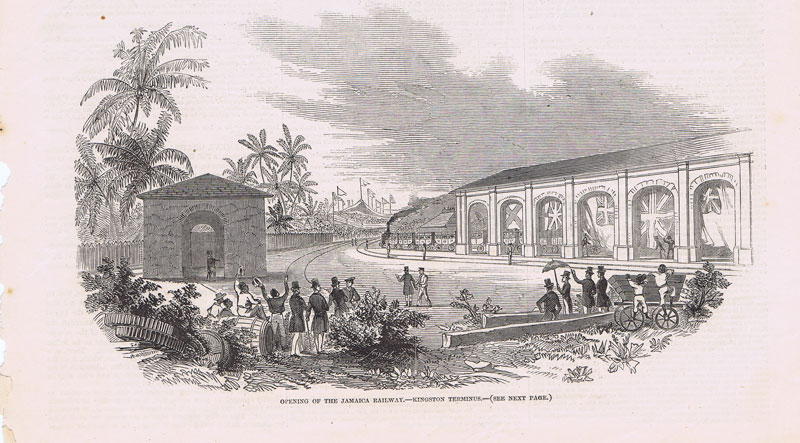
The establishment of the Kingston and St. Andrew Railway marked a pivotal development in Jamaica's transportation history. The railway, stretching from Kingston to Spanish Town, covered a distance of approximately 14 miles. It was the first railway constructed in Jamaica and one of the earliest in the Western Hemisphere, signaling the country's step towards modern transportation infrastructure.
Funded by local merchants and planters, the rail line primarily aimed to facilitate the efficient transport of sugar and other goods from inland plantations to the bustling port in Kingston. Prior to the railway, goods were transported via slow and cumbersome methods, mainly relying on horse-drawn carriages and riverboats. The new rail line significantly expedited this process, reducing travel time considerably and increasing the volume of goods transported daily.
The introduction of the Kingston and St. Andrew Railway had substantial economic impacts. It enhanced the efficiency of exporting Jamaican produce, particularly sugar, which was a vital part of the island's economy. This improved transport encouraged the expansion of plantations and stimulated commercial activities in the region, ultimately contributing to the economic growth of the island.
Moreover, the railway provided passengers with a reliable and faster mode of transportation, connecting urban and rural areas. This connectivity not only facilitated easier movement of people but also led to the development of communities along the railway route. Small towns and settlements began to thrive due to increased accessibility and economic opportunities brought about by the railway.
The Kingston and St. Andrew Railway's implementation also had a social impact, transforming the way people perceived distance and travel. It became a symbol of modernization and progress, reflecting Jamaica's ability to integrate new technologies into its existing framework.
While primarily a commercial endeavor, the railway's influence extended beyond economics, touching on social aspects and town development. Over time, the success of this initial railway encouraged further expansion of rail networks across Jamaica, underscoring its role in the broader narrative of the island's development.
#JamaicaRailHistory #TransportationRevolution #EconomicGrowth #RailwayInspiration #MoofLife
View details1839
The formation of the Native Baptist Church marks an important religious development in Jamaica. Originating in September, this event signified a pivotal shift in the island's religious landscape. The church's creation was largely propelled by African Jamaicans, many of whom were former slaves seeking autonomy in their spiritual lives. Their objective was to establish a church that embraced African cultural practices and ideals, diverging from the Eurocentric doctrines imposed by colonial missionaries.
The movement for an indigenous church took root amidst a broader context of rising resistance against colonial rule and foreign religious control. Leaders of the initiative, including notable figures like George Liele and Moses Baker, aimed to provide a sense of empowerment and identity to their congregants. Their efforts were focused on adopting an inclusive approach that addressed the social, spiritual, and economic needs of the African Jamaican population.
With its formation, the Native Baptist Church rapidly grew in popularity. By integrating traditional African elements with Christian worship, the church resonated deeply with the local community. It offered a space where individuals could congregate, free from racially discriminatory practices that were prevalent in other religious institutions of the same period. This development not only enhanced the spiritual life of its members but also played a crucial role in laying the groundwork for future social and political activism.
The Native Baptist Church's establishment had far-reaching implications. It contributed to the development of a more inclusive religious environment in Jamaica and promoted the sustainability of African cultural traditions. Additionally, the church was instrumental in fostering community solidarity, which later translated into organized movements striving for social justice and equal rights.
Over time, the Native Baptist Church's influence extended beyond religious practice. It became a cornerstone of Jamaican society, underscoring the importance of cultural identity and self-determination. The church's legacy continues to be felt, serving as a testament to the resilience and adaptability of the Jamaican people in the face of colonial oppression.
#JamaicanHistory #NativeBaptistChurch #ReligiousAutonomy #CulturalIdentity #MoofLife
View details1831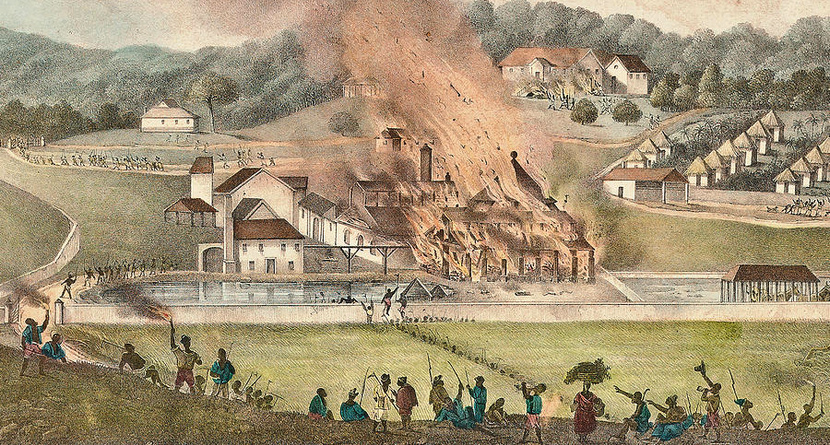
Sam Sharpe, a Baptist deacon, planned and led a widespread slave rebellion in Jamaica known as the Christmas Rebellion. The primary aim was to achieve freedom from slavery and press for better working conditions and wages. The rebellion was meticulously organized, leveraging Sharpe's network within the Baptist church. Slaves were motivated by worsening living conditions, and Sharpe's rallying cry resonated deeply within the enslaved community.
The rebellion started on a large sugar plantation, quickly spreading to other areas. Approximately 60,000 slaves participated, making it one of the largest slave uprisings in the British West Indies. The insurgents set fire to plantations and cane fields, disrupting the economic backbone of the colony. During the uprising, there were significant confrontations between the slaves and colonial militias, leading to numerous casualties.
The colonial government eventually suppressed the rebellion with substantial force. Records indicate that around 500 slaves were killed during the rebellion or executed afterward. Sam Sharpe was captured, tried, and executed for his role. However, the rebellion had a far-reaching impact. It significantly altered public opinion in Britain, intensifying calls for the abolition of slavery. The uprising underscored the unsustainability and moral reprehensibility of the institution of slavery, contributing to its eventual demise in the British Empire.
The aftermath of the Christmas Rebellion played a crucial role in the implementation of the Slavery Abolition Act, which began the process of ending slavery in the British colonies. Sharpe's actions and the rebellion became symbols of the struggle for freedom and justice, leaving a profound legacy in Jamaican history.
#MoofLife #SamSharpe #ChristmasRebellion #FreedomFighters #JamaicanHistory #EndSlavery #ColonialResistance
View details1820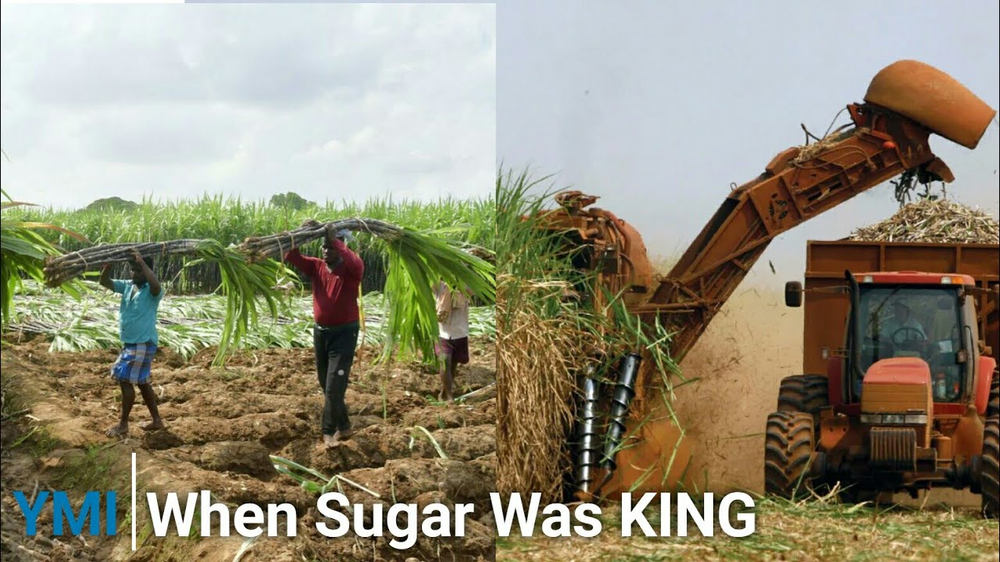
The decline of the Jamaican sugar industry can be traced back to a period when multiple factors converged to disrupt the sector. The sugar industry had been the backbone of Jamaica’s economy, driven largely by the labor of enslaved Africans. The British colonies, including Jamaica, predominantly produced sugar, which was a high-demand commodity in Europe.
The industry's downturn was influenced by several pivotal elements. Firstly, the end of the napoleonic conflicts in Europe led to a decrease in sugar prices due to the resumption of trade, affecting the profitability of Jamaican sugar estates. Secondly, increased competition from other sugar-producing regions, especially those with more advanced technologies and lower production costs, eroded the market share held by Jamaican producers.
Another crucial factor was the progressive movement towards abolition of slavery in the British Empire. The moral and political pressures to end slavery culminated in policies that began to affect labor dynamics on the island. The initial push towards more humane conditions and the subsequent reduction in the coercive labor system meant the production costs for Jamaican estates rose, further impacting profitability.
The deteriorating conditions on sugar plantations also led to declining productivity. Estates became less efficient while facing infrastructural and technological stagnation compared to their competitors. The compounding effect of higher costs, lower sugar prices, and reduced labor efficiency made it difficult for Jamaican producers to compete in the global market.
Empirical data from the period reflect these challenges. Yield per acre was dropping, and many planters faced insurmountable debt. A number of estates were abandoned or sold off as their owners could no longer sustain operations. The economic impact reverberated throughout the island, affecting not just the plantation owners but also the local communities dependent on the industry.
The downturn of the sugar industry marked a transformative period for Jamaica. It would eventually lead to shifts in economic focus and the restructuring of its agricultural sectors. This period was pivotal in altering the socio-economic landscape of the island, setting the stage for future changes.
#MoofLife #JamaicanHistory #SugarIndustry #EconomicShift #LaborDynamics
View details1807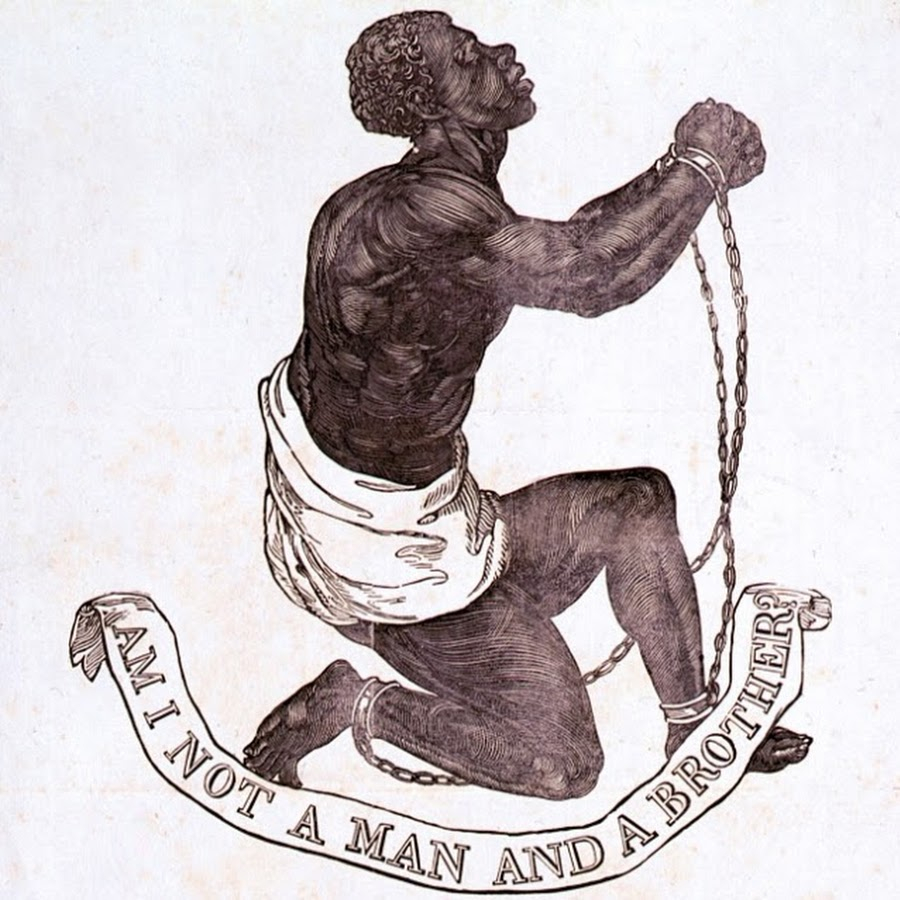
The British Parliament's decision to abolish the transatlantic slave trade was a result of extensive efforts by abolitionists, driven by moral, economic, and political considerations. The campaign had gained momentum through the relentless work of figures like William Wilberforce, Thomas Clarkson, and Granville Sharp. These activists rallied public opinion, leveraging data and personal testimonies from former slaves, to expose the inhuman conditions and brutal exploitation inherent in the slave trade.
The British Empire had been one of the largest participants in the transatlantic slave trade, transporting millions of Africans to the Americas, including Jamaica, one of its primary colonies. The British economy greatly benefited from the slave trade; plantations in the Caribbean, particularly those in Jamaica, were highly profitable due to the labor of enslaved Africans. However, the growing awareness of the inherent human rights abuses, combined with heightened activism, prompted governmental reconsideration.
Parliamentary hearings and the publication of detailed accounts of the conditions aboard slave ships brought undeniable evidence of the suffering of enslaved Africans to the forefront. This transparency contributed to shifting public opinion against the trade. The tireless advocacy work paid off when the House of Commons approved the Act for the Abolition of the Slave Trade.
The impact of this decision was profound. The Act prohibited British ships from engaging in the slave trade and imposed penalties on those who attempted to continue the practice. While it did not end slavery itself, it marked a significant move towards the total emancipation of enslaved people in British territories. The abolition of the transatlantic slave trade significantly affected Jamaica's economy and signaled the beginning of a broader international movement against slavery.
Despite the official end to the trade, illegal trafficking continued for years, demonstrating the complexity of completely eradicating such an entrenched system. Nevertheless, the British Parliament's decision laid essential groundwork for further legislative progress towards freedom for all enslaved individuals within the Empire.
#Abolition #HumanRights #BritishParliament #TransatlanticSlaveTrade #Jamaica #MoofLife
View details