A New Chapter: Independence from the United Kingdom
Jamaica
Political
Global Trade
5 min read
Updated By: History Editorial Network (HEN)
Published:
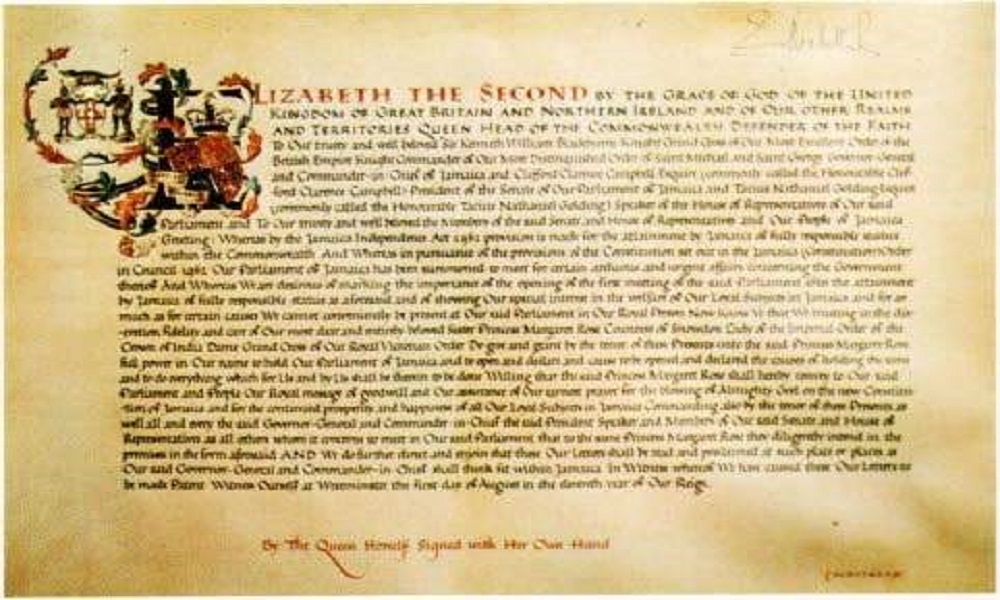
In the early 1960s, Jamaica made a definitive move towards self-governance. After years under British colonial rule, the island nation transitioned from a British colony to an independent state within the Commonwealth. The transition was the culmination of decades of socio-political efforts and negotiations, reflecting the island's burgeoning national consciousness and desire for greater autonomy.
Jamaica's path to independence was marked by a series of significant events, including the formation of local political parties in the 1930s, the establishment of a new constitution in the 1940s, and the gradual transfer of political powers from British hands to Jamaican leadership. The structure of the Jamaican government shifted to include an internally elected legislature accountable to local constituents, a vital step towards self-determination.
The economic landscape of Jamaica at this time was primarily agricultural, with sugar, banana, and coffee being the primary exports. Despite the economic reliance on these agricultural commodities, there were growing efforts to diversify and develop other sectors. This newly won political autonomy was seen as an opportunity to catalyze economic growth, foster international trade relations, and develop local industries.
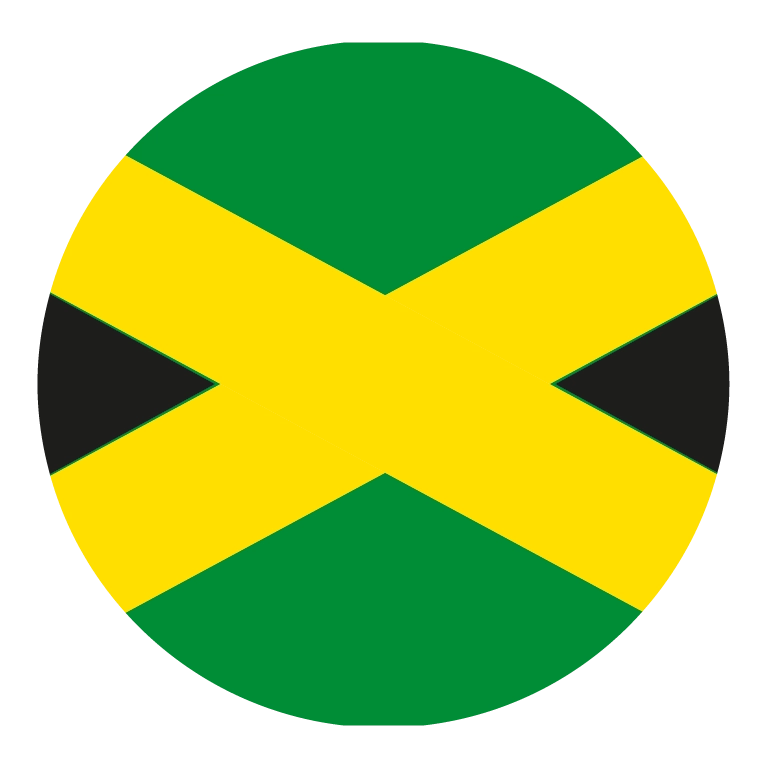
Upon the transition to independence, Sir Alexander Bustamante became the first Prime Minister of the newly sovereign nation. Bustamante played a crucial role in Jamaica's labor movements and was instrumental in the political negotiations preceding independence. The country also adopted a new national flag, which symbolized the aspirations of the island's people: black represented the strength and creativity of the people, green signified agricultural richness and hope, and gold symbolized the sun's natural beauty and warmth.
The impact of this historic transition was profound, affecting all aspects of Jamaican society. National pride surged as Jamaicans took control of their political destiny. The global community recognized Jamaica as a distinct and sovereign entity, allowing it to partake independently in international organizations and forums.
The transition also had a ripple effect across the Caribbean, where many other territories were inspired by Jamaica's path to independence and began their own journeys towards self-governance.
#Independence #Jamaica #ColonialHistory #PoliticalChange #NationBuilding #MoofLife
Primary Reference
Jamaica - Countries - Office of the Historian
Explore the Life Moments of
 AI Twin