Capital City: Kingston
Jamaica

Urban Development
Economic Growth
6 min read
Updated By: History Editorial Network (HEN)
Published:
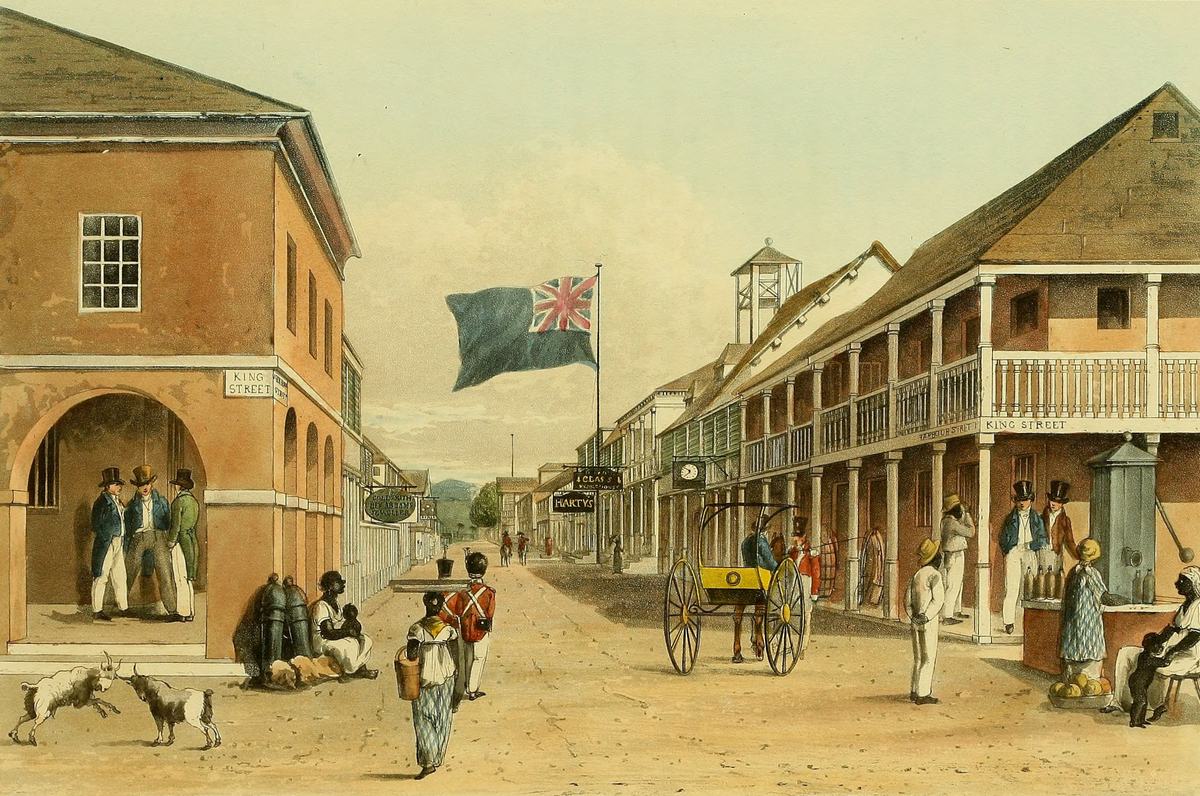
Kingston became the capital of Jamaica during a period of transition and development. The change was initiated due to the destructive impact of a major event on the prior capital, Spanish Town. Spanish Town, once the bustling administrative center, faced logistical and infrastructural challenges that warranted relocating the capital. The decision to move was driven by the need for a more accessible port, better sanitary conditions, and proximity to significant economic activities.
Kingston, already a thriving hub of commerce and the island’s principal port, was deemed suitable due to its strategic location and well-developed infrastructure. It provided a more modern and organized urban environment compared to Spanish Town. The layout of Kingston allowed for improved government operations and accommodated the expanding economic activities of the island.
The shift of the capital had widespread effects on the local population and the economic landscape. It spurred growth in Kingston, enhancing its role as the economic and political center of Jamaica. Infrastructure improvements followed, including the establishment of new governmental buildings and public institutions, which reinforced Kingston’s prominence. The city saw increased investments and attracted more residents, boosting its commercial and cultural development.
Statistically, the population of Kingston began to rise steadily as people migrated for better opportunities. The relocation also influenced the island's trade dynamics, with the port of Kingston becoming more integral to Jamaica's import and export activities. The revised capital status catalyzed the modernization of urban amenities, fostering a more structured urban planning approach.
Kingston’s designation as the capital also marked the beginning of societal changes, particularly in the realms of governance and education. Government operations centralized in the city allowed for more effective management of colonial affairs. Educational institutions established around this period benefited from the proximity to the administrative core, supporting the spread of knowledge and skill development.
The decision to make Kingston the capital was a strategic move that aligned with the broader objectives of modernization and economic optimization for Jamaica. The resulting growth and development laid the foundation for Kingston’s future status as a pivotal city in the Caribbean.
#KingstonCapital #EconomicGrowth #UrbanDevelopment #JamaicanHistory #MoofLife
Primary Reference
Kingston | Jamaica, Map, History, & Facts | Britannica

Explore the Life Moments of
 AI Twin