Port Royal designated as UNESCO World Heritage Site
Jamaica
4 min read
Updated By: History Editorial Network (HEN)
Published:
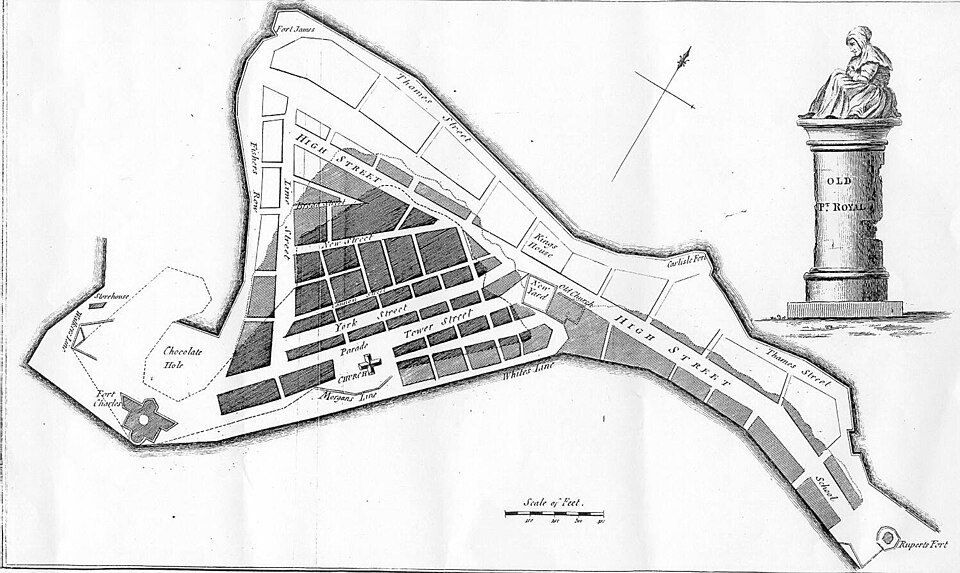
Port Royal has been officially designated as a UNESCO World Heritage Site, recognizing its outstanding historical and cultural significance. Located on the coast of Jamaica, Port Royal was once one of the most important ports in the Caribbean during the 17th century, known for its role in global trade, naval power, and colonial expansion. Often described as one of the richest cities in the world at its height, Port Royal was a major hub for merchants, sailors, and privateers. Its dramatic decline followed the devastating earthquake of 1692, which submerged much of the city underwater, preserving it as a unique archaeological site. UNESCO’s designation acknowledges Port Royal’s exceptional value as a window into early modern maritime history and urban life.
The World Heritage status carries important cultural, educational, and economic implications. It highlights the need to protect and conserve both the underwater and terrestrial remains of Port Royal, which provide rare insights into colonial architecture, trade networks, and daily life in the Caribbean. The designation is also expected to boost heritage tourism, supporting local development while promoting responsible preservation practices. For Jamaica, the recognition strengthens national pride and international visibility, placing Port Royal among globally significant heritage sites. UNESCO emphasized that safeguarding the site will require sustained conservation efforts, research, and community involvement. Overall, the inscription of Port Royal as a World Heritage Site affirms its global historical importance and ensures that its legacy will be preserved for future generations.
Primary Reference
Port Royal

Explore the Life Moments of
 AI Twin