
Jamaica

Tropical Paradise









1796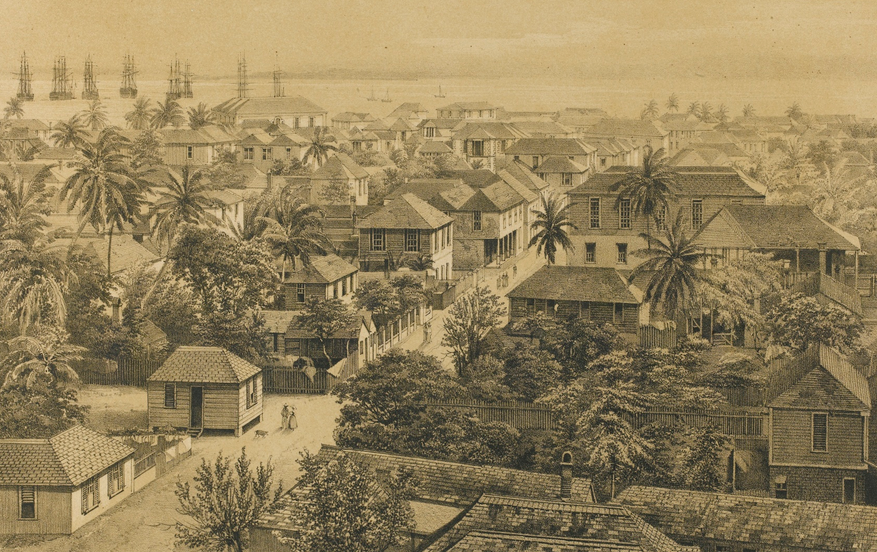
Falmouth was founded as a township in Jamaica, driven by the ambitions of the British colonial administration and local entrepreneurs. This coastal town was strategically chosen due to its proximity to the Martha Brae River, facilitating efficient sugar, rum, and other goods transportation. The area was part of the much larger parish of Trelawny, known for its vast plantations and economic activity tied to sugar production.
In its initial stages, Falmouth was meticulously laid out with a grid pattern to accommodate both commercial and residential zones. One landmark development was the construction of the Falmouth Harbour, which became a significant port for exporting sugar and other commodities. As sugar was a leading economic driver, the town rapidly prospered. The dedication to infrastructure featured several public buildings, including the courthouse, markets, and places of worship.
The population grew swiftly, attracting merchants, planters, and enslaved Africans who were integral to the economy. The town developed a cosmopolitan aura as people from various backgrounds contributed to its growth. Merchants erected Georgian-style buildings that remain historical landmarks, while the economy diversified with small-scale industries and services to support the booming sugar trade.
Policies on town governance and development were aligned with British colonial norms, ensuring orderly growth. Civic amenities like piped water and waste management were advanced for the times. With a thriving port, Falmouth became one of Jamaica’s key towns, often compared with Kingston for its commercial activity and urban planning.
Over time, challenges arose, including economic fluctuations tied to global sugar prices, labor issues, and natural calamities like hurricanes. Nonetheless, the foundational period set a blueprint for future development and cemented Falmouth’s role in Jamaica’s colonial economy.
Today, Falmouth holds historical importance and continues to draw interest for its rich heritage, contributing to Jamaica’s cultural tourism sector. Recognized for its well-preserved Georgian architecture and pivotal role in history, Falmouth remains a vital link to Jamaica's past.
#FalmouthJamaica #ColonialHistory #SugarTrade #CulturalHeritage #MoofLife
View details1760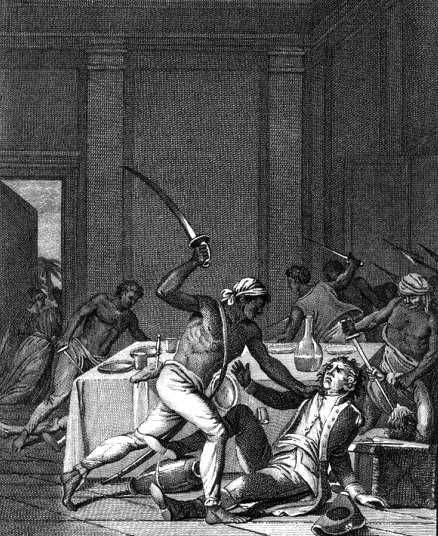
Tacky's Revolt was a pivotal slave rebellion in Jamaica. The rebellion was organized by Tacky, a slave and former chief from the Akan region of West Africa. This uprising began in the early hours when a group of slaves attacked Frontier and Trinity plantations, killing several overseers and acquiring muskets and gunpowder.
The spread of the rebellion was rapid and methodical. Tacky's group moved to the estate of Fort Haldane, raiding the local magazine for firearms and ammunition. The revolt expanded as other enslaved Africans joined Tacky's forces, swelling the number of insurgents.
The colonial authorities responded with severe measures. British forces, along with local militias and Maroon fighters—who were freedmen living in autonomous communities and had allied themselves with the British—were mobilized to suppress the revolt. Following a series of skirmishes, Tacky's forces were fragmented. Tacky himself was eventually killed by a Maroon marksman, and his death marked the beginning of the revolt's decline.
Statistics indicate that hundreds of slaves were either killed in the fighting or executed following the rebellion’s suppression. Additionally, many were re-captured and punished severely to serve as a deterrent to future uprisings.
The rebellion had significant repercussions. It laid bare the harsh conditions and resistance spirit among the enslaved population in Jamaica. Furthermore, it led to intensified security measures and punishments by plantation owners and colonial authorities, making life even more perilous for the enslaved. Acts such as these rebellions contributed to the growing discourse on abolition, highlighting the brutality of the slave system and pressing the need for legislative change globally.
#MoofLife #SlaveHistory #JamaicaRevolt #TackysRevolt #Colonialism #Resistance #AbolitionMovement
View details1750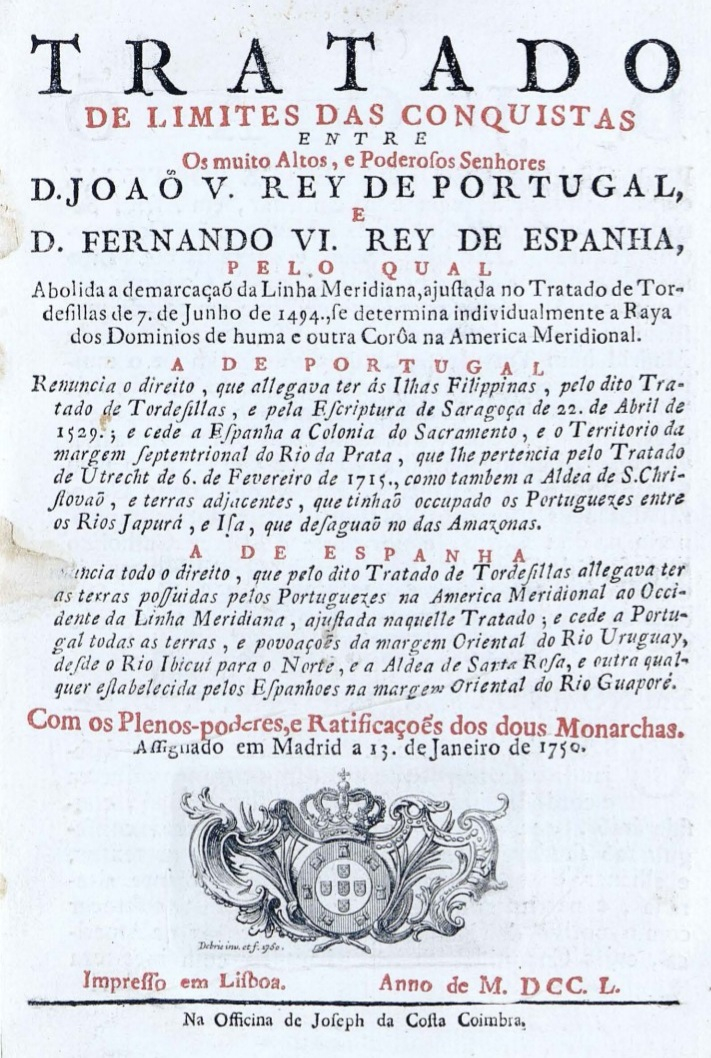
The Treaty of Madrid, negotiated in the late 17th century, marked a pivotal moment in the colonial history of Jamaica. The treaty concluded the hostilities between Spain and England and officially ceded control of Jamaica to British rule. The roots of this agreement can be traced back to the Anglo-Spanish War, during which English forces had seized Jamaica from Spain over a decade earlier. Despite initial Spanish resistance, the English managed to consolidate their control over the island.
With this treaty, Spain recognized British sovereignty over Jamaica, fundamentally changing the region's political landscape. Jamaica's transition from Spanish to British control had significant implications for its economic and social development. Under Spanish rule, the island had been sparsely populated, with few economic activities beyond subsistence agriculture.
British rule ushered in profound changes. The English invested heavily in the island's sugarcane industry, leading to the establishment of numerous plantations. Consequently, there was an increased demand for labor, which resulted in the forced migration and enslavement of Africans. This period saw Jamaica become a central hub in the Trans-Atlantic Slave Trade, with the enslaved population quickly surpassing that of European settlers.
Statistically, the transformation was stark. By the early 18th century, Jamaica's population included around 700,000 enslaved Africans, dwarfing the approximately 165,000 European inhabitants. The sugarcane industry became the backbone of the island's economy, producing vast wealth for British merchants and plantation owners, but imposing severe hardships and brutality upon the enslaved population.
The Treaty of Madrid also influenced regional geopolitics. With Jamaica under British control, the balance of power in the Caribbean shifted. The island became a strategic naval base, bolstering British military presence and securing trade routes. This development would have long-term ramifications, contributing to the expansion and consolidation of the British Empire in the New World.
In summary, the Treaty of Madrid, which resulted in Jamaica ceding to British rule, marked a critical juncture in the island's history, transforming its economic structure, demographic composition, and geopolitical significance. The treaty's legacy is reflected in Jamaica's complex colonial history and its lasting impact on the Caribbean region.
#MoofLife #ColonialHistory #Jamaica #TreatyOfMadrid #CaribbeanHistory #BritishEmpire #TransAtlanticSlaveTrade
View details1728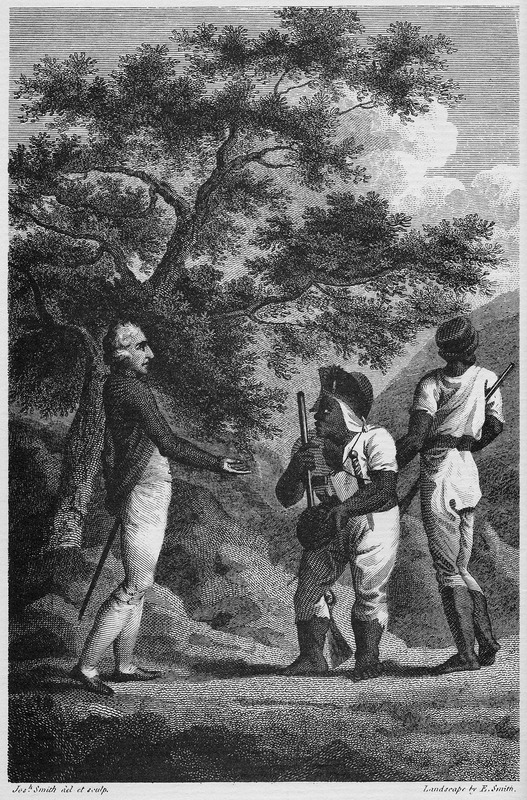
The conflict identified as the First Maroon War in Jamaica saw the Jamaican Maroons, communities of formerly enslaved Africans who established independent settlements, confront British colonial forces. Tensions between the Maroons and the British settlers escalated due to the Maroons' resistance to colonial authority and their protection of escaped slaves, which threatened the British economic model reliant on forced labor.
The Maroons, led by commanders like Cudjoe and Nanny, utilized guerilla tactics, leveraging their knowledge of the island's mountainous and forested terrain. These communities, including the Windward and Leeward Maroons, engaged in various skirmishes against heavily armed British troops. The British, in an attempt to suppress the uprisings, deployed significant military resources and attempted to use scorched earth tactics.
Despite their numerical inferiority, the Maroons' intimate understanding of the landscape allowed them to sustain the resistance for an extended period. The conflict strained British resources and demonstrated the resilience and strategic prowess of the Maroons. The British, recognizing the strategic futility and high cost of continued conflict, eventually sought a negotiated settlement.
The resulting peace treaties were milestones, with the British agreeing to grant land and certain forms of autonomy to the Maroons in exchange for a cessation of hostilities and cooperation in returning runaway slaves. These agreements effectively acknowledged the Maroons' fortitude and established their settlements as semi-autonomous entities within Jamaica.
This period in Jamaican history underscores the Maroons' ability to challenge colonial power structures and secure relative independence. The impacts of this war shaped the socio-political landscape of Jamaica, contributing to the broader narrative of resistance against slavery and colonialism across the Caribbean.
#MoofLife #JamaicanHistory #MaroonResistance #ColonialConflict #GuerrillaWarfare #FreedomFighters #HistoricTreaties
View details1723
In the early 18th century, the establishment of the first coffee plantations in Jamaica marked a pivotal shift in the island's agricultural landscape. The initial introduction of coffee saplings can be traced back to an import from the island of Martinique. Once the saplings took root, their cultivation presented an opportunity that quickly transitioned Jamaica into a significant player in the global coffee trade.
Before coffee was cultivated, Jamaica's economy largely depended on sugar cane plantations and associated industries. However, the introduction of coffee brought new economic dynamics. The island's mountainous terrain and favorable climate proved to be ideal for coffee cultivation, leading to the rapid expansion of plantations primarily in areas like the Blue Mountains. Historically, these regions remain some of the most renowned for producing high-quality coffee.
The economic impact was substantial. Coffee quickly became a major export, contributing significantly to Jamaica's economy and creating an essential trade commodity. The growth of the coffee industry also influenced social dynamics on the island, as it intensified the demand for labor, which was predominantly fulfilled by enslaved Africans. This harsh reality underscored the economic growth tied to a complex and often brutal labor system.
By the mid-18th century, Jamaica's coffee had earned a reputation for its superior quality, securing its place in European markets. Statistically, coffee exports from Jamaica reached significant figures, with many plantation owners reaping considerable profits. For instance, archival records indicate that coffee exports from Jamaica constituted a substantial percentage of the island's total exports within a few decades of its first plantations.
Today, Jamaica's coffee, particularly the Blue Mountain variety, is renowned globally, symbolizing the island's rich agricultural heritage. The establishment of these early plantations laid the foundation for what has become a crucial sector of Jamaica's economy.
#JamaicanCoffee #EconomicHistory #ColonialAgriculture #MoofLife
View details1655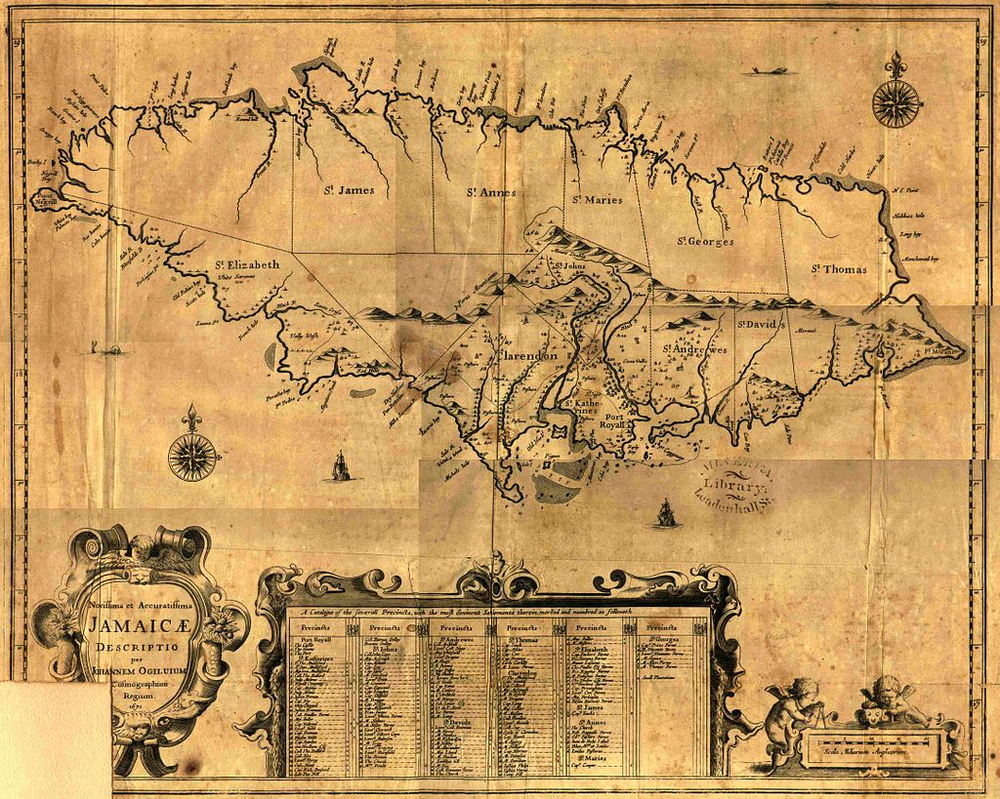
The mid-17th century was a period of intense rivalry among European powers for control of the Caribbean, a region of immense economic importance due to its lucrative sugar plantations and strategic maritime routes. Spain had established itself as the dominant power in the Caribbean since the late 15th century, controlling vast territories including Jamaica, Cuba, and Hispaniola.
However, by the 1650s, Spain's grip on its empire was weakening. The English, under the leadership of Oliver Cromwell during the period of the Commonwealth (following the English Civil War), sought to expand their own empire and challenge Spanish dominance. Cromwell launched the "Western Design," a plan aimed at seizing Spanish territories in the Caribbean, both to weaken Spain and to establish profitable colonies for England.
The first target of the Western Design was the Spanish colony of Hispaniola (modern-day Dominican Republic and Haiti). In April 1655, an English expeditionary force of approximately 8,000 men, led by Admiral William Penn (father of the founder of Pennsylvania) and General Robert Venables, attempted to capture the Spanish stronghold of Santo Domingo. This assault ended in a disastrous failure, with the English forces suffering heavy losses due to a combination of Spanish resistance, poor planning, and disease.
Desperate to salvage something from the failed expedition, the English commanders decided to redirect their efforts toward Jamaica, a relatively less defended Spanish colony. On May 19, 1655, the English fleet arrived off the coast of Jamaica, near the capital, Santiago de la Vega (modern-day Spanish Town).
The Spanish garrison on Jamaica was small, poorly equipped, and ill-prepared to face such a large invading force. After a brief and largely symbolic resistance, the Spanish Governor, Juan Ramírez de Arellano, realized that his position was untenable. He ordered the abandonment of Santiago de la Vega and retreated with his men into the mountainous interior of the island, where they continued a guerrilla resistance for several years.
By May 27, 1655, the English had effectively secured control of the island, though they faced significant challenges in maintaining it, including persistent attacks from the Spanish guerrillas and the harsh tropical environment that led to disease and death among the English troops.
#MomentsOfLife #MoofLife_Moment #MoofLife #InvasionOfJamaica #ColonialHistory #CaribbeanHistory
View details1572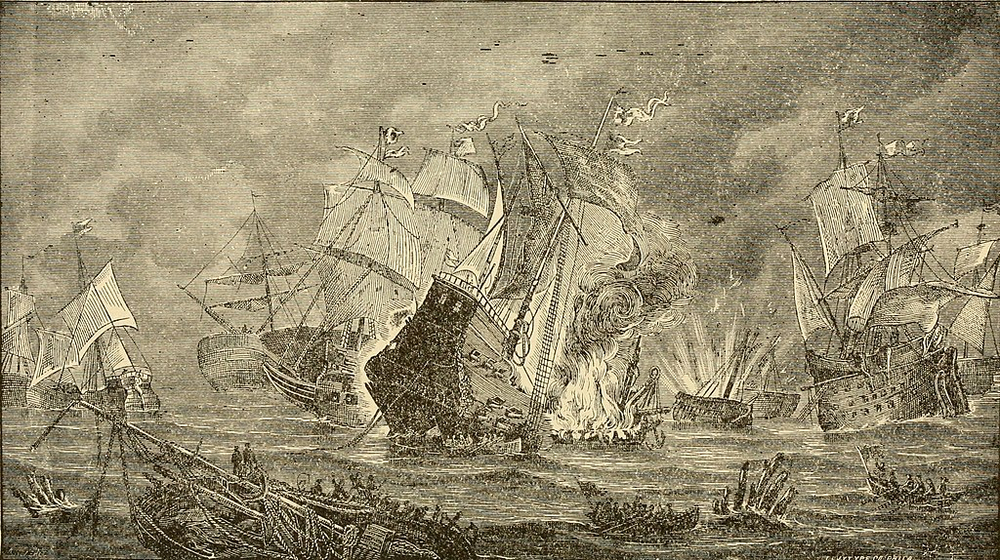
Sir Francis Drake's raid on Spanish-held Jamaica was a critical episode in the ongoing conflict between England and Spain during the era of colonial expansion. Drake, an English sea captain and privateer, was well-known for his expeditions against Spanish interests in the New World. By attacking Jamaica, he aimed to weaken Spanish control in the Caribbean and disrupt their colonial enterprise.
Jamaica, under Spanish rule, was an important strategic location for the Spaniards, contributing to their dominance in the region. Spanish exploitation of Jamaica's resources bolstered their economy and extended their influence over the Caribbean Sea, which was essential for maintaining their vast colonial empire. However, such wealth made it an attractive target for adversaries.
Drake's fleet, comprising several well-armed ships and a substantial number of men, approached the shores of Jamaica with the intent to sow chaos and seize valuable resources. The raid involved precise military tactics honed over years of maritime conflict. Despite facing formidable fortifications and a well-prepared garrison, Drake's forces managed to land on the island.
Once ashore, Drake's men engaged in fierce combat with the Spanish defenders. The fighting resulted in considerable casualties on both sides. However, the English forces succeeded in overwhelming the Spanish garrison, leading to a temporary occupation of some strategic points on the island. They captured valuable supplies, destroyed infrastructure, and disrupted Spanish operations.
The aftermath of Drake's raid had significant strategic implications. For the Spanish, it was a stark reminder of the vulnerability of their overseas territories and the persistent threat posed by English privateers. The raid forced them to divert resources and manpower to bolster defenses across the Caribbean. For England, it was a demonstration of naval prowess and an assertion of their ability to challenge Spanish dominance in the New World.
The raid on Jamaica was part of a broader pattern of English efforts to undermine Spanish control in the Americas. Although Drake did not achieve his ultimate objective of permanently disrupting Spanish hold over Jamaica, the raid exemplified the intense rivalry between the two colonial powers.
#MoofLife #SirFrancisDrake #Jamaica #SpanishColonialism #EnglishPrivateers #CaribbeanHistory
View details1518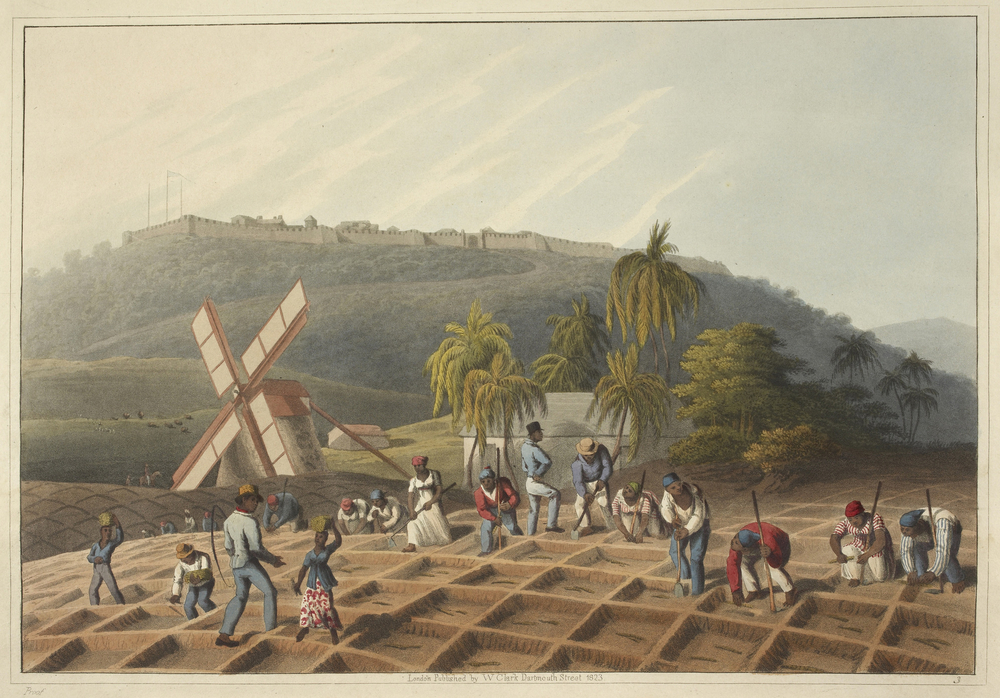
The arrival of African individuals for labor on sugar plantations in Jamaica marked a critical juncture in the island's economic and social evolution. Before this, the indigenous Taino people had been subjected to forced labor, but their numbers dwindled rapidly due to violence and diseases introduced by European colonizers. To address the labor shortage, the transatlantic slave trade expanded, incorporating Africans who were forcibly transported across the ocean under brutal conditions.
The introduction of African laborers had a profound impact on the structure of Jamaican society and its economy. African captives were sold to plantation owners and forced to work under harsh, inhumane conditions. These sugar plantations demanded intensive labor, which led to the establishment of a system where Africans were exploited to extract maximum economic benefit. The cultivation of sugarcane became a lucrative industry, boosting the wealth of European colonizers and facilitating global trade networks centered on sugar and its by-products.
The demographic landscape of Jamaica was drastically transformed. The African population eventually surpassed the European settlers and the remnant indigenous peoples. Over time, the cultural fabric of Jamaica began to weave African traditions, languages, and customs into the island's identity despite the oppressive circumstances faced by the enslaved population.
Statistically, the transatlantic slave trade is estimated to have brought millions of Africans to the Americas, with Jamaica being one of the primary destinations. During the peak of the sugar industry, African labor accounted for a significant percentage of the island's workforce, making it one of the largest sugar producers in the Caribbean.
The legacy of this period is still evident today. The African diaspora has significantly shaped the cultural, social, and political landscape of Jamaica. The impact of forced labor migration is a critical chapter in understanding the island's past and its development as a nation.
#MoofLife #AfricanDiaspora #JamaicanHistory #SugarPlantations #TransatlanticSlaveTrade #ColonialismImpact
View details1511
Amidst the early colonization period, the Indigenous Taino people of Jamaica faced significant disruption to their way of life due to the arrival and subsequent rule of Spanish forces. The Taino, who had lived on the island for centuries, were confronted by foreign domination that brought severe changes.
The imposition of Spanish rule significantly impacted Taino society. Forced labor, harsh treatment, and foreign diseases decimated their population. Resentment grew as the Taino faced exploitation and cultural erosion. Central to their grievances were the encomienda system, which placed them under Spanish settlers' control, and the demand for tributes.
Under the leadership of a chieftain known as Enriquillo, the Taino organized a coordinated resistance against their oppressors. Enriquillo's leadership provided a focal point for the Taino's efforts to reclaim autonomy and resist Spanish exploitation. The rebellion involved various tactical engagements, guerrilla warfare, and acts of defiance against Spanish infrastructure and morale.
The uprising signified not just a military struggle, but also a profound statement of resistance against colonial encroachment. Despite their numerical disadvantage and lack of advanced weaponry, the Taino leveraged their intimate knowledge of the terrain and committed to a prolonged struggle. Spanish records indicate that Taino resistance was fierce and caused considerable disruption to colonial activities.
The impact of the Taino resistance was multifaceted. Although ultimately unsuccessful in overthrowing Spanish rule, the rebellion underscored the Taino resilience and desire for self-determination. This period marked the beginning of sustained Indigenous resistance and highlighted the extreme brutality of colonial practices, contributing to a growing awareness of the need for more humane governance among some Spanish circles.
Contemporary assessments of these events recognize the significant cultural and societal impact. The Taino rebellion is an early chapter in the broader narrative of Indigenous resistance in the Caribbean. It serves as a reminder of the Taino presence and their struggle for autonomy and justice in the face of overwhelming colonial forces.
#IndigenousResistance #TainoHistory #ColonialImpact #EnriquilloRebellion #JamaicanHistory #MoofLife
View details1509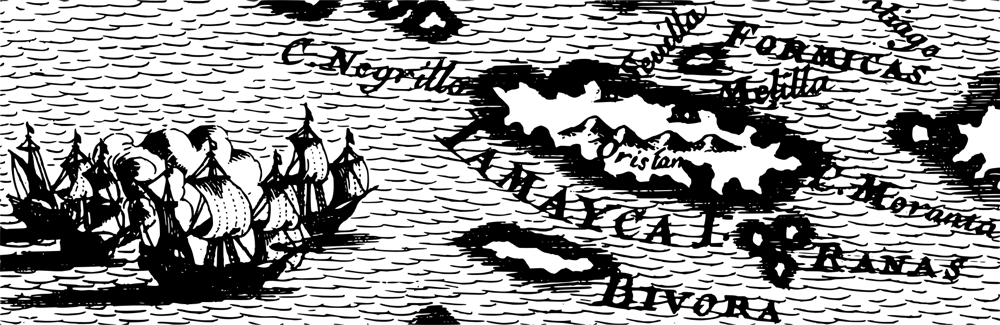
Driven by the quest for territorial expansion and economic opportunities, the Spanish sought to extend their influence in the Caribbean during the early 16th century. Jamaica, an island rich in natural resources, was an attractive target. This led to the foundation of the first Spanish settlement on the island, known as Sevilla la Nueva.
Initially inhabited by the indigenous Taíno people, Jamaica's landscape was dramatically altered by the arrival of the Spanish. The establishment of Sevilla la Nueva marked the beginning of European colonization on the island. The settlement was strategically located on the northern coast, leveraging its proximity to major maritime routes and favorable agricultural conditions. It served as a center for administration, and the introduction of new crops, livestock, and technologies.
The Spanish aimed to exploit the island's resources, particularly its potential for growing sugar cane and other cash crops. However, they faced several challenges, including resistance from the native population and the harsh tropical environment, which led to difficulties in maintaining a stable and productive settlement.
Sevilla la Nueva's impact extended beyond immediate resource extraction. It laid the groundwork for further European colonization in the region and initiated a profound cultural and demographic transformation. The Taíno population dwindled due to diseases brought by the Europeans and the harsh conditions of forced labor. This demographic shift subsequently led to the importation of African slaves, which became a cornerstone of the economy in Jamaica and other Caribbean islands.
The legacy of the first Spanish settlement in Jamaica is reflected in the island's diverse cultural heritage. The blending of Spanish, Taíno, and African influences is evident in contemporary Jamaican culture, language, and traditions.
Sevilla la Nueva eventually declined, and other settlements emerged to play more prominent roles in the island's colonial history. However, its establishment remains a pivotal point in understanding the broader context of European colonialism in the Caribbean.
#ColonialHistory #Jamaica #SevillaLaNueva #EuropeanExpansion #CulturalImpact #MoofLife
View details1494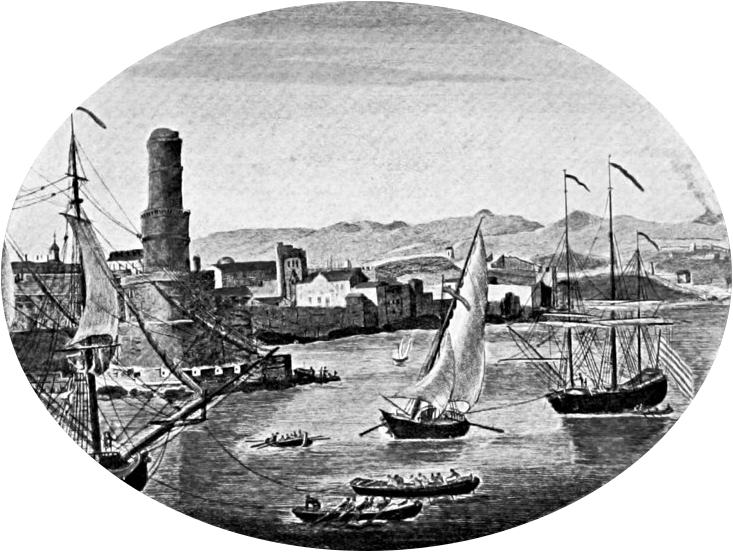
The establishment of Port Royal marked a transformative period for the Caribbean. Situated on a strategically vital natural harbor in Jamaica, the settlement quickly evolved into a major hub for trade and commerce. Initially, the Spanish recognized the potential of the location, leveraging its geographic position to facilitate the transit of goods between the American continents and Europe. Port Royal's natural harbor became a gateway, attracting merchants, sailors, and settlers.
The town's growth was driven by its favorable position on key maritime routes and the influx of European settlers, particularly English privateers and traders. As the merchant ships increased in number, so did the diversity of goods being exchanged. Port Royal saw the trading of sugar, rum, tobacco, and other commodities from the New World for European manufactured goods. This flow of trade brought prosperity, making the port one of the wealthiest in the Caribbean region.
The rise of Port Royal also had significant socio-economic impacts. The booming trade led to the establishment of various businesses, including taverns, inns, warehouses, and shipyards, boosting local employment and creating an economic ripple effect in the surrounding areas. The local economy became heavily dependent on trade, ushering in an era of wealth, but also attracting piracy.
Port Royal also became infamous for its lawlessness and decadence, leading to it being labeled \
View details1150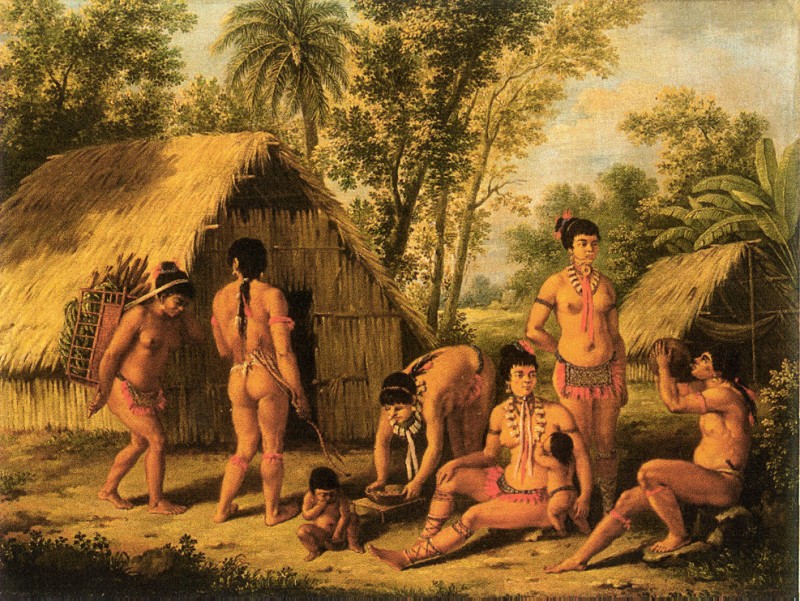
The Caribs, an indigenous people from the Lesser Antilles, arrived in Jamaica during a period of exploration and expansion across the Caribbean. This migration marked a significant transformation in the cultural and social landscape of the island. Historically, Jamaica was initially inhabited by the Arawaks, also known as Taíno people, who established a thriving society based on agriculture, fishing, and trade.
The arrival of the Caribs disrupted the existing equilibrium. Known for their seafaring skills and warrior culture, the Caribs introduced new tools and techniques to the island, which affected the way of life of the Arawaks. According to archaeological evidence, the Caribs brought with them advanced knowledge of navigation and warfare, including the use of dugout canoes and the practice of raiding neighboring islands.
One of the most profound impacts was the Caribs’ influence on the social structures and defensive strategies of the existing populations. The Taíno people, who were predominantly peaceful, had to adapt to the presence of the more aggressive Caribs. This adaptation led to the fortification of settlements and changes in their community organization to better defend against potential threats.
Trade networks also expanded as a result of the Caribs' extensive maritime routes. Goods such as pottery, tools, and other artifacts began to circulate more widely across the Caribbean, leading to increased interaction among islands. The Caribs’ interactions with the Taíno also facilitated the exchange of agricultural products, such as cassava and tobacco, contributing to the diversification of resources in Jamaica.
Population shifts occurred as well, with some Taíno groups migrating to less accessible areas to avoid conflict. While accurate population estimates are hard to come by, these movements likely led to demographic changes that reshaped the island's cultural and social dynamics.
In summary, the Caribs’ arrival in Jamaica represented a crucial juncture in the island's history, leading to cultural exchanges, the introduction of new technologies, and significant social changes. #MoofLife #JamaicanHistory #IndigenousPeoples
View details1000
The Taíno people, indigenous inhabitants of the Caribbean, demonstrated a high degree of organization and connectivity by establishing trade networks on the island of Jamaica. Their society, structured in complex chiefdoms, facilitated these networks. These trade systems extended beyond their island, reaching other Taíno groups in Cuba, Hispaniola, and Puerto Rico, as well as neighboring cultures in Central and South America.
The development of these trade routes was driven by the Taíno's need to exchange goods, resources, and cultural practices, supporting their economic and social structures. Key commodities traded included cassava, a staple food, along with tobacco, cotton, and crafted items such as pottery and wooden artifacts. They also engaged in the exchange of ceremonial objects used in their rituals and religious practices.
The impact of these trade networks was significant. They enabled the Taíno to acquire goods that were not readily available on their island but were abundant elsewhere. This exchange boosted their standard of living and facilitated cultural exchange, which enriched their spiritual and social life. The networks also contributed to the spread of agricultural techniques and craft skills, enhancing the overall technological development of the Taíno culture.
Archaeological evidence supports the existence of these trade networks. Artifacts such as stone tools and pottery found in Jamaica have been traced back to distant origins, indicating an extensive and well-maintained system of exchange. These findings highlight the Taíno's navigational skills and their ability to build and manage canoes capable of long sea voyages.
Scholars have also noted the role of social hierarchy in maintaining these trading systems. The caciques, or chiefs, played a central role in the coordination and regulation of trade, acting as intermediaries who controlled the flow of goods and upheld trading partnerships.
The establishment of these trade networks stands as a testament to the Taíno's organizational capabilities and their interaction with other cultures, which contributed to their social and economic resilience.
#TradeNetworks #TaínoCulture #JamaicanHistory #IndigenousTrade #MoofLife
View details0650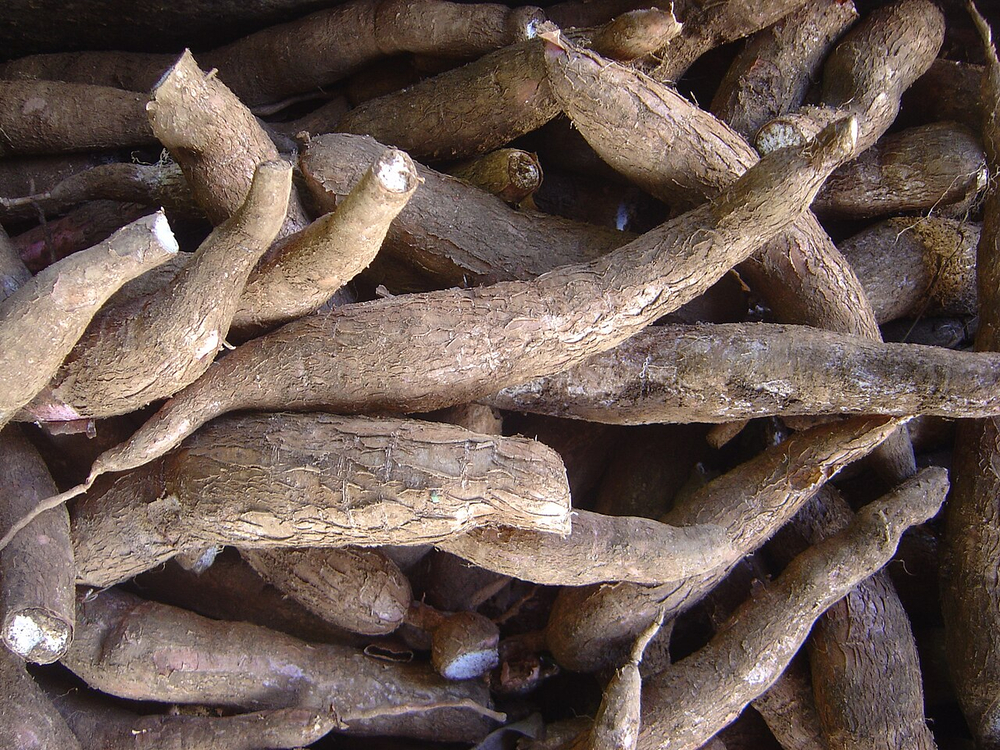
The introduction of agriculture to Jamaica by the Taíno people led to significant changes in the island's societal structure and economy. Before adopting agriculture, the Taíno relied primarily on hunting, fishing, and foraging, living a nomadic lifestyle. The transition to settled agricultural communities allowed for the development of a more stable food supply and the growth of larger, more permanent settlements.
The Taíno people began cultivating crops such as cassava, maize, yams, beans, and squash. These crops not only provided a reliable source of nutrition but also supported population growth and the establishment of complex societies. The agricultural practices included slash-and-burn techniques, which cleared land for planting and enriched the soil with nutrients from the ash.
Agriculture's impact on the Taíno society was profound. The ability to produce surplus food enabled the development of trade networks, both within Jamaica and with neighboring islands. The social stratification of Taíno communities became more pronounced, with leaders and religious figures gaining higher status due to their roles in organizing agricultural activities and distributing resources.
Archaeological evidence indicates that Taíno agricultural techniques were advanced for the time, allowing for efficient land use and sustainable practices. This period of agricultural development laid the foundation for the island's later economic and cultural evolution.
The cultivation of staple crops by the Taíno continues to influence Jamaican agriculture and cuisine today. Modern Jamaican farming practices and diets still incorporate many of these ancient crops, maintaining a direct connection to the Taíno heritage.
Understanding the Taíno contributions to Jamaican agriculture provides valuable insights into the island's pre-Columbian history and cultural legacy. This historical context highlights the significance of indigenous knowledge and practices in shaping the region's development.
#History #Agriculture #IndigenousPeoples #Jamaica #Taíno #AncientPractices #CulturalLegacy #MoofLife
View details0600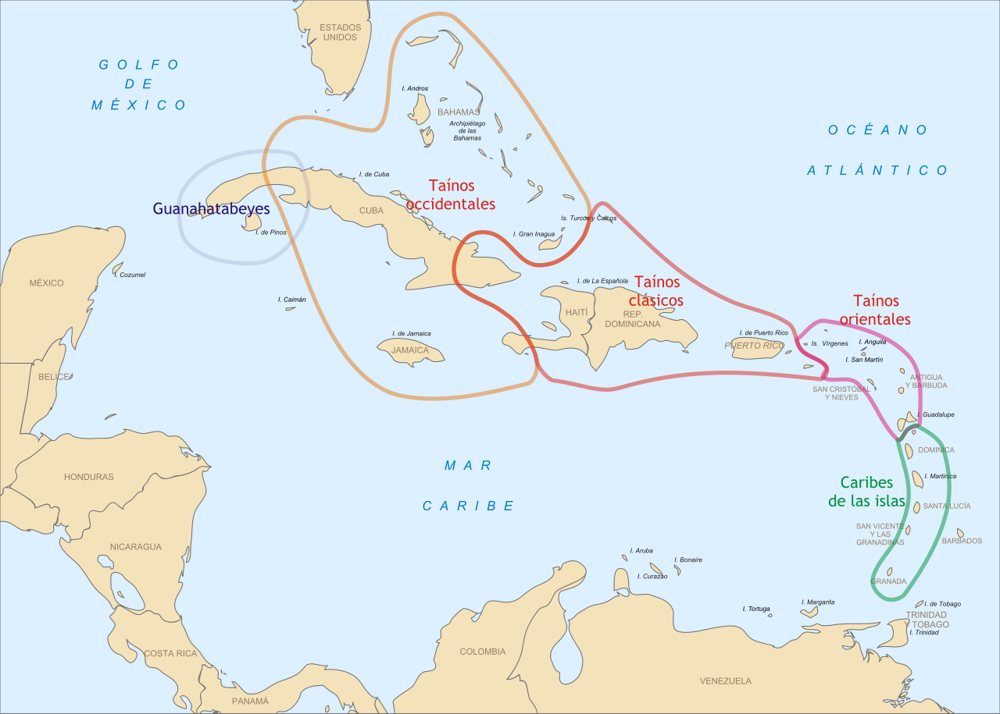
The Taíno people, originally from the mainland areas of South America, embarked on a series of migrations that eventually brought them to various Caribbean islands, including Jamaica. Originating from the Arawakan-speaking group, the Taíno journeyed via canoes, navigating vast oceanic distances to establish new settlements. Jamaica, known for its lush landscapes and abundant natural resources, became one of their significant destinations.
Upon their arrival, the Taíno brought with them a well-developed agricultural system, which included the cultivation of crops such as cassava, sweet potatoes, and maize. They also engaged in fishing and hunting, utilizing Jamaica's resources to establish a sustainable way of life. The Taíno were skilled in crafting tools and pottery, which played an essential role in their daily activities and ceremonial practices.
The sociopolitical structure of the Taíno society featured caciques or chiefs who governed different regions and managed communal activities. Their communal living was organized around yucayeques (villages), which were family-centric hubs of agriculture and crafts. The Taíno people built bohíos (circular huts) and caneyes (rectangular huts) which provided shelter and social gathering spaces. Each village often had a batey, an open space used for various communal and ceremonial activities, including the playing of games and the conduction of rituals.
Expertise in seafaring also enabled the Taíno to establish trade links with other Caribbean islands and mainland regions. This interaction not only facilitated economic exchanges but also cultural diffusion, influencing linguistic and societal developments in the region.
The arrival and establishment of the Taíno in Jamaica contributed to the island's pre-Columbian history, laying down a foundation of rich cultural heritage and significant archeological sites. Artifacts such as zemis (spiritual objects) and petroglyphs remain as testimony to their presence and practices on the island.
Their displacement following European colonization led to a dramatic shift in the demographic and cultural landscape of Jamaica. The legacy of the Taíno, however, continues to endure through archaeological findings and cultural histories that speak to their integral role in Jamaica's early societal development.
#MoofLife #Taíno #JamaicaHistory #IndigenousHeritage #CaribbeanCulture
View details