
Hong Kong

Fragrant Harbour
Related Lives

Ottoman Empire
A global superpower for over 600 years


Gregorian calendar
The New Style calendar

Roman Empire
Imperium Romanum

Romania
The Gateway to the Balkans
Angola
Land of contrasts, from bustling cities to breathtaking landscapes.

Morocco
The Land of the Atlas

Monarchy of the United Kingdom
The enduring legacy of the Royal Family.

1975
The last reported snowfall in Hong Kong occurred on Tai Mo Shan in 1975, marking a rare meteorological event in a region known for its humid subtropical climate. Snowfall is an unusual phenomenon in Hong Kong, where winters are typically mild and characterized by frequent cold fronts that bring cooling winds from the north. These cold fronts can lead to chilly weather, but they rarely result in snow. The climate in Hong Kong generally features warm summers and mild winters, with an average of 1,709 hours of sunshine per year. The occurrence of snow in such a climate is a significant event, making the 1975 snowfall a memorable moment in the city's weather history. Since then, residents and meteorologists alike have noted the rarity of snow in the region, with many hoping for a repeat of this unique weather occurrence. Tai Mo Shan, the highest peak in Hong Kong, served as the backdrop for this unusual event, highlighting the diverse climatic conditions that can exist even within a subtropical environment. As climate patterns continue to evolve, the possibility of future snowfall remains a topic of interest for both locals and climate scientists. #mooflife #mof #MomentOfLife #HongKong #Snowfall #TaiMoShan #WeatherHistory #ClimateChange
View details1963
The Historical Development and Impact of The Chinese University of Hong Kong Since Its Establishment
The Chinese University of Hong Kong (CUHK) was established in 1963, marking a significant milestone in the landscape of higher education in Hong Kong. As the first university in the city to use Chinese as its primary language of instruction, CUHK was founded to address the growing demand for a higher education institution that catered to the linguistic and cultural needs of the local population. This initiative not only aimed to enhance academic accessibility for Chinese-speaking students but also sought to promote Chinese culture and values within an academic framework. CUHK has since evolved into a comprehensive university, offering a wide range of undergraduate and postgraduate programs across various disciplines. The establishment of CUHK represented a pivotal moment in Hong Kong's educational history, contributing to the development of a more inclusive and diverse academic environment. Today, CUHK continues to uphold its mission of fostering academic excellence and cultural understanding, making it a vital institution in the region's educational landscape. #mooflife #mof #MomentOfLife #ChineseUniversityOfHongKong #Cuhk #HigherEducation #HongKong #ChineseLanguageInstruction
View detailsThe Fulton Commission, established in 1963, was tasked with advising on the creation of a federal-type Chinese university in Hong Kong. The commission's report, published in the journal Minerva, outlines the need for a higher education institution that would cater specifically to the Chinese population in Hong Kong, reflecting the unique cultural and educational needs of the region. The report emphasizes the importance of a federal structure that would allow for collaboration among various educational institutions, thereby enhancing academic standards and research capabilities. The commission's recommendations aimed to foster a more inclusive and comprehensive educational framework, which would not only serve local students but also attract international scholars. This initiative was seen as a crucial step towards advancing higher education in Hong Kong during a period of significant social and political change. The report has since been referenced in discussions about educational reforms and the development of universities in post-colonial contexts, highlighting its lasting impact on the region's academic landscape. #mooflife #mof #MomentOfLife #FultonCommission #ChineseUniversity #HigherEducation #HongKong #EducationalReform
View details1950
During the 1950s, Hong Kong emerged as the first of the Four Asian Tiger economies to undergo significant industrialisation. This period was marked by a rapid increase in population, which prompted the colonial government to implement various reforms aimed at enhancing infrastructure and public services. One of the key initiatives was the establishment of a public-housing estate programme, designed to address the housing needs of the growing population. Additionally, the Independent Commission Against Corruption was formed to combat corruption and promote transparency within the government. Another major development was the introduction of the Mass Transit Railway (MTR), which revolutionised public transportation in the region, facilitating easier movement for residents and contributing to the overall economic growth. These reforms not only improved the quality of life for many Hong Kong residents but also laid the groundwork for the territory's future economic success and stability. #mooflife #mof #MomentOfLife #HongKong #Industrialisation #1950s #PublicServices #AsianTigerEconomies
View details1945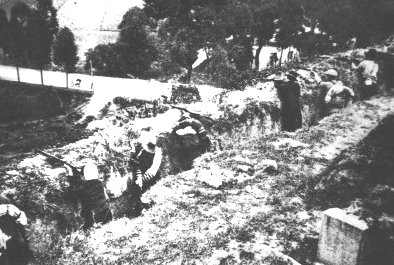
The Japanese occupation of Hong Kong, which lasted from December 1941 until August 30, 1945, marked a significant and tumultuous period in the territory's history. Following Japan's surrender in World War II, the occupation came to an end, leading to the restoration of British control over Hong Kong. During the occupation, the local population faced severe hardships, including food shortages, forced labor, and repression. The end of the occupation was celebrated by many residents, who had endured years of suffering under Japanese rule. The return to British administration set the stage for Hong Kong's eventual transition to Chinese sovereignty in 1997. This historical event is crucial in understanding the complex political and social dynamics that have shaped Hong Kong's identity over the decades. The legacy of the occupation continues to influence the region's historical narrative and its relationship with both Britain and China. #mooflife #mof #MomentOfLife #JapaneseOccupation #HongKongHistory #WorldWarIi #BritishControl #EndOfOccupation
View details1941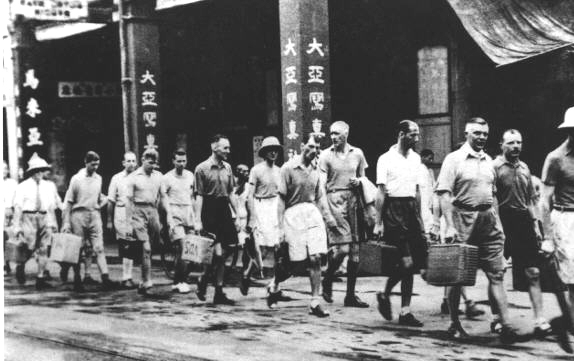
On December 25, 1941, Hong Kong fell under the control of Imperial Japanese forces during World War II, marking the beginning of a tumultuous period for the territory. The occupation lasted until August 15, 1945, when Japan surrendered, leading to the end of World War II. The Japanese military quickly established a harsh regime, implementing strict controls over the local population and resources. The occupation was characterized by widespread suffering, including food shortages, forced labor, and brutal treatment of civilians. The Japanese authorities aimed to integrate Hong Kong into their Greater East Asia Co-Prosperity Sphere, which further exacerbated the hardships faced by the residents. The impact of the occupation was profound, leaving lasting scars on the community and shaping the post-war recovery of Hong Kong. After the war, the territory was returned to British control, eventually leading to its handover to China in 1997. The legacy of the Japanese occupation remains a significant chapter in Hong Kong's history, influencing its cultural and social landscape. #mooflife #mof #MomentOfLife #JapaneseOccupation #HongKongHistory #WorldWarIi #ImperialJapan #Post-warRecovery
View details1937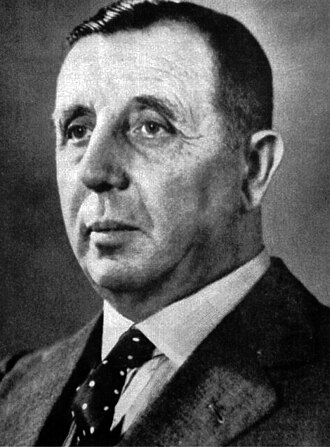
In 1937, as tensions escalated in East Asia, Governor Geoffry Northcote of Hong Kong declared the territory a neutral zone at the onset of the Second Sino-Japanese War. This strategic decision aimed to preserve Hong Kong's status as a free port amidst the growing conflict between China and Japan. The colonial government took proactive measures to prepare for potential hostilities, including the evacuation of all British women and children by 1940. This foresight proved crucial as the situation deteriorated, culminating in the Imperial Japanese Army's attack on Hong Kong on December 8, 1941, coinciding with the infamous attack on Pearl Harbor. The declaration of neutrality and subsequent evacuation efforts reflected the colonial administration's commitment to safeguarding its residents and maintaining Hong Kong's economic stability during a tumultuous period in history. #mooflife #mof #MomentOfLife #SecondSino-japaneseWar #HongKongHistory #GeoffryNorthcote #ImperialJapaneseArmy #BritishColonialAdministration
View details1924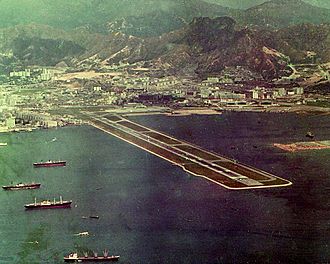
Kai Tak Airport, which commenced operations in 1924, marked a significant milestone in Hong Kong's aviation history. The establishment of the airport played a crucial role in enhancing connectivity and facilitating trade, which was vital for the colony's economic stability. Following the Canton-Hong Kong strike of 1925-26, which threatened to plunge the region into a prolonged economic downturn, the airport's operation provided a much-needed boost to the local economy. It allowed for the influx of goods and passengers, thereby supporting various sectors and helping to mitigate the adverse effects of the strike. Over the years, Kai Tak Airport became known for its unique approach and challenging landing conditions, making it a notable landmark in aviation circles. Its legacy continues to influence Hong Kong's transportation infrastructure even after its closure in 1998, as the city transitioned to the modern Hong Kong International Airport. The historical significance of Kai Tak Airport is a testament to Hong Kong's resilience and adaptability in the face of economic challenges. #mooflife #mof #MomentOfLife #KaiTakAirport #HongKongHistory #Aviation #EconomicImpact #Transportation
View details1911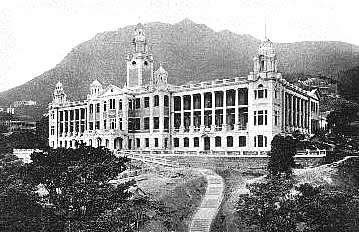
The University of Hong Kong (HKU) was established in 1911, marking a significant milestone as the first institution of higher education in the territory. Founded during a period of economic improvement and increased foreign investment, HKU has played a pivotal role in shaping the educational landscape of Hong Kong. The university was initially set up to provide higher education opportunities to the local population and has since evolved into a leading global institution. With a commitment to academic excellence, research innovation, and community engagement, HKU has produced numerous influential graduates who have made substantial contributions to various fields both locally and internationally. Over the years, the university has expanded its programs and facilities, attracting a diverse student body and faculty from around the world. Today, HKU is recognized for its rigorous academic standards and its role in fostering a vibrant intellectual community in Hong Kong and beyond. #mooflife #mof #MomentOfLife #UniversityOfHongKong #HigherEducation #Hku #HistoryOfEducation #HongKong
View details1904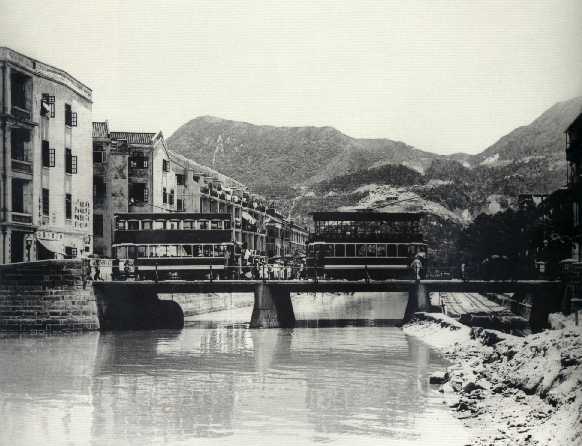
Hong Kong Tramways has been an integral part of Hong Kong's public transport system since its inception in 1904. The tram network spans a significant portion of Hong Kong Island, providing essential connectivity from Kennedy Town to Shau Kei Wan, with an additional branch extending to Happy Valley. Currently, the tramways operate 6 distinct routes, catering to the daily commuting needs of residents and tourists alike. In 2022, the tramways recorded a rideship of 42,558, showcasing its continued relevance and popularity among the public. Notably, Hong Kong Tramways holds the Guinness World Record for the 'Largest double-decker tram fleet in service', a testament to its unique and iconic status in the city. The trams not only serve as a mode of transportation but also as a symbol of Hong Kong's rich history and cultural heritage, making them a must-try experience for visitors exploring the vibrant streets of the city. #mooflife #mof #MomentOfLife #HongKongTramways #PublicTransport #Double-deckerTrams #HongKongHistory #GuinnessWorldRecord
View details1898
On June 9, 1898, the United Kingdom entered into a significant agreement known as the Convention for the Extension of Hong Kong Territory, which resulted in the lease of the New Territories for a period of 99 years. This lease was a strategic move by the British to expand their control over the region surrounding Hong Kong, which had been ceded to them in perpetuity following the First Opium War in 1842. The New Territories encompassed a vast area of land, including numerous islands and rural areas, which were essential for the development and expansion of Hong Kong as a major trading port. The lease was set to expire on June 30, 1997, leading to significant discussions and negotiations regarding the future of Hong Kong. Following the end of the lease, the territory was handed over to China, marking a pivotal moment in the region's history. This transition was characterized by the 'one country, two systems' principle, allowing Hong Kong to maintain its own legal and economic systems for 50 years post-handover. The New Territories lease remains a crucial aspect of Hong Kong's historical and political landscape, influencing its governance and relationship with mainland China. #mooflife #mof #MomentOfLife #NewTerritoriesLease #HongKongHistory #BritishColonialism #HandoverOfHongKong #OneCountryTwoSystems
View details1893
On 18 January 1893, the Hong Kong Observatory recorded a historic low temperature of 0.0 °C (32.0 °F), marking a significant meteorological event in the region's climatic history. This rare occurrence took place during a period characterized by short, mild winters typical of Hong Kong's humid subtropical climate. The observatory's records indicate that such low temperatures are exceptionally uncommon, as the city generally enjoys sunny and temperate winters. The 1893 event remains one of the lowest temperatures ever documented in Hong Kong, alongside other notable extremes such as the highest temperature of 36.6 °C (97.9 °F) recorded on 22 August 2017. Understanding these temperature extremes is crucial for climate studies and helps in assessing the impacts of climate change on urban environments. The historical data from the Hong Kong Observatory serves as a vital resource for researchers and meteorologists alike, providing insights into the region's climatic patterns and anomalies over the years. #mooflife #mof #MomentOfLife #HongKongObservatory #HistoricLowTemperature #ClimateHistory #SubtropicalClimate #TemperatureExtremes
View details1888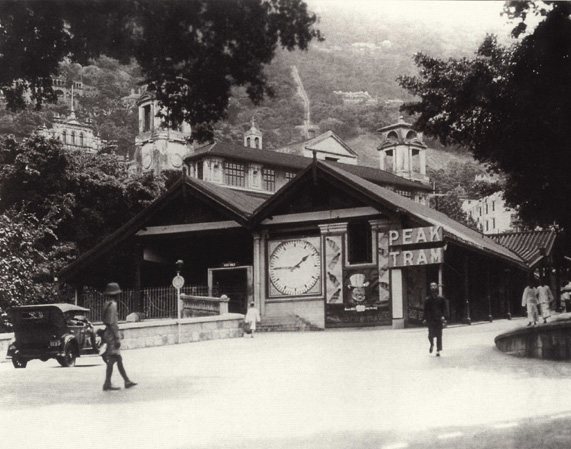
In 1888, the Peak Tram commenced operations, marking a significant milestone in Hong Kong's public transport history. As the first public transport system in the city, the Peak Tram has been providing funicular rail transport between Central and Victoria Peak for over a century. This iconic tramway not only serves as a vital transportation link but also as a popular tourist attraction, offering breathtaking views of Central and Victoria Harbour. The journey on the Peak Tram is a unique experience, characterized by its steep incline and scenic vistas, making it a must-visit for both locals and tourists alike. The tram's historical significance and engineering marvel continue to draw visitors, contributing to Hong Kong's rich cultural heritage. Today, the Peak Tram remains an essential part of the city's transport network, connecting residents and visitors to one of Hong Kong's most famous landmarks, Victoria Peak, which is renowned for its panoramic views and recreational opportunities. #mooflife #mof #MomentOfLife #PeakTram #HongKongHistory #PublicTransport #VictoriaPeak #TouristAttraction
View details1860
The Convention of Peking, signed on 24 October 1860, marked a significant moment in the history of Hong Kong and its relationship with British colonial rule. This treaty was a result of the Second Opium War, which saw the Qing Dynasty of China cede the Kowloon Peninsula and Stonecutters Island to the British Empire. The acquisition of these territories not only expanded British control in the region but also laid the groundwork for the future development of Hong Kong as a major trading hub. The Convention was part of a series of unequal treaties that highlighted the power dynamics between Western powers and China during the 19th century. The cession of Kowloon was pivotal, as it allowed the British to establish a more strategic military and commercial presence in the area, ultimately leading to the further expansion of Hong Kong's territory in subsequent years, including the New Territories lease in 1898. The implications of the Convention of Peking continue to resonate in discussions about sovereignty and colonial legacy in Hong Kong today. #mooflife #mof #MomentOfLife #ConventionOfPeking #HongKongHistory #BritishColonialism #SecondOpiumWar #KowloonPeninsula
View detailsThe Convention of Peking, signed in 1860, marked a significant turning point in the history of Hong Kong and the Qing Dynasty. Following the Qing's defeat in the Second Opium War, the treaty compelled the Qing government to cede the Kowloon Peninsula and Stonecutters Island to the British Empire. This loss was not merely territorial; it symbolized the Qing's waning power and the increasing influence of Western imperialism in Asia. The cession of these territories transformed Hong Kong from a mere colonial outpost into a bustling entrepôt, facilitating trade and commerce between the East and West. By the end of the war, Hong Kong had established itself as a vital hub for international trade, attracting merchants and businesses from around the globe. The Convention of Peking thus laid the groundwork for Hong Kong's future development and its role as a key player in global trade networks. #mooflife #mof #MomentOfLife #ConventionOfPeking #SecondOpiumWar #HongKongHistory #QingDynasty #BritishEmpire
View details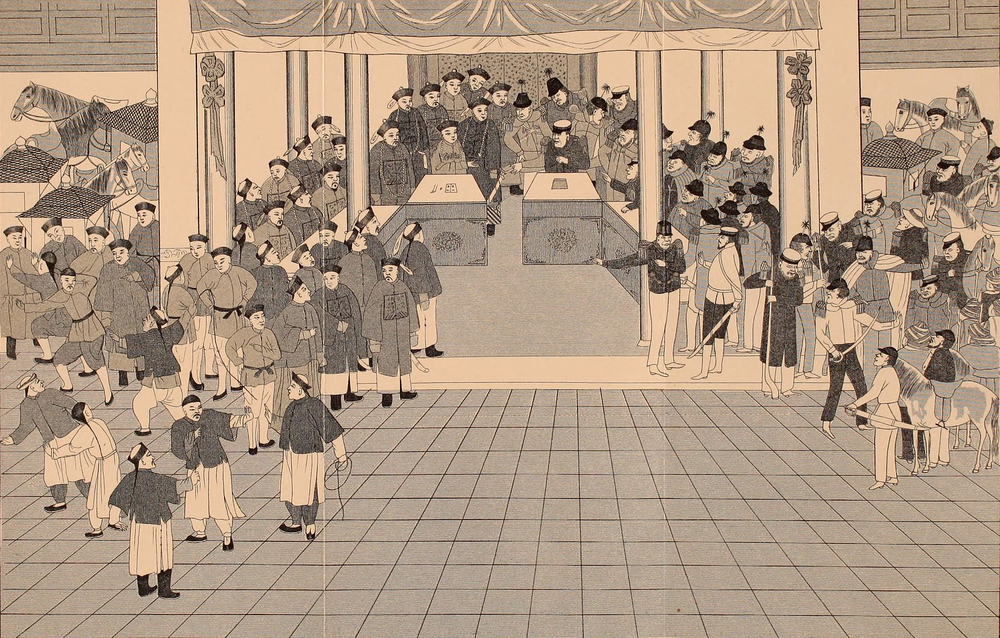
In 1860, the British colony of Hong Kong expanded to include the Kowloon Peninsula, a significant development in the region's colonial history. This expansion was formalized through the Convention of Peking, which followed the Second Opium War. The Qing dynasty ceded the Kowloon Peninsula to Britain, allowing for increased British control and influence in the area. The acquisition of Kowloon not only enhanced the strategic military position of the British Empire in East Asia but also facilitated economic growth and urban development in Hong Kong. The newly acquired land provided opportunities for expansion of trade and commerce, which were vital for the colony's prosperity. Over the years, Kowloon evolved into a bustling urban center, contributing to the overall growth of Hong Kong as a major global financial hub. The expansion marked a pivotal moment in the history of Hong Kong, setting the stage for its future development and integration into the global economy. #mooflife #mof #MomentOfLife #KowloonPeninsula #HongKongHistory #BritishEmpire #ColonialExpansion #SecondOpiumWar
View details1850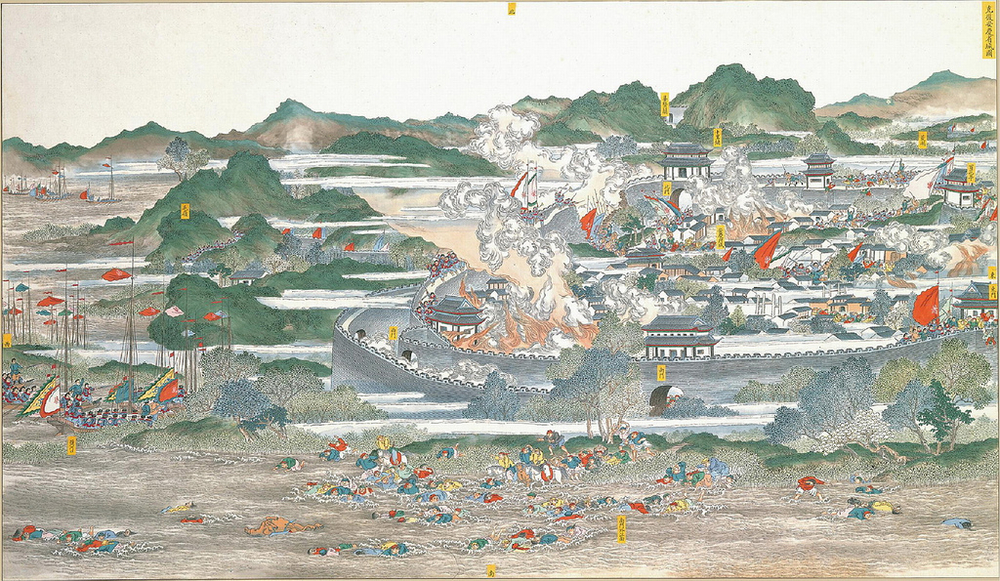
The 1850s marked a significant period in Hong Kong's history, particularly during the Taiping Rebellion, which was one of the deadliest conflicts in history. As the rebellion unfolded in mainland China, many Chinese refugees, including wealthy merchants, sought refuge in Hong Kong, leading to a demographic shift that positively impacted the island's economy and cultural landscape. The influx of these refugees contributed to the growth of trade and commerce in the colony, as they brought with them capital and business acumen. However, this period was also characterized by escalating tensions between the British colonial authorities and the Qing dynasty, primarily over the opium trade. The British were heavily invested in the opium trade, which had devastating effects on Chinese society. These tensions ultimately culminated in the Second Opium War (1856-1860), further complicating the geopolitical landscape of the region. The Taiping Rebellion and the subsequent conflicts not only shaped the future of Hong Kong but also had lasting implications for Sino-British relations and the broader context of colonialism in Asia. #mooflife #mof #MomentOfLife #TaipingRebellion #HongKongHistory #SecondOpiumWar #ChineseRefugees #BritishColonialism
View details1846
Constructed in 1846, the Flagstaff House stands as a significant historical landmark in Hong Kong, representing the oldest Western-style building in the region. Originally serving as the residence for the Commander of the British forces, this architectural gem is a prime example of colonial architecture that reflects the influence of European design in the area. The building's design features elements typical of the colonial era, showcasing the blend of functionality and aesthetics that characterized the period. Over the years, Flagstaff House has not only served its original purpose but has also become a symbol of Hong Kong's rich history and cultural heritage. Today, it houses the Hong Kong Museum of Tea Ware, allowing visitors to explore the historical significance of tea culture in the region. The preservation of Flagstaff House is crucial for understanding the colonial past of Hong Kong and its architectural evolution. As a testament to the city's diverse architectural landscape, it stands alongside other notable structures that highlight the fusion of Eastern and Western influences in Hong Kong's built environment. #mooflife #mof #MomentOfLife #FlagstaffHouse #HongKongHistory #ColonialArchitecture #BritishForces #CulturalHeritage
View details1842
The Treaty of Nanking, signed on August 29, 1842, was a pivotal agreement that marked the conclusion of the First Opium War between the British Empire and the Qing Dynasty of China. This treaty was significant as it not only ended hostilities but also imposed several conditions on China, fundamentally altering its relationship with foreign powers. One of the most notable outcomes of the treaty was the cession of Hong Kong Island to Britain, which became a crucial trading post and naval base for the British Empire. The treaty also established a framework for trade relations, including the opening of five ports to British merchants and the establishment of a fixed tariff on trade. The Treaty of Nanking is often viewed as the beginning of the 'Century of Humiliation' for China, as it highlighted the imbalances in power and the impact of Western imperialism in the region. The implications of this treaty were profound, leading to further conflicts and treaties that continued to shape China's interactions with the West for decades to come. #mooflife #mof #MomentOfLife #TreatyOfNanking #FirstOpiumWar #HongKongHistory #BritishEmpire #QingDynasty
View detailsThe Treaty of Nanking, signed in 1842, marked a significant turning point in the history of Hong Kong and its relationship with the United Kingdom. Following over a year of hostilities during the First Opium War, the treaty resulted in the formal cession of Hong Kong Island to the British. This agreement not only established British sovereignty over the island but also set the stage for the development of Hong Kong as a major trading hub. In the early months following the treaty, the British quickly established administrative infrastructure to govern the newly acquired territory. However, the initial years were fraught with challenges. The government faced significant obstacles, including rampant piracy, widespread disease, and unfriendly policies from the Qing dynasty, which hindered efforts to attract commerce and stabilize the region. Despite these challenges, the foundation laid during this period would eventually lead to Hong Kong's transformation into a thriving international port and financial center. The Treaty of Nanking is thus a pivotal moment in both British colonial history and the development of modern Hong Kong. #mooflife #mof #MomentOfLife #TreatyOfNanking #HongKongHistory #BritishColonialism #FirstOpiumWar #QingDynasty
View details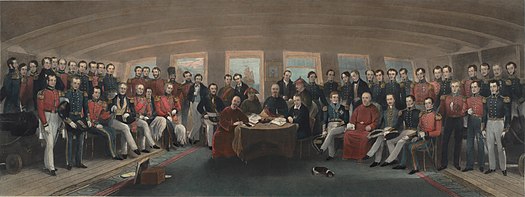
1841
The first school in Hong Kong was established during the colonial era. This marked the beginning of a formal education system in the region, which has since evolved significantly. The education system in Hong Kong is largely modelled on that of the United Kingdom, particularly the English system. Children are required to attend school from age 6 until completion of secondary education, generally at age 18. At the end of secondary schooling, all students take a public examination and are awarded the Hong Kong Diploma of Secondary Education upon successful completion. Of residents aged 15 and older, 81% completed lower-secondary education, 66% graduated from an upper secondary school, 32% attended a non-degree tertiary program, and 24% earned a bachelor's degree or higher. Mandatory education has contributed to an adult literacy rate of 95.7%. The literacy rate is lower than that of other developed economies because of the influx of refugees from mainland China during the post-war colonial era; much of the elderly population were not formally educated because of war and poverty. Comprehensive schools fall under three categories: public schools, which are government-run; subsidised schools, including government aid-and-grant schools; and private schools, often those run by religious organisations and that base admissions on academic merit. These schools are subject to the curriculum guidelines as provided by the Education Bureau. Private schools subsidised under the Direct Subsidy Scheme and international schools fall outside of this system and may elect to use differing curricula and teach using other languages.
View detailsIn 1841, Hong Kong Island was ceded to the British Empire by the Qing dynasty as a result of the First Opium War, marking the establishment of Hong Kong as a British colony. This significant event occurred during a period of conflict between China and Britain, primarily over trade disputes and the opium trade. The cession was formalized in the Treaty of Nanking in 1842, which concluded the war and set the stage for British colonial rule in the region. Over the years, the colony expanded beyond Hong Kong Island, with the Kowloon Peninsula being ceded in 1860 and further territorial acquisitions occurring in subsequent years. The British administration transformed Hong Kong into a major trading hub and a gateway between East and West, fostering economic growth and cultural exchange. The legacy of British colonialism continues to influence Hong Kong's political, social, and economic landscape today, making it a unique blend of Eastern and Western cultures. #mooflife #mof #MomentOfLife #HongKongHistory #BritishEmpire #QingDynasty #FirstOpiumWar #Colonialism
View detailsIn 1841, Sir John Francis Davis published 'Sketches of China,' a significant work that provides a comprehensive account of his four-month inland journey through China, specifically between the cities of Peking, Nanking, and Canton. This book is particularly notable for its observations and insights regarding the socio-political climate of China during a tumultuous period marked by conflict, including the First Opium War. Davis, who served as the Chief Superintendent of Trade in China, offers a unique perspective on the interactions between Western powers and Chinese society, shedding light on the complexities of colonialism and trade. His detailed descriptions of the landscapes, cultures, and customs encountered during his travels contribute to a deeper understanding of early 19th-century China, including the strategic importance of Hong Kong. 'Sketches of China' remains a valuable resource for historians and scholars interested in the dynamics of East-West relations and the historical context of modern China. #mooflife #mof #MomentOfLife #SketchesOfChina #SirJohnFrancisDavis #19thCenturyChina #FirstOpiumWar #HongKongHistory
View detailsIn 1841, British control of Hong Kong commenced following the Qing Dynasty's surrender early in the First Opium War. The Convention of Chuenpi, signed on January 26, 1841, marked the formal cession of Hong Kong Island to Britain. This agreement was a significant turning point in the history of Hong Kong, as it laid the foundation for British colonial rule in the region. However, both the British and Qing governments expressed dissatisfaction with the terms of the convention, leading to its non-ratification. Despite this, British forces quickly established control over the island, setting the stage for the development of Hong Kong as a major trading port and a strategic military base. The implications of this event were profound, influencing the socio-political landscape of Hong Kong and its relationship with China for over a century. The legacy of British rule continues to shape Hong Kong's identity and governance today, making this historical moment a critical point of reference in understanding the region's complex history. #mooflife #mof #MomentOfLife #HongKongHistory #BritishColonialism #FirstOpiumWar #QingDynasty #ConventionOfChuenpi
View detailsOn January 26, 1841, Hong Kong officially became a British possession following the Convention of Chuenpi, a significant event that marked the beginning of British colonial rule in the region. This transition was a direct consequence of the First Opium War (1839-1842) between the British Empire and the Qing dynasty of China. The war arose from disputes over trade, particularly the opium trade, which had devastating effects on Chinese society. The cession of Hong Kong Island was formalized in the Treaty of Nanking in 1842, which concluded the war. Over the years, the British expanded their control, acquiring the Kowloon Peninsula in 1860 and later the New Territories in 1898, thus establishing a significant colonial presence in the region. The British administration brought about various changes in governance, infrastructure, and trade, which laid the foundation for Hong Kong's development into a major global financial center. The legacy of British rule continues to influence Hong Kong's culture, legal system, and economy even after the handover to China in 1997. #mooflife #mof #MomentOfLife #BritishHongKong #FirstOpiumWar #HongKongHistory #Colonialism #QingDynasty
View details1839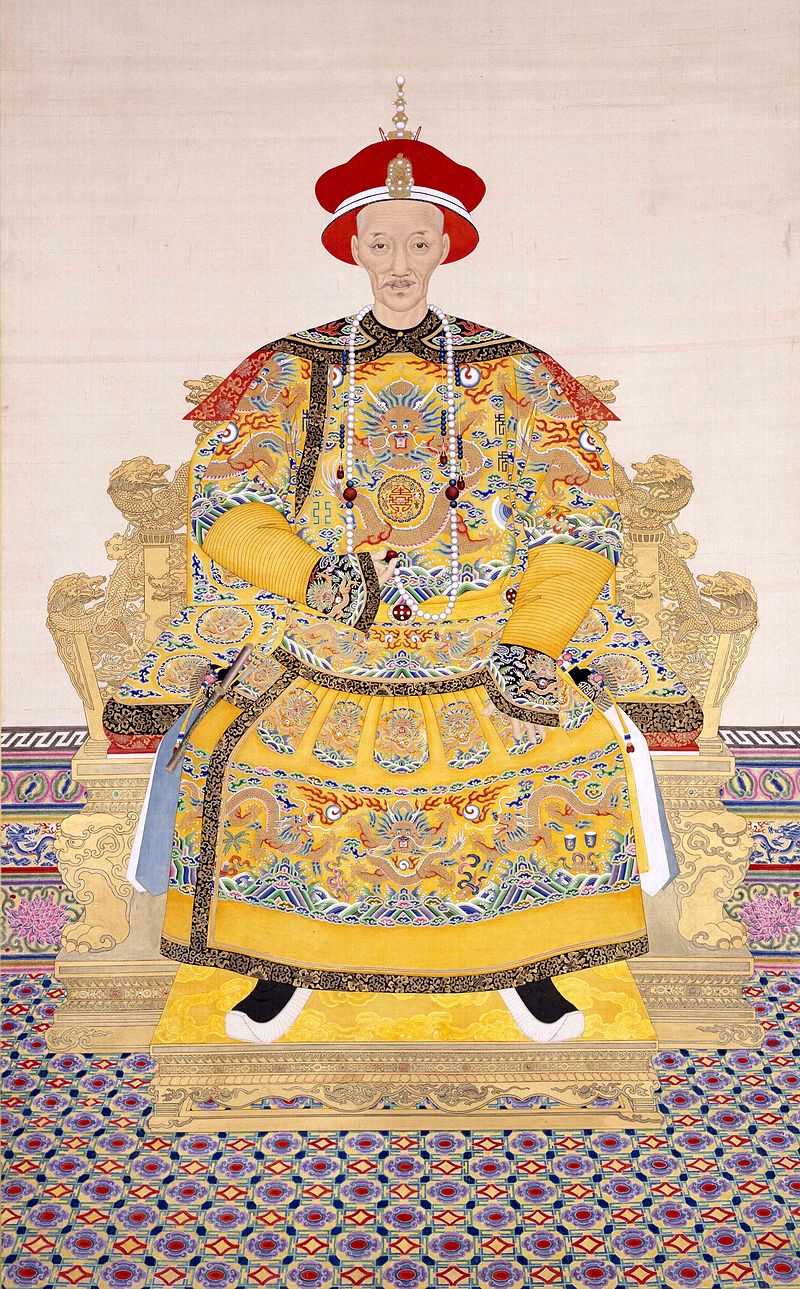
In 1839, the Daoguang Emperor of China faced a critical juncture regarding the opium trade, which had been causing widespread social and economic issues within the country. Despite proposals to legalize and tax opium, the Emperor firmly rejected these suggestions, recognizing the detrimental effects of opium addiction on the Chinese populace. He appointed imperial commissioner Lin Zexu, a staunch opponent of the opium trade, to take decisive action against this growing crisis. Lin Zexu implemented a series of aggressive measures, including the destruction of opium stockpiles and the suspension of all foreign trade. These actions were aimed at eradicating the opium trade and restoring moral integrity to Chinese society. However, the crackdown on opium led to significant tensions with Britain, which was heavily invested in the opium trade. The British response to these actions culminated in the First Opium War, marking a significant turning point in Sino-British relations and the beginning of a series of conflicts that would reshape China's interactions with foreign powers. This episode highlights the complexities of trade, addiction, and imperialism in the 19th century, as well as the challenges faced by the Qing dynasty in maintaining sovereignty and social order. #mooflife #mof #MomentOfLife #DaoguangEmperor #LinZexu #OpiumTrade #FirstOpiumWar #ChineseHistory
View details1780
In 1780, the territory now known as Hong Kong was first romanised as 'He-Ong-Kong'. This name originally referred to a small inlet situated between Aberdeen Island and the southern coast of Hong Kong Island. Aberdeen served as a crucial point of contact between British sailors and local fishermen, marking the beginning of interactions that would shape the region's history. The exact source of the romanised name remains uncertain; however, it is widely believed to be an early phonetic rendering of the Cantonese phrase 'hēung góng'. This phrase translates to 'fragrant harbour' or 'incense harbour'. The term 'fragrant' may refer to the sweet taste of the harbour's freshwater influx from the Pearl River or the aromatic scents emanating from incense factories that were prevalent along the northern coast of Kowloon. These factories stored incense near Aberdeen Harbour for export, further contributing to the name's significance. The historical context of this name highlights the rich cultural and economic exchanges that have taken place in this vibrant region, laying the groundwork for Hong Kong's development into a major global city. #mooflife #mof #MomentOfLife #HongKong #Etymology #FragrantHarbour #History #Romanisation
View details1757
In 1757, the Canton System was established to impose stricter regulations on trade in China, particularly limiting non-Russian ships to the port of Canton. This system emerged in response to the growing European demand for Chinese goods such as tea, silk, and porcelain. However, the Chinese market showed little interest in European manufactured products, leading to a significant trade imbalance. As a result, Chinese commodities could only be purchased with precious metals, primarily silver. To address this imbalance, British traders began to export large quantities of Indian opium to China, which created a widespread addiction crisis. In response, Qing officials took increasingly aggressive measures to combat the opium trade, recognizing its detrimental effects on Chinese society and economy. The Canton System thus highlights the complexities of international trade relations during this period, illustrating the challenges faced by China in managing foreign influence and domestic stability. #mooflife #mof #MomentOfLife #CantonSystem #TradeRegulation #OpiumCrisis #QingDynasty #ChineseCommodities
View details1661
The Great Clearance, which occurred from 1661 to 1683, was a significant event in the history of the region that now comprises present-day Hong Kong. During this period, the population of the area was largely cleared, resulting in a transformation of the landscape into a wasteland. This drastic measure was part of the Qing Dynasty's efforts to control piracy and stabilize the coastal regions. Following the Great Clearance, a pivotal change occurred in 1684 when the Kangxi Emperor lifted the maritime trade prohibition. This decision allowed foreign traders to access Chinese ports, marking the beginning of increased foreign interaction and trade in the region. The lifting of the prohibition not only revitalized the economy but also set the stage for Hong Kong's future as a major trading hub. The historical implications of these events are still felt today, as they laid the groundwork for Hong Kong's development into a vibrant metropolis and a key player in global commerce. #mooflife #mof #MomentOfLife #GreatClearance #KangxiEmperor #HongKongHistory #MaritimeTrade #QingDynasty
View details1513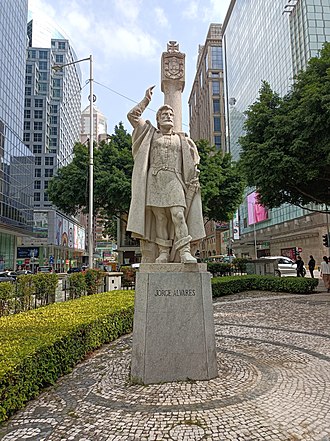
In 1513, Portuguese explorer Jorge Álvares made history as the earliest European visitor to the waters of Hong Kong. His arrival marked the beginning of a significant chapter in the region's trade history, as Portuguese merchants established a trading post known as Tamão. This post facilitated regular trade with southern China, paving the way for cultural and economic exchanges between the two regions. However, the initial success was met with challenges; military clashes in the 1520s led to the expulsion of Portuguese traders from the area. Despite these setbacks, the resilience of trade relations was evident when Portuguese-Chinese trade was re-established in 1549. This revival laid the groundwork for future interactions, culminating in Portugal acquiring a permanent lease for Macau in 1887, which further solidified its presence in the region. The early 16th century thus stands as a pivotal moment in the history of European exploration and trade in Asia, with Jorge Álvares's journey serving as a catalyst for ongoing commercial relationships between Portugal and China. #mooflife #mof #MomentOfLife #JorgeÁlvares #PortugueseExploration #HongKongHistory #TradeRelations #Macau
View details