
Hong Kong

Fragrant Harbour
Related Lives
Ottoman Empire
A global superpower for over 600 years


Gregorian calendar
The New Style calendar

Roman Empire
Imperium Romanum

Burkina Faso
The Heart of West Africa

Pakistan
Pakistan Zindabad

Australia
The Land Down Under

Timor-Leste (East Timor)
Land of the Rising Sun

1368
The Ming Dynasty, which reigned from 1368 to 1644, represents a pivotal chapter in Chinese history characterized by significant political, economic, and cultural advancements. Following the fall of the Yuan Dynasty, the Ming established a centralized government that emphasized Confucian values and bureaucratic governance. This period is marked by the consolidation of imperial power, with emperors such as Hongwu and Yongle implementing reforms that strengthened the state and improved agricultural productivity. The Ming era also witnessed a cultural renaissance, with advancements in literature, art, and philosophy, as well as the construction of iconic structures like the Forbidden City. Trade flourished during this time, both domestically and internationally, with the establishment of maritime routes that connected China to Southeast Asia, the Middle East, and beyond. The Cambridge History of China provides a comprehensive analysis of these developments, offering insights into the complexities of Ming society and its lasting impact on Chinese civilization. This dynasty not only laid the groundwork for modern China but also influenced global trade patterns and cultural exchanges that resonate to this day. #mooflife #mof #MomentOfLife #MingDynasty #ChineseHistory #CulturalRenaissance #TradeExpansion #CambridgeHistoryOfChina
View details1279
The Battle of Yamen, fought in 1279, marked a significant turning point in the Mongol conquest of China, leading to the fall of the Southern Song Dynasty. During the 13th century, the Southern Song court temporarily relocated to modern-day Kowloon City, specifically at the Sung Wong Toi site, as they sought refuge from the advancing Mongol forces. This strategic move was a last-ditch effort to preserve their rule and maintain their sovereignty. However, the Southern Song's efforts were ultimately in vain. The battle took place in the waters near Yamen, where the Yuan Dynasty's naval forces decisively defeated the Southern Song fleet. The defeat at Yamen not only led to the end of the Southern Song Dynasty but also solidified the Mongol Empire's control over China, paving the way for the establishment of the Yuan Dynasty. This battle is remembered as a crucial event in Chinese history, symbolizing the end of an era and the beginning of Mongol dominance in the region. #mooflife #mof #MomentOfLife #BattleOfYamen #SouthernSongDynasty #MongolConquest #YuanDynasty #ChineseHistory
View details1266
The Tin Hau Temple, dedicated to Mazu, the sea goddess, holds a significant place in Hong Kong's cultural and architectural heritage. Originally constructed in 1012, the temple was rebuilt in 1266, making it the oldest existing structure in the territory. This historical site not only reflects the rich spiritual traditions of the local community but also showcases the architectural styles prevalent during the Song Dynasty. The temple's intricate design and craftsmanship are exemplary of the era's construction techniques, making it a vital part of Hong Kong's historical narrative. Visitors to the Tin Hau Temple can appreciate its serene atmosphere and the vibrant rituals that continue to be practiced today. As part of the Ping Shan Heritage Trail, the temple is a key attraction for those interested in exploring the region's historical architecture, alongside other significant sites like the Tsui Sing Lau Pagoda. The Tin Hau Temple stands as a testament to the enduring legacy of traditional Chinese culture in Hong Kong, attracting both locals and tourists alike who seek to connect with the past. #mooflife #mof #MomentOfLife #TinHauTemple #Mazu #HongKongHistory #HistoricalArchitecture #PingShanHeritageTrail
View details1012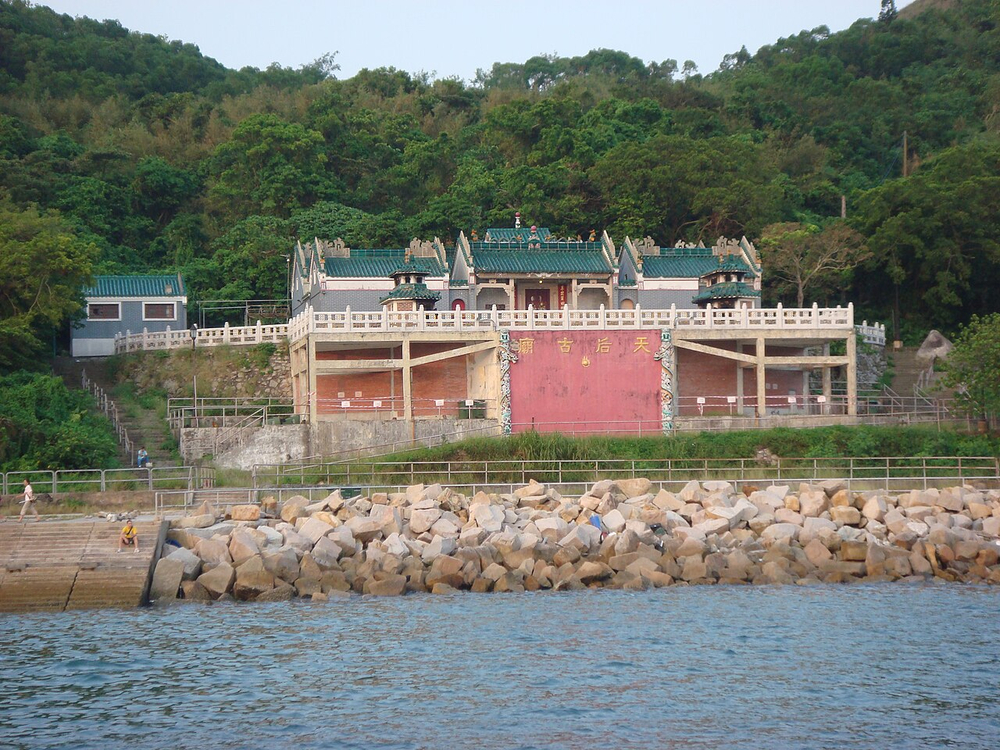
The Tin Hau Temple, dedicated to Mazu, the sea goddess, holds a significant place in Hong Kong's cultural and architectural heritage. Originally constructed in 1012, it stands as the oldest existing structure in the territory, showcasing the rich history and traditions of the region. The temple underwent a major reconstruction in 1266, which further solidified its importance as a historical landmark. As a prime example of traditional Chinese architecture, the Tin Hau Temple reflects the artistic and spiritual values of the time, making it a vital part of Hong Kong's heritage. Visitors to the temple can appreciate its intricate designs and the serene atmosphere that surrounds it, offering a glimpse into the past and the reverence for the sea goddess Mazu. The temple is not only a place of worship but also a testament to the enduring legacy of Hong Kong's historical architecture, attracting both locals and tourists alike. Its location along the Ping Shan Heritage Trail further enhances its significance, as it is part of a broader narrative of the region's historical and cultural evolution. #mooflife #mof #MomentOfLife #TinHauTemple #Mazu #HongKongHistory #HistoricalArchitecture #CulturalHeritage
View details0111
The 'Treatise on Geography' is a pivotal work found within the Book of Han, authored by the renowned historians Ban Biao, Ban Gu, and Ban Zhao in 111 AD. This treatise serves as a comprehensive geographical account of various regions during the Han Dynasty, including significant insights into areas such as Hong Kong. It meticulously details the administrative divisions, natural resources, and cultural characteristics of the regions it covers. The treatise is not only a vital historical document but also a crucial resource for understanding the socio-political landscape of the Han Dynasty. By examining the geographical descriptions, scholars can glean information about trade routes, resource distribution, and the interactions between different cultures. The work reflects the advanced understanding of geography at the time and highlights the importance of regional studies in the context of Chinese history. As such, the 'Treatise on Geography' remains an essential reference for historians and geographers alike, providing a window into the past and the development of geographical thought in ancient China. #mooflife #mof #MomentOfLife #TreatiseOnGeography #BookOfHan #HanDynasty #GeographicalStudies #HistoricalDocuments
View details