The Impact of the Taiping Rebellion on Chinese Refugees and Wealth Distribution in the 1850s
Social Issues
Migration
3 min read
Updated By: History Editorial Network (HEN)
Published:
Updated:
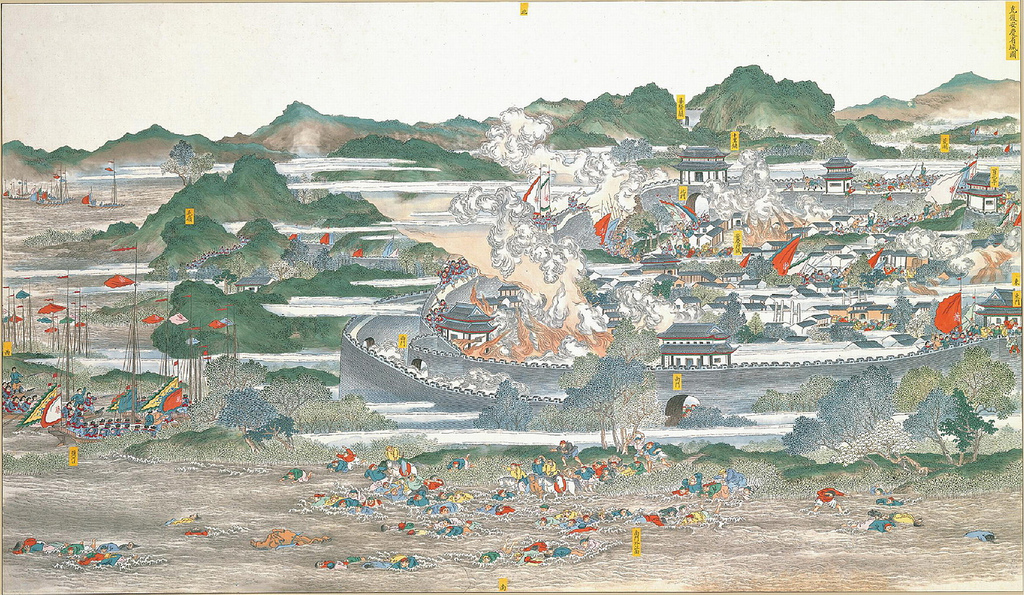
The 1850s marked a significant period in Hong Kong's history, particularly during the Taiping Rebellion, which was one of the deadliest conflicts in history. As the rebellion unfolded in mainland China, many Chinese refugees, including wealthy merchants, sought refuge in Hong Kong, leading to a demographic shift that positively impacted the island's economy and cultural landscape. The influx of these refugees contributed to the growth of trade and commerce in the colony, as they brought with them capital and business acumen. However, this period was also characterized by escalating tensions between the British colonial authorities and the Qing dynasty, primarily over the opium trade. The British were heavily invested in the opium trade, which had devastating effects on Chinese society. These tensions ultimately culminated in the Second Opium War (1856-1860), further complicating the geopolitical landscape of the region. The Taiping Rebellion and the subsequent conflicts not only shaped the future of Hong Kong but also had lasting implications for Sino-British relations and the broader context of colonialism in Asia. #mooflife #mof #MomentOfLife #TaipingRebellion #HongKongHistory #SecondOpiumWar #ChineseRefugees #BritishColonialism

Explore the Life Moments of
 AI Twin