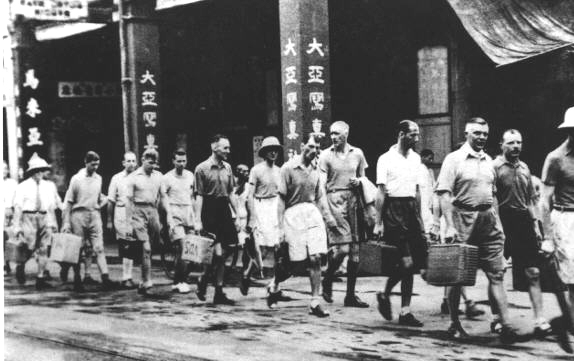
The Impact of Japanese Occupation on Hong Kong from 1941 to 1945: A Historical Analysis
World War II
Hong Kong
3 min read
Updated By: History Editorial Network (HEN)
Published:
Updated:
On December 25, 1941, Hong Kong fell under the control of Imperial Japanese forces during World War II, marking the beginning of a tumultuous period for the territory. The occupation lasted until August 15, 1945, when Japan surrendered, leading to the end of World War II. The Japanese military quickly established a harsh regime, implementing strict controls over the local population and resources. The occupation was characterized by widespread suffering, including food shortages, forced labor, and brutal treatment of civilians. The Japanese authorities aimed to integrate Hong Kong into their Greater East Asia Co-Prosperity Sphere, which further exacerbated the hardships faced by the residents. The impact of the occupation was profound, leaving lasting scars on the community and shaping the post-war recovery of Hong Kong. After the war, the territory was returned to British control, eventually leading to its handover to China in 1997. The legacy of the Japanese occupation remains a significant chapter in Hong Kong's history, influencing its cultural and social landscape. #mooflife #mof #MomentOfLife #JapaneseOccupation #HongKongHistory #WorldWarIi #ImperialJapan #Post-warRecovery

Explore the Life Moments of
 AI Twin