The Historical Context and Implications of the Qing Dynasty's Cession of Hong Kong Island in the Early 1840s
Politics
International Relations
3 min read
Updated By: History Editorial Network (HEN)
Published:
Updated:
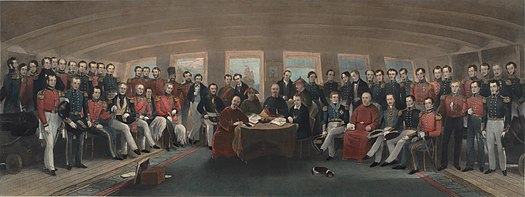
The Treaty of Nanking, signed in 1842, marked a significant turning point in the history of Hong Kong and its relationship with the United Kingdom. Following over a year of hostilities during the First Opium War, the treaty resulted in the formal cession of Hong Kong Island to the British. This agreement not only established British sovereignty over the island but also set the stage for the development of Hong Kong as a major trading hub. In the early months following the treaty, the British quickly established administrative infrastructure to govern the newly acquired territory. However, the initial years were fraught with challenges. The government faced significant obstacles, including rampant piracy, widespread disease, and unfriendly policies from the Qing dynasty, which hindered efforts to attract commerce and stabilize the region. Despite these challenges, the foundation laid during this period would eventually lead to Hong Kong's transformation into a thriving international port and financial center. The Treaty of Nanking is thus a pivotal moment in both British colonial history and the development of modern Hong Kong. #mooflife #mof #MomentOfLife #TreatyOfNanking #HongKongHistory #BritishColonialism #FirstOpiumWar #QingDynasty

Explore the Life Moments of
 AI Twin