The Historical Significance of the Convention of Peking and Its Impact on Hong Kong
International Relations
Asian Studies
3 min read
Updated By: History Editorial Network (HEN)
Published:
Updated:
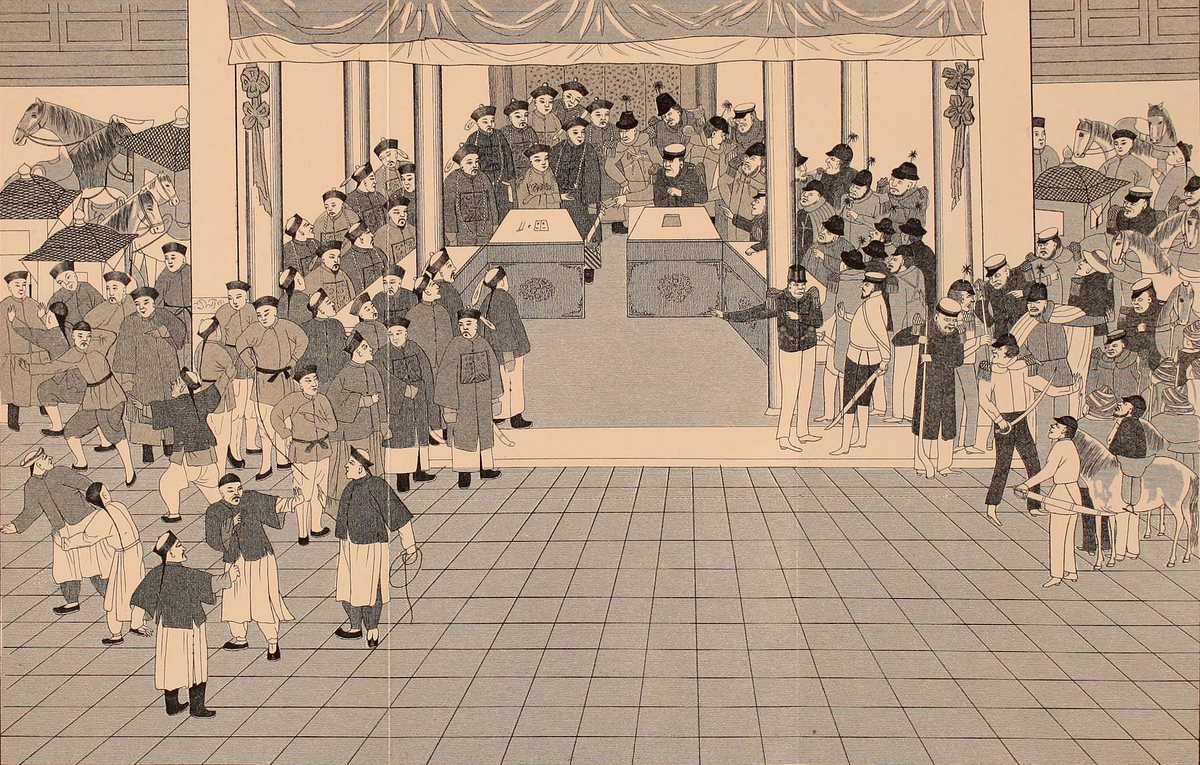
The Convention of Peking, signed in 1860, marked a significant turning point in the history of Hong Kong and the Qing Dynasty. Following the Qing's defeat in the Second Opium War, the treaty compelled the Qing government to cede the Kowloon Peninsula and Stonecutters Island to the British Empire. This loss was not merely territorial; it symbolized the Qing's waning power and the increasing influence of Western imperialism in Asia. The cession of these territories transformed Hong Kong from a mere colonial outpost into a bustling entrepôt, facilitating trade and commerce between the East and West. By the end of the war, Hong Kong had established itself as a vital hub for international trade, attracting merchants and businesses from around the globe. The Convention of Peking thus laid the groundwork for Hong Kong's future development and its role as a key player in global trade networks. #mooflife #mof #MomentOfLife #ConventionOfPeking #SecondOpiumWar #HongKongHistory #QingDynasty #BritishEmpire

Explore the Life Moments of
 AI Twin