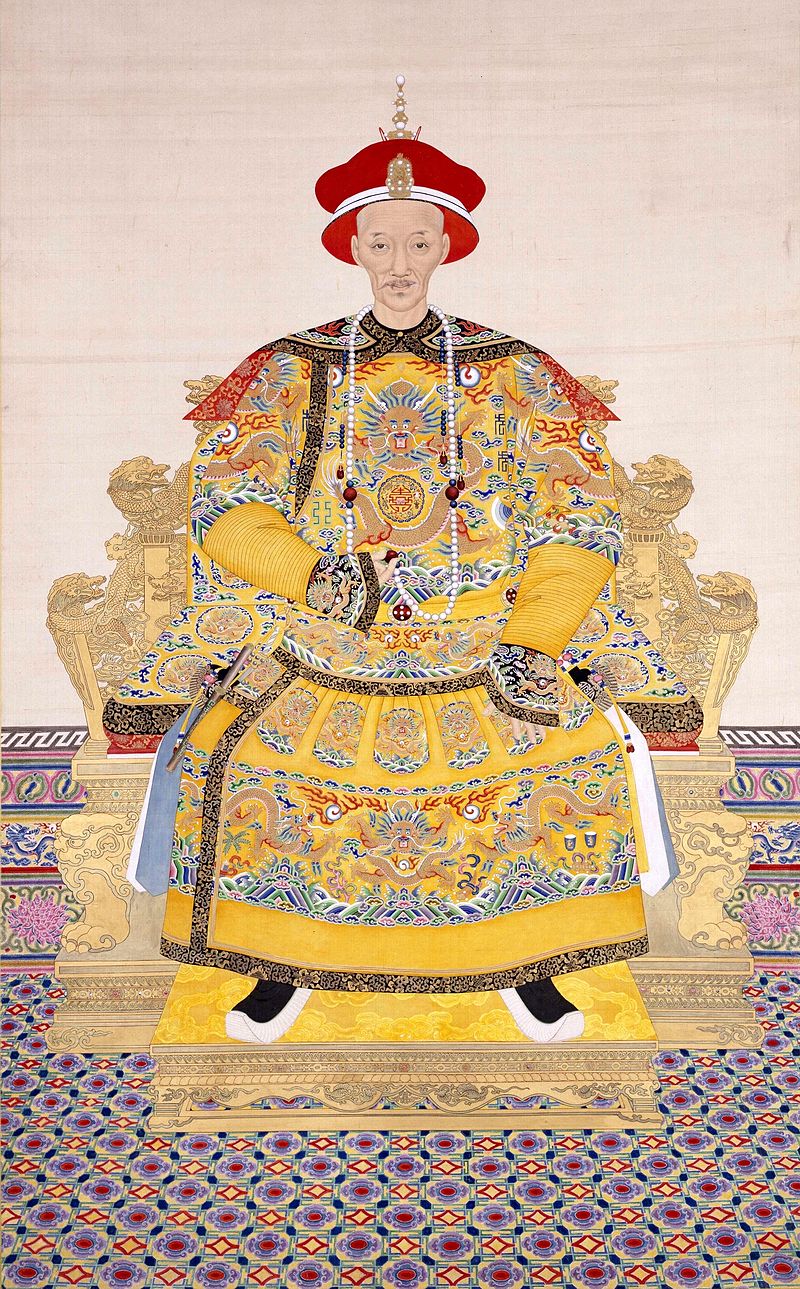
The Daoguang Emperor's Rejection of Legalization and Taxation Proposals in 1839: A Historical Analysis
Chinese History
Emperors
3 min read
Updated By: History Editorial Network (HEN)
Published:
Updated:
In 1839, the Daoguang Emperor of China faced a critical juncture regarding the opium trade, which had been causing widespread social and economic issues within the country. Despite proposals to legalize and tax opium, the Emperor firmly rejected these suggestions, recognizing the detrimental effects of opium addiction on the Chinese populace. He appointed imperial commissioner Lin Zexu, a staunch opponent of the opium trade, to take decisive action against this growing crisis. Lin Zexu implemented a series of aggressive measures, including the destruction of opium stockpiles and the suspension of all foreign trade. These actions were aimed at eradicating the opium trade and restoring moral integrity to Chinese society. However, the crackdown on opium led to significant tensions with Britain, which was heavily invested in the opium trade. The British response to these actions culminated in the First Opium War, marking a significant turning point in Sino-British relations and the beginning of a series of conflicts that would reshape China's interactions with foreign powers. This episode highlights the complexities of trade, addiction, and imperialism in the 19th century, as well as the challenges faced by the Qing dynasty in maintaining sovereignty and social order. #mooflife #mof #MomentOfLife #DaoguangEmperor #LinZexu #OpiumTrade #FirstOpiumWar #ChineseHistory

Explore the Life Moments of
 AI Twin