
Ethiopia

Federal Democratic Republic of Ethiopia
Related Lives

Liechtenstein
The Jewel of the Alps

Greatest Natural Disasters of World
History of Natural Disasters of World

Bolivia
The Heart of South America

Laos
Land of a Million Elephants


Armenia
Gateway to Ancient Traditions and Scenic Beauty

The Prime Ministers of Italy
The President of the Council of Ministers

Italy
The Land of Art and Romance

1937
Amidst growing concerns over Italy's invasion of Ethiopia, individuals from various African nations gathered to establish the Ethiopian World Federation, Inc. With a mission to advocate for Ethiopia's sovereignty and the rights of people of African descent globally, the organization aimed to foster unity and solidarity among its members. The Ethiopian World Federation, Inc. quickly gained support and recognition within the Pan-African community, drawing widespread attention to the plight of Ethiopia.
This event marked a turning point in the fight against colonialism and oppression in Africa, galvanizing support for Ethiopia's resistance against foreign aggression. The establishment of the Ethiopian World Federation, Inc. served as a catalyst for raising awareness about the importance of African unity and self-determination, inspiring similar movements across the continent.
The creation of the Ethiopian World Federation, Inc. underscored the resilience and determination of Ethiopians and Pan-Africanists in the face of external threats and challenges. It paved the way for greater collaboration and solidarity among African nations, driving efforts towards decolonization and independence. The legacy of this event continues to resonate, emphasizing the enduring significance of unity and advocacy in the fight for justice and equality.
#Ethiopia #PanAfricanism #Unity #Sovereignty #Resistance
View details1935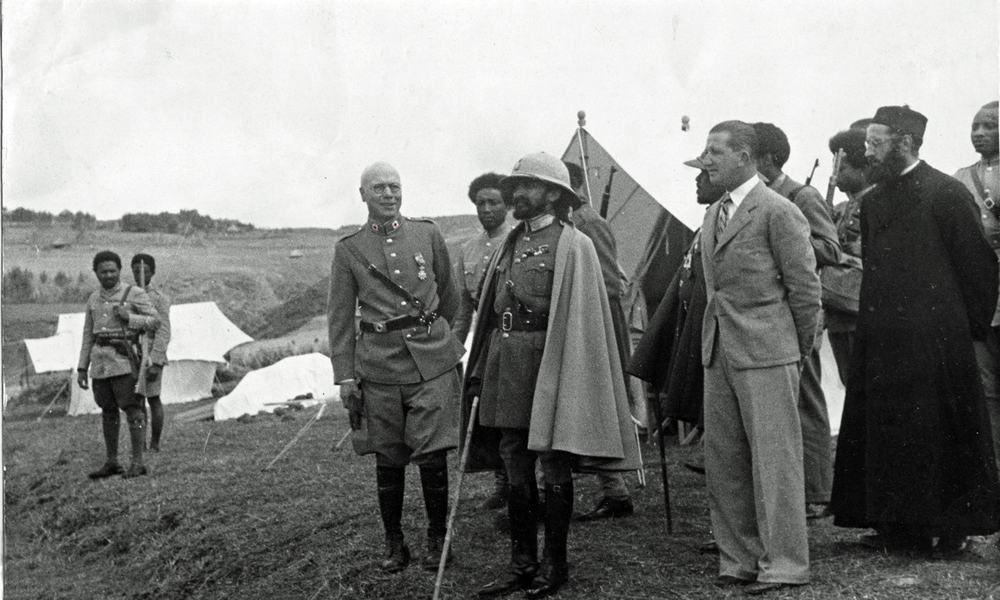
On October 3, 1935, Italy launched an invasion of Ethiopia, marking the beginning of the Second Italo-Ethiopian War. This conflict was a pivotal moment in the interwar period and had significant implications for international law, colonialism, and the eventual path towards World War II.
Background:
Italy, under Fascist leader Benito Mussolini, sought to expand its colonial empire and avenge its humiliating defeat at the Battle of Adwa in 1896 against Ethiopia. Mussolini aimed to consolidate Italian power in the Horn of Africa and boost national pride. Ethiopia, led by Emperor Haile Selassie I, was one of the few independent African nations at the time, having successfully resisted earlier colonial attempts.
The Invasion:
The Italian forces, equipped with modern technology including tanks and aircraft, launched a full-scale assault from neighboring Eritrea and Italian Somaliland. The attack began with bombings on Adwa, a symbolic site of the previous Ethiopian victory over Italy. Despite their outdated equipment, Ethiopian troops fought valiantly, relying largely on cavalry and foot soldiers.
International Response:
Emperor Haile Selassie appealed to the League of Nations for assistance, citing violations of its treaties. The League condemned the invasion but took limited action, implementing only partial sanctions that notably excluded oil, a critical resource for Italy's war effort. This lack of effective intervention highlighted the weakness of the League and its inability to manage aggressive acts by larger powers.
Aftermath and Impact:
Italy eventually overcame Ethiopian forces, and in May 1936, Mussolini declared Ethiopia part of the Italian Empire with the King of Italy being declared Emperor of Ethiopia, an occupation that lasted until World War II. Haile Selassie was forced into exile but became an enduring symbol of resistance to fascism, delivering a poignant speech to the League of Nations in 1936 which underscored the threat of appeasement and the failure of collective security.
The invasion, and the international community’s lackluster response to it, played a part in the weakening of the League of Nations. It also stirred anti-colonial movements worldwide, as oppressed peoples saw the stark contrast between principles of national sovereignty and the reality of international politics.
#SecondItaloEthiopianWar #HaileSelassie #AntiFascism #LeagueOfNations #ColonialHistory
View details1934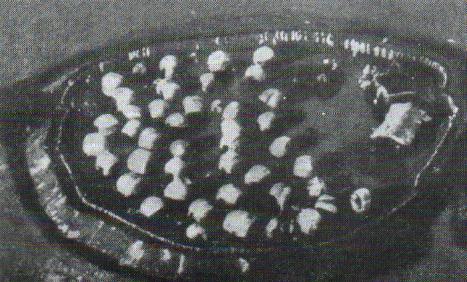
The Abyssinia Crisis began due to escalating tensions between Italy and Ethiopia over territorial disputes in the Horn of Africa. Italy, under Mussolini's fascist regime, sought to expand its empire and avenge a previous defeat by Ethiopia. The crisis unfolded as Italian forces invaded Abyssinia, modern-day Ethiopia, in defiance of the League of Nations' authority. The League imposed sanctions on Italy, but they were largely ineffective in halting the aggression.
The Abyssinia Crisis had several impacts, including undermining the credibility of the League of Nations as a peacekeeping organization and highlighting the ineffectiveness of collective security in preventing aggressive actions by member states. The conflict also exposed the limitations of international diplomacy in resolving disputes between major powers and smaller nations. The crisis ultimately set the stage for broader conflicts in World War II, as Italy's actions in Abyssinia foreshadowed the expansionist ambitions of other aggressive nations.
#AbyssiniaCrisis #Italy #Ethiopia #LeagueofNations #Mussolini #TerritorialDisputes
View details1932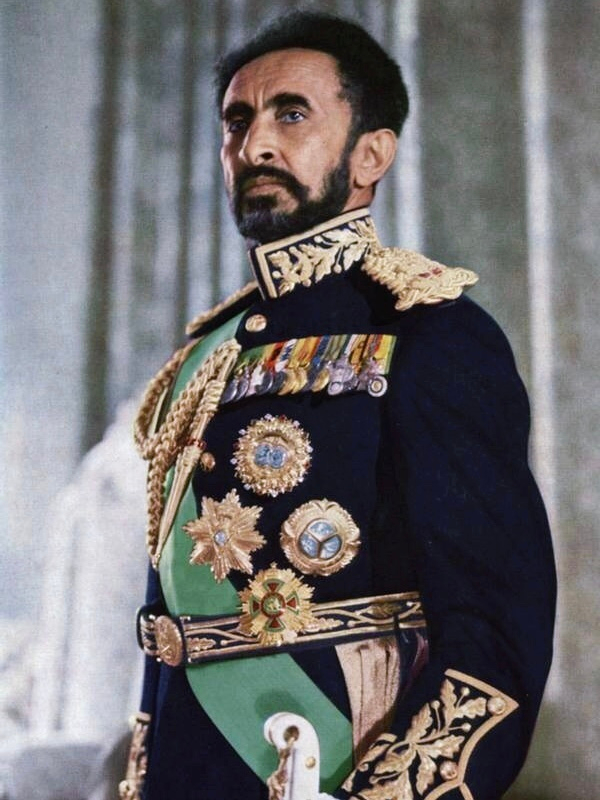
Emperor Haile Selassie of Ethiopia declared the official end of slavery within the nation, marking a turning point in their history. The proclamation came after years of efforts to eradicate the brutal practice that had plagued the country for generations. Slavery had been deeply entrenched in Ethiopian society, with thousands of individuals suffering under inhumane conditions.
This significant decision by Emperor Haile Selassie had a profound impact, bringing an end to a dark chapter in Ethiopian history and setting the stage for social progress and equality. It was a bold move that signaled a commitment to human rights and dignity for all individuals within the nation. The abolition of slavery paved the way for a more just and inclusive society, fostering unity and resilience among its people.
Emperor Haile Selassie's decisive action against slavery remains a landmark moment in Ethiopian history, highlighting the nation's resilience and quest for justice. The legacy of this event continues to inspire movements for freedom and equality worldwide. #EmperorHaileSelassie #EndOfSlavery #EthiopianHistory
View details1930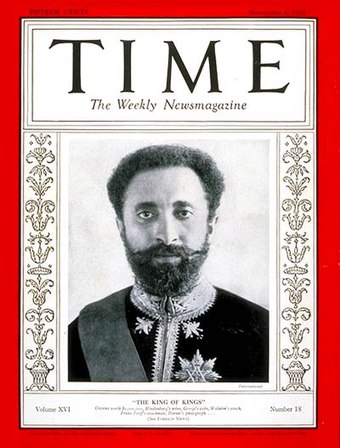
On November 2, 1930, in Addis Ababa, Ethiopia, Ras Tafari Makonnen was crowned Emperor Haile Selassie I in an elaborate and historic coronation ceremony. This moment marked a significant turning point in Ethiopian history and had lasting international implications.
Background:
Haile Selassie, born in 1892 as Tafari Makonnen, had been a key political figure in Ethiopia long before his coronation. He served as a governor and regent during the reign of Empress Zewditu and was known for his progressive mindset and diplomatic skills. His ascension to the throne followed the death of Empress Zewditu in 1930.
The Coronation Ceremony:
The coronation ceremony was meticulously planned and executed with pomp and splendor, reflecting the significance of the event for Ethiopia and the global community. The festivities included dignitaries and representatives from around the world, symbolizing Ethiopia's growing diplomatic ties and the global recognition of its sovereignty. The ceremony took place in Addis Ababa's Cathedral of St. George, adorned with ancient Ethiopian Christian rituals and pageantry. Haile Selassie took on regal titles, such as "King of Kings, Conquering Lion of the Tribe of Judah, Elect of God," reflecting both the religious and political significance of the event.
International Implications:
This coronation underscored Ethiopia's status as one of the few African nations not colonized by European powers, further highlighting Haile Selassie’s aspiration to modernize Ethiopia and expand its diplomatic reach. It was significant for the global African diaspora and resonated deeply with the Rastafarian movement, which revered Haile Selassie as a messianic figure.
Legacy:
Haile Selassie went on to rule until 1974, guiding Ethiopia through a complex period of modernization and resisting the Italian invasion during World War II. His coronation remains a pivotal event in Ethiopian history and is emblematic of the nation's enduring sovereignty, resilience, and aspiration to modernization.
#HaileSelassie #EthiopianHistory #Coronation #AfricanSovereignty #Rastafari
View details1923
On September 28, 1923, Ethiopia became a member state of the League of Nations, marking a significant moment in international diplomacy and Ethiopian history. This accession was a notable achievement for Emperor Haile Selassie, then known as Ras Tafari Makonnen, who played a central role in the process and would later ascend to the throne as Emperor.
Background:
Ethiopia, under the rule of Empress Zewditu with Ras Tafari as regent and heir apparent, sought to strengthen its international presence and sovereignty by joining the League of Nations. This move was part of Ras Tafari's broader modernization and diplomatic efforts. Ethiopia was one of the first independent African nations to join the League, reflecting its long-standing sovereignty and strategic importance in the Horn of Africa.
The Process of Accession:
The process of joining the League was strategic and carefully negotiated, as Ethiopia had to demonstrate its adherence to the principles of the League, particularly those concerning international cooperation and peace. The acceptance of Ethiopia into the League was also a testament to its historical role as an independent Christian kingdom in a continent largely colonized by European powers.
Significance:
Ethiopia’s membership in the League of Nations was a diplomatic victory for Ras Tafari and a step forward in asserting Ethiopia's place on the international stage. It enhanced Ethiopia’s ability to interact with other nations on a basis of legal equality and mutual respect. Moreover, it was a statement against colonialism, positioning Ethiopia as a beacon of independence and resistance against European domination in Africa.
Legacy:
Ethiopia’s membership in the League of Nations had long-term implications for its international relations and its domestic policies. The engagement with the League helped pave the way for Ethiopia's later actions on the international stage, including Emperor Haile Selassie's famous appeals for assistance during the Italian invasion of 1935. However, the League's failure to effectively support Ethiopia during the invasion exposed the limitations and weaknesses of international institutions at the time.
Ethiopia's accession to the League of Nations remains a critical moment in its history, symbolizing both its sovereignty and the challenges of global diplomacy.
#Ethiopia #LeagueOfNations #HaileSelassie #InternationalDiplomacy #AntiColonialism
View detailsIn September 1923, Ethiopia made the decision to withdraw from the League of Nations. This move was largely influenced by the league's failure to address Italy's aggression towards Ethiopia, particularly the use of chemical weapons during the First Italo-Ethiopian War. Ethiopia felt that the League of Nations, established to promote peace and prevent conflicts, had failed in its responsibilities to protect its sovereignty.
The departure of Ethiopia from the League of Nations had significant implications. It highlighted the limitations of the league in enforcing its principles and protecting smaller nations from powerful aggressors. This event also emphasized the unequal power dynamics within the league, where nations with more influence could act with impunity against smaller, marginalized states.
Ethiopia leaving the League of Nations underlined the challenges faced by African nations in asserting their independence and sovereignty in the global political arena. It showcased the struggles of colonial and non-colonial territories alike in navigating international diplomacy and protecting their interests from external threats.
#Ethiopia #LeagueofNations #Independence #GlobalDiplomacy
View details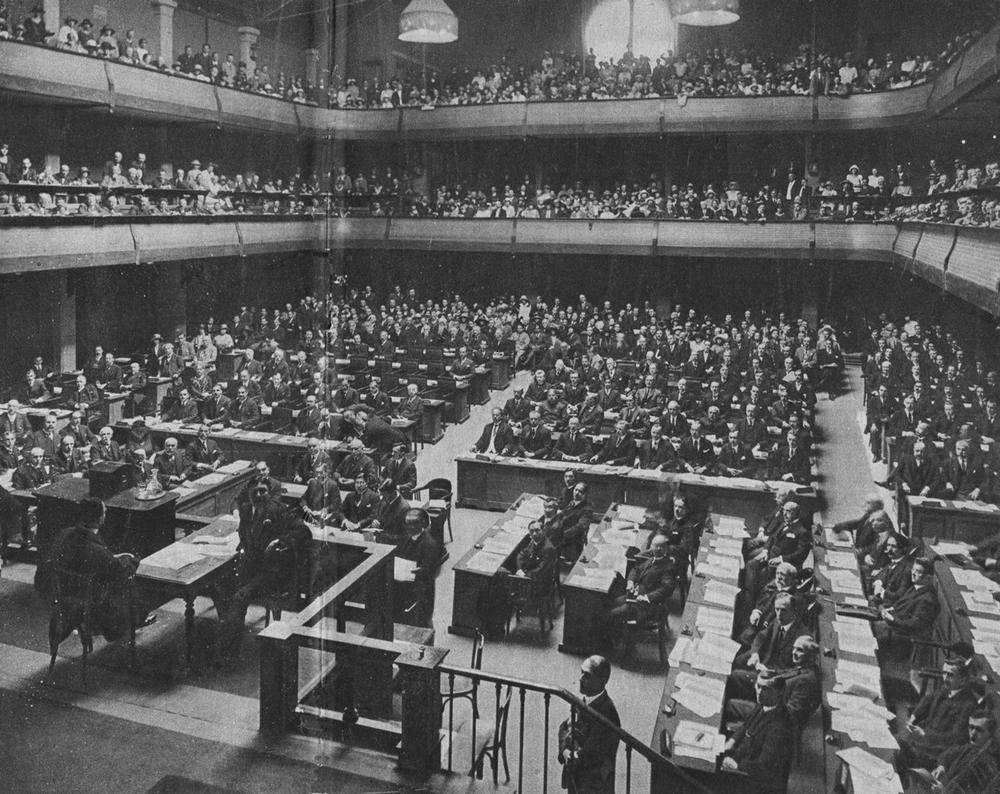
1916
The Battle of Segale saw Ethiopian forces clash with Italian invaders in a significant conflict during Ethiopia's struggle for independence. The Italian army, equipped with modern weapons, faced fierce resistance from the Ethiopian defenders led by Ras Mikael.
The battle took place near Segale, a strategic location in the northern region of Ethiopia. Despite being outnumbered and outgunned, the Ethiopian forces displayed remarkable courage and tactical skill, inflicting heavy casualties on the Italian troops. Ras Mikael's leadership and the determination of his soldiers played a crucial role in the outcome of the battle.
The aftermath of the Battle of Segale had a profound impact on the Ethiopian resistance movement. It boosted morale among Ethiopians and inspired further acts of defiance against the Italian occupation. The battle also highlighted the resilience and fighting spirit of the Ethiopian people in the face of foreign aggression.
The Battle of Segale is remembered as a pivotal moment in Ethiopia's history, symbolizing the nation's enduring struggle for freedom and independence. It stands as a testament to the bravery and sacrifice of those who fought to protect their homeland. #Ethiopia #Independence #Resistance
View detailsEmperor Lidj Jasu of Ethiopia faced a perilous turn of events when his aunt, Zauditu, orchestrated a palace coup against him. The power struggle within the Ethiopian royal family led to Lidj Jasu fleeing the palace to save his life. This internal conflict had significant implications for the stability of the Ethiopian monarchy and the country as a whole. The attempted coup highlighted the complex dynamics of power and succession in Ethiopian politics.
Zauditu's move to overthrow Lidj Jasu and seize power not only disrupted the traditional line of succession but also triggered a period of uncertainty and political turmoil. Lidj Jasu's escape marked a dramatic shift in the political landscape of Ethiopia, as rival factions vied for control and influence.
The event underscored the intricate web of alliances, betrayals, and ambitions that characterized Ethiopian politics during this turbulent period. Lidj Jasu's flight from the palace symbolized the fragility of power and the constant struggle for dominance among competing factions within the royal family and aristocracy.
Ultimately, the failed coup and Lidj Jasu's escape reshaped the balance of power in Ethiopia and set the stage for future political maneuvering and conflicts within the monarchy. The event serves as a pivotal moment in Ethiopian history, highlighting the challenges of governance and succession in a society marked by intricate familial and political ties. #EthiopianMonarchy #PalaceCoup #PowerStruggle
View details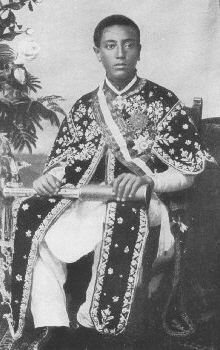
1914
In 1914, the United States and Ethiopia entered a treaty of commerce marking a milestone in their diplomatic relations. This agreement was a strategic move for both nations, aiming to boost trade and strengthen ties in the region.
The treaty opened up opportunities for American businesses to explore the Ethiopian market and engage in import and export activities. It also laid the groundwork for future collaborations in various sectors, including agriculture, technology, and infrastructure.
As a result of the treaty, Ethiopia gained access to a wider range of American products and technologies, helping to modernize its economy and industrial capabilities. The partnership fostered cultural exchange and mutual understanding between the two nations, paving the way for enhanced cooperation in the years to come.
The treaty of commerce between the United States and Ethiopia underscored the importance of international trade and diplomacy in promoting global partnerships and economic growth. It set a precedent for cooperation and collaboration, highlighting the mutual benefits of engaging in commerce on a global scale. #US #Ethiopia #TreatyofCommerce #Diplomacy #TradeRelations
View details1897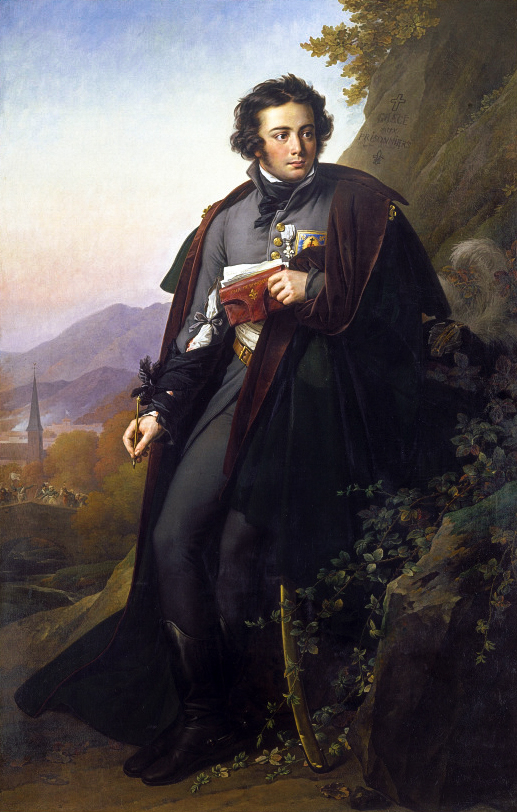
Marquis C de Bonchamps, a renowned French explorer, successfully led an expedition to Gore, Ethiopia. This expedition aimed to further explore the rich cultural and historical heritage of Ethiopia. Bonchamps and his team encountered various indigenous tribes, observed local traditions, and documented their findings meticulously.
The arrival of the expedition in Gore had a significant impact on the local communities. It fostered cultural exchange, increased understanding between different societies, and opened doors for future collaborations. The expedition also brought attention to the unique landscapes and diverse wildlife present in Ethiopia, sparking interest in further exploration and research.
Bonchamps' expedition to Gore marked a milestone in the exploration of Ethiopia, shedding light on its hidden gems and contributing to the global knowledge of the region's history and culture. The findings of the expedition were widely acclaimed and served as a foundation for future studies and expeditions in Ethiopia.
#Exploration #CulturalExchange #EthiopianHeritage #HistoricalExpedition
View details1896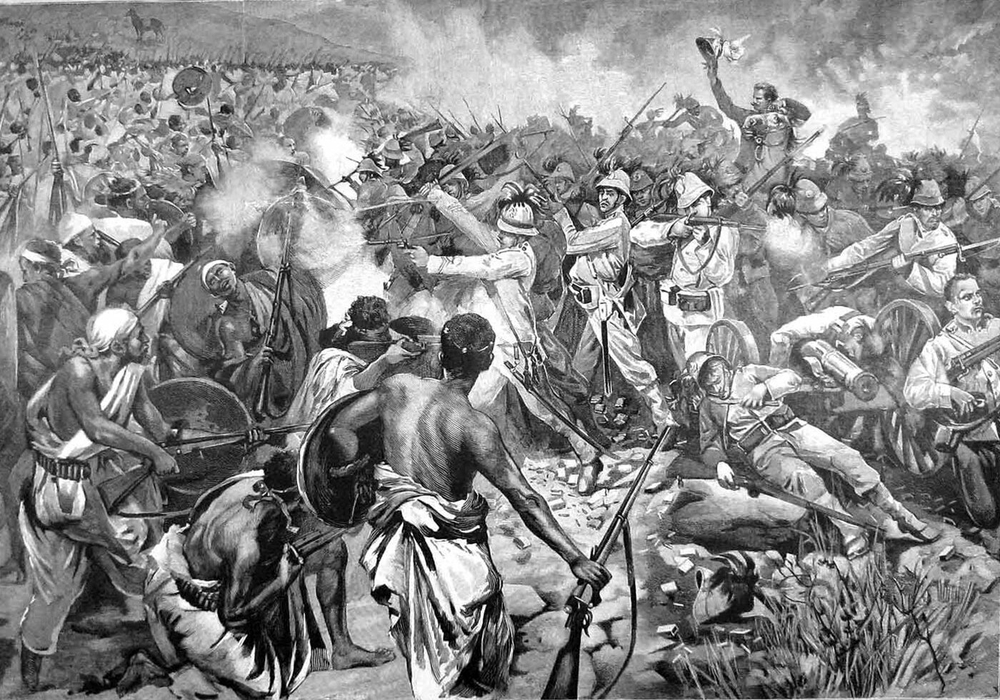
The Battle of Adwa took place in northern Ethiopia between the Ethiopian Empire and the Kingdom of Italy. The background of the conflict stemmed from Italy's imperialistic ambitions in East Africa, seeking to expand their territory and dominance. Emperor Menelik II of Ethiopia, aware of Italy's intentions, gathered a strong army to defend his country's sovereignty.
The clash resulted in a decisive victory for Ethiopia, stunning the world and marking the first time an African force defeated a European colonial power. The outcome had far-reaching impacts, not only safeguarding Ethiopia's independence but also inspiring other African nations in their resistance against colonialism. The Battle of Adwa significantly shifted the global perception of African military capabilities and challenged the prevailing notion of European superiority.
This historic event continues to be celebrated in Ethiopia as a symbol of unity, pride, and resistance against oppression. It serves as a reminder of the strength and resilience of the Ethiopian people in the face of external threats. The legacy of the Battle of Adwa endures as a beacon of hope and empowerment for generations to come. #Ethiopia #Adwa #Resistance #Independence
View details1889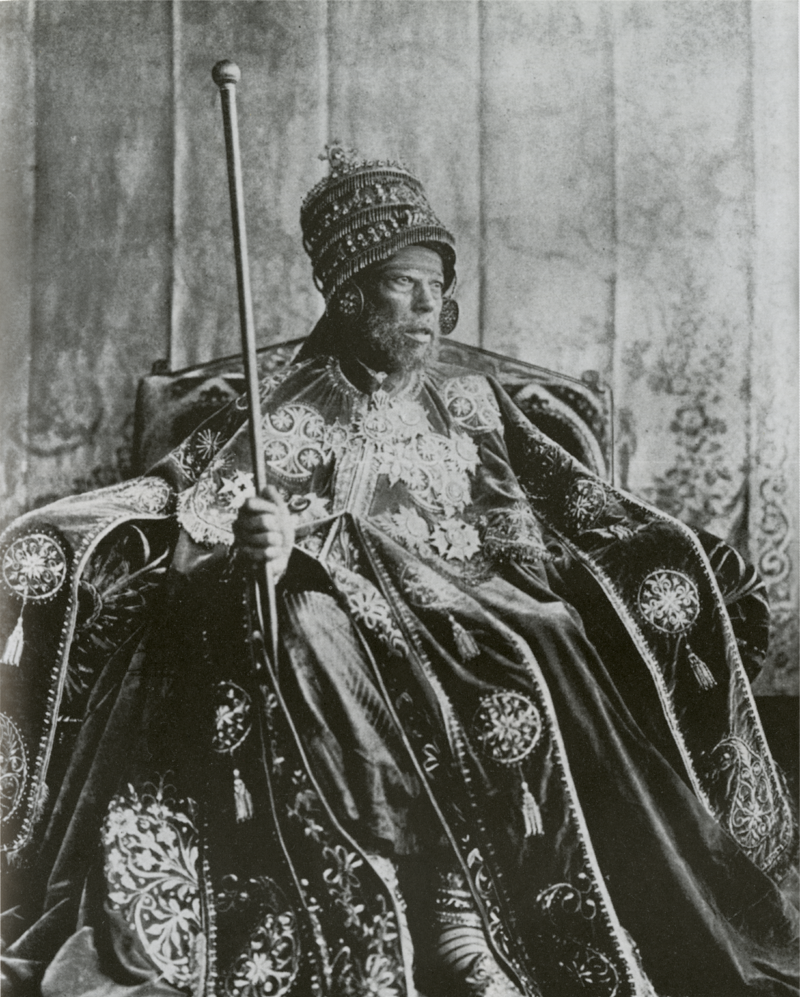
In early May, the Treaty of Wichale was signed, delineating Italian Eritrea and acknowledging Menelik II as Emperor of Ethiopia. Following threats of Italian invasion, Menelik II strategically leveraged diplomacy to safeguard Ethiopian sovereignty. The treaty's provisions were initially misrepresented in different language versions, leading to conflict over its validity.
The Ethiopian version granted Menelik II autonomy in foreign affairs, while the Italian version asserted colonial control. Disputes over the agreement erupted when Italy sought to impose authority over Ethiopia, disregarding Menelik II's power. The misinterpretation spurred the Battle of Adwa, where Ethiopian forces resoundingly defeated the Italians, solidifying Ethiopian independence and demarcating the treaty's balance.
The Treaty of Wichale's legacy is entrenched in Ethiopia's history, symbolizing the nation's resilience against external dominance. Menelik II's astute negotiation secured Ethiopia's territorial integrity and preserved its status as one of Africa's few uncolonized regions. The treaty's ramifications reverberated across Africa, inspiring anti-colonial sentiment and promoting pan-African solidarity.
#TreatyofWichale #MenelikII #EthiopianIndependence #ItalianEritrea #BattleofAdwa #PanAfricanSolidarity
View details1878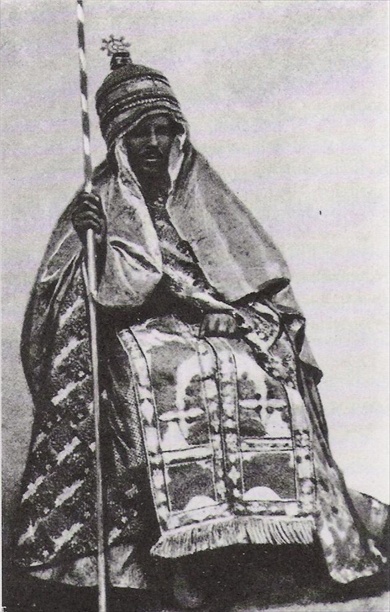
In Boru Meda, Emperor Yohannes IV convened the Council to mandate Roman Catholicism as the state religion of Ethiopia, sparking religious unrest in the country. The attempt to enforce this new religious doctrine caused deep divisions among the Ethiopian people, particularly due to the strong presence of the Ethiopian Orthodox Church in the nation and its resistance to conversion.
The Council of Boru Meda marked a significant turning point in Ethiopia's religious landscape, leading to widespread turmoil as people grappled with the imposition of Roman Catholic beliefs. The decree challenged traditional faiths and intensified the tensions between religious groups, ultimately causing social and political upheaval throughout the region.
In the aftermath of the Council, opposition to the forced conversion grew, with many Ethiopians fiercely defending their Orthodox Christian heritage. The religious conflict that ensued would have lasting implications for the country, shaping its religious identity and fueling further resistance against outside influences seeking to alter established traditions.
#Ethiopia #ReligiousTurmoil #CouncilofBoruMeda #RomanCatholicism #YohannesIV #EthiopianOrthodoxChurch
View details1871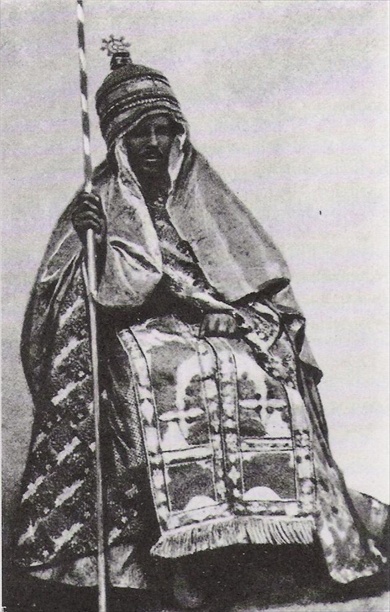
Yohannes IV, a renowned leader, ascended to the throne of Ethiopia, initiating a determined era marked by confronting Egyptian and Mahdist threats. His coronation paved the way for a reign defined by strategic military prowess and diplomatic acumen. Yohannes IV faced persistent challenges from Egyptian forces seeking to expand their influence into Ethiopian territory, as well as Mahdist invasions threatening the region's stability.
With an unwavering commitment to safeguarding Ethiopian sovereignty, Yohannes IV utilized his military expertise to repel incursions and preserve the integrity of his realm. Throughout his reign, he skillfully navigated complex geopolitical dynamics to forge alliances and protect his people from external aggressors. His leadership during this period was characterized by resilience, foresight, and an unwavering dedication to the defense of his nation.
Yohannes IV's coronation as Emperor of Ethiopia marked the beginning of a transformative chapter in the country's history, one that underscored the importance of unity, courage, and strategic thinking in the face of existential threats. His enduring legacy as a defender of Ethiopian independence resonates to this day, serving as a testament to the enduring spirit of resistance and resilience. #EmperorYohannesIV #EthiopianHistory #MilitaryLeadership
View details1868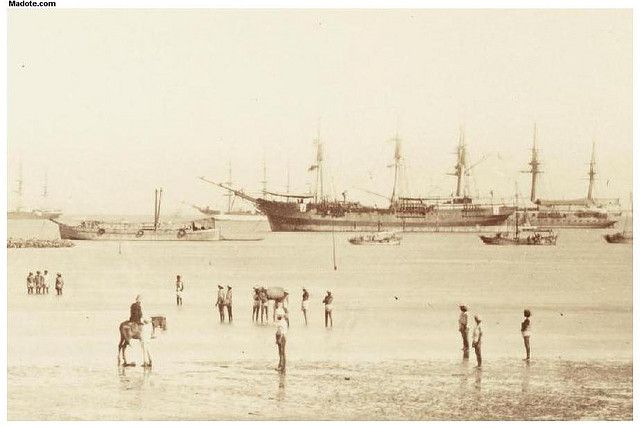
Tewodros II, the Emperor of Ethiopia, successfully seized Maqdala, the stronghold of the Tigray region. This move sparked the British Expedition to Abyssinia in response to the imprisonment of several European diplomats by Tewodros.
The British government saw this as an opportunity to secure the release of their diplomats and showcase their military power in the region. They quickly assembled a force led by Sir Robert Napier, consisting of over 13,000 troops and accompanied by a large support team including engineers and medical staff.
The expedition was challenging due to the difficult terrain and Tewodros' strong defense positions. However, after a series of battles, the British forces managed to breach Maqdala's defenses. Tewodros, facing defeat, chose to take his own life rather than surrendering to the British.
This event marked a significant turning point in Ethiopia's history, leading to the downfall of Tewodros II's rule and the beginning of increased European influence in the region. The British Expedition to Abyssinia showcased the imperialist ambitions of European powers in Africa and raised questions about the ethics of military intervention in foreign territories.
#TewodrosII #BritishExpedition #EthiopianHistory #EuropeanImperialism
View detailsIn the 19th century, Emperor Tewodros II ruled Ethiopia, seeking to modernize his country and secure alliances with Western powers. However, tensions arose with Britain over the imprisonment of several Europeans. In response, a British expeditionary force was dispatched to secure their release.
The Battle of Magdala ensued, with British forces, equipped with superior weaponry, overwhelming Tewodros' defenders. Realizing the dire situation, the Emperor chose to take his own life rather than face capture. The British forces successfully secured the release of their countrymen and looted the treasures of Magdala.
The death of Emperor Tewodros II marked a significant turning point in Ethiopia's history. It led to a power vacuum that contributed to decades of internal strife and foreign interventions. The British victory further solidified their influence in the region, setting the stage for future colonial expansion.
The Battle of Magdala remains a poignant event in Ethiopian history, symbolizing the clash of traditional Ethiopian power structures with the forces of European imperialism. It serves as a reminder of the complexities of modernization and the repercussions of foreign intervention. #BattleofMagdala #EmperorTewodrosII #BritishVictory #EthiopianHistory #Imperialism
View details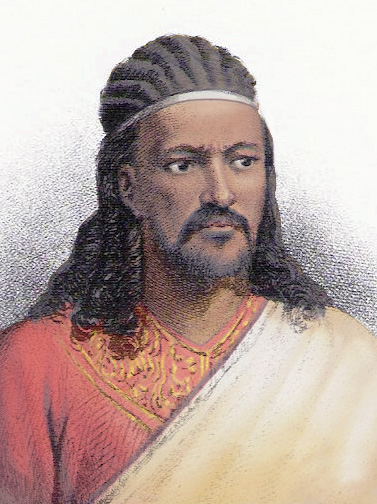
1855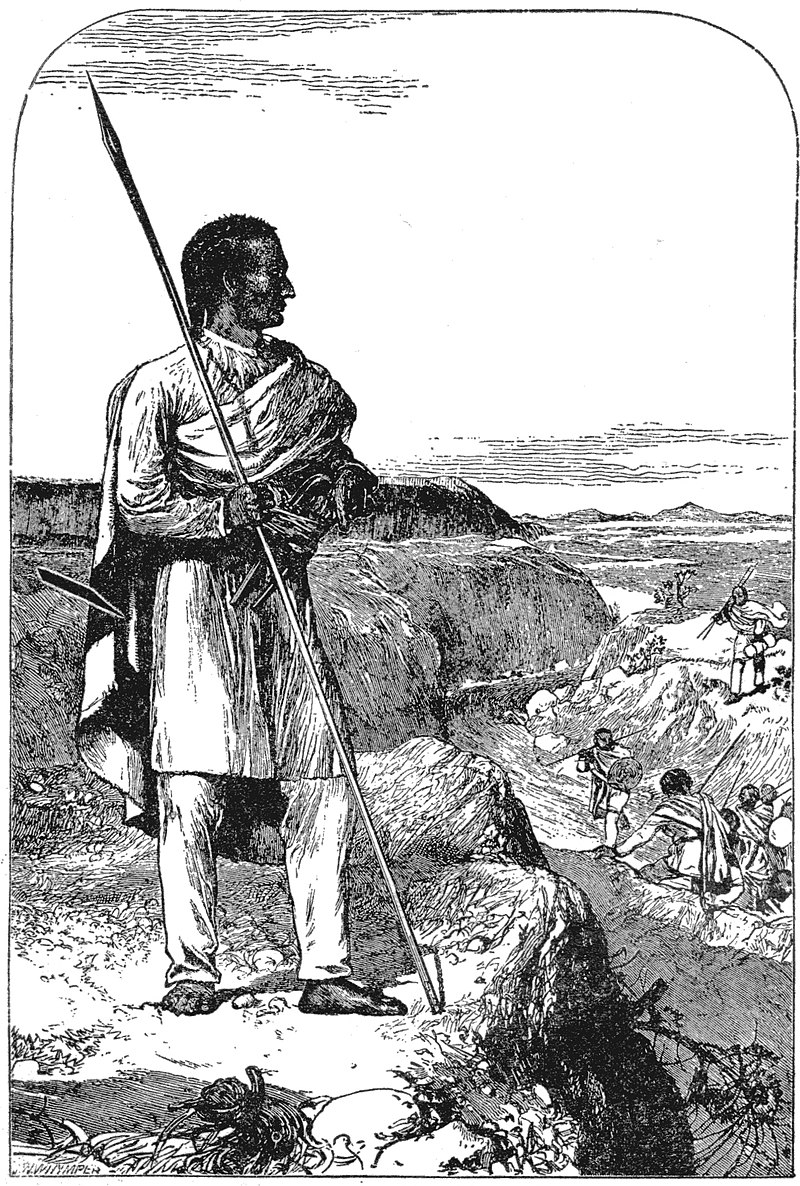
Emperor Tewodros II, born as Kassa Hailu, rose to power in Ethiopia after being crowned. His coronation marked a significant shift in the country's leadership, as he aimed to centralize power and modernize Ethiopia. Tewodros faced internal opposition from regional rulers who resisted his authority. To solidify his control, he embarked on military campaigns to unite the provinces under his rule.
Tewodros' reign was characterized by ambitious reforms, including the establishment of a professional standing army, the introduction of new administrative structures, and efforts to modernize the economy. He also sought to strengthen Ethiopia's position on the international stage by establishing diplomatic relations with various European powers.
Despite his efforts to modernize Ethiopia, Tewodros faced challenges from both internal and external threats. His policies alienated traditional power structures, leading to discontent among the nobility. Additionally, tensions with the British government escalated, culminating in a military expedition against Tewodros in the 1860s.
Emperor Tewodros II's reign marked a period of significant change and upheaval in Ethiopian history. His attempts to centralize power and modernize the country had a lasting impact on the trajectory of Ethiopian politics and society.
#EmperorTewodrosII #EthiopianHistory #ModernizationEfforts
View details1840
The Battle of Debre Tabor marked a crucial conflict between Ras Marye of Yejju and Gugsa of Gondar. Ras Marye, a prominent warlord with significant power, sought to expand his influence, challenging Gugsa's authority in the region. The battle took place in the historical town of Debre Tabor, a strategic location in the Ethiopian highlands.
Ras Marye's forces displayed superior tactical skills and military strength, ultimately achieving a decisive victory over Gugsa of Gondar. The defeat of Gugsa had a profound impact on the political landscape of the time, solidifying Ras Marye's control and further consolidating his power in the region.
The outcome of the Battle of Debre Tabor reshaped alliances and power dynamics, leading to a shift in the balance of power within the Ethiopian Empire. Ras Marye's triumph established him as a dominant figure, respected and feared by his rivals.
Today, the Battle of Debre Tabor is remembered as a significant event in Ethiopian history, highlighting the struggle for power and influence among competing factions. It serves as a reminder of the complex political dynamics that have shaped the country's history.
#BattleOfDebreTabor #EthiopianHistory #RasMarye #GugsaOfGondar
View details1708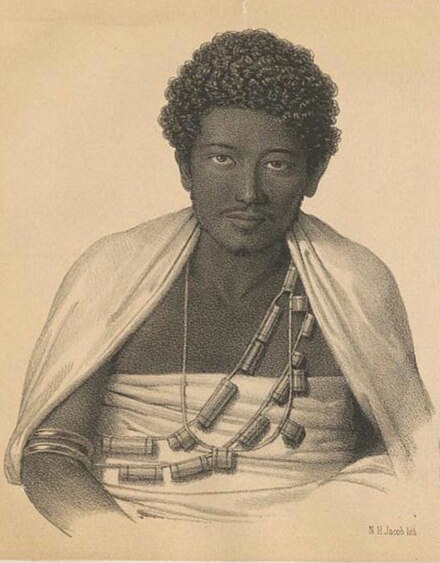
Emperor Tekle Haymanot I of Ethiopia passed away after ruling for several years. His reign was marked by efforts to consolidate power and expand the reach of the Ethiopian Empire. His death led to a period of uncertainty and power struggles among nobles vying for the throne.
The demise of Emperor Tekle Haymanot I had a profound impact on the political landscape of Ethiopia. It created a vacuum in leadership, leading to internal strife and conflicts as different factions sought to assert control and influence over the empire. This power struggle threatened the stability and unity of the nation.
The death of Emperor Tekle Haymanot I also had implications for the trajectory of Ethiopian history, shaping subsequent events and the course of the empire's development. It marked the end of an era and the beginning of a new chapter in the country's governance and leadership.
#EmperorTekleHaymanotI #EthiopianHistory #PowerStruggle
View details1682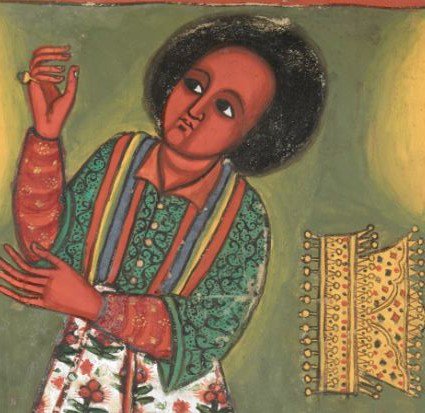
Emperor Iyoas I ascended to the throne after a period of political instability within the Ethiopian Empire. His reign marked a significant shift towards religious tolerance, as he extended protection to Muslims and Jews in the empire. This policy fostered a sense of unity among the diverse religious communities.
Emperor Iyoas I also focused on centralizing power and strengthening the imperial administration. He implemented reforms to curb corruption and promote efficient governance, leading to improved infrastructure and trade networks across the empire. Additionally, he invested in cultural and intellectual pursuits, promoting the arts and education.
The reign of Emperor Iyoas I was characterized by relative peace and prosperity, allowing the empire to flourish economically and culturally. His policies laid the foundation for a more inclusive and stable Ethiopian society, setting a precedent for future rulers to follow.
#EthiopianHistory #ReligiousTolerance #PoliticalReforms #CulturalProsperity
View details1636
In 1636, Gondar was established as the new capital of Ethiopia under Emperor Fasilides. This decision was influenced by its strategic location, centrally located in the country and offering easier access to various regions.
The move to Gondar had a lasting impact on Ethiopian history, as it became a thriving center of culture, commerce, and politics. The city's architecture reflects a blend of Ethiopian, Arab, and Indian influences, characterized by its unique stone castles and churches. Gondar also served as a hub for religious activities, with several monasteries and churches established in the vicinity.
Under Emperor Fasilides' rule, Gondar flourished as an administrative and cultural capital, attracting scholars, artists, and traders from far and wide. The city's growth and prosperity during this period contributed to the Golden Age of Ethiopia, marked by advancements in art, literature, and diplomacy. Gondar's prominence as the capital facilitated the consolidation of the Ethiopian Empire and strengthened its political influence in the region.
The decision to establish Gondar as the capital under Emperor Fasilides underscored a new era of prosperity and cultural richness in Ethiopia, shaping its identity for centuries to come. #Gondar #EthiopianCapital #EmperorFasilides
View detailsAfter being overthrown in a coup, the Solomonic dynasty returned to power in Gondar. This marked a significant shift in Ethiopian history as the dynasty traced its lineage back to the biblical King Solomon and the Queen of Sheba. The return to power in Gondar brought stability and unity to the region, as the Solomonic rulers were seen as legitimate and divine leaders.
The Solomonic dynasty's return to Gondar had a profound impact on Ethiopian society. The capital city flourished under their rule, with impressive castles and churches being built. The dynasty also strengthened ties with the Ethiopian Orthodox Church, further solidifying their authority. The return of the Solomonic dynasty to Gondar brought a sense of continuity and tradition to the people, fostering national pride and identity.
Despite facing challenges and conflicts throughout their reign, the Solomonic dynasty's return to power in Gondar was a pivotal moment in Ethiopian history. Their legacy continues to be remembered and celebrated in modern Ethiopia, highlighting the enduring power of tradition and heritage.
#SolomonicDynasty #Gondar #EthiopianHistory #Unity #Tradition
View details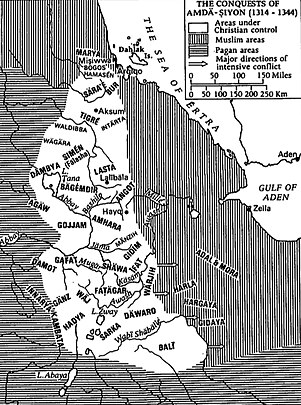
1630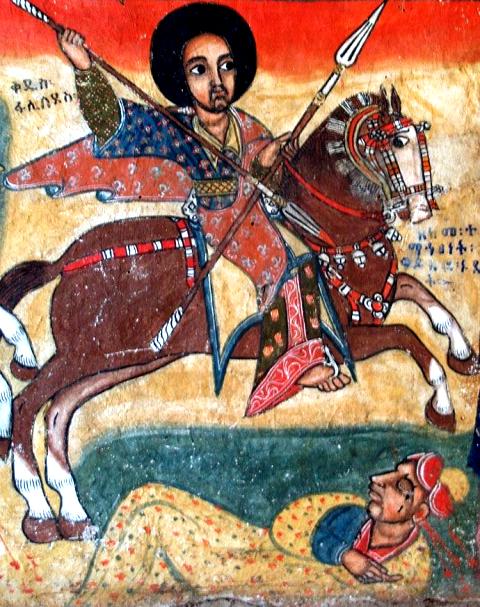
During the early 17th century, the Jesuit missionaries made several attempts to introduce Roman Catholicism to Ethiopia, aiming to establish a strong presence in the country. However, Emperor Fasilides, a staunch supporter of the Ethiopian Orthodox Church, grew wary of the missionaries' influence. The tensions escalated, leading to Emperor Fasilides eventually issuing a ban on the Jesuit missionaries in Ethiopia.
This decisive move by Emperor Fasilides marked the official end of the Jesuit missionaries' efforts to spread Roman Catholicism in Ethiopia. The ban solidified the Ethiopian Orthodox Church's position as the dominant religious authority in the region and upheld the country's traditional religious practices.
The expulsion of the Jesuit missionaries had a lasting impact on the religious landscape of Ethiopia, preserving the unique blend of Christianity practiced in the country. It also highlighted the strong nationalist sentiment and resistance to foreign influence present during that period.
The ban on the Jesuit missionaries by Emperor Fasilides signaled a turning point in Ethiopia's religious history, affirming the country's commitment to its traditional faith. It stands as a reminder of the enduring influence of the Ethiopian Orthodox Church and the nation's cultural identity. #Ethiopia #ReligiousHistory #EmperorFasilides #JesuitMissionaries
View details1605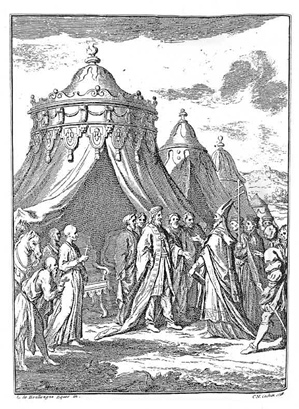
In 1607, the reign of Emperor Susenyos marked a significant shift in Ethiopian history when he converted to Catholicism. His decision to embrace this foreign faith sparked controversy and resistance among his predominantly Orthodox Christian subjects. Susenyos, influenced by Portuguese missionaries, sought to impose Catholicism on his people, leading to unrest and divisions within the empire.
The emperor's conversion and his attempts to enforce the new religion caused a series of uprisings and rebellions across the country. The introduction of Catholic practices and the suppression of traditional Orthodox beliefs added fuel to the growing discontent among the population. This period of religious turmoil brought about social and political instability, further weakening the unity of the empire.
Despite his efforts, Emperor Susenyos faced fierce opposition from the Ethiopian Orthodox Church, nobles, and the general population, leading to internal strife and conflict throughout his reign. The imposition of Catholicism as the state religion eventually failed, as his subjects refused to abandon their long-standing Orthodox Christian traditions.
The reign of Emperor Susenyos, marked by his conversion to Catholicism and subsequent attempts to enforce the faith, remains a contentious chapter in Ethiopian history. It represents a critical moment of religious tension, political upheaval, and cultural clash in the empire's narrative.
#EmperorSusenyos #EthiopianHistory #ReligiousConversion #CatholicismImposition
View details1562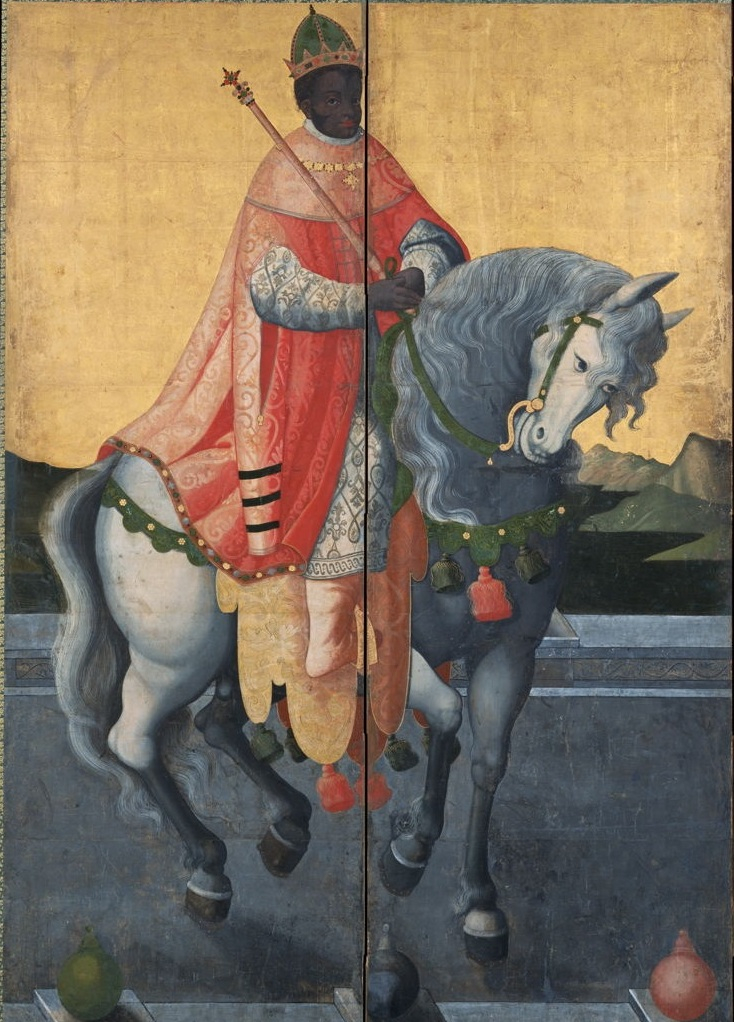
In 1563, Emperor Sarsa Dengel assumed the throne in Ethiopia, succeeding his father Emperor Gelawdewos. This event marked a crucial transition in the leadership of the Ethiopian Empire. Emperor Sarsa Dengel inherited a realm facing external threats from the Ottoman Empire and internal unrest. He embarked on consolidating his power, stabilizing the nation, and defending against foreign invasions.
During his reign, Emperor Sarsa Dengel focused on strengthening the central authority, expanding territory through military campaigns, and promoting Christianity. His efforts to fortify the empire's defenses and foster religious unity left a lasting impact on Ethiopia's political and cultural landscape. The emperor's rule was characterized by strategic alliances with neighboring states and diplomatic maneuvers to safeguard Ethiopian sovereignty.
Emperor Sarsa Dengel's ascension to the throne symbolized a period of resilience and strategic leadership in Ethiopian history. His legacy as a ruler who navigated complex geopolitical challenges and preserved the empire's integrity endures in Ethiopian historical accounts.#EmperorSarsaDengel #EthiopianEmpire #PoliticalTransition.
View details1561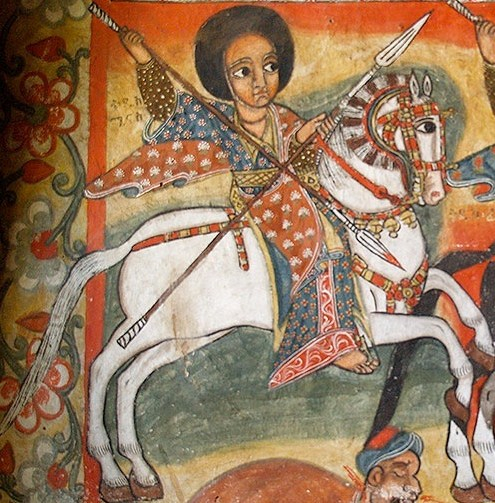
Menas, Emperor of Ethiopia, successfully quelled a rebellion in Emfraz. The uprising, led by local dissidents, posed a threat to Menas's authority and the stability of the region. Menas swiftly mobilized his forces, which consisted of a well-trained army loyal to the crown. The rebels, lacking proper organization and resources, were quickly outmatched by Menas's superior military tactics and strength.
The defeat of the revolt in Emfraz solidified Menas's grip on power and sent a clear message to other would-be challengers. The Emperor's decisive victory demonstrated his strength and resolve, earning him respect and allegiance from his subjects. The suppression of the rebellion allowed for peace and order to be restored in the region, paving the way for continued prosperity under Menas's rule.
Menas's successful quashing of the revolt in Emfraz showcased his prowess as a leader and military strategist. His ability to swiftly and effectively deal with internal threats contributed to the longevity of his reign and the well-being of his people. The event highlighted the importance of strong leadership and decisive action in maintaining stability and security within the Ethiopian Empire.
#Menas #EmperorofEthiopia #RebellionQuelled #MilitaryVictory #EthiopianHistory
View details1543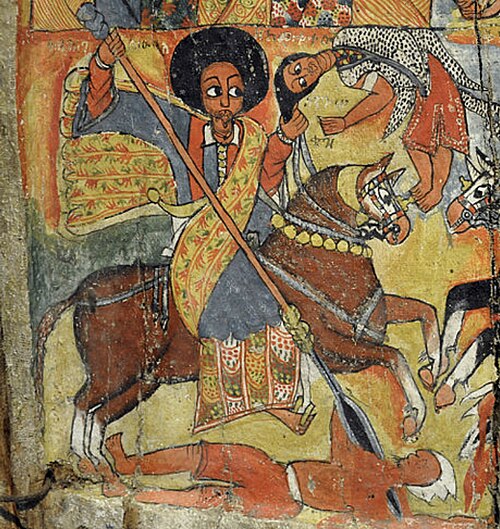
After the defeat of Imam Ahmad Gragn, Emperor Gelawdewos successfully restored the Solomonic dynasty in Ethiopia. The Solomonic dynasty was a ruling house claiming to be descendants of the biblical King Solomon and the Queen of Sheba, with deep roots in Ethiopian history. Imam Ahmad Gragn had destabilized the region with his invasion and attempts to convert the Christian population to Islam.
Emperor Gelawdewos' victory marked a turning point in Ethiopian history, bringing an end to the destructive influence of Imam Ahmad Gragn. The restoration of the Solomonic dynasty brought stability and unity back to the region. Emperor Gelawdewos worked to rebuild and strengthen the Ethiopian Empire, solidifying his rule and legacy.
The defeat of Imam Ahmad Gragn and the restoration of the Solomonic dynasty under Emperor Gelawdewos were significant events that shaped the future of Ethiopia, ensuring the preservation of its Christian heritage and traditions.
#Ethiopia #SolomonicDynasty #EmperorGelawdewos
View detailsImam Ahmad Gragn, a Muslim leader from Adal Sultanate, led a series of conquests into the Ethiopian territory, spreading Islam in the region. The Ethiopian forces, under Emperor Galawdewos, stood against Gragn's advancement. The decisive Battle of Wayna Daga unfolded, resulting in the death of Imam Ahmad Gragn.
Gragn's demise marked a turning point in the conflict between the Adal Sultanate and the Ethiopian Empire. His death weakened the Adal forces and eventually led to their retreat from Ethiopian lands. The victory at Wayna Daga solidified Emperor Galawdewos' position and safeguarded Ethiopian sovereignty.
The Battle of Wayna Daga had a lasting impact on the region, halting the spread of Islam deeper into Ethiopian territory. It showcased the resilience of the Ethiopian forces against foreign invasions and preserved the Christian identity of the Ethiopian Empire.
Imam Ahmad Gragn's death in the Battle of Wayna Daga remains a crucial moment in Ethiopian history, highlighting the defense of national identity and the resilience of the Ethiopian people. #ImamAhmadGragn #BattleofWaynaDaga #EthiopianHistory #ReligiousConflict
View details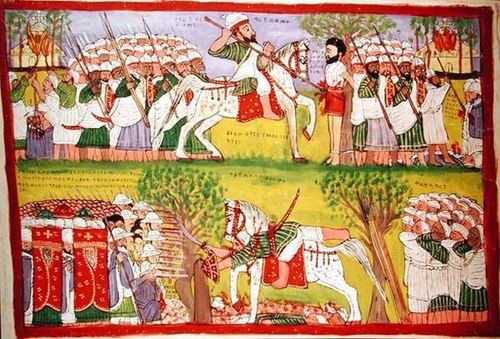
1542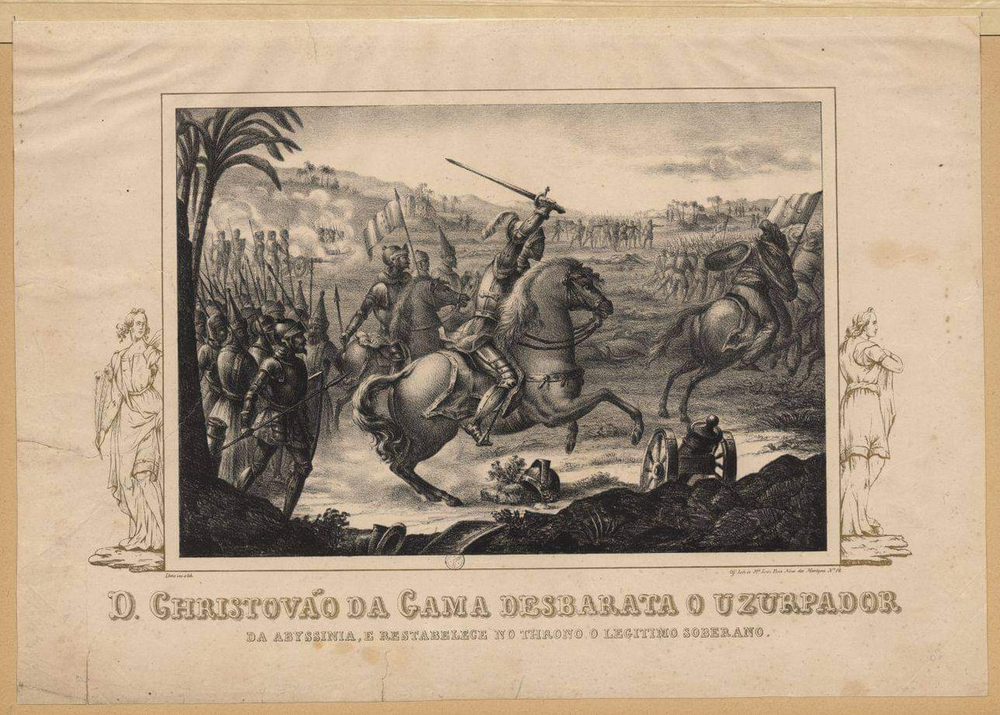
Portuguese forces, led by Christovão da Gama, launched an assault on a hillfort in northern Ethiopia, which was under Muslim occupation during the Battle of Baçente. The strategic location of the hillfort made it a crucial stronghold in the region, and its capture was significant for both sides. The Portuguese troops utilized their military expertise and advanced weaponry to overpower the defenders, eventually seizing control of the fort.
The outcome of the battle had far-reaching consequences, as it weakened the Muslim presence in the area and expanded the Portuguese influence in Ethiopia. The victory also solidified da Gama's reputation as a skilled commander and bolstered the morale of his troops. The capture of the hillfort enabled the Portuguese to establish a stronger foothold in the region, paving the way for further military campaigns and trade opportunities.
Overall, the Battle of Baçente was a turning point in the power struggle between the Portuguese and Muslim forces in northern Ethiopia. It marked a significant victory for the Portuguese and reshaped the political and military landscape of the region.
#PortugueseExpansion #MilitaryConquest #EthiopianHistory
View details