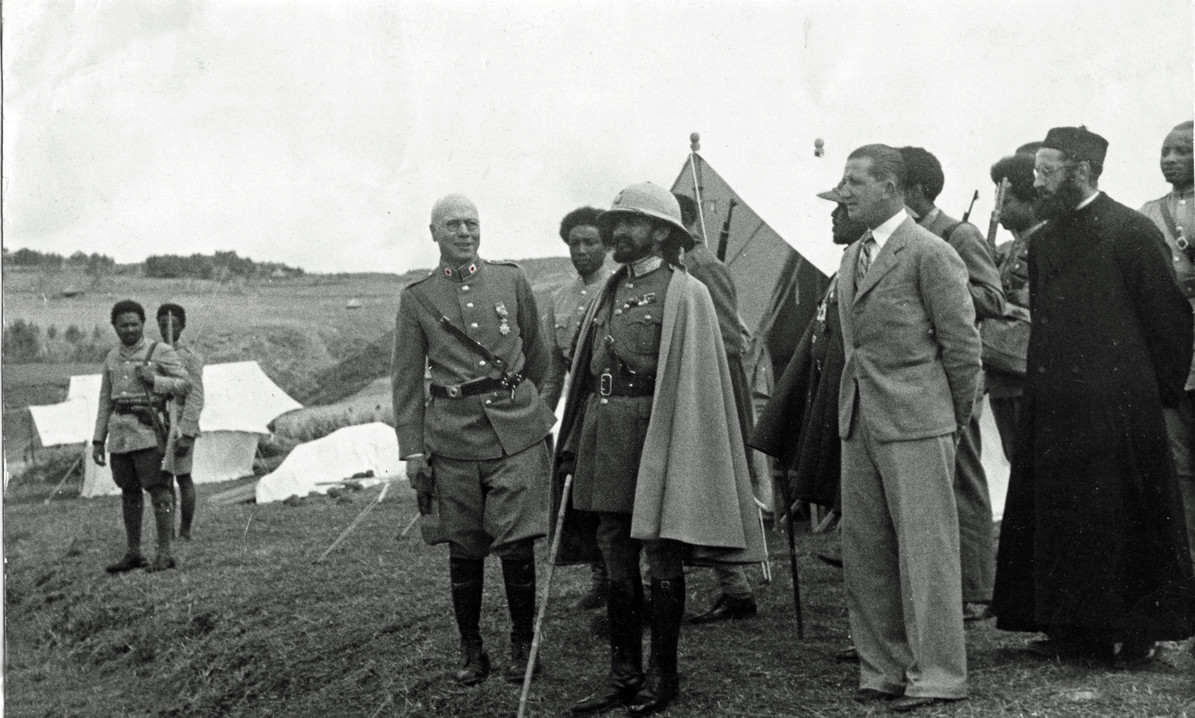
Italian invasion of Ethiopia
Ethiopia

5 min read
Updated By: History Editorial Network (HEN)
Published:
On October 3, 1935, Italy launched an invasion of Ethiopia, marking the beginning of the Second Italo-Ethiopian War. This conflict was a pivotal moment in the interwar period and had significant implications for international law, colonialism, and the eventual path towards World War II.
Background:
Italy, under Fascist leader Benito Mussolini, sought to expand its colonial empire and avenge its humiliating defeat at the Battle of Adwa in 1896 against Ethiopia. Mussolini aimed to consolidate Italian power in the Horn of Africa and boost national pride. Ethiopia, led by Emperor Haile Selassie I, was one of the few independent African nations at the time, having successfully resisted earlier colonial attempts.
The Invasion:
The Italian forces, equipped with modern technology including tanks and aircraft, launched a full-scale assault from neighboring Eritrea and Italian Somaliland. The attack began with bombings on Adwa, a symbolic site of the previous Ethiopian victory over Italy. Despite their outdated equipment, Ethiopian troops fought valiantly, relying largely on cavalry and foot soldiers.
International Response:
Emperor Haile Selassie appealed to the League of Nations for assistance, citing violations of its treaties. The League condemned the invasion but took limited action, implementing only partial sanctions that notably excluded oil, a critical resource for Italy's war effort. This lack of effective intervention highlighted the weakness of the League and its inability to manage aggressive acts by larger powers.
Aftermath and Impact:
Italy eventually overcame Ethiopian forces, and in May 1936, Mussolini declared Ethiopia part of the Italian Empire with the King of Italy being declared Emperor of Ethiopia, an occupation that lasted until World War II. Haile Selassie was forced into exile but became an enduring symbol of resistance to fascism, delivering a poignant speech to the League of Nations in 1936 which underscored the threat of appeasement and the failure of collective security.
The invasion, and the international community’s lackluster response to it, played a part in the weakening of the League of Nations. It also stirred anti-colonial movements worldwide, as oppressed peoples saw the stark contrast between principles of national sovereignty and the reality of international politics.
#SecondItaloEthiopianWar #HaileSelassie #AntiFascism #LeagueOfNations #ColonialHistory
Primary Reference
Italo-Ethiopian War | Causes, Summary, & Facts | Britannica

Explore the Life Moments of
 AI Twin