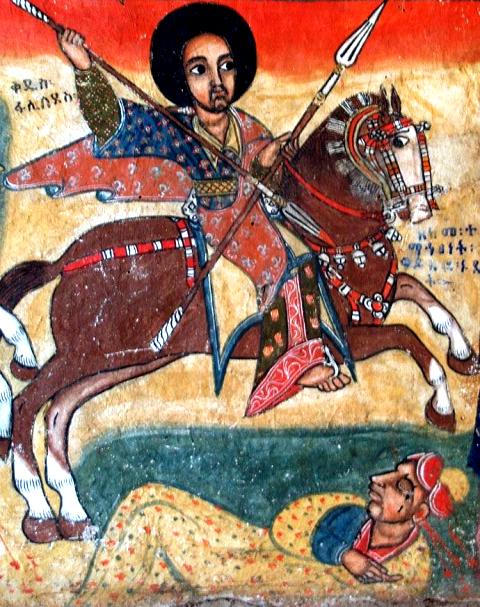
Emperor Fasilides ends Jesuit missionary presence, halting Roman Catholicism in Ethiopia.
Ethiopia
Religious Studies
3 min read
Updated By: History Editorial Network (HEN)
Published:
During the early 17th century, the Jesuit missionaries made several attempts to introduce Roman Catholicism to Ethiopia, aiming to establish a strong presence in the country. However, Emperor Fasilides, a staunch supporter of the Ethiopian Orthodox Church, grew wary of the missionaries' influence. The tensions escalated, leading to Emperor Fasilides eventually issuing a ban on the Jesuit missionaries in Ethiopia.
This decisive move by Emperor Fasilides marked the official end of the Jesuit missionaries' efforts to spread Roman Catholicism in Ethiopia. The ban solidified the Ethiopian Orthodox Church's position as the dominant religious authority in the region and upheld the country's traditional religious practices.
The expulsion of the Jesuit missionaries had a lasting impact on the religious landscape of Ethiopia, preserving the unique blend of Christianity practiced in the country. It also highlighted the strong nationalist sentiment and resistance to foreign influence present during that period.
The ban on the Jesuit missionaries by Emperor Fasilides signaled a turning point in Ethiopia's religious history, affirming the country's commitment to its traditional faith. It stands as a reminder of the enduring influence of the Ethiopian Orthodox Church and the nation's cultural identity. #Ethiopia #ReligiousHistory #EmperorFasilides #JesuitMissionaries

Explore the Life Moments of
 AI Twin