Ethiopia

Federal Democratic Republic of Ethiopia
About
#Ethiopia
#LandofOrigins
#CradleofHumanity
Life Classification
Country
Life ID
EL5255172718305
Verified Name
ethiopia
Life Type
Entity Life
Life Editor(s)
History Editorial Network (HEN)
Life Privacy
Public
Subscription
Elite
Created On
2024-05-12
Updated On
2025-12-19
Connect
Related Lives
Liechtenstein
The Jewel of the Alps

Greatest Natural Disasters of World
History of Natural Disasters of World

Bolivia
The Heart of South America

Laos
Land of a Million Elephants

Saudi Arabia
A Land of Heritage and Innovation

China
Land of Silk
Azerbaijan
The Land of Fire

Ireland
The Emerald Isle

2026
The 2026 Ethiopian offensive reportedly began in September 2026, when the Tigray People's Liberation Front (TPLF) and allied armed groups launched attacks against Ethiopian federal government forces in northern Ethiopia. The renewed fighting followed years of political and military tensions after the November 2022 Pretoria peace agreement, which had formally ended the two-year Tigray War. The conflict had involved Ethiopia's federal military, Tigrayan forces, Eritrean troops and regional armed groups, causing widespread displacement and humanitarian suffering.
On 23/09/2026, Tigrayan forces launched a broader offensive against federal positions in the Tigray, Amhara and Afar regions. Federal officials accused the TPLF and its allies of attacking government forces and seizing airports in Mekelle, Axum and Shire. Tigrayan leaders described their operations as defensive responses to federal military action. Ethiopian Airlines suspended flights to Tigray, while the African Union called for de-escalation and renewed dialogue.
Historical Significance: The offensive threatened the fragile peace established by the Pretoria agreement and renewed concerns about civilian displacement and regional instability.
View detailsOn 01/06/2026, Ethiopia conducted its 7th National General Election, one of the largest electoral exercises in the country's history. Organized by the National Election Board of Ethiopia (NEBE), the vote was held to elect members of the House of Peoples' Representatives and regional councils across the country. More than 50.5 million citizens registered to vote, representing a substantial increase compared with the 2021 election. Registration was conducted through both traditional in-person methods and the digital “Mirchaye” platform, which was used by more than 5.5 million voters.
According to NEBE figures, 50,514,155 voters were registered before election day, with some reports indicating that participation eligibility exceeded 54 million voters as final preparations were completed. Men accounted for approximately 54 percent of registered voters, while women represented 46 percent. A total of 42 political parties contested the election alongside independent candidates. More than 10,438 party-affiliated candidates and 80 independent candidates competed for legislative seats, making it one of the most extensive candidate fields in Ethiopia’s electoral history. Voting took place at approximately 52,000 polling stations nationwide, supported by hundreds of thousands of election officials and observers.
Polling stations opened at 6:00 a.m. across much of the country, with domestic and international observers monitoring the process. The African Union and the Intergovernmental Authority on Development (IGAD) deployed observer missions, while dozens of local and international media organizations provided coverage. Reports from election day described voting as generally orderly and peaceful in most participating regions, with large numbers of citizens arriving early to cast ballots. The election was viewed as a major test for Ethiopia’s democratic institutions amid ongoing political and security challenges.
The election took place against a backdrop of continuing regional instability. Voting was not conducted in parts of Ethiopia affected by conflict and displacement, including the Tigray region, where political and security conditions prevented full participation. As a result, millions of eligible citizens remained unable to vote. Following election day, NEBE began the process of vote counting, verification, and certification. Special voting arrangements were later conducted for internally displaced persons and members of the security forces who were unable to participate on the main polling date.
As of early June 2026, results from hundreds of constituencies had been declared, while final national certification remained ongoing. Prime Minister Abiy Ahmed’s Prosperity Party was widely expected by political observers to retain control of the federal parliament, though the official final nationwide results were still being compiled and verified by the electoral authorities.
Why This Moment Matters:
The 7th National General Election represented Ethiopia’s largest voter registration effort to date, combining digital and traditional registration systems and involving more than 50 million registered voters. The election also highlighted both the scale of democratic participation across much of the country and the continuing challenges posed by conflict, displacement, and uneven electoral access in some regions.
End Date: Results certification ongoing following the election as of the date of this moment update (14-June-2026).
#Ethiopia #Election2026 #AbiyAhmed #Democracy #AfricanPolitics #GeneralElection
View details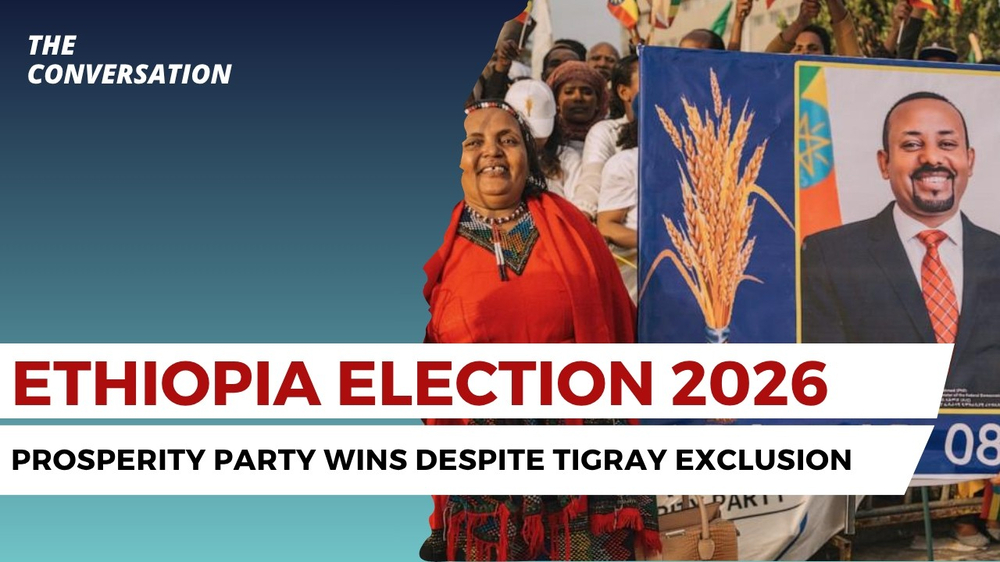
2025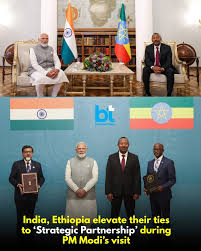
Ethiopia and India have elevated their bilateral relationship to a strategic partnership during Indian Prime Minister Narendra Modi’s visit, signaling a deepening of political, economic, and security cooperation between the two nations. The upgraded partnership reflects shared interests in trade, investment, technology, and infrastructure development, with particular focus on areas such as energy, agriculture, and information technology. During the visit, both governments emphasized strengthening diplomatic engagement, enhancing economic linkages, and collaborating on regional stability and development initiatives. The agreement also highlighted mutual support in multilateral forums and a commitment to expanding people-to-people ties.
The elevation of ties carries significant regional and global implications. For Ethiopia, closer relations with India offer opportunities for investment, technological transfer, and capacity building, supporting its development goals and economic modernization. For India, the partnership strengthens its presence in Africa, diversifies trade partnerships, and promotes strategic influence in the Horn of Africa. Additionally, the collaboration reinforces cooperation in areas such as climate action, education, and health. Overall, the strategic partnership represents a forward-looking framework for sustainable engagement, underscoring shared priorities, long-term mutual benefits, and a commitment to strengthening ties between the two countries on multiple fronts.
View details2024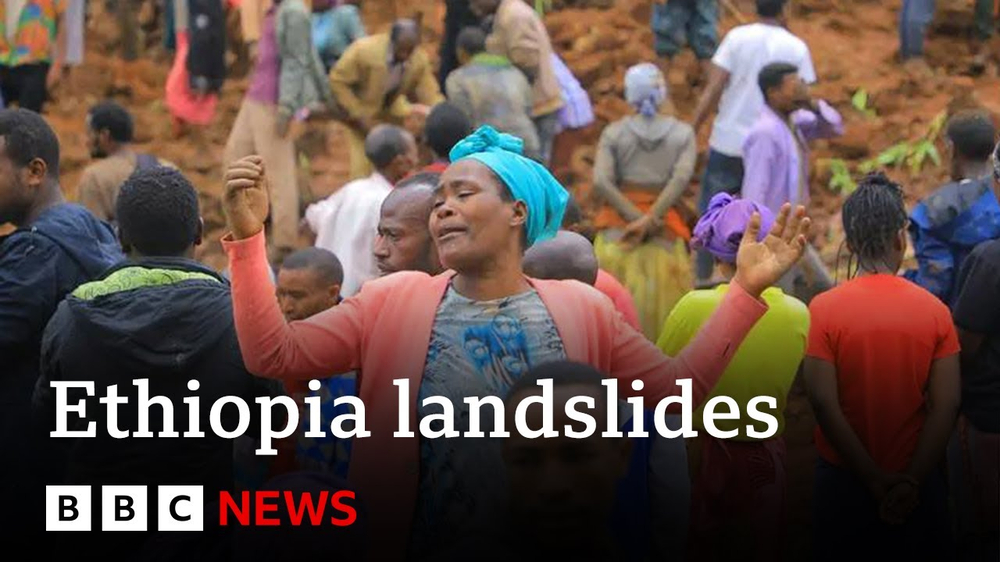
In a remote area of southern Ethiopia, a catastrophic landslide caused immense devastation in the Geze Gofa and Gofa Zuria regions. The dual landslides led to the tragic deaths of 257 individuals and completely buried two villages. The disaster drew widespread attention and highlighted the vulnerability of rural Ethiopian communities to natural disasters.
Geze Gofa and Gofa Zuria are rugged, mountainous areas. The residents, primarily subsistence farmers, depend heavily on the land for their livelihood. In recent years, deforestation and changes in land use have increasingly destabilized the terrain, making it more susceptible to landslides. Local geologists have pointed to these environmental alterations as significant contributing factors to the increased frequency of such events.
The scale of destruction caused by the landslides was profound. Homes were leveled, farmlands were obliterated, and infrastructure was significantly damaged. Immediate rescue operations were hindered by the challenging terrain and limited accessibility of the affected areas. Emergency response teams, including local authorities and international aid organizations, faced significant hurdles to reach and assist survivors.
In the aftermath, the Ethiopian government and various humanitarian organizations launched extensive relief efforts. Survivors were relocated to temporary shelters, and there was a notable outpouring of support at the national and international levels. Efforts to provide food, medical supplies, and psychological support were crucial in managing the disaster's immediate impact.
The landslide in Geze Gofa and Gofa Zuria underscored the urgent need for improved early warning systems and sustainable land management practices. Experts have called for increased investment in soil conservation, reforestation projects, and robust disaster preparedness programs to mitigate the risks of future landslides.
Overall, this tragic event served as a stark reminder of the fragile balance between human activity and natural forces. The focus on recovery and rebuilding efforts continues as the affected communities work towards regaining stability and ensuring better protection against future natural disasters.
#LandslideDisaster #DisasterRelief #Ethiopia #MoofLife #CommunityResilience
View detailsEthiopia achieved a milestone by becoming a member of the BRICS group consisting of Brazil, Russia, India, China, and South Africa. This development followed an intensive diplomatic effort and marks Ethiopia's integration into an influential economic bloc. BRICS, initially formed to enhance cooperation between emerging economies, represents over 40% of the global population and a significant share of the world's GDP.
Ethiopia's addition to BRICS was preceded by a period of rapid economic growth, driven by infrastructure projects, industrialization, and an expansion in sectors like agriculture and services. Ethiopia's strategic position in the Horn of Africa, coupled with its potential as a hub for logistics and trade, played a critical role in its acceptance within BRICS.
This membership is expected to have substantial impacts on Ethiopia and the BRICS framework. For Ethiopia, it opens avenues for increased foreign investment, access to new markets, and enhanced economic collaboration. The anticipated infrastructure projects and development initiatives could stimulate further growth and potentially reduce poverty levels in the country.
For BRICS, Ethiopia's inclusion broadens the group's geographical representation and economic diversity. It strengthens the bloc's influence on global economic policies and provides an anchor in a rapidly developing region. The collective economic muscle of BRICS, now with Ethiopia onboard, is positioned to challenge established economic orders and push for reforms in global financial institutions.
In practical terms, Ethiopia anticipates increases in trade volumes, a boost in technology transfers, and collaborative efforts in education, health, and sustainable development. The tactical positioning also aligns with Ethiopia's long-term development strategy, aiming for industrialization driven by inclusive growth.
Overall, the integration of Ethiopia into BRICS underscores a shift toward a more multipolar world, where emerging economies play a defining role in shaping global financial and political landscapes.
#EthiopiaInBRICS #GlobalEconomy #TradeAndDevelopment #EmergingMarkets #BRICSExpansion #MoofLife
View details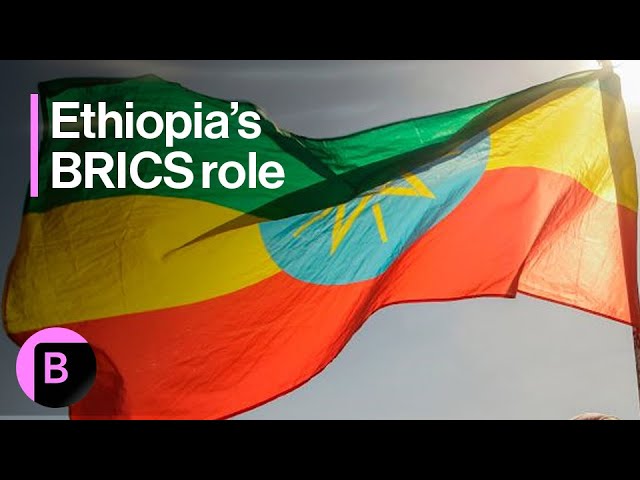
2021
Ethiopia held its general election, the first under Prime Minister Abiy Ahmed, amid concerns about violence and logistical challenges. The elections were seen as a test for Abiy Ahmed's ruling prosperity party, which faced criticism for postponing the election last year due to the pandemic. The campaign period was marred by violence, including attacks in the Tigray region, where a conflict has been ongoing since November 2020.
Despite these challenges, the election proceeded with millions of Ethiopians casting their votes to elect members of the federal parliament and regional councils. The election was viewed as a crucial step towards democratic governance in the country. However, some opposition parties boycotted the vote, citing concerns about fairness and transparency.
Following the election, concerns remain about the credibility of the results and the potential for post-election violence. The international community has called for transparency and accountability in the electoral process to ensure a peaceful outcome.
Overall, Ethiopia's general election marks a significant moment in the country's political transition. It highlights the challenges and opportunities facing Ethiopia as it seeks to consolidate its democratic institutions and address ongoing conflicts. #EthiopiaElection #Democracy #Peace #Challenges
View details2020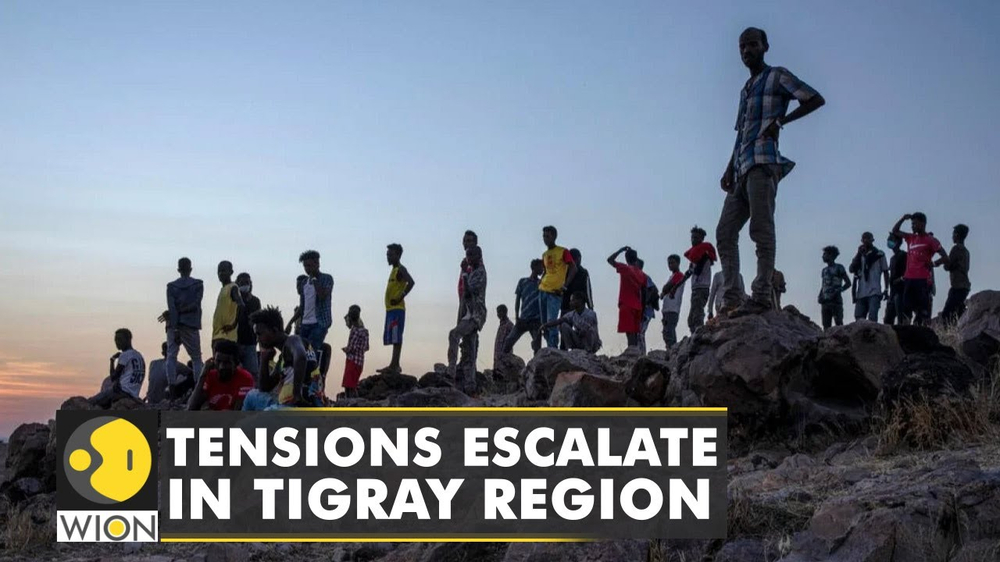
Tensions with Tigray region in Ethiopia escalated as the federal government accused the Tigray People's Liberation Front (TPLF) of holding illegitimate elections and attempting to destabilize the country. Amidst rising political unrest, the Ethiopian government declared a state of emergency in the region.
As the situation grew more volatile, both sides engaged in military maneuvers, leading to clashes and casualties. The conflict disrupted the lives of civilians in Tigray, with reports of shortages of essential supplies and a growing humanitarian crisis. International observers raised concerns about the escalating violence and its impact on regional stability.
In response to the crisis, the Ethiopian government launched a military offensive against the TPLF, aiming to restore law and order in the region. The conflict drew attention from the global community, with calls for dialogue and peaceful resolution to prevent further escalation.
The escalation of tensions in the Tigray region highlighted deep-rooted political divisions and historical grievances within Ethiopia. The conflict underscored the challenges of maintaining unity in a country with diverse ethnic groups and complex power dynamics.
#Ethiopia #TigrayCrisis #Conflict #HumanitarianCrisis #PoliticalUnrest
View details2019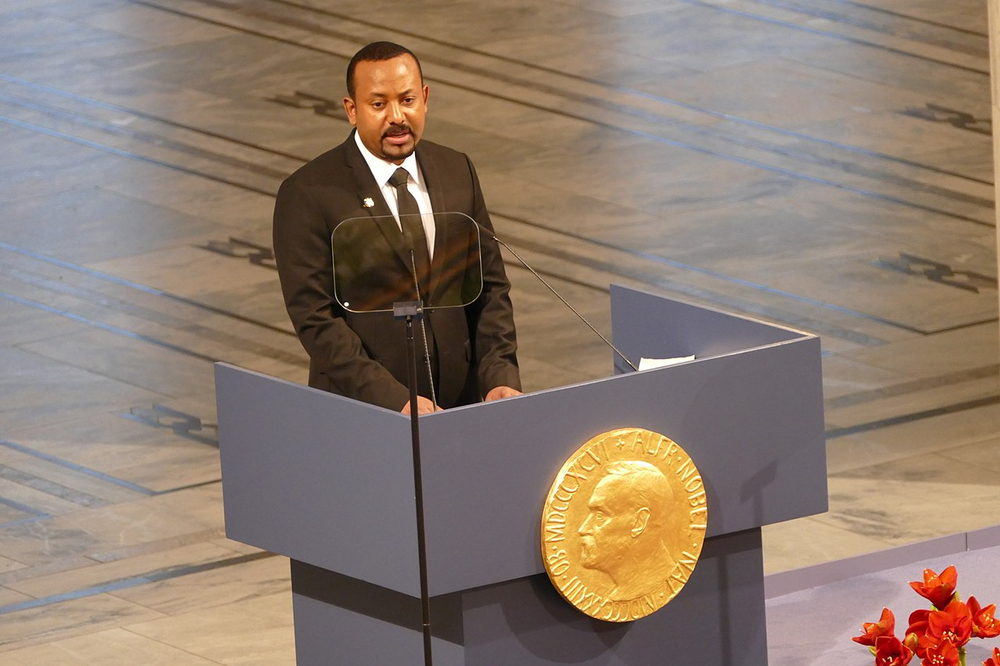
Prime Minister Abiy Ahmed was awarded the Nobel Peace Prize for his instrumental role in fostering peace and promoting international collaboration. His efforts in resolving the long-standing conflict with Eritrea by signing a peace agreement in 2018 were recognized globally. Abiy's bold initiatives to release political prisoners, promote gender equality, and strengthen democratic governance within Ethiopia were also contributing factors to this prestigious award.
The impact of Abiy Ahmed's Nobel Peace Prize win was significant, highlighting Ethiopia's commitment to stability and peace in the region. It brought attention to his tireless work towards reconciliation and reform within the country and across borders. The award served as a symbol of hope, inspiring other leaders to prioritize diplomacy and peaceful resolutions to conflicts.
#AbiyAhmed #NobelPeacePrize #Ethiopia #Peace #Diplomacy #Reconciliation
View detailsArmy chief Seare Mekonnen was tragically killed in an attack, along with a retired General, in Ethiopia. The incident took place at the army chief's residence in Addis Ababa. The attackers also targeted a governor in the northern region of Amhara, resulting in his death.
The killings of these high-ranking military officials shook the nation, leading to a wave of shock and uncertainty. Prime Minister Abiy Ahmed condemned the attacks as an attempted coup in the Amhara region. The government swiftly responded by arresting several individuals believed to be involved in the plot.
The loss of Army chief Seare Mekonnen and the retired General left a void in the Ethiopian military leadership, impacting the country's security apparatus. The incident highlighted underlying tensions and instability within Ethiopia, prompting concerns about the potential for further unrest and violence.
The tragic events underscored the challenges facing Ethiopia as it navigates through a period of political transition and strives to maintain stability and security within the country. As investigations into the attacks continued, the nation mourned the loss of these prominent figures and grappled with the implications of the violence that had erupted. #Ethiopia #ArmyChief #PoliticalUnrest
View details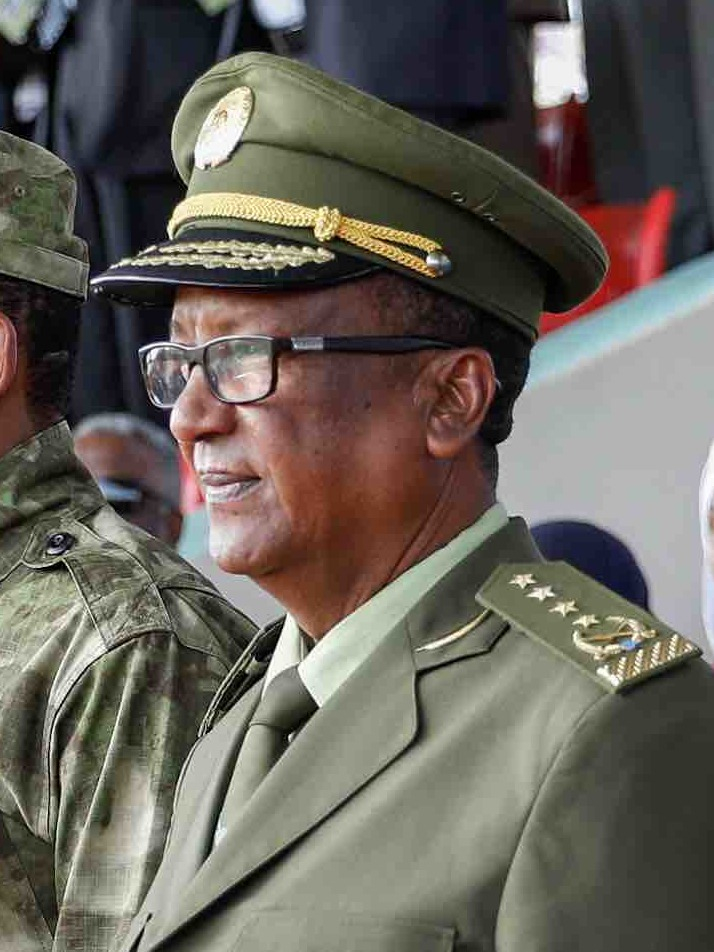
2018
Ethiopia made progress towards peace by reaching a deal with the Ogaden National Liberation Front (ONLF). The ONLF, a rebel group in the Somali Region of Ethiopia, had been fighting for self-determination for the region for years, leading to instability and conflict. The peace agreement aimed to bring an end to the violence and address the grievances of the Somali community.
The agreement included a ceasefire and the ONLF's commitment to pursuing its goals peacefully within the constitutional framework of Ethiopia. The Ethiopian government, in turn, agreed to release ONLF prisoners and engage in dialogue to address the root causes of the conflict. The peace deal was seen as a significant step towards reconciliation and stability in the region.
The impact of the peace deal with the ONLF was felt beyond the Somali Region, as it demonstrated the government's willingness to address long-standing grievances and conflicts in the country. It also set a precedent for peaceful resolution of conflicts with other rebel groups in Ethiopia. The agreement was welcomed by the international community and was seen as a positive development towards peace and stability in the region.
#Ethiopia #ONLF #PeaceAgreement #SomaliRegion #Reconciliation
View detailsAmid ongoing protests in Ethiopia, the Parliament approved a resolution to lift the state of emergency that had been declared. The state of emergency was put in place to address the unrest and violence that had erupted in the country. The decision to lift the state of emergency was seen as a significant step towards calming tensions and restoring peace.
The resolution to lift the state of emergency was met with mixed reactions from the public. Supporters of the move believed it would pave the way for dialogue and reconciliation, while critics raised concerns about the potential for the protests to reignite. Regardless, the Parliament's decision signaled a shift towards a more inclusive and peaceful approach to addressing the issues facing the country.
The lifting of the state of emergency opened up opportunities for a more democratic and open political environment in Ethiopia. It provided a chance for all sides to engage in constructive dialogue and find sustainable solutions to the underlying grievances. Moving forward, it was crucial for all parties to work together towards building a more stable and prosperous future for the country.
#Ethiopia #Parliament #StateOfEmergency #Protests #Reconciliation
View details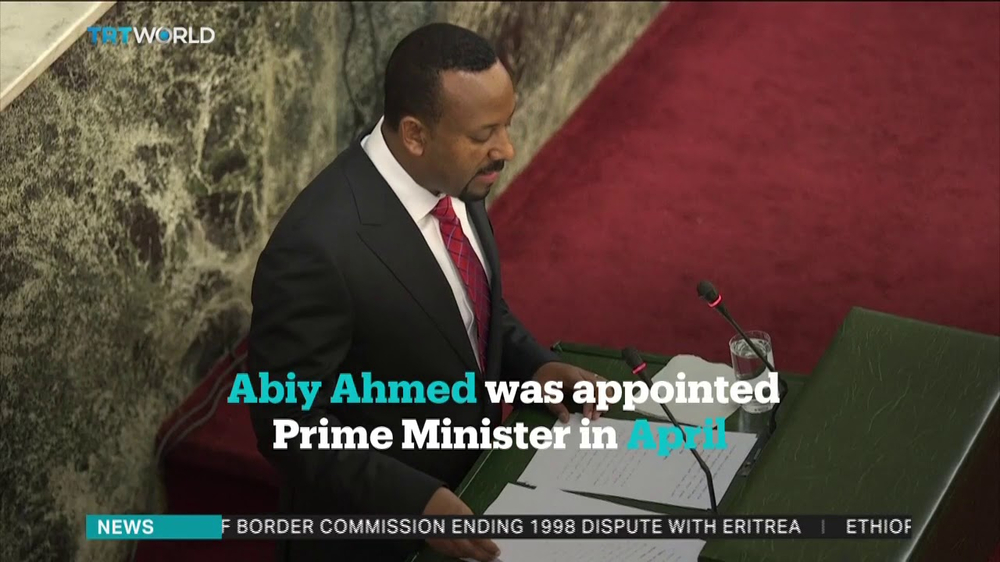
After decades of conflict, Ethiopia and Eritrea reached a historic agreement to bring an end to their long-standing war. The hostility between the two countries originated from a border dispute that sparked a devastating conflict resulting in thousands of casualties and displacements.
The peace agreement marked a turning point in the relations between Ethiopia and Eritrea. The two nations agreed to cease hostilities, re-establish diplomatic ties, and reopen their borders for the free movement of people and goods. The agreement brought hope for stability and cooperation in the region.
The end of the war had a significant impact on the political and economic landscape of both countries. It paved the way for increased trade, investment, and cooperation in various sectors. The peace settlement was welcomed by the international community as a step towards peace and stability in the Horn of Africa.
The Ethiopia-Eritrea peace agreement was a momentous occasion that symbolized a new era of reconciliation and cooperation between the two nations. It was a moment of hope for a brighter future for the people of Ethiopia and Eritrea.
#Ethiopia #Eritrea #Peace #Reconciliation #Cooperation
View details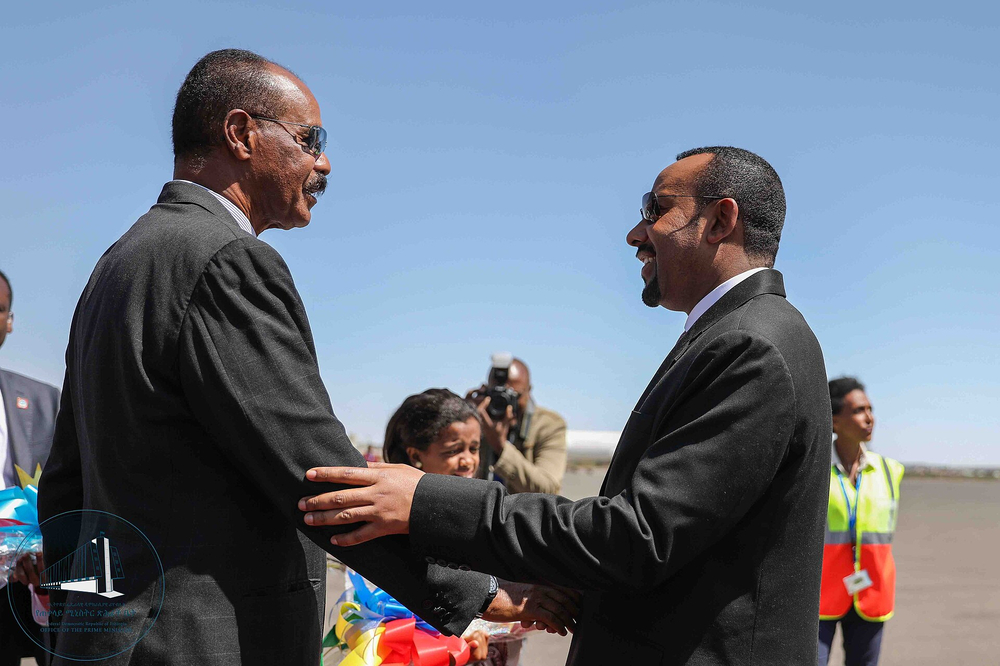
Sahle-Work Zewde made history by becoming the first female president of Ethiopia. Her appointment marked a significant milestone for gender equality and women's empowerment in the country. Zewde, a seasoned diplomat, has served in various high-level positions within the United Nations and the Ethiopian government, bringing a wealth of experience to her new role.
Her presidency is perceived as a sign of progress towards more inclusive governance and a recognition of the important role women play in shaping the nation's future. Zewde's leadership is expected to bring fresh perspectives and priorities to the presidency, emphasizing issues such as gender equality, peace-building, and economic development.
As she assumes office, there is optimism and hope among Ethiopians for positive change and greater representation in the country's leadership. Zewde's presidency symbolizes a shift towards a more diverse and progressive political landscape, inspiring women and girls across Ethiopia to aim for leadership positions and effect meaningful change in society.
#SahleWorkZewde #EthiopiaPresident #WomenLeadership #Empowerment
View details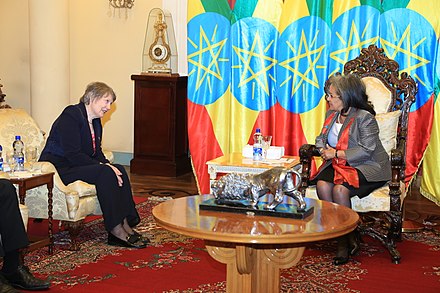
On June 1, 2018, Ethiopia took a significant step toward political reform and national reconciliation with the liberation of political detainees. This event was part of a broader reform agenda initiated by Prime Minister Abiy Ahmed, who had taken office just two months earlier, in April 2018. The release of these prisoners marked a pivotal moment in Ethiopia's journey toward democratization and human rights improvement.
Background
Ethiopia, one of Africa's most populous countries, had been under the rule of the Ethiopian People's Revolutionary Democratic Front (EPRDF) since 1991. Over the years, the EPRDF's government was criticized for its authoritarian tendencies, including the suppression of political opposition, media censorship, and widespread human rights abuses. Political tensions and ethnic conflicts frequently led to mass protests, particularly from 2015 to 2018, which saw significant unrest and demands for political freedom and justice.
Abiy Ahmed’s Rise to Power
In February 2018, Hailemariam Desalegn resigned as Prime Minister amid increasing unrest, leading to a power vacuum and an internal struggle within the EPRDF. Abiy Ahmed, a former military officer and intelligence chief, emerged as a compromise candidate. His appointment as Prime Minister in April 2018 was groundbreaking, as he became the first Oromo leader to hold the position, representing the largest ethnic group in Ethiopia.
The Decision to Release Political Prisoners
Upon assuming office, Abiy Ahmed pledged to implement sweeping political reforms to address grievances and foster national unity. One of his first major actions was to order the release of thousands of political prisoners. This move was aimed at signaling a break from the repressive policies of his predecessors and creating an environment conducive to dialogue and reconciliation.
The decision to release political detainees on June 1, 2018, was a part of this broader initiative. Many of these prisoners were prominent opposition figures, journalists, activists, and ordinary citizens who had been imprisoned for their political beliefs, participation in protests, or criticism of the government.
Key Figures and Groups Released
Among those released were members of opposition parties such as the Oromo Federalist Congress and the Ginbot 7 movement, journalists like Eskinder Nega, and various activists who had been vocal critics of the government. The release included individuals detained under the country's anti-terrorism laws, which had been widely criticized as tools for silencing dissent.
Impacts and Reactions
The liberation of political detainees was met with widespread acclaim both domestically and internationally. It was seen as a crucial step toward healing the nation's deep political and ethnic divides. Families of the detainees and human rights organizations celebrated the move, viewing it as a long-overdue act of justice.
Internationally, Ethiopia's allies and human rights organizations praised Abiy Ahmed's government for taking concrete steps to improve human rights and democratic governance. The releases were part of a series of reforms that also included lifting the state of emergency, opening up the media landscape, and inviting exiled opposition groups to return to Ethiopia.
Challenges and Ongoing Reforms
Despite the positive reception, the release of political detainees was only the beginning of Ethiopia's complex journey toward democracy. The country faced numerous challenges, including managing ethnic tensions, addressing demands for regional autonomy, and ensuring that the political reforms were institutionalized.
Abiy Ahmed's government continued to navigate these challenges while pushing forward with its reform agenda. This included economic reforms, efforts to liberalize the state-controlled economy, and initiatives to strengthen the rule of law and judicial independence.
Legacy
The liberation of political detainees on June 1, 2018, stands as a landmark moment in Ethiopia's recent history. It underscored a dramatic shift in the country's political landscape and symbolized hope for a more inclusive and democratic future. The event also contributed to Abiy Ahmed being awarded the Nobel Peace Prize in 2019, in recognition of his efforts to foster peace and reconciliation both within Ethiopia and with neighboring Eritrea.
#MomentsOfLife #MoofLife_Moment #MoofLife #Ethiopia #PoliticalReform #HumanRights #AbiyAhmed #EthiopianPolitics #Democratization #Reconciliation #PoliticalPrisoners
View details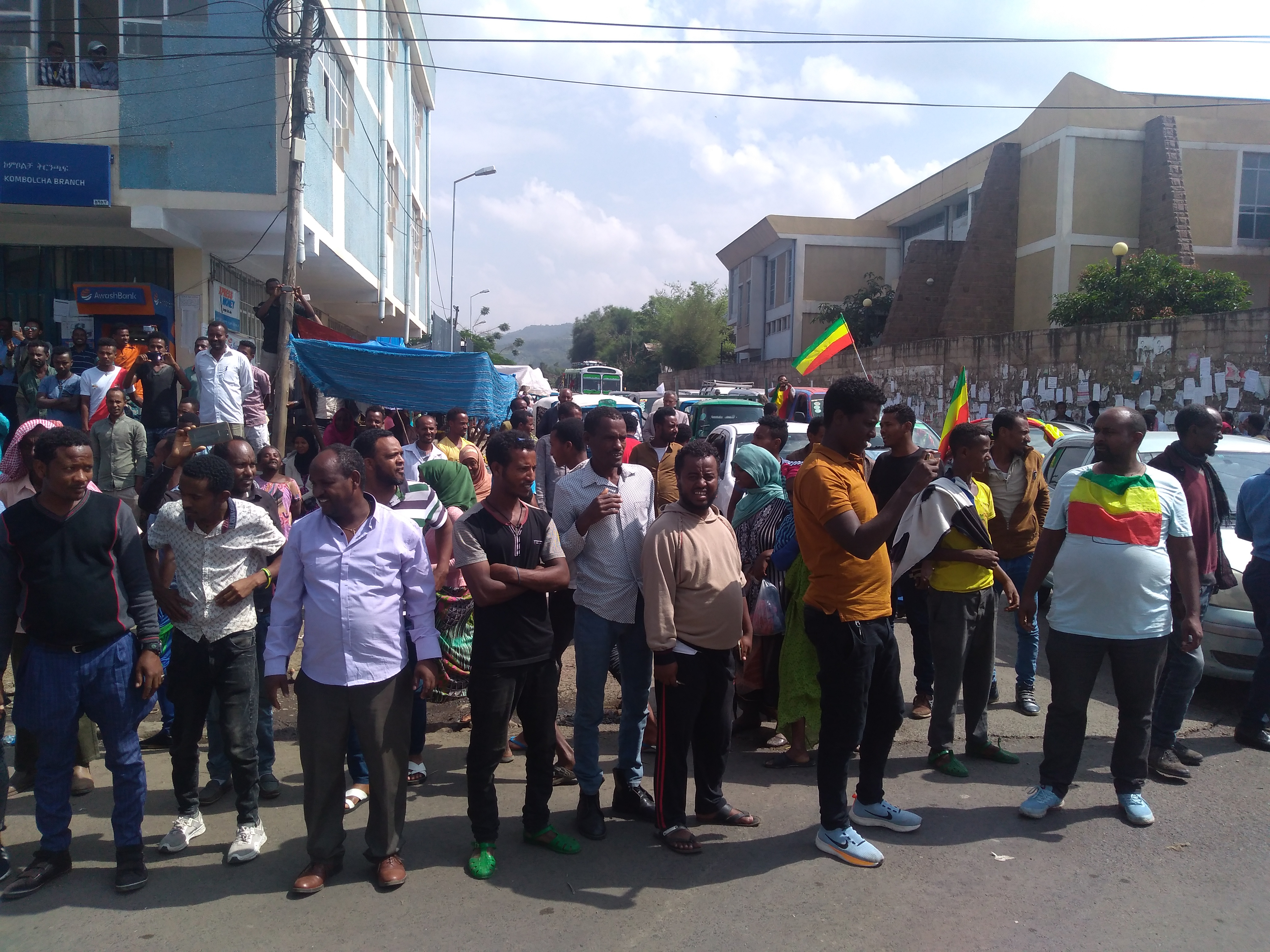
In 2018, Abiy Ahmed was appointed as Prime Minister of Ethiopia following the resignation of his predecessor. At 42, he became the youngest leader in Africa at the time. Ahmed's rise to power marked a significant shift in Ethiopian politics. He initiated various reforms, including releasing political prisoners, restoring diplomatic relations with Eritrea, and promoting gender equality by appointing a gender-balanced cabinet.
Ahmed's leadership style was characterized by his efforts to unify the country and his commitment to resolving conflicts within the region. His policies were aimed at fostering economic growth and political stability in Ethiopia. Under his leadership, Ethiopia experienced a period of relative peace and saw improvements in infrastructure and social development.
The appointment of Abiy Ahmed as Prime Minister was a turning point in Ethiopian history, bringing hopes of positive change and progress for the nation. His vision for a more inclusive and prosperous Ethiopia resonated with many citizens, leading to widespread support for his administration.
#AbiyAhmed #Ethiopia #Reform #Unity #Progress #Peace
View details
Ethiopia's Prime Minister Desalegn's resignation sent shockwaves through the nation, triggering a significant political shift. Desalegn stepped down amid relentless protests against his government's authoritarian rule and human rights violations. His departure marked a pivotal moment in Ethiopia's political landscape, with citizens hoping for democratic reforms and improved governance.
Desalegn's resignation came after years of anti-government demonstrations led by various ethnic groups, demanding greater freedom and equality. The Prime Minister's decision to step aside was seen as a response to mounting pressure from both the public and opposition parties. Following his resignation, an interim government was established to oversee the transition of power and pave the way for democratic elections.
The impact of Desalegn's resignation reverberated beyond Ethiopia's borders, drawing international attention to the country's political turmoil and human rights challenges. The move raised hopes for a more inclusive and accountable government in Ethiopia, as well as concerns about the stability of the region.
As Ethiopia grappled with the repercussions of Desalegn's resignation, citizens and observers alike awaited further developments to see how the political transition would unfold. The event marked a turning point in the country's history, with the potential to shape its future trajectory significantly.
#Ethiopia #PoliticalTransition #Democracy #HumanRights #Protests
View details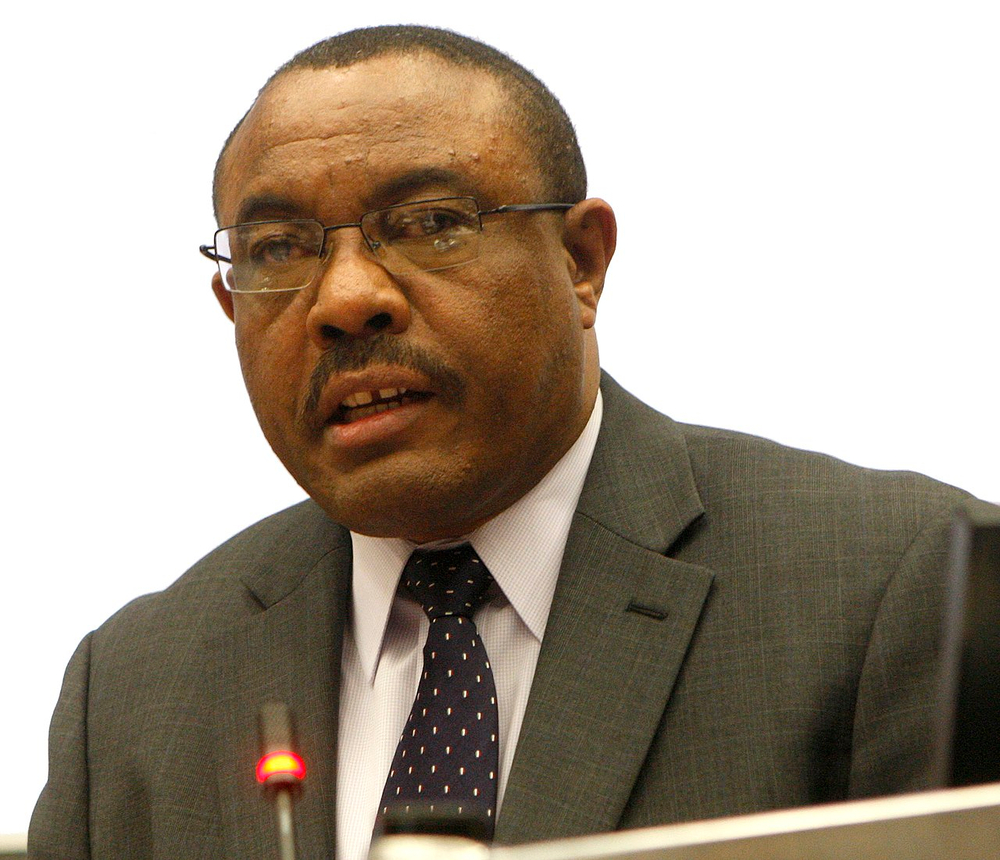
2016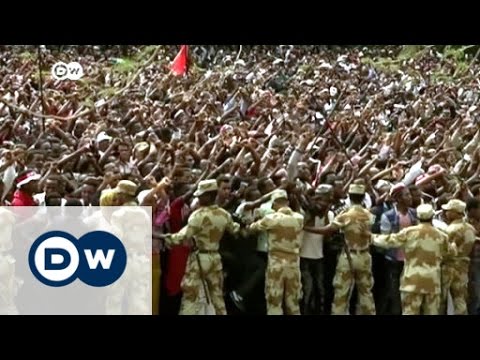
The event 'State of emergency declared' in Ethiopia was a response to escalating political unrest and protests across the country. The government cited the need to maintain law and order as the primary reason for the declaration. This move gave security forces expanded powers, including the ability to detain individuals without trial.
The impact of the state of emergency was significant, with a notable increase in security presence and restrictions on freedom of assembly and expression. Several media outlets were also shut down during this period. The government aimed to quell the protests and restore stability in the region, amidst calls for political reforms and increased transparency.
The declaration of the state of emergency was met with mixed reactions, with critics viewing it as a means to suppress dissent and maintain the status quo. Supporters, on the other hand, saw it as a necessary step to prevent further chaos and violence.
The state of emergency in Ethiopia highlighted the fragile socio-political dynamics in the country and the deep-seated tensions that needed to be addressed. Moving forward, there were calls for dialogue and inclusive governance to address the root causes of the unrest and work towards a more stable and prosperous future.
#Ethiopia #StateOfEmergency #PoliticalUnrest #SecurityForces #ReformNeeded
View details2012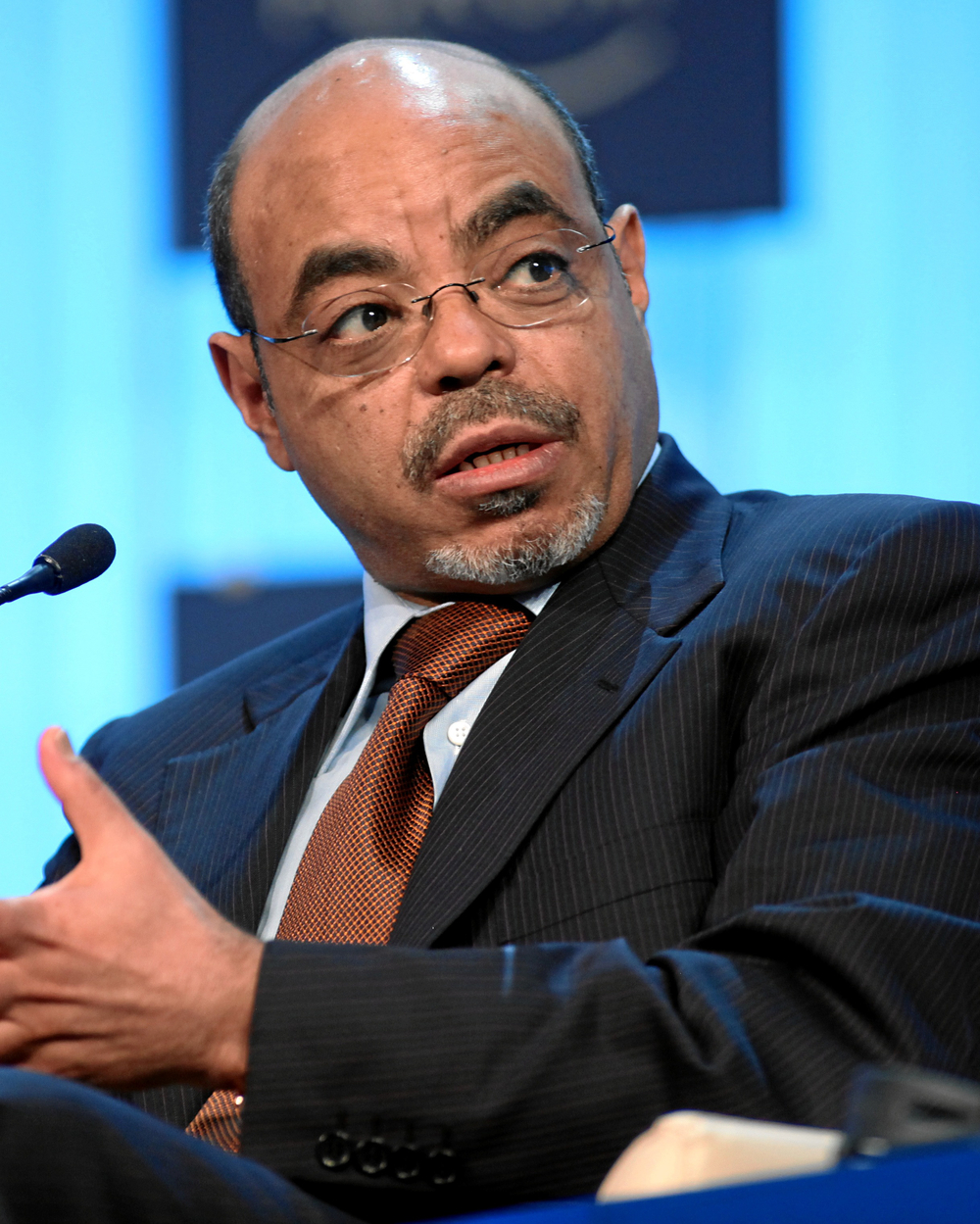
The death of Prime Minister Meles Zenawi marked a significant turning point in the political landscape of Ethiopia. Meles Zenawi was a prominent figure in Ethiopian politics, serving as the country's leader for over two decades. His passing brought about a mix of mourning and uncertainty among the Ethiopian people.
Meles Zenawi was praised for his role in modernizing the country and promoting economic development, but his leadership was also marred by criticisms of authoritarianism and human rights abuses. His death triggered concerns about the future direction of the nation and the stability of the government.
Following his death, Deputy Prime Minister Hailemariam Desalegn took over as the acting Prime Minister, overseeing a period of transition and political reforms. The legacy of Meles Zenawi continued to shape Ethiopian politics in the years to come, with his supporters lauding his achievements while his detractors called for accountability for alleged abuses committed during his time in power.
The death of Prime Minister Meles Zenawi was a watershed moment in Ethiopian history, symbolizing both the end of an era and the beginning of a new chapter for the country. #Ethiopia #MelesZenawi #PoliticalTransition
View details2006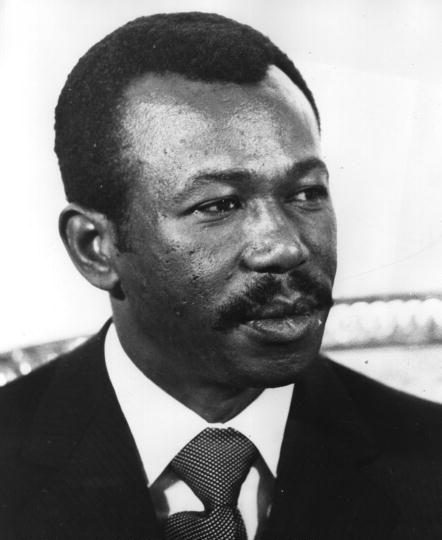
Mengistu Haile Mariam, the former dictator of Ethiopia, was convicted of genocide for his brutal regime that resulted in the death of thousands of people. During his rule from 1974 to 1991, Mengistu implemented harsh policies that included mass executions, torture, and forced relocations. His reign was marked by widespread human rights violations and political oppression.
The conviction of Mengistu Haile Mariam was a significant milestone in the pursuit of justice for the victims of his regime. It served as a reminder that those who commit atrocities will be held accountable for their actions. The ruling brought closure to many families who had suffered under his rule and provided some measure of justice for the victims.
The conviction of Mengistu Haile Mariam underscored the importance of upholding human rights and holding perpetrators of genocide accountable. It also highlighted the ongoing need for justice and reconciliation in Ethiopia. The event sparked discussions about the country's history and the need to address past injustices to move forward.
#MengistuHaileMariam #GenocideConviction #EthiopiaJustice #HumanRights #Accountability
View detailsEthiopian troops entered Somalia to support the Transitional Federal Government in its fight against the Islamic Courts Union. The Islamic Courts Union had gained control of much of southern Somalia and posed a threat to the stability of the region.
Ethiopia, concerned about the growing influence of the Islamic Courts Union and fearing the spread of Islamic extremism, decided to intervene militarily. The Ethiopian troops quickly advanced and, with the help of the Transitional Federal Government forces, managed to push back the Islamic Courts Union and regain control of key strategic locations.
The entry of Ethiopian troops into Somalia had a significant impact on the balance of power in the region. It marked a turning point in the conflict and dealt a severe blow to the Islamic Courts Union. The intervention also drew criticism from some international organizations and neighboring countries, who raised concerns about the potential for escalation and further instability in the region.
Overall, the Ethiopian troops' entry into Somalia reshaped the dynamics of the conflict and had lasting implications for the region's security and political landscape. #Ethiopia #Somalia #Conflict #IslamicCourtsUnion #Intervention
View details
2005
The first section of the Axum obelisk was successfully returned to Ethiopia after being taken to Italy in 1937. The obelisk, which dates back to the 4th century, was taken as a war trophy during the Italian occupation of Ethiopia. Following years of negotiations between the two countries, Italy agreed to return the artifact as a symbol of goodwill and to rectify historical injustices.
The return of the obelisk's first section marked a significant step towards the full restoration of the monument, which had been dismantled in three parts for transportation. The reassembly process required careful planning and expertise to ensure the preservation of the ancient artifact.
The event garnered international attention and was hailed as a positive development in the efforts to repatriate cultural heritage to its country of origin. It served as a reminder of the importance of preserving and protecting cultural artifacts for future generations.
#AxumObelisk #CulturalHeritage #Repatriation #Ethiopia #Italy
View details2004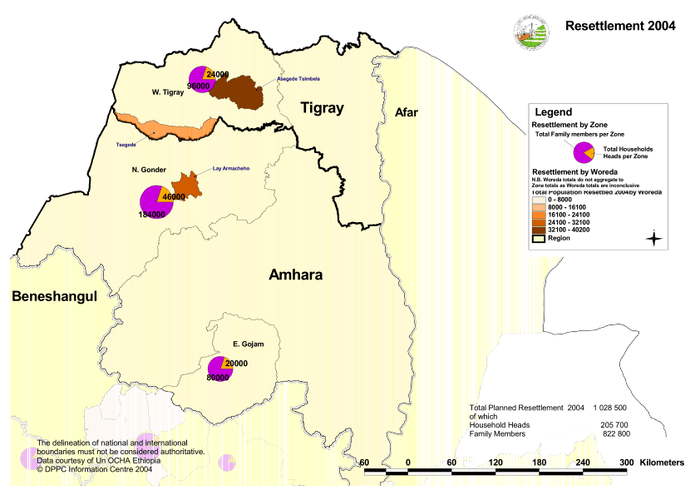
The commencement of the resettlement programme in Ethiopia aimed to relocate over two million individuals from the drought-stricken and exhausted highlands to more sustainable areas. This initiative was driven by the necessity to mitigate the effects of overpopulation, land degradation, and water scarcity, which had become increasingly severe in the region.
The impact of the resettlement programme was profound, offering a chance for the affected population to start anew in locations with better prospects for livelihoods and agricultural activities. The move also sought to relieve pressure on the fragile highlands, allowing them to recover and regenerate naturally.
Overseeing the logistics of relocating such a large number of people was a challenging task, necessitating close coordination between government agencies, humanitarian organizations, and local authorities. Despite the complexities involved, the programme represented a proactive step towards enhancing the resilience of communities facing environmental challenges.
The start of the resettlement programme marked a critical juncture in Ethiopia's efforts to address environmental degradation and support sustainable development, underscoring the importance of proactive measures in ensuring the well-being of both people and the environment. #Ethiopia #ResettlementProgramme #SustainableDevelopment
View details2000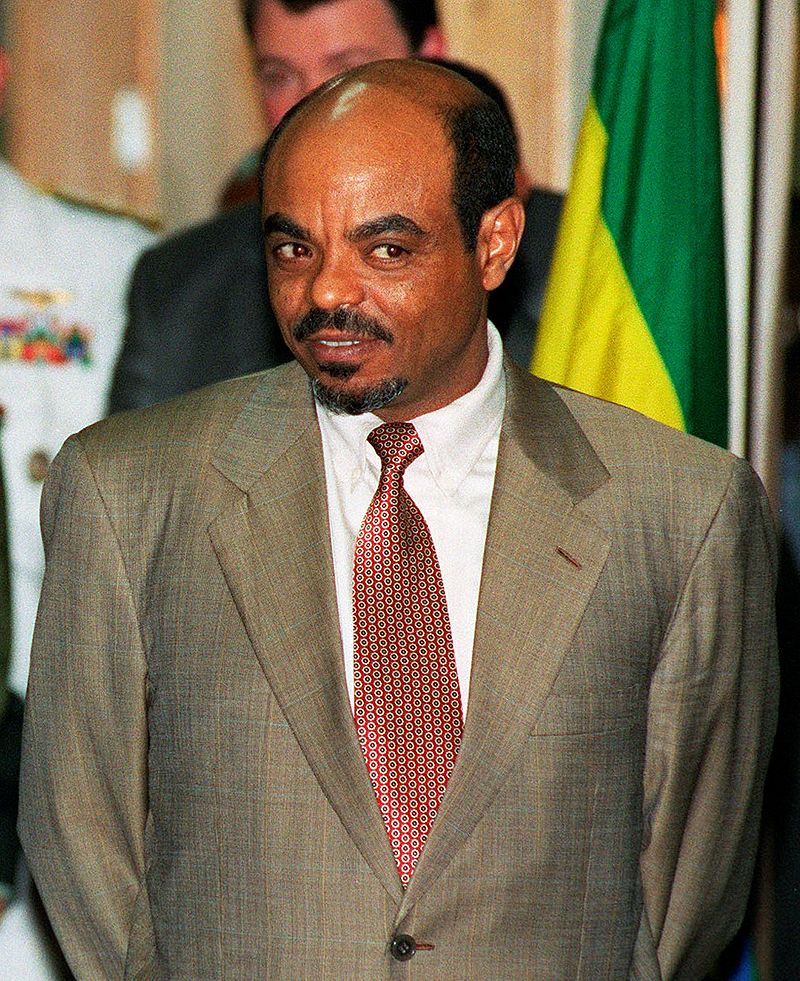
On May 14, 2000, Ethiopia held a pivotal general election that saw the Ethiopian People's Revolutionary Democratic Front (EPRDF) securing a majority of the seats in the Ethiopian parliament. This election marked a significant moment in the nation’s political landscape, coming after a period of internal conflict and efforts at democratization following the fall of the Derg regime in 1991.
The EPRDF, a coalition of several political parties led by the Tigrayan People's Liberation Front (TPLF), had been the dominant force in Ethiopian politics since it overthrew the Derg, a Marxist-Leninist junta, in 1991. Under the leadership of Prime Minister Meles Zenawi, the EPRDF had promoted a federal system purportedly aimed at giving various ethnic groups greater autonomy. However, the party was often criticized for its authoritarian grip on power, including its control over the media and suppression of dissent.
The 2000 elections were conducted amidst this backdrop of controversy and skepticism, both domestically and internationally. International observers and opposition groups raised concerns about the fairness and transparency of the electoral process. Reports of intimidation, harassment of opposition candidates, and biased state-run media coverage marred the election environment. Despite these issues, the elections proceeded, and the EPRDF emerged victorious, solidifying its control over Ethiopian politics.
The results confirmed the EPRDF's dominance, with the coalition winning a substantial majority of the parliamentary seats. This victory enabled them to continue their policies without substantial opposition within the parliament. The election results also underscored the fragmented nature of the Ethiopian opposition, which was unable to form a cohesive challenge to the ruling coalition.
The 2000 general election was crucial as it demonstrated the complexities of Ethiopia’s ethnic federalism and the challenges of transitioning from a centralized, authoritarian rule to a more democratic system. While the EPRDF claimed that the elections were a step forward in democratizing the country, the lack of competitive political space and the allegations of electoral malpractices highlighted the difficulties in achieving genuine democratic governance in Ethiopia.
The aftermath of the election saw continued unrest and periodic conflicts, reflecting the deep-seated ethnic and political tensions in the country. These issues remain pertinent as Ethiopia strives for stability and democratic inclusiveness in its political processes.
This historical moment is a key point of reflection for understanding Ethiopia's political trajectory and the enduring challenges of governance and democratization in a complex, multi-ethnic context.
#EPRDFVictory #EthiopianElections2000 #MelesZenawi #EthiopianPolitics #DemocratizationInEthiopia #MomentsOfLife #MoofLife_Moment #MoofLife
View detailsAfter years of tension over a border dispute, Ethiopia and Somalia officially put an end to their conflict by signing a peace agreement. The disagreement was centered around the delimitation of their shared border, which had led to sporadic violence and strained relations between the two nations.
The peace agreement not only settled the dispute but also paved the way for improved diplomatic relations and increased cooperation on various fronts. Both countries committed to respecting each other's territorial integrity and fostering mutual development.
The resolution of the border conflict had a positive impact on the stability and security of the region, allowing for increased trade and people-to-people interactions. It also set a precedent for peaceful resolution of disputes in Africa, showcasing the importance of dialogue and diplomacy in resolving conflicts.
Overall, the Ethiopian-Somali peace agreement marked a turning point in the relations between the two countries, opening up opportunities for collaboration and mutual growth. It highlighted the power of diplomacy in resolving conflicts and building a foundation for lasting peace in the region.
#Ethiopia #Somalia #PeaceAgreement #BorderDispute #Diplomacy #AfricaPeace
View details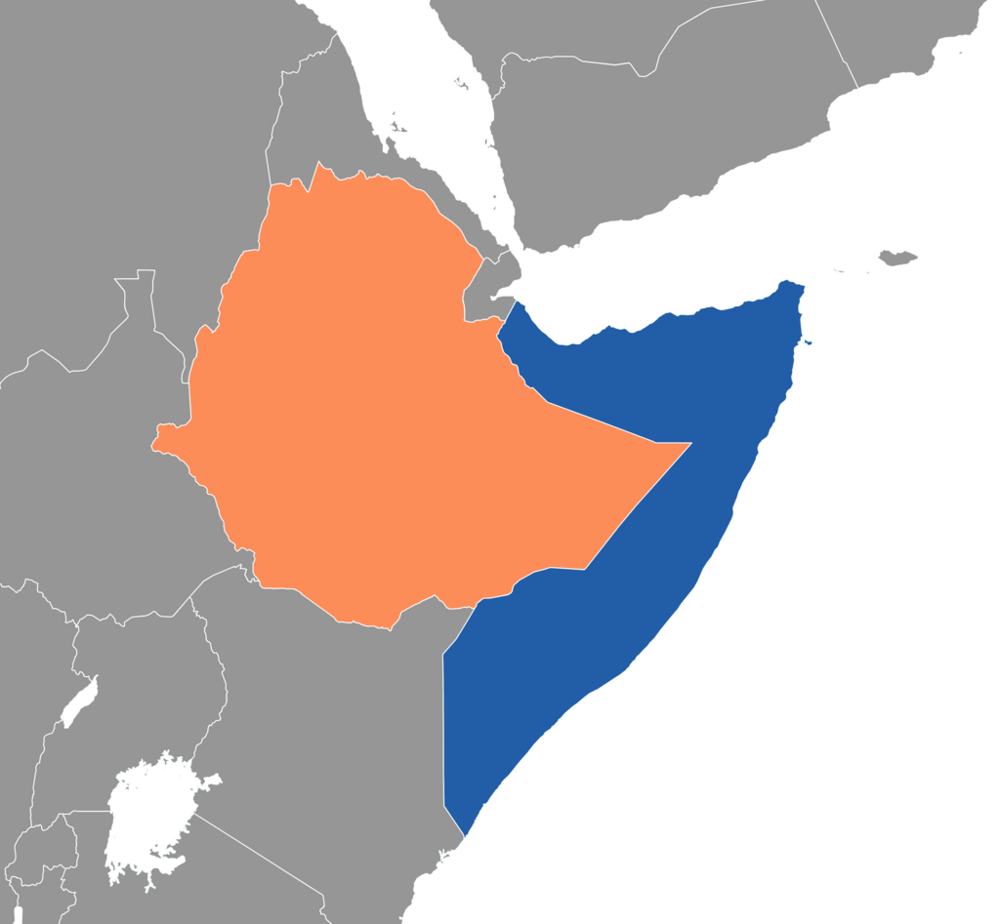
1991
The Ethiopian People's Revolutionary Democratic Front (EPRDF) successfully captured Addis Ababa, the capital city of Ethiopia, leading to the ousting of the Derg regime. The Derg, a Marxist military junta, had ruled Ethiopia with an iron fist for years, causing widespread oppression, human rights abuses, and economic hardship.
The EPRDF, a coalition of rebel groups, had been fighting against the Derg in a bloody civil war. Their capture of Addis Ababa marked a significant turning point in the conflict, ultimately leading to the downfall of the oppressive regime. The people of Ethiopia celebrated the end of the Derg's rule and looked forward to a new era of peace and democracy.
Following the fall of the Derg, the EPRDF established a transitional government and began the process of rebuilding the country. The capture of Addis Ababa by the EPRDF was a watershed moment in Ethiopian history, symbolizing the victory of the people over tyranny and paving the way for a more democratic future.
#Ethiopia #EPRDF #AddisAbaba #DergRegime #Victory #Democracy
View details1983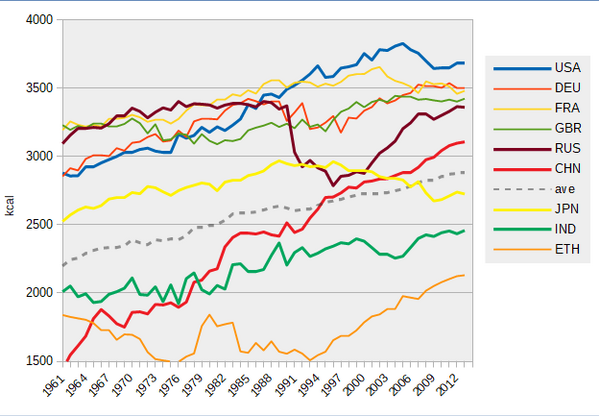
One of the most devastating famines in history struck Ethiopia in 1983, resulting from a deadly combination of drought, political instability, and economic challenges. The alarming images of malnourished children and adults caught the attention of the international community, leading to an outpouring of relief efforts.
Countries around the world, along with various organizations and celebrities, came together to provide aid to the famine-stricken region. Fundraising events, charity concerts, and donation campaigns raised millions of dollars to support emergency relief operations in Ethiopia. The efforts aimed to provide food, water, and medical supplies to those affected by the crisis.
The international response to the famine in Ethiopia highlighted the power of global solidarity and humanitarian action in addressing humanitarian crises. It also shed light on the underlying issues of poverty, food insecurity, and political instability that contribute to such disasters.
#Ethiopia #FamineRelief #GlobalSolidarity #HumanitarianAid.
View details1974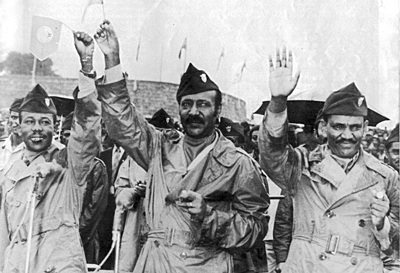
The establishment of the Derg, a military junta that ruled Ethiopia for more than a decade, marked a significant shift in the country's political landscape. The Derg emerged amidst widespread discontent with the imperial regime of Emperor Haile Selassie, plagued by economic stagnation, social inequality, and political repression.
Formed by low-ranking military officers, the Derg quickly consolidated power through a coup d'état, promising radical reforms to address the country's challenges. Under its leader Mengistu Haile Mariam, the Derg implemented socialist policies, nationalized industries, and embarked on ambitious agrarian reforms, aiming to modernize Ethiopia and improve the lives of its citizens.
However, the Derg's rule was characterized by brutal crackdowns on dissent, human rights abuses, and a devastating famine in the 1980s exacerbated by its policies and actions. The Red Terror campaign, in particular, resulted in widespread violence and thousands of extrajudicial killings.
The Derg's legacy continues to impact Ethiopia, shaping its political dynamics and socio-economic conditions. Its abrupt end in 1991 following years of armed resistance and internal strife led to a new era in Ethiopian history, marked by efforts to reckon with the past and build a more inclusive and democratic society.
#Derg #Ethiopia #MilitaryJunta #Reform #PoliticalUnrest #Legacy
View details1960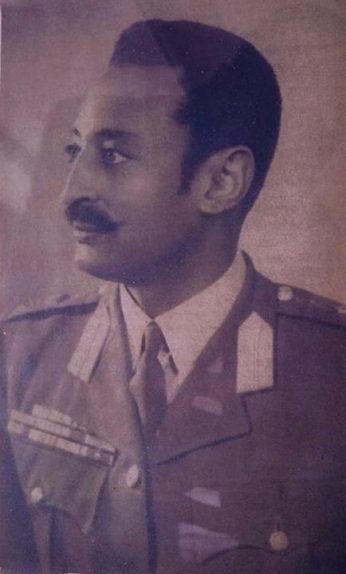
In 1960, the Imperial Bodyguard staged a coup d'état in Ethiopia, overthrowing Emperor Haile Selassie. The emperor, revered for his role in modernizing Ethiopia, faced growing discontent due to economic issues and perceived autocratic rule. The Imperial Bodyguard, made up of military personnel close to the emperor, led the coup to address these grievances.
The coup had a profound impact on Ethiopia, marking the end of Haile Selassie's reign and the beginning of a new era of governance. The military junta that took power implemented reforms aimed at modernizing the country and improving living conditions for the population. However, their rule was also marked by repression and human rights abuses, leading to further instability in the region.
Ultimately, the coup led by the Imperial Bodyguard reshaped the political landscape of Ethiopia, setting the stage for future power struggles and conflicts. It highlighted the complexities of governance in a diverse and historically rich nation, where competing interests often clashed.
#Ethiopia #Coup #ImperialBodyguard #HaileSelassie #Reform #Instability #PoliticalHistory
View details1941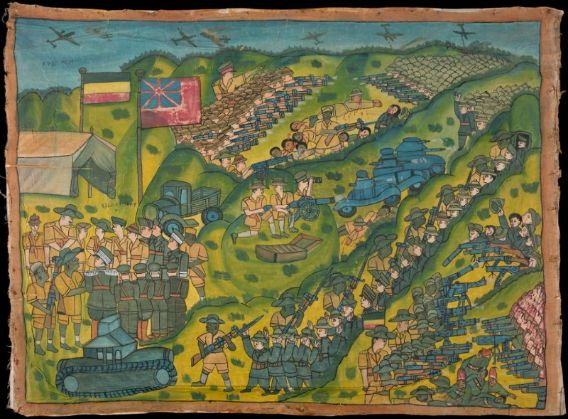
The siege and fall of Gondar to Oromo forces marked a pivotal moment in Ethiopian history. Gondar, once a thriving city and the capital of Ethiopia, found itself under attack by Oromo warriors. The Oromo, a pastoralist ethnic group, had been expanding their territory and influence in the region. The siege lasted for several days, with fierce battles and heavy casualties on both sides. Eventually, the Oromo forces breached the city's defenses and Gondar fell.
The fall of Gondar had far-reaching consequences. It signified the end of an era, as the once-mighty Ethiopian Empire lost one of its key cities. The event reshaped the political landscape of the region, as power dynamics shifted with the rise of the Oromo forces. It also highlighted the vulnerability of the Ethiopian Empire to external threats and internal divisions.
Despite the defeat, the fall of Gondar spurred resistance and resilience among the Ethiopian people. It fueled a sense of unity and determination to reclaim lost territories and preserve the sovereignty of the empire. The event served as a sobering reminder of the challenges facing Ethiopia and the need for strategic alliances and military reforms to defend against future threats.
#Gondar #OromoForces #EthiopianHistory #FallenEmpire
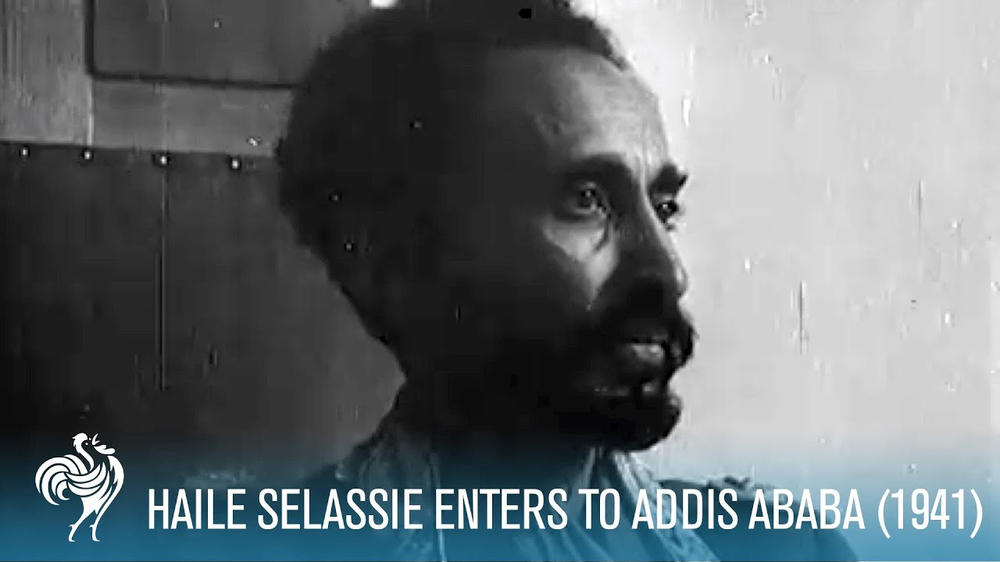
View detailsOn May 5, 1941, Emperor Haile Selassie triumphantly returned to Addis Ababa, Ethiopia, marking the end of his five-year exile during the Italian occupation. This event was not only a significant moment for Ethiopia but also a symbolic victory over colonialism and fascism during World War II.
Background:
Following the Italian invasion of Ethiopia in October 1935, Haile Selassie was forced into exile in May 1936 after the fall of the capital, Addis Ababa. He found sanctuary in Britain, where he spent much of his exile advocating for Ethiopian sovereignty and rallying support against the Italian occupation. His eloquent speech before the League of Nations in 1936, where he warned of the dangers of appeasement, remains one of the most poignant moments in the struggle against fascism.
Exile and Diplomacy:
During his exile, Haile Selassie was a figure of resistance and determination. He worked tirelessly to secure international support and to keep the plight of Ethiopia in the global consciousness. His efforts contributed to the eventual shift in international policy against Italy, particularly after the onset of World War II, when Allied forces needed strategic advantages against Axis powers.
Return and Liberation:
The path to his return began with the British military campaign against Italian forces in East Africa, known as the East African Campaign. By early 1941, British and Commonwealth forces, including many Ethiopian patriots who had waged a guerrilla war against Italian occupiers, had made significant advances. Emperor Haile Selassie crossed into Ethiopia from Sudan, and on May 5, 1941, he re-entered Addis Ababa, reclaiming his position as the head of the Ethiopian state.
Significance and Legacy:
The return of Haile Selassie was met with jubilation across Ethiopia. It symbolized the restoration of the nation's independence and was a significant morale boost for anti-colonial movements worldwide. The emperor’s return also underscored the importance of international alliances and the impact of global diplomacy. Following his return, Haile Selassie focused on modernizing Ethiopia, improving education, and strengthening ties with other nations, while also playing a key role in the formation of the Organization of African Unity.
Haile Selassie's return to Ethiopia remains a powerful testament to the resilience and determination of a leader and his people in the face of colonial domination and adversity.
#HaileSelassie #EthiopianIndependence #WWII #AntiColonialism #AfricanUnity
View details