
Ethiopia

Federal Democratic Republic of Ethiopia
Related Lives

Liechtenstein
The Jewel of the Alps

Greatest Natural Disasters of World
History of Natural Disasters of World

Bolivia
The Heart of South America

Laos
Land of a Million Elephants

Kenya
The Cradle of Humankind

Germany
The Land of Ideas

Belgium
The Heart of Europe.

Botswana
The Heart of Southern Africa

1541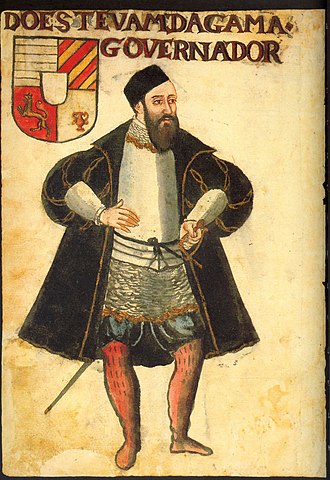
In a pivotal move to aid the Ethiopian Emperor in his battle against Ahmad ibn Ibrahim al-Ghazi, Estevão da Gama departed from Massawa. This Portuguese military leader embarked on a mission to provide crucial support to the Ethiopian forces. The assistance was urgently needed as al-Ghazi posed a significant threat to the stability and sovereignty of the Ethiopian Empire.
Taking advantage of his strategic position in Massawa, Estevão da Gama's departure marked a significant turning point in the conflict. His involvement not only bolstered the Ethiopian Emperor's army but also symbolized the international support against the forces of al-Ghazi.
The decision of Estevão da Gama to leave Massawa for the Ethiopian cause undoubtedly had a lasting impact on the outcome of the conflict. It showcased the importance of alliances and support in times of need, ultimately influencing the course of history in the region.
#EstevãodaGama #Ethiopia #AhmadibnIbrahimalGhazi #PortugueseSupport #MilitaryAlliance #EthiopianHistory #InternationalAssistance #Massawa #EmperorConflict
View details1529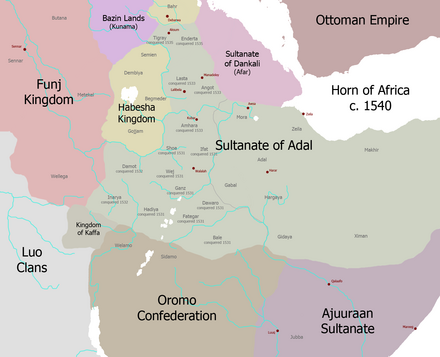
The Portuguese military intervention in Ethiopia marked a pivotal point in the history of both nations. The intervention was driven by Portugal's desire to expand its influence in the region and gain access to the lucrative trade routes of the Red Sea. The Portuguese, led by Cristovao da Gama, provided military support to Emperor Lebna Dengel of Ethiopia in his fight against the expanding Muslim Adal Sultanate.
The intervention had a significant impact on the power dynamics in the region, as it helped Emperor Lebna Dengel retain control of his kingdom and push back the Adal forces. The Portuguese military assistance also contributed to the preservation of Christian Ethiopia against the threat of Muslim penetration.
Despite the short-lived nature of the intervention, it left a lasting legacy in Ethiopia. The Portuguese intervention fostered diplomatic relations between the two nations and paved the way for future collaborations. The exchange of military tactics and technologies also had a lasting impact on the Ethiopian army.
Overall, the Portuguese military intervention in Ethiopia was a watershed moment in the region's history, shaping the political and cultural landscape for years to come. #Portuguese #Ethiopia #MilitaryIntervention #Diplomacy
View details1528
In the year 1530, the Oromo people initiated a migration into what is now known as Ethiopia. This movement had a profound impact on the demographics and political landscape of the region. The Oromo people, primarily pastoralists and farmers, settled in various parts of present-day Ethiopia, bringing new cultural, religious, and linguistic elements to the area.
Their migration led to conflicts with existing ethnic groups and kingdoms in the region. The Oromo people's integration into Ethiopian society resulted in shifting power dynamics and the formation of alliances with different ethnic groups, influencing the political structure of the time.
Over time, the Oromo people's presence became significant, with their population dispersing across the region and becoming one of the largest ethnic groups in Ethiopia. Their cultural heritage and traditions have since played a substantial role in shaping the identity of modern Ethiopia.
#OromoMigration #EthiopianDemographics #PoliticalImpact
View details1508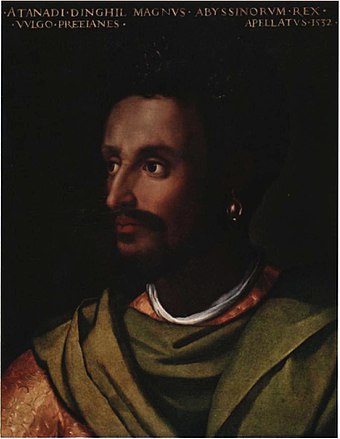
Emperor Lebna Dengel fought against the invading forces of Imam Ahmad Gragn, a strong Muslim leader. The conflict arose over control of territories and ideological differences. The Emperor led his army in fierce battles, displaying exceptional military tactics and resilience. Despite facing a formidable adversary, he managed to defend his kingdom and maintain his rule.
The Reign of Emperor Lebna Dengel marked a significant period in Ethiopian history, showcasing the bravery and determination of its ruler in the face of external threats. The outcome of the conflict had lasting effects on the region, influencing power dynamics and shaping future relations between different groups.
Emperor Lebna Dengel's resistance against the invading forces of Imam Ahmad Gragn was a pivotal moment that demonstrated the strength and unity of the Ethiopian people. It highlighted the importance of leadership and military prowess in defending the sovereignty of the kingdom. The legacy of this event continues to resonate in Ethiopian culture and history, serving as a reminder of the resilience and courage of its past leaders.
#EmperorLebnaDengel #ImamAhmadGragn #EthiopianHistory #MilitaryConflict
View details1331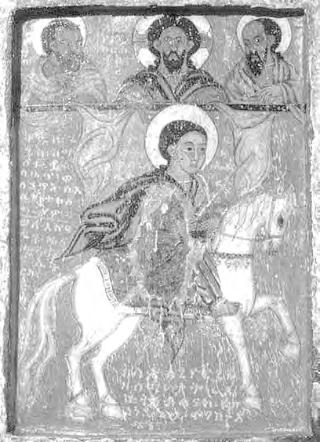
Emperor Amda Seyon I's campaigns in southern Muslim territories mark significant military endeavors.
Amda Seyon I, Emperor of Ethiopia, initiated campaigns in the southern Muslim provinces to expand his territory and consolidate power. This marked a significant turning point in Ethiopian history as Amda Seyon sought to assert dominance over the region and establish control over trade routes. His military campaigns were strategic and relentless, leading to numerous battles and conquests that ultimately extended the Ethiopian realm.
The impact of Amda Seyon's campaigns in the southern Muslim provinces was profound, shaping the political and cultural landscape of the region. By conquering new territories, he not only increased his empire's wealth and resources but also imposed his authority over diverse ethnic and religious communities. This expansion solidified his reputation as a powerful ruler and set the stage for further territorial gains in the future.
Amda Seyon's forays into the southern Muslim provinces left a lasting legacy that reverberated throughout Ethiopian history. His military campaigns contributed to the growth and development of the Ethiopian Empire, establishing it as a formidable force in the region. The conquests during his reign laid the foundation for a period of stability and prosperity that would endure for years to come.
#AmdaSeyonI #EthiopianEmpire #MilitaryCampaigns #TerritorialExpansion #CulturalLegacy
View details1313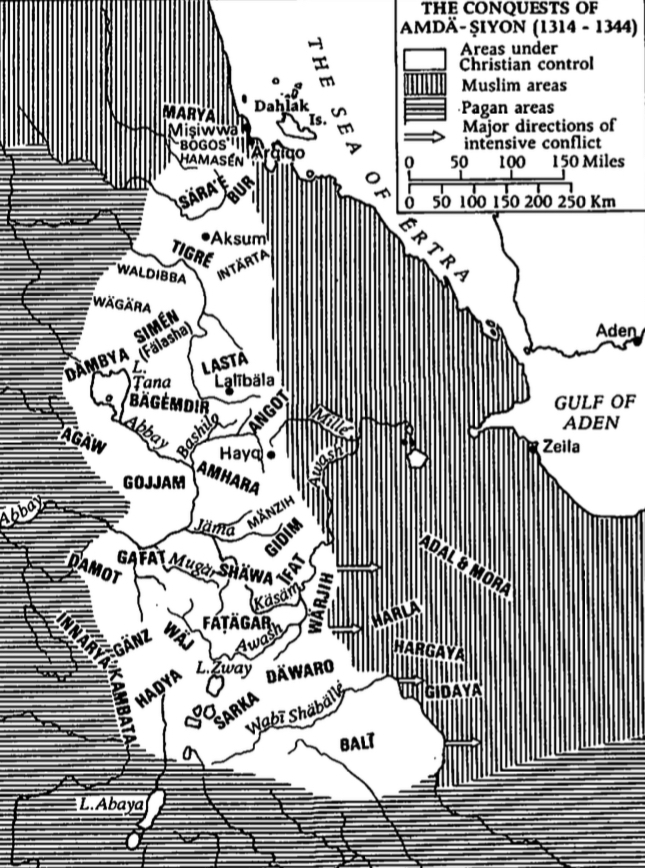
In 1314, Emperor Amde Tsiyon I ascended the throne, ushering in a period of prosperity for Ethiopia. Known for his strong leadership and vision, Amde Tsiyon I implemented various reforms that boosted the economy, improved infrastructure, and enhanced diplomatic relations with neighboring kingdoms.
Under his rule, trade flourished, leading to increased wealth and cultural exchange. The construction of new roads and bridges facilitated transportation and communication, connecting distant regions within the empire. This period saw a significant expansion of agriculture and irrigation projects, ensuring food security for the population.
Emperor Amde Tsiyon I's commitment to good governance and justice fostered stability and unity among the diverse ethnic groups in the empire. His patronage of the arts and education contributed to a flourishing cultural renaissance, with the development of literature, architecture, and religious institutions.
The reign of Emperor Amde Tsiyon I marked a golden era in Ethiopian history, characterized by peace, prosperity, and progress. His legacy continues to inspire generations, reflecting the enduring impact of his enlightened rule.
#EmperorAmdeTsiyonI #EthiopianProsperity #CulturalRenaissance
View details1312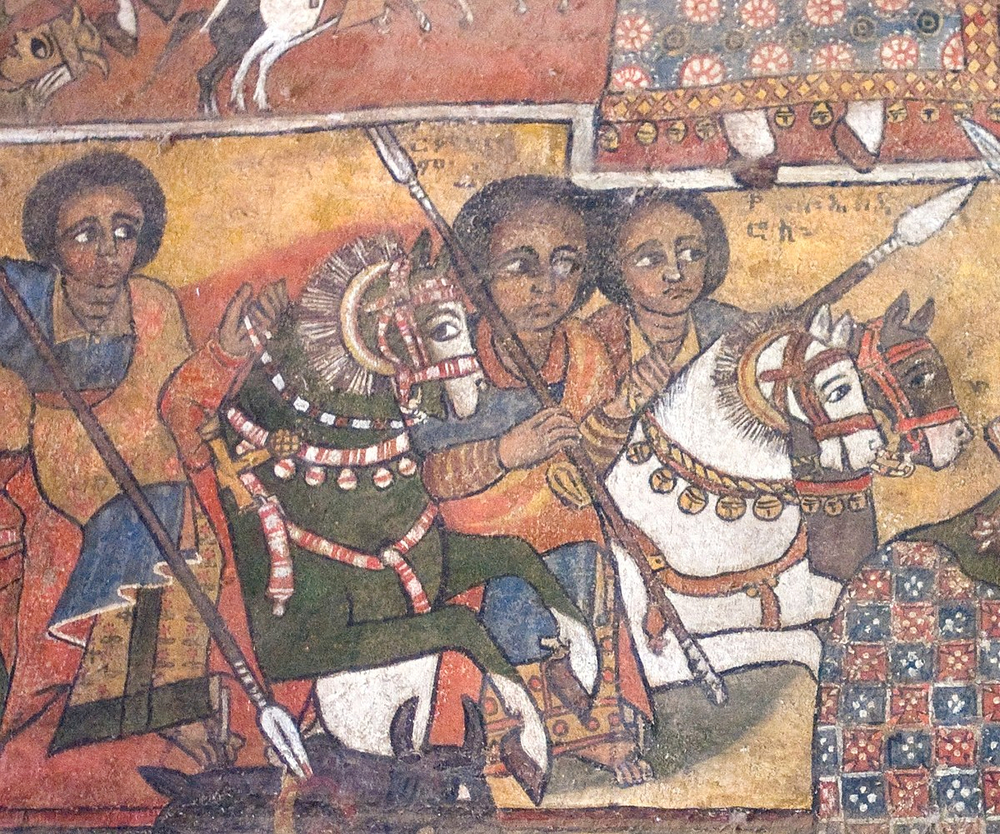
Emperor Amda Seyon I's ascension marked a pivotal moment in Ethiopian history. His reign ushered in a period of territorial expansion and the consolidation of the Ethiopian Empire. Amda Seyon I's rule was characterized by military campaigns that extended the empire's borders, bringing regions like Damot, Gojjam, and the eastern territories under Ethiopian control. This expansion solidified Ethiopia's position as a regional power.
Under Amda Seyon I, the empire experienced a period of internal stability and economic growth. The emperor implemented administrative reforms, strengthened central authority, and promoted Christianity, which played a significant role in the empire's cohesion.
Amda Seyon I's military successes and political reforms had lasting effects on Ethiopia, shaping its boundaries and governance for years to come. His legacy as a strong and effective ruler has endured in Ethiopian history.
#EmperorAmdaSeyonI #EthiopianEmpire #Expansion #Consolidation #MilitaryCampaigns #AdministrativeReforms #Christianity #RegionalPower
View details1268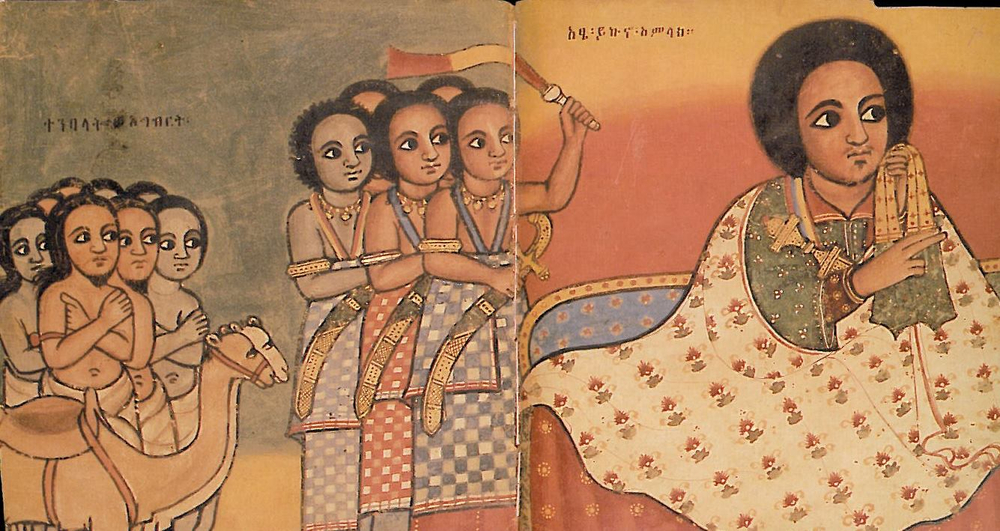
After the overthrow of the Zagwe dynasty, Yekuno Amlak established the Solomonic dynasty, marking a pivotal moment in Ethiopian history. This event shifted the country's leadership, bringing a new era of governance under the Solomonic lineage. Yekuno Amlak's reign was characterized by efforts to consolidate power, strengthen central authority, and promote stability within the region.
The transition from the Zagwe dynasty to the Solomonic dynasty led to significant political and social changes in Ethiopia. Yekuno Amlak's rule symbolized a return to traditional leadership rooted in the Solomonic lineage, which held cultural and religious significance for the Ethiopian people. This shift in power structure influenced various aspects of Ethiopian society, including governance, religious practices, and cultural norms.
Under Yekuno Amlak's leadership, Ethiopia experienced a period of restoration and consolidation, laying the foundation for future developments within the region. The establishment of the Solomonic dynasty under Yekuno Amlak's reign contributed to a sense of continuity and historical legitimacy that resonated throughout Ethiopian history.
#YekunoAmlak #SolomonicDynasty #EthiopianHistory #PoliticalTransition
View details1180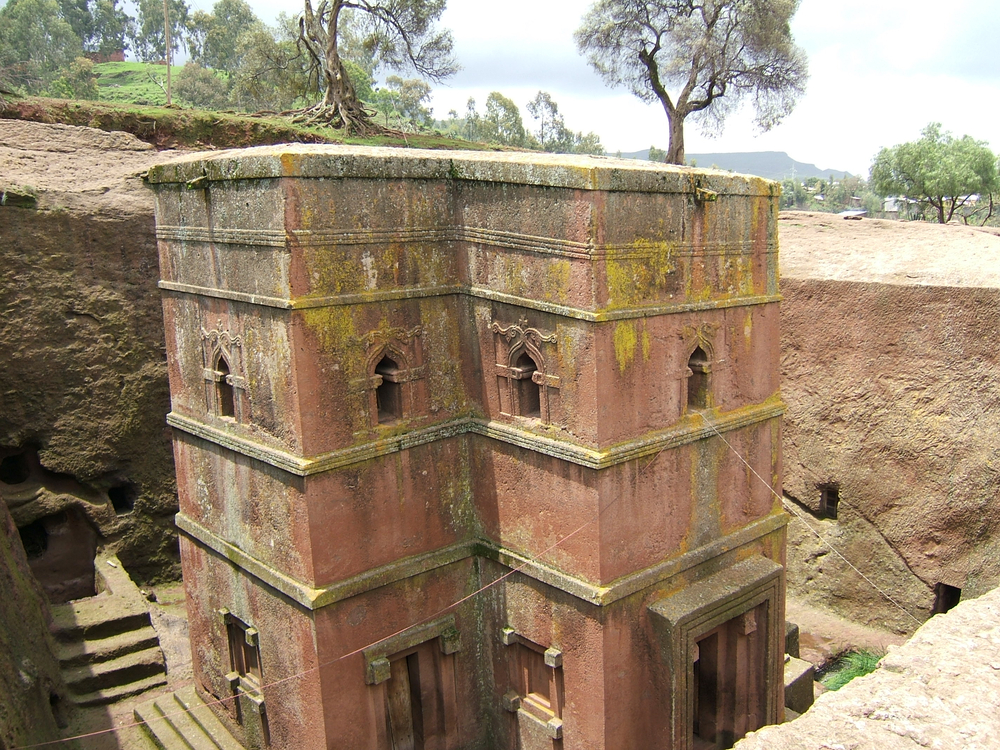
In 1181, the construction of the Monolithic Churches of Lalibela began in Ethiopia, a site classified as a UNESCO World Heritage Site and a central place of worship in Ethiopian Orthodox Christianity. King Lalibela commissioned the creation of these remarkable churches, aiming to establish a new Jerusalem and provide Ethiopian Christians with a place of pilgrimage.
The churches were hand-carved from solid rock, with 11 structures interconnected by tunnels and passages. The unique architectural feat showcases intricate designs and craftsmanship, reflecting the deep religious devotion and engineering prowess of the time. The churches served as centers for religious gatherings, ceremonies, and spiritual reflection, fostering a sense of community among worshippers.
Over the centuries, the Monolithic Churches of Lalibela have become a symbol of Ethiopian cultural and religious identity. Pilgrims continue to flock to Lalibela, seeking inspiration and connection to their faith. The site remains a testament to the enduring heritage and faith of the Ethiopian Orthodox Church.
#MonolithicChurches #Lalibela #UNESCOHeritage #EthiopianChristianity #CulturalIdentity.
View details1136
Mara Takla Haymanot, a nobleman from the Agaw people, rose to power in northern Ethiopia, founding the Zagwe Dynasty. This marked a shift in the country's rulership, previously dominated by the Solomonic dynasty. The Zagwe Dynasty's capital was established in Roha, known today as Lalibela, where impressive rock-hewn churches were constructed under their rule.
Mara Takla Haymanot's leadership brought stability and prosperity to the region, fostering cultural and religious growth. The dynasty's reign saw the flourishing of art, architecture, and Christianity, with a particular emphasis on monasticism.
The Zagwe Dynasty's most enduring legacy lies in the rock-cut churches of Lalibela, considered a UNESCO World Heritage Site. These churches, carved out of solid rock in intricate designs, showcase the advanced architectural and engineering skills of the time.
The founding of the Zagwe Dynasty by Mara Takla Haymanot had a lasting impact on Ethiopian history, shaping the country's political landscape and cultural heritage for centuries to come. Their rule is remembered as a period of innovation and artistic achievement, leaving a profound mark on Ethiopia's identity and religious traditions.
#ZagweDynasty #MaraTaklaHaymanot #EthiopianHistory #Lalibela #CulturalLegacy
View details1057
In 1058, the Reign of Emperor Yemrehana Krestos marked the beginning of the Zagwe Dynasty in Ethiopia. This pivotal moment in history saw the transition of power to the new dynasty that would rule over Ethiopia for several centuries. Emperor Yemrehana Krestos's ascension to the throne brought about political stability and cultural developments, shaping the nation's identity.
Under the Zagwe Dynasty, Ethiopia experienced significant architectural achievements, including the construction of iconic churches such as the rock-hewn churches of Lalibela, showcasing the dynasty's rich cultural and religious heritage. The dynasty also fostered trade and diplomatic relations with neighboring regions, contributing to Ethiopia's economic growth and strategic influence in the region.
Emperor Yemrehana Krestos's reign laid the foundation for a period of prosperity and innovation, leaving a lasting legacy that continues to influence Ethiopia's history and cultural landscape to this day. The Zagwe Dynasty's contributions to art, architecture, and religious practices remain integral to Ethiopia's national identity, reflecting a blend of tradition and innovation that defines the country's heritage.
#EmperorYemrehanaKrestos #ZagweDynasty #EthiopianHistory #CulturalHeritage #ArchitecturalAchievements
View details0959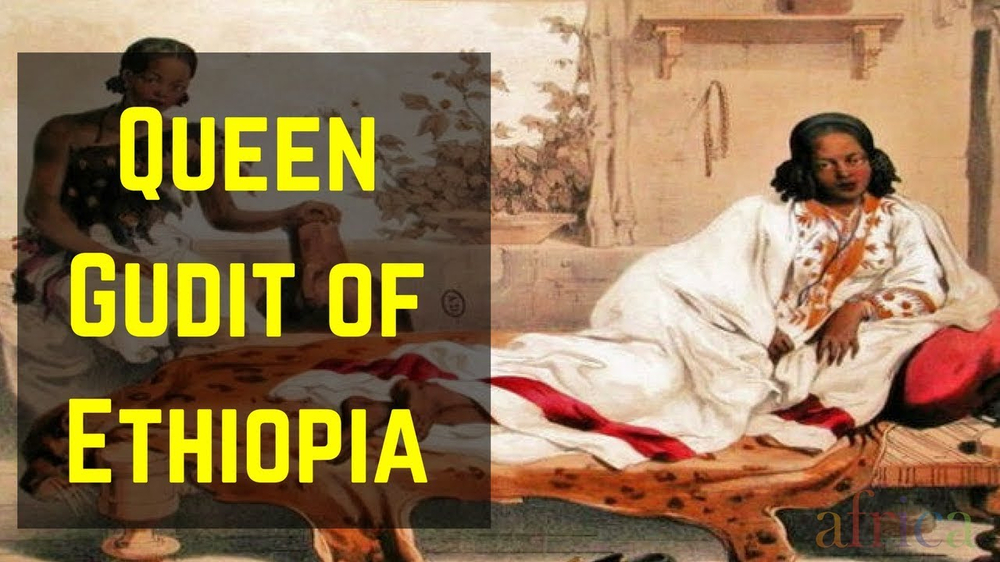
Queen Yodit, also known as Gudit, played a pivotal role in history when she led the destruction of the Aksumite Empire. This significant event marked a turning point in the region, as the once powerful empire ultimately fell into decline and fragmentation.
Queen Yodit's motives for attacking the Aksumite Empire remain unclear, but her military prowess and strategic leadership were undeniable. With a fierce army at her command, she launched a series of successful campaigns that devastated the empire's territories, leading to its eventual downfall.
The impact of Queen Yodit's actions reverberated throughout the region for years to come. The destruction of the Aksumite Empire left a power vacuum that resulted in political instability and conflict among various factions vying for control. This period of decline and fragmentation had long-lasting consequences on the political landscape of the region.
Queen Yodit's legacy as a formidable warrior queen who brought about the end of an era is remembered in Ethiopian history. Her daring exploits and the fall of the Aksumite Empire continue to be studied and debated by historians and scholars.
#QueenYodit #AksumiteEmpire #EthiopianHistory #DeclineAndFragmentation
View details0518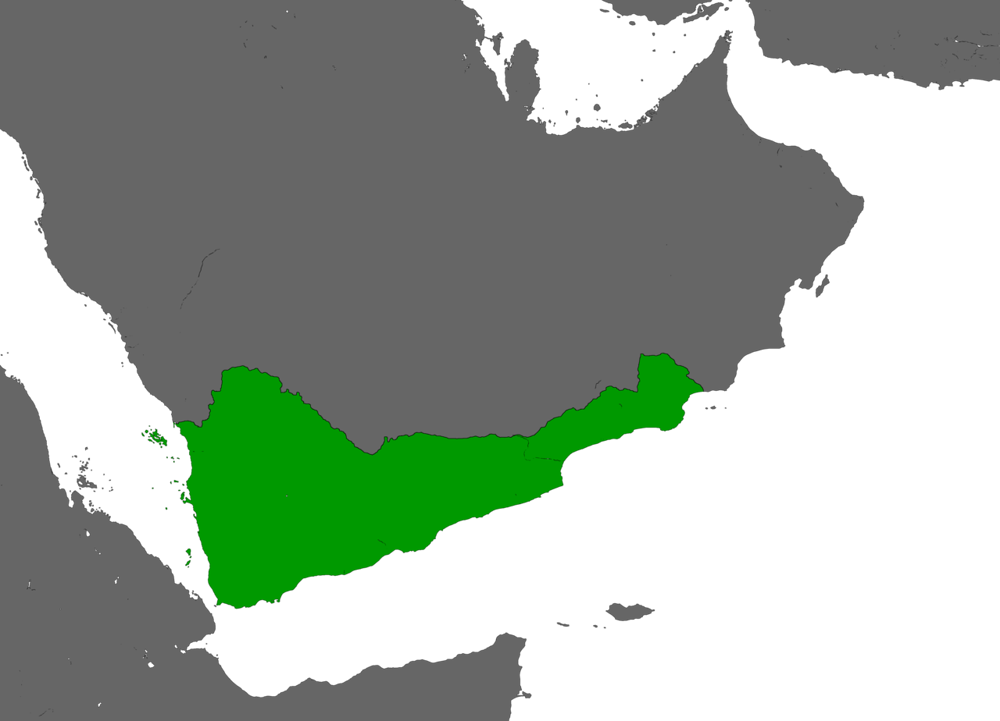
King Kaleb of Aksum, a powerful kingdom located in modern-day Ethiopia, launched a military campaign into the Himyarite Kingdom in present-day Yemen. The invasion led to the establishment of Aksumite control over the region, expanding their influence and territory. This expansion allowed Aksum to gain access to valuable trade routes and resources, enhancing their economic and political power in the region.
The invasion had a significant impact on the political landscape of the area, as King Kaleb imposed Aksumite authority over the Himyarite Kingdom. This move strengthened Aksum's position as a dominant force in the Red Sea trade network, further solidifying their control over key trading routes.
The clash between Aksum and the Himyarites resulted in a shift of power dynamics in the region, with Aksum emerging as a major player in the Arabian Peninsula. The successful invasion marked a turning point in Aksumite history, showcasing their military prowess and ability to expand their influence beyond the borders of their own kingdom.
#KingKaleb #AksumiteControl #EthiopianExpansion #RedSeaTrade #RegionalPower
View details0319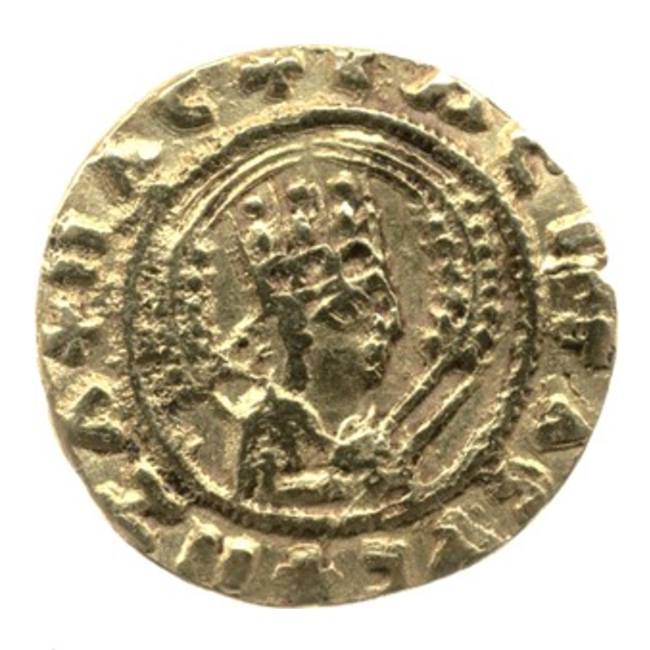
In the early 4th century, King Ezana of Aksum made a pivotal decision to adopt Christianity as the state religion, marking a significant shift in the religious landscape of the region. This move positioned Aksum as one of the earliest Christian civilizations in the world.
The Kingdom of Aksum, located in present-day Ethiopia, had been a major trading power in the region, known for its wealth and strategic location. The conversion to Christianity under King Ezana not only had religious implications but also influenced the kingdom's cultural, political, and economic dynamics.
The adoption of Christianity introduced a new set of beliefs and practices to the people of Aksum, replacing older religions like paganism. Churches were built, and Christian rituals became an integral part of daily life. This shift also established strong ties with the Byzantine Empire and other Christian regions, facilitating trade and cultural exchanges.
The impact of King Ezana's decision reverberated beyond religious spheres, shaping the identity of Aksum as a Christian kingdom and influencing its interactions with neighboring states. The legacy of this early embrace of Christianity continues to be felt in present-day Ethiopia, where Christianity remains a prevalent faith among the population.
#KingEzana #Aksum #EthiopianChristianity #ReligiousTransformation
View details0150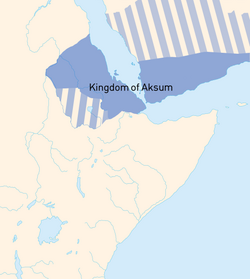
In the ancient lands of the Horn of Africa, the Kingdom of Aksum emerged, laying the foundation for a civilization that would wield significant influence in the region. This pivotal moment marked the beginning of an era characterized by impressive advancements in trade, language, architecture, and religion, making Aksum a dominant force in the Red Sea and Indian Ocean trade routes.
As the Aksumite civilization flourished, innovative agricultural techniques allowed for the cultivation of crops such as millet and barley, enabling population growth and economic prosperity. The Aksumites developed their own written language, Ge'ez, which contributed to the creation of one of the first written alphabets in Africa.
The kingdom's strategic location facilitated trade with diverse cultures, leading to the introduction of Christianity in the 4th century. The adoption of this religion played a pivotal role in shaping the identity of the Aksumite people and solidified their ties with the Byzantine Empire.
The Aksumites' legacy endures through iconic monuments like the obelisks of Aksum, symbols of their advanced engineering and architectural prowess. These impressive structures stand as a testament to the Kingdom of Aksum's enduring impact on Ethiopian history and culture.
#KingdomOfAksum #InfluentialCivilization #TradeHub #Ge'ezLanguage #ChristianityInAfrica #ObelisksOfAksum #EthiopianHeritage
View details