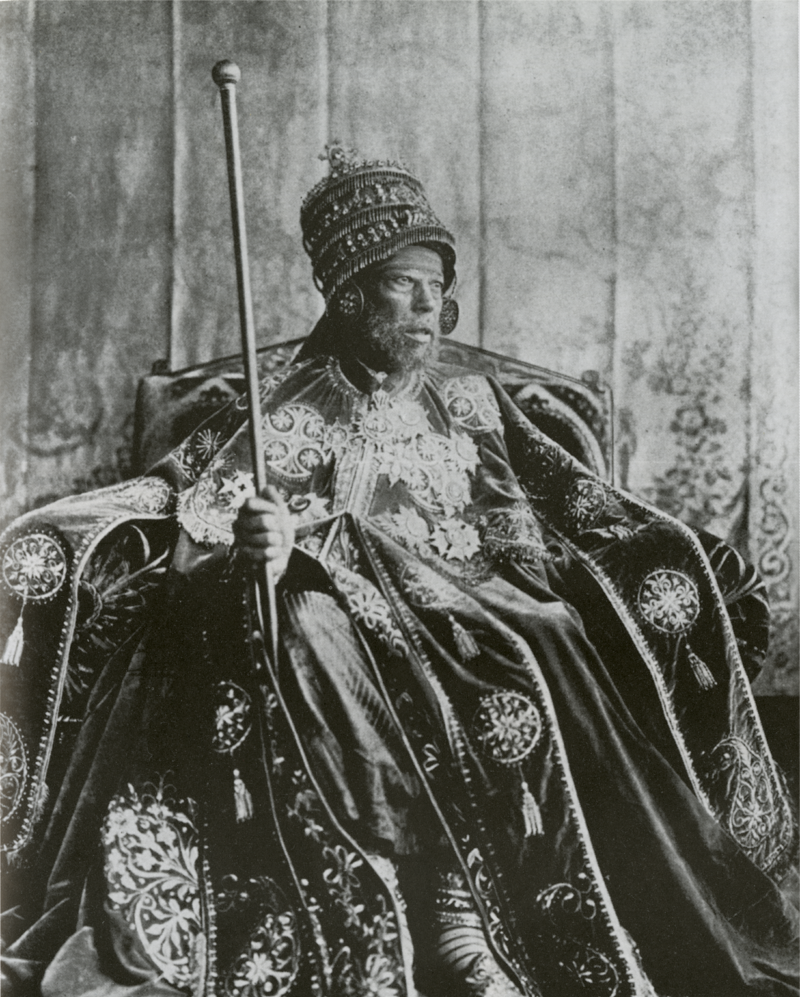
Significance of Treaty of Wichale recognizing Menelik II as Emperor and creating Italian Eritrea.
Ethiopia

Political
3 min read
Updated By: History Editorial Network (HEN)
Published:
In early May, the Treaty of Wichale was signed, delineating Italian Eritrea and acknowledging Menelik II as Emperor of Ethiopia. Following threats of Italian invasion, Menelik II strategically leveraged diplomacy to safeguard Ethiopian sovereignty. The treaty's provisions were initially misrepresented in different language versions, leading to conflict over its validity.
The Ethiopian version granted Menelik II autonomy in foreign affairs, while the Italian version asserted colonial control. Disputes over the agreement erupted when Italy sought to impose authority over Ethiopia, disregarding Menelik II's power. The misinterpretation spurred the Battle of Adwa, where Ethiopian forces resoundingly defeated the Italians, solidifying Ethiopian independence and demarcating the treaty's balance.
The Treaty of Wichale's legacy is entrenched in Ethiopia's history, symbolizing the nation's resilience against external dominance. Menelik II's astute negotiation secured Ethiopia's territorial integrity and preserved its status as one of Africa's few uncolonized regions. The treaty's ramifications reverberated across Africa, inspiring anti-colonial sentiment and promoting pan-African solidarity.
#TreatyofWichale #MenelikII #EthiopianIndependence #ItalianEritrea #BattleofAdwa #PanAfricanSolidarity
Primary Reference
Treaty of Wichale | Abyssinia, Menelik II, Italy | Britannica

Explore the Life Moments of
 AI Twin