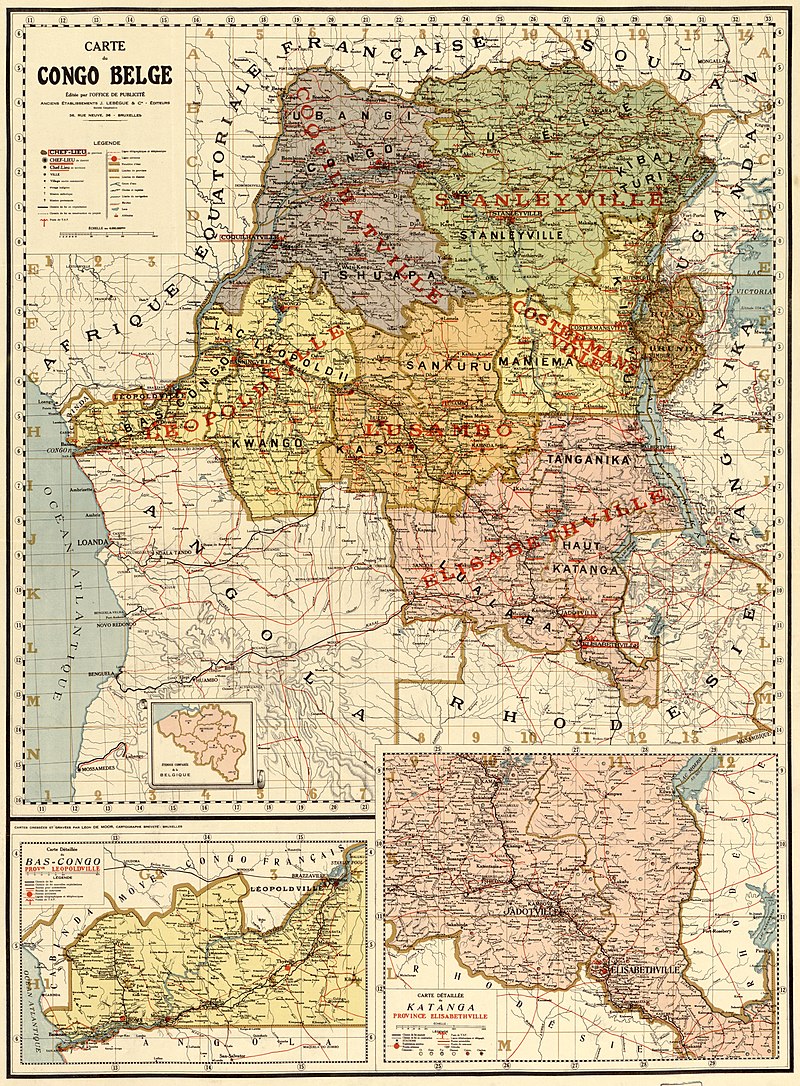
Congo Free State transitioned to the Belgian Congo
Democratic Republic of the Congo
Colonialism
Congo Free State
3 min read
Updated By: History Editorial Network (HEN)
Published:
Updated:
On 15 November 1908, the Congo Free State transitioned to the Belgian Congo, marking a significant shift in the governance of the region. This transition was largely a response to international pressure and widespread condemnation of the atrocities committed under King Leopold II's rule, which had resulted in severe human rights violations and exploitation of the Congolese people. The Belgian government assumed control with the intention of implementing a more humane and structured administration. While there were notable improvements in infrastructure and public services during this period, the colonial administration continued to exploit the rich resources of the Congo and maintained strict control over the local population. The legacy of forced labor, economic exploitation, and social inequality established during this era has had lasting effects, contributing to the complex challenges faced by the Democratic Republic of the Congo in its post-independence era. The transition to Belgian rule did not erase the deep scars left by previous governance, and the repercussions of colonial exploitation are still felt today.

Explore the Life Moments of
 AI Twin