
Central African Republic

The Heart of Africa.
Related Lives

President of the Italian Republic
Head of State

Niger
Land of the Sahel

Germany
The Land of Ideas

Ancient Japan
Land Steeped in Myth and Tradition

Arkansas
The Natural State

Argentina
Land of the Tango

Luxembourg
The Gibraltar of the North

Haiti
The Resilient Spirit of Haiti

1901
In 1901, Socatel was established in the Central African Republic, marking a pivotal moment in the country's telecommunications sector. This company aimed to provide reliable and efficient communication services to meet the growing needs of the population.
Socatel's inception brought forth a new era of connectivity, allowing people to communicate over long distances and facilitating the exchange of information at a faster pace. As the first telecommunications company in the region, Socatel played a crucial role in bridging communication gaps and promoting socio-economic development.
With the establishment of Socatel, Central Africans were able to access a range of telecommunication services, including telephone lines, telegraph services, and later on, internet connectivity. This infrastructure expansion significantly contributed to the overall progress of the country, enhancing business opportunities, education, and healthcare services.
Today, Socatel remains a key player in the telecommunications industry of the Central African Republic, continuously adapting to technological advancements to better serve the communication needs of the population. The legacy of Socatel endures as a testament to the power of connectivity in driving societal growth and development.
#Socatel #Telecommunications #CentralAfricanRepublic #Connectivity #Development #Communication
View details1888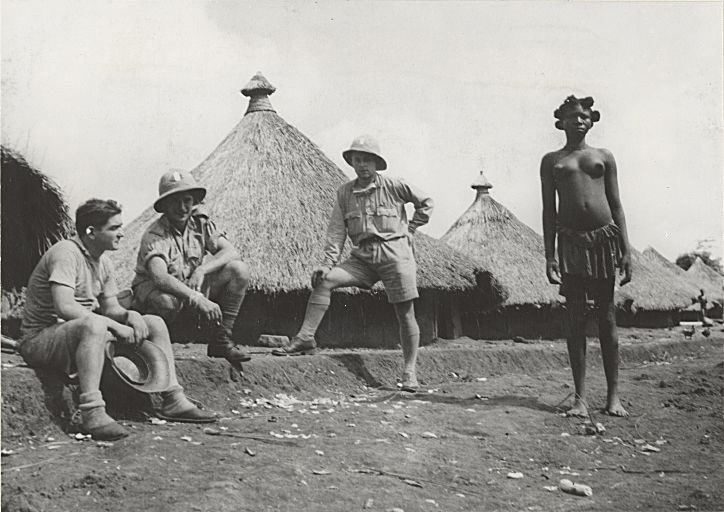
During this event, the French declared the territory of Oubangui-Chari in Central Africa. The region was strategically important for the French due to its resources and access to trade routes. By creating this territory, the French aimed to consolidate their colonial presence in the region and expand their influence.
The creation of Oubangui-Chari had a significant impact on the local population. The indigenous communities faced forced labor, exploitation of resources, and cultural suppression under French colonial rule. The boundaries drawn by the French divided ethnic groups and disrupted traditional ways of life.
The establishment of the territory of Oubangui-Chari paved the way for further French colonization and exploitation of resources in Central Africa. It fueled resistance movements and uprisings against colonial rule, ultimately shaping the political and social landscape of the region.
The legacy of the creation of Oubangui-Chari continues to influence the Central African Republic's development and identity. It highlights the lasting impact of colonialism on the region's history and its ongoing efforts to address the legacies of exploitation and division.
#Colonialism #CentralAfrica #ResistanceMovements
View details1869
In the 1870s, Islam found its way into the Central African region, beginning to influence the cultural and religious landscape. This introduction of Islam brought new perspectives on faith and traditions to the locals, leading to a shift in religious practices and beliefs. As Islamic teachings spread, mosques were established, becoming centers of worship and learning for the community.
The impact of Islam in the Central African region was profound, creating a blend of traditional beliefs with Islamic principles. This fusion gave rise to a unique cultural identity that continues to shape the region to this day. The introduction of Islam also brought about connections with Muslim communities in neighboring regions, fostering trade and cultural exchange.
This event marked a significant shift in the religious dynamics of the Central African Republic, showcasing the region's openness to embracing diverse faiths. As Islam took root in the area, it became a symbol of unity and tolerance among people of different backgrounds and beliefs. Today, the legacy of Islam's introduction in the Central African region can be seen in the widespread presence of mosques and the integration of Islamic traditions in local practices.
#IslamInfluence #CulturalBlend #ReligiousShift #ToleranceUnity
View details1830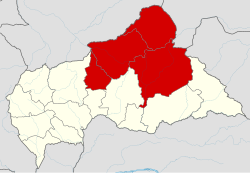
In 1830, the Sultanate of Dar al-Kuti was established in Central Africa, ushering in a new era for the region. The Sultanate was founded by an alliance of local leaders, aiming to create a unified administration and protect their territories from external threats. This marked a significant shift in power dynamics, consolidating authority under the Sultan's rule.
Under the leadership of the Sultan, Dar al-Kuti experienced stability and economic growth. Trade routes were expanded, fostering commerce with neighboring regions. The Sultanate's strategic location enabled it to control key trade routes, enhancing its influence in the area. The establishment of Dar al-Kuti brought about improved infrastructure, including the construction of mosques and schools, promoting cultural and intellectual development.
The Sultanate of Dar al-Kuti played a crucial role in shaping the political landscape of Central Africa, uniting diverse ethnic groups under a common leadership. This unity strengthened the region against external threats and internal conflicts, fostering peace and cooperation among different communities.
The legacy of the Sultanate of Dar al-Kuti endures in the cultural heritage of Central Africa, reflecting a period of political consolidation and economic prosperity. This pivotal moment in history underscores the significance of unity and leadership in shaping the destinies of nations. #SultanateOfDarAlKuti #CentralAfricaUnity #CulturalHeritage
View details1800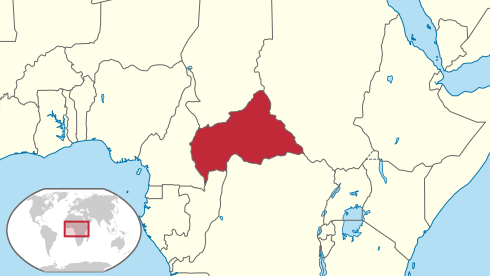
In the 1800s, the Zande people in the Central African Republic witnessed the rise of their kingdom. Led by a charismatic leader, the Zande Kingdom expanded its territory through strategic alliances and military conquests. The Zande people, known for their warrior culture, successfully defended their lands against rival groups, solidifying their dominance in the region.
The rise of the Zande Kingdom had a lasting impact on the political landscape of Central Africa. It brought stability and prosperity to the region, as the Zande established trade routes and fostered economic growth. The kingdom also facilitated cultural exchange and the spread of their traditions and beliefs.
With their centralized authority and organized military, the Zande Kingdom became a formidable power in Central Africa. Their well-structured society and efficient governance allowed for the development of infrastructure and the promotion of arts and craftsmanship.
Overall, the rise of the Zande Kingdom in the 1800s marked a significant chapter in the history of the Central African Republic, shaping the region for generations to come. #ZandeKingdom #CentralAfrica #WarriorCulture
View details1799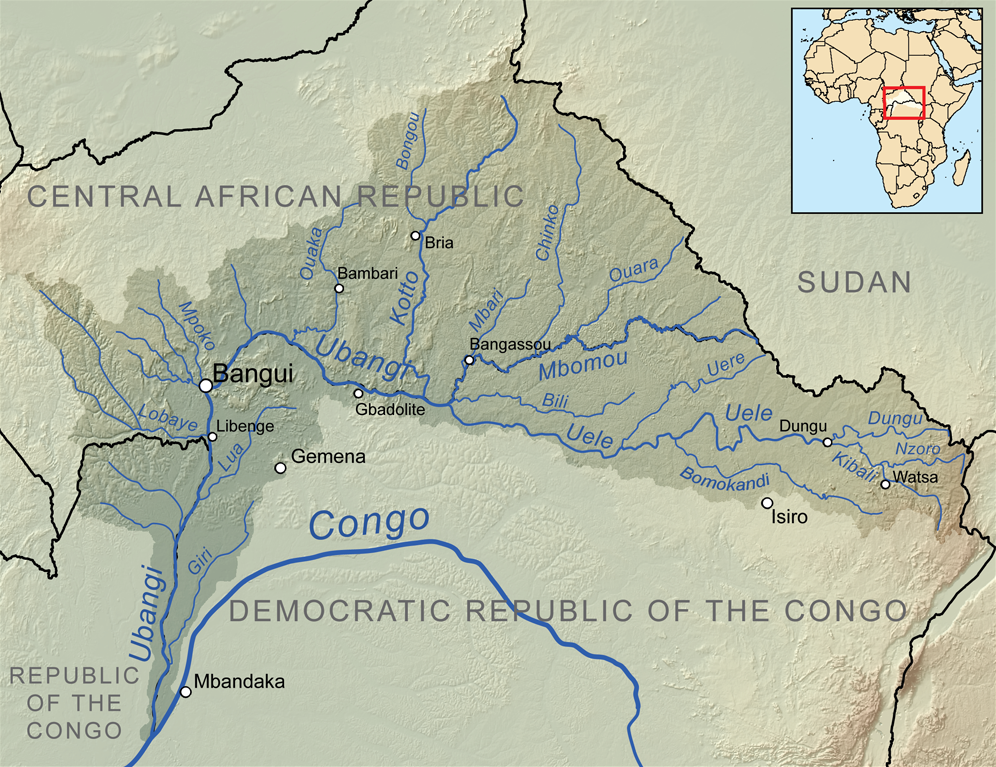
In the early 1800s, the Ubangi River was a bustling hub of trade in Central Africa. Merchants from various tribes along the river would gather to exchange a variety of goods, including ivory, salt, palm oil, and slaves. This flourishing trade network brought prosperity to the communities along the river, fueling economic growth and cultural exchange.
The Ubangi River served as a vital lifeline for the region, connecting villages and towns and facilitating the flow of goods and people. Local craftsmen produced intricate pottery and textiles, which were highly sought after in trade. This trade network also helped to strengthen diplomatic ties between different tribes and fostered a sense of unity among the diverse communities living along the river.
As trade continued to flourish along the Ubangi River, the region saw an influx of wealth and resources, leading to the development of thriving marketplaces and bustling towns. The exchange of goods and ideas enriched the cultural landscape of the area, with traditions and practices blending and evolving over time.
Overall, the flourishing trade along the Ubangi River in 1800 was a pivotal moment in Central African history, shaping the economic, social, and cultural fabric of the region for generations to come. #UbangiRiverTrade #CentralAfricanProsperity #CulturalExchange.
View details1723
During this time, the Central African Republic experienced a series of attacks by the Fulani Jihad, a Muslim ethnic group from the Sahel region. The Fulani Jihad sought to spread Islamic influence through violent means, targeting villages and settlements in the region. The attacks led to widespread destruction of property, displacement of communities, and loss of lives among the local population.
The impact of these attacks was deeply felt across the affected areas, as the Fulani Jihad carried out raids with brutal efficiency, using guerrilla warfare tactics to overwhelm local defenses. The communities that were targeted struggled to defend themselves against the well-organized and heavily armed assailants, resulting in a sense of fear and uncertainty prevailing in the region.
The attacks by the Fulani Jihad not only caused immediate harm to the local population but also left a lasting impact on the social fabric of the Central African Republic. The violence and destruction perpetuated a cycle of instability and conflict, further exacerbating existing tensions and grievances within the region.
In the aftermath of the attacks, efforts were made to restore peace and security in the affected areas, but the scars of the Fulani Jihad's onslaught continued to linger, reminding the people of the Central African Republic of the need for unity and resilience in the face of external threats. #FulaniJihad #CentralAfricanRepublic #Conflict #IslamicInfluence
View details1650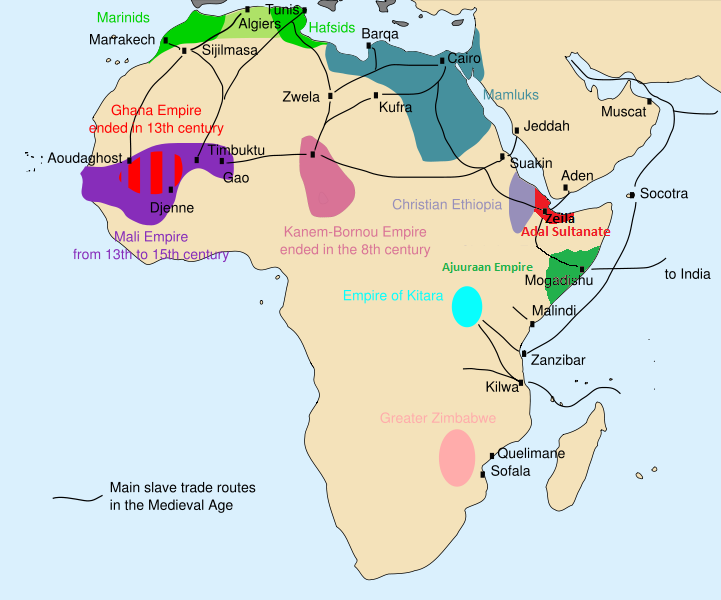
During this period, the Central African Republic witnessed a surge in slave trade activities within the region. Traders from Europe and Arab countries intensified their efforts to capture and sell individuals into slavery. The demand for labor in plantations and mines drove the increase in slave raids and trading expeditions.
The impact of the heightened slave trade was devastating for communities in the region. Families were torn apart, cultures were disrupted, and societies were destabilized. The economy became increasingly dependent on this inhumane practice, leading to further exploitation of vulnerable populations.
As the demand for slaves grew, conflicts over control of trade routes and territories escalated. This resulted in widespread violence and power struggles among local tribes and foreign traders vying for dominance. The repercussions of these conflicts were felt for generations, contributing to the lasting social and economic challenges faced by the Central African Republic.
The era of increased slave trade activities in the region left a dark legacy that continues to shape the present-day dynamics of the country. It serves as a grim reminder of the human cost of exploitation and colonization, highlighting the enduring effects of historical injustices on contemporary society. #SlaveTrade #CentralAfricanRepublic #Colonialism
View details1499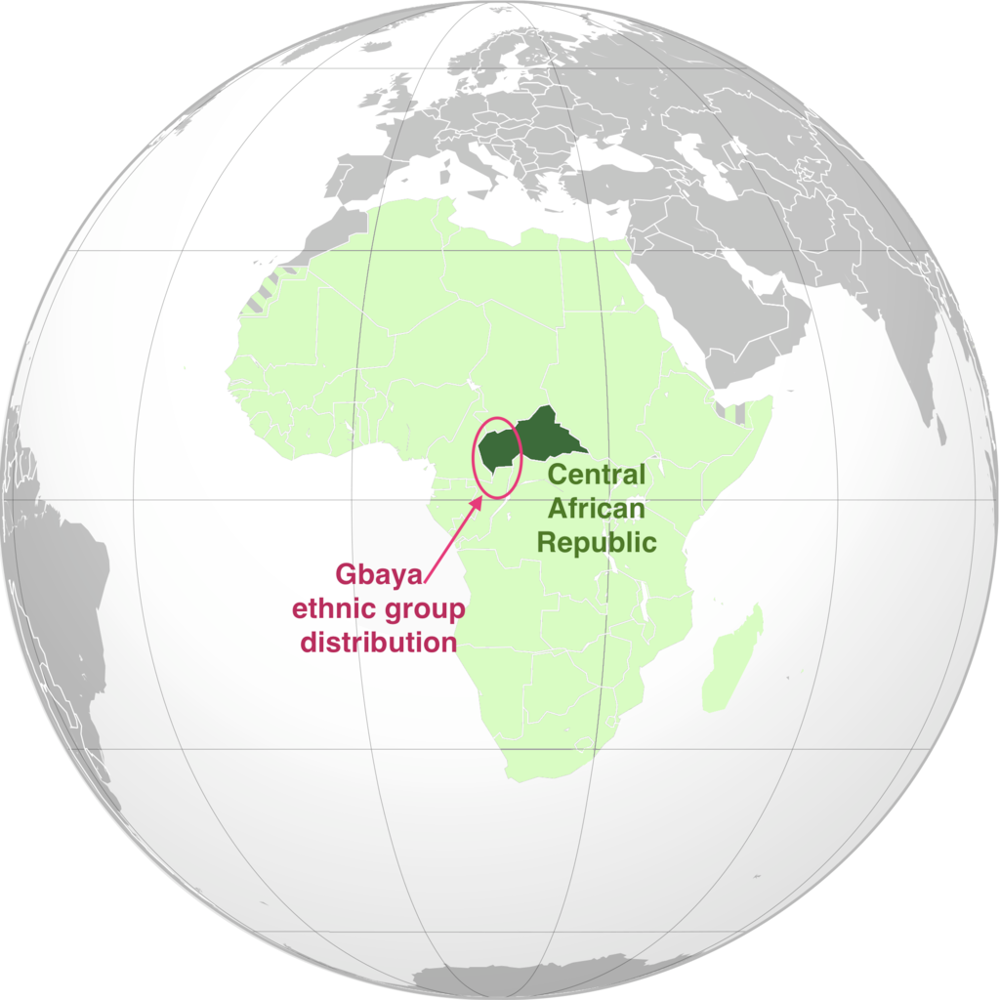
In 1500, the Gbaya Kingdom emerged as a dominant force in the Central African region. The rise of the kingdom was a result of strategic alliances between Gbaya chiefdoms and successful military campaigns against neighboring tribes. With a centralized political structure and a strong military, the Gbaya Kingdom expanded its territory and influenced trade routes, establishing itself as a key player in the region.
The impact of the Gbaya Kingdom's rise was profound, leading to increased stability, economic growth, and cultural exchange in the area. The kingdom's control over trade routes facilitated the exchange of goods and ideas, contributing to the development of thriving markets and artistic endeavors. Additionally, the establishment of a centralized authority brought about improved infrastructure and governance, enhancing the overall quality of life for the kingdom's inhabitants.
Overall, the rise of the Gbaya Kingdom in the region marked a significant shift in power dynamics and cultural interactions, shaping the course of history for centuries to come.
#GbayaKingdom #CentralAfricanRegion #PoliticalPower #CulturalExchange
View details1488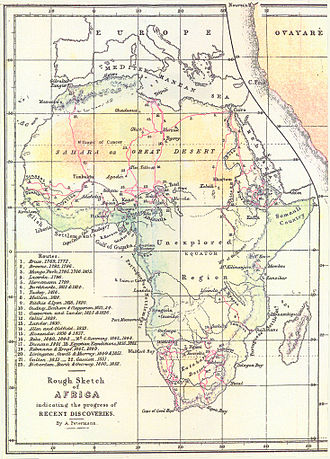
In the late 15th century, European explorers reached the land that is now known as Central African Republic, marking the first contact between Europeans and the indigenous populations of the region. Led by Portuguese explorers, the arrival opened up a new chapter in the history of Central Africa.
The European explorers were met with curiosity and caution by the local communities, who were unfamiliar with their advanced technology and way of life. This encounter would later shape the future of the region, as it paved the way for increased trade, cultural exchange, and eventual colonization.
The explorers brought with them new goods, ideas, and diseases that would have a lasting impact on the indigenous populations. The exchange of goods led to the introduction of new crops and animals to the region, while the spread of diseases had devastating consequences for the local communities.
Overall, the arrival of the first European explorers in Central African Republic marked the beginning of a new era for the region, one that would see significant changes in politics, economy, and culture. It set the stage for centuries of interaction and conflict between European powers and the indigenous populations of Central Africa.
#EuropeanExplorers #CulturalExchange #Colonization #CentralAfricanRepublic
View details1399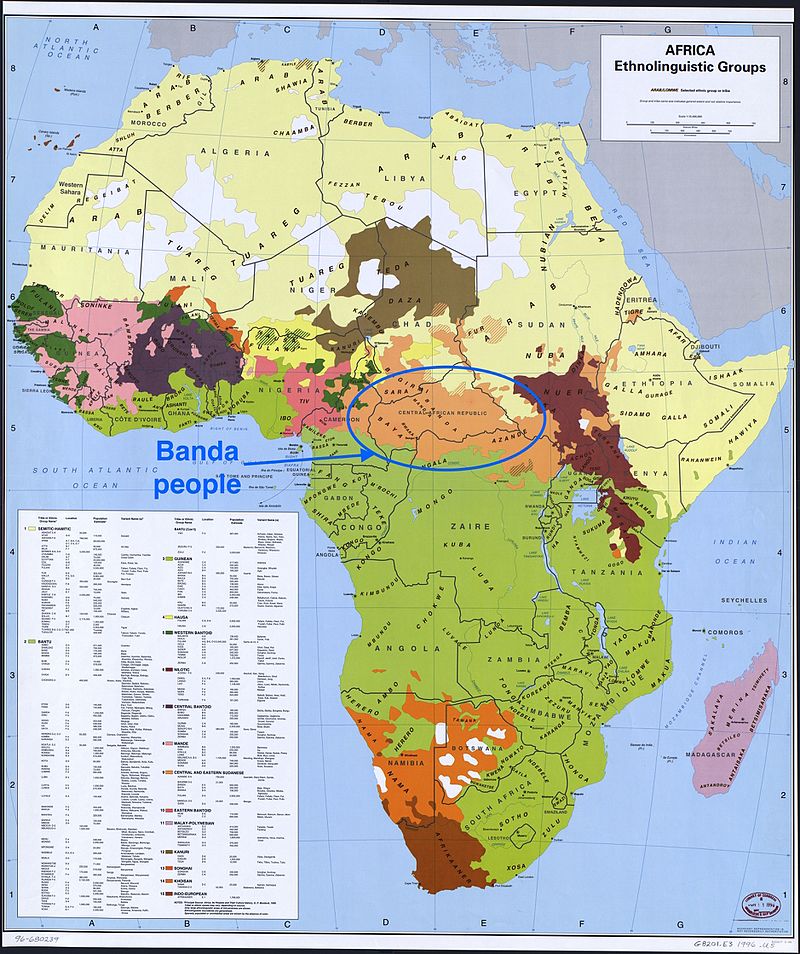
In the heart of present-day Central African Republic, the Banda Kingdom emerged in the 1400s as a powerful political entity. The kingdom thrived through trade, agriculture, and iron production, becoming a significant player in the region.
The Banda Kingdom's development was supported by its strategic location, situated at the crossroads of important trade routes. This allowed the kingdom to engage in lucrative trade with neighboring regions, enriching its economy and fostering a sense of cultural exchange.
One of the most notable impacts of the Banda Kingdom's rise was the spread of its influence over nearby communities and territories. The kingdom's sophisticated governance structure and military strength allowed it to expand its borders, creating a formidable empire that commanded respect and allegiance from its subjects.
The Banda Kingdom's legacy endures through its architectural ruins, artifacts, and oral traditions that illuminate its rich history and cultural achievements. The kingdom's contributions to the socio-political landscape of the region have left a lasting imprint on Central African history.
#BandaKingdom #CentralAfricanRepublic #TradeRoutes #CulturalExchange
View details