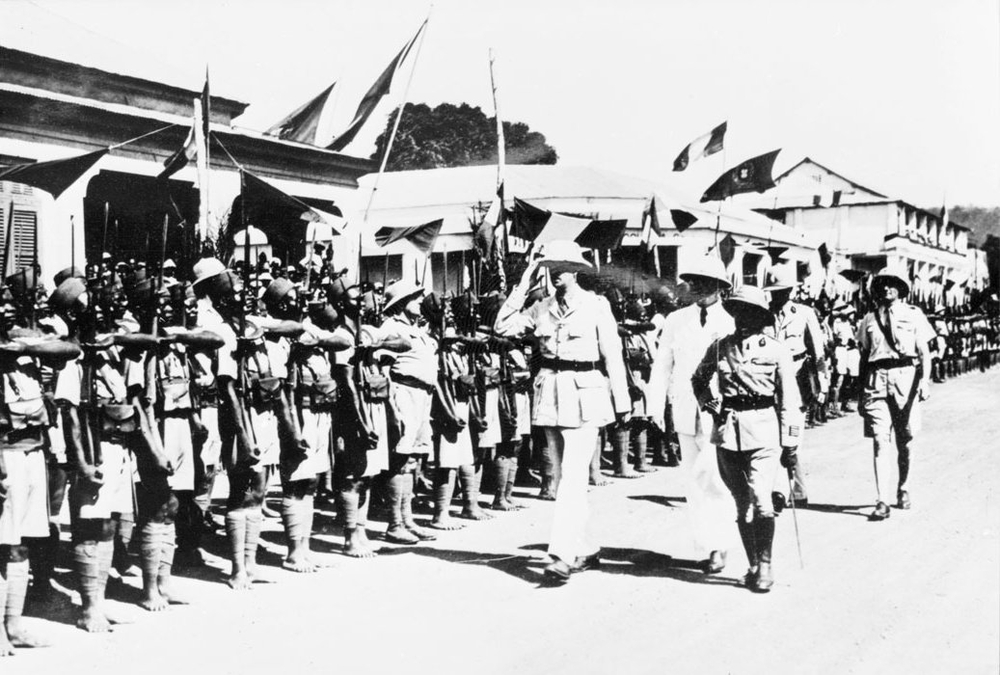
Central African Republic

The Heart of Africa.
Related Lives
President of the Italian Republic
Head of State

Niger
Land of the Sahel

Germany
The Land of Ideas

Ancient Japan
Land Steeped in Myth and Tradition

Poland
The Land of a Thousand Lakes
Azerbaijan
The Land of Fire

Portugal
The Land of Explorers

Sweden
The Land of the Midnight Sun

2003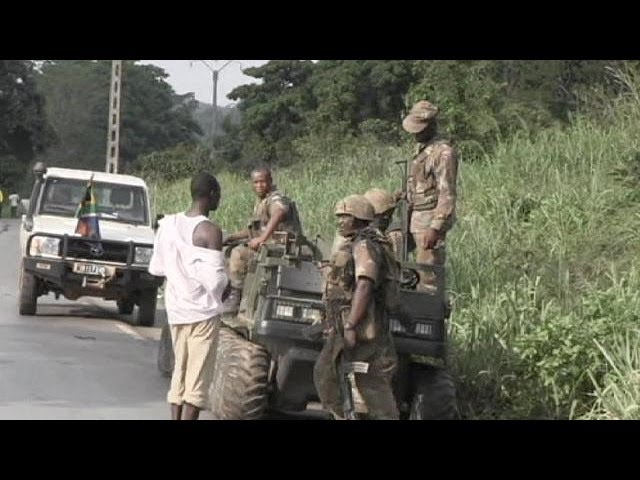
Rebel leader Francois Bozize seized control of Bangui, the capital of the Central African Republic. He declared himself as the new president, marking a turning point in the political landscape of the country. Bozize dissolved the parliament, consolidating power in his hands and sparking significant changes in the government structure.
The event was a culmination of longstanding political tensions and instability in the Central African Republic. Bozize, a former general, had been leading a rebel group against then-President Ange-Felix Patasse, accusing the government of corruption and mismanagement. The takeover of Bangui symbolized the end of Patasse's regime and the rise of Bozize to power.
Bozize's seizure of the capital had a profound impact on the country, leading to a period of political transition and uncertainty. The dissolution of the parliament and the establishment of Bozize as the new leader marked a new chapter in the Central African Republic's history, with changes in governance and policies expected to follow.
#CentralAfricanRepublic #RebelLeader #PoliticalUnrest #Bozize #BanguiSeizure
View details2002
Former Defence Minister Jean-Jacques Demafouth stood trial in a Bangui court, facing charges linked to the coup attempt of May 2001. Demafouth, once a prominent figure in the government, was believed to have played a key role in the failed coup that aimed to overthrow the then-President.
The court proceedings garnered significant attention both domestically and internationally, as they highlighted the political instability and power struggles prevalent in the Central African Republic. Demafouth's appearance in court marked a rare instance of a high-ranking official being held accountable for their alleged involvement in a coup attempt.
The outcome of the trial was closely watched to gauge the country's commitment to upholding the rule of law and ensuring accountability among its leaders. The event served as a reminder of the challenges facing the Central African Republic in its efforts to establish political stability and strengthen democratic institutions.
#CentralAfricanRepublic #CoupAttempt #JeanJacquesDemafouth #BanguiCourt #PoliticalInstability
View details2001
Former President Andre Kolingba led an unsuccessful coup attempt that resulted in the deaths of at least 59 individuals in the Central African Republic. Kolingba, who had previously ruled the country for over a decade, sought to reclaim power through force.
The coup attempt was met with swift opposition from the government forces, leading to intense fighting in the capital city. The violence resulted in significant casualties among both civilians and military personnel. Despite initial gains, Kolingba's forces were ultimately overwhelmed, leading to the failure of the coup.
The aftermath of the coup attempt left the Central African Republic reeling from the loss of life and instability. The government launched a crackdown on those involved in the coup plot, aiming to prevent further unrest and maintain control over the country.
The failed coup attempt by former President Andre Kolingba underscored the fragility of the political situation in the Central African Republic and the continued power struggles that plagued the nation. It served as a grim reminder of the challenges facing the country as it sought to move towards stability and democracy. #CentralAfricanRepublic #CoupAttempt #Kolingba
View details2000
Civil servants in the Central African Republic staged a general strike over unpaid back-pay, demanding fair compensation for their work. The strike paralyzed government offices and essential services, putting pressure on the authorities to address the issue promptly.
The impact of the strike was widespread, causing disruptions in public administration and affecting the delivery of crucial services to the citizens. The government was forced to engage in negotiations with the striking civil servants in order to find a resolution and restore normalcy.
The strike highlighted the financial challenges faced by civil servants in the Central African Republic and underscored the importance of addressing their grievances to maintain stability and productivity in the public sector. The event served as a reminder of the need to prioritize fair compensation and timely payments for government employees to prevent future disruptions.
#CivilServants #GeneralStrike #BackPay #CentralAfricanRepublic #FairCompensation #PublicSector #Negotiations
View details1998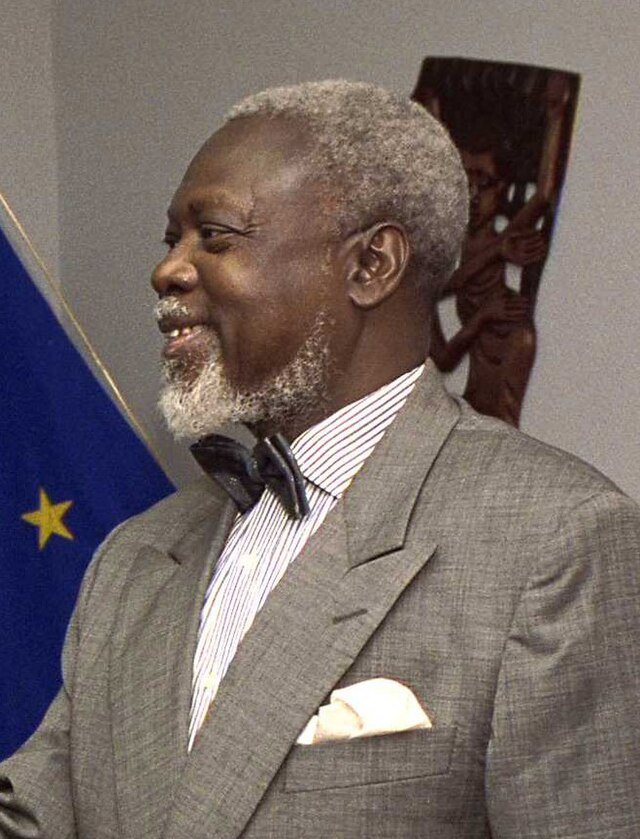
In the election, former President Ange-Félix Patassé was re-elected in the Central African Republic with his closest competitor being former President André Kolingba, who garnered 19% of the vote. Patassé's victory was seen as a continuation of his presidency, marked by periods of political instability and conflict. Kolingba's strong showing reflected his enduring support base despite his previous tenure being marked by authoritarian rule.
Patassé's re-election raised concerns about the country's political future, as his administration struggled with economic challenges and internal unrest. The electoral results highlighted the deep-rooted political divisions within the Central African Republic and underscored the need for reconciliation and unity among its people. Patassé's win signified a desire for continuity among some voters, while Kolingba's significant support indicated a longing for a different leadership approach.
The election outcome revealed the complexities of the political landscape in the Central African Republic and the challenges facing its leadership. It emphasized the importance of addressing the country's long-standing issues of governance, security, and development to ensure a stable and prosperous future.
#CentralAfricanRepublic #ElectionOutcome #PoliticalDivisions
View details1996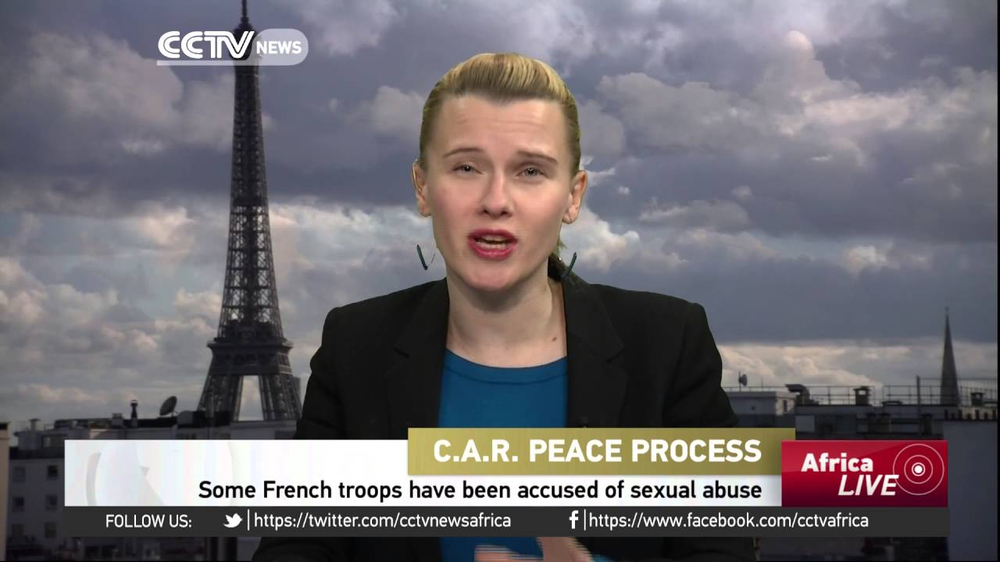
France initiated the gradual withdrawal of its military forces from the Central African Republic, marking a shift in the peacekeeping strategy. The decision saw African peacekeepers taking over the responsibilities previously held by the French troops, aimed at fostering stability and security in the region. This move reflected a transition towards increased regional ownership of peacekeeping efforts and a step towards self-reliance for the Central African Republic.
The withdrawal of French forces and the subsequent deployment of African peacekeepers had a notable impact on the security landscape of the Central African Republic. It signaled a changing dynamic in the international community's approach to peacekeeping and highlighted the importance of regional actors in maintaining stability. The collaboration between France and African peacekeepers showcased a joint commitment to promoting peace and security in the region, emphasizing the collective effort required to address complex security challenges effectively.
The event marked a significant milestone in the peacekeeping efforts within the Central African Republic, signifying a new phase characterized by increased regional involvement and partnership in maintaining peace and security. It underscored the evolving nature of peacekeeping operations and the growing role of African nations in addressing security issues within their continent. #CentralAfricanRepublic #PeacekeepingTransition #RegionalSecurity
View details1995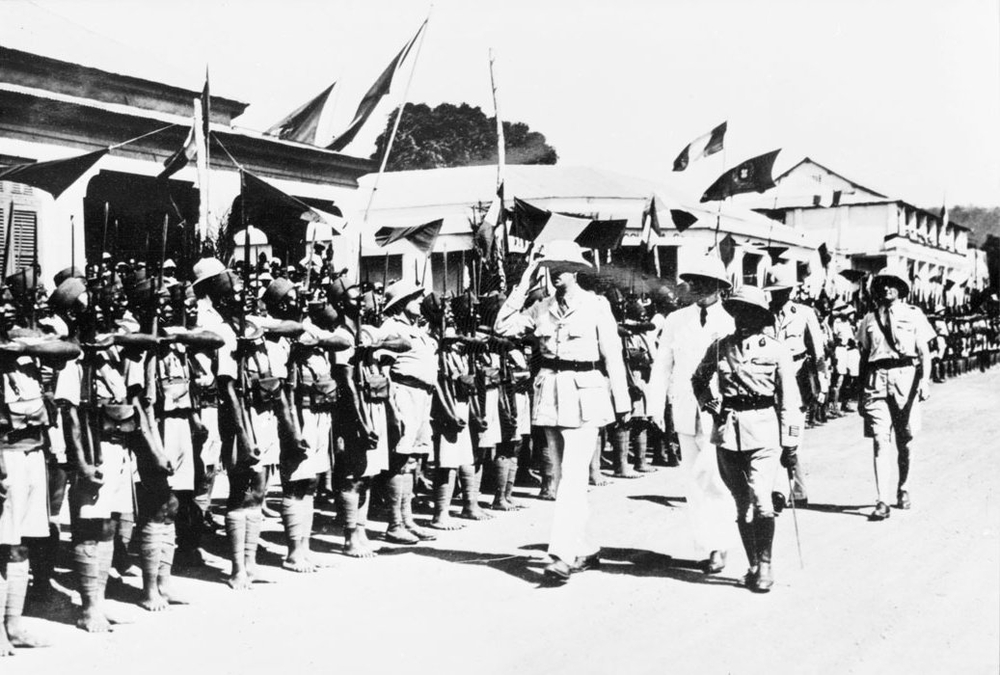
In the capital city of Bangui, soldiers staged a mutiny due to unpaid wages. The soldiers, who had not received their salaries for several months, expressed their frustration through protests and violent demonstrations. The unrest disrupted the already fragile political and social stability in the Central African Republic.
The mutiny had a significant impact, leading to increased insecurity and further instability in the region. The lack of payment to the military not only exacerbated internal tensions but also weakened the government's ability to maintain law and order. The protests highlighted the deep-rooted economic challenges and governance issues facing the country.
As a result of the mutiny, international organizations and foreign governments had to intervene to mediate the situation and prevent further escalation of violence. Efforts were made to address the soldiers' grievances and restore a sense of normalcy in the country.
#CentralAfricanRepublic #SoldiersMutiny #UnpaidWages #Bangui #PoliticalInstability #InternationalIntervention
View details1993
After 12 years of military rule in the Central African Republic, Ange-Felix Patasse emerged victorious in the presidential elections, defeating his rivals Andre Kolingba and David Dacko. Patasse's election marked a significant turning point in the country's political landscape, transitioning from military leadership to a democratically elected government.
Ange-Felix Patasse, a former finance minister and prime minister, ran on a platform of political and economic reform, promising to bring stability and prosperity to the war-torn nation. His victory symbolized a desire for change among the Central African people, who were eager for a new era of governance.
The end of military rule under Patasse's leadership ushered in a period of hope and optimism for the Central African Republic. His election victory represented a step towards democratic consolidation and the restoration of civilian rule in the country.
Patasse's win over Kolingba and Dacko demonstrated the power of democracy and the will of the people to shape their own future. The peaceful transition of power set a precedent for future elections in the Central African Republic, highlighting the importance of free and fair electoral processes in nation-building.
#CentralAfricanRepublic #AngeFelixPatasse #EndOfMilitaryRule #DemocraticTransition
View details1990
In 1990, the Dzanga-Sangha Special Reserve was established in the Central African Republic to safeguard its rich biodiversity. This Reserve covers an area of 4,238 square kilometers, featuring diverse ecosystems ranging from dense rainforests to open savannas.
The main aim of establishing the Reserve was to protect the unique and endangered wildlife species inhabiting the region, including forest elephants, western lowland gorillas, and numerous bird species. The Reserve also serves as a crucial sanctuary for the indigenous BaAka people, who depend on the forest for their livelihoods.
Since its establishment, the Dzanga-Sangha Special Reserve has played a vital role in biodiversity conservation and scientific research. It has become a renowned destination for ecotourism and wildlife enthusiasts, attracting visitors from around the world.
This initiative has not only helped in preserving the biological diversity of the region but has also contributed to the socio-economic development of local communities through tourism and sustainable resource management practices.
#DzangaSangha #BiodiversityProtection #CentralAfricanRepublic #ConservationEfforts #Ecotourism #WildlifePreservation
View detailsIn 1991, in the Central African Republic, a pivotal decision was made to allow the formation of political parties. This move marked a significant shift in the country's political landscape which had previously been dominated by a one-party system.
The decision to allow the formation of political parties opened up avenues for diverse political ideologies and voices to be heard. It provided an opportunity for citizens to engage more actively in the political process, allowing for a more representative and inclusive government.
The impact of this decision was profound, leading to increased political participation, pluralism, and transparency within the Central African Republic. It encouraged the growth of a multi-party system that facilitated greater accountability and checks and balances within the government.
The formation of political parties allowed for a more robust exchange of ideas and policy initiatives, contributing to the development of a more dynamic and democratic political environment in the Central African Republic.
This event marked a transformative moment in the country's political history, setting the stage for a more democratic and participatory system of governance. It underscored the importance of pluralism, representation, and citizen engagement in shaping the future of the nation. #CentralAfricanRepublic #PoliticalParties #Democracy
View details1989
Establishment of Banque Populaire Maroco Centrafricaine (BPMC) played a pivotal role in the economic landscape of the Central African Republic. The bank was founded as a joint venture between Moroccan and Central African interests, with the aim of providing financial services to individuals and businesses in the region.
BPMC quickly became a key player in promoting banking activities, facilitating trade, and supporting economic development in the Central African Republic. By offering a range of banking products and services, the institution contributed to the growth of local businesses and industries.
The establishment of BPMC marked a significant milestone in the financial history of the Central African Republic, providing much-needed access to banking services for the population. The collaboration between Morocco and the Central African Republic also fostered stronger economic ties between the two nations.
Overall, the creation of Banque Populaire Maroco Centrafricaine was a crucial development that significantly impacted the financial sector in the Central African Republic, driving economic growth and prosperity in the region.
#BPMC #CentralAfricanRepublic #EconomicDevelopment #BankingSector #MoroccoRelations
View details1988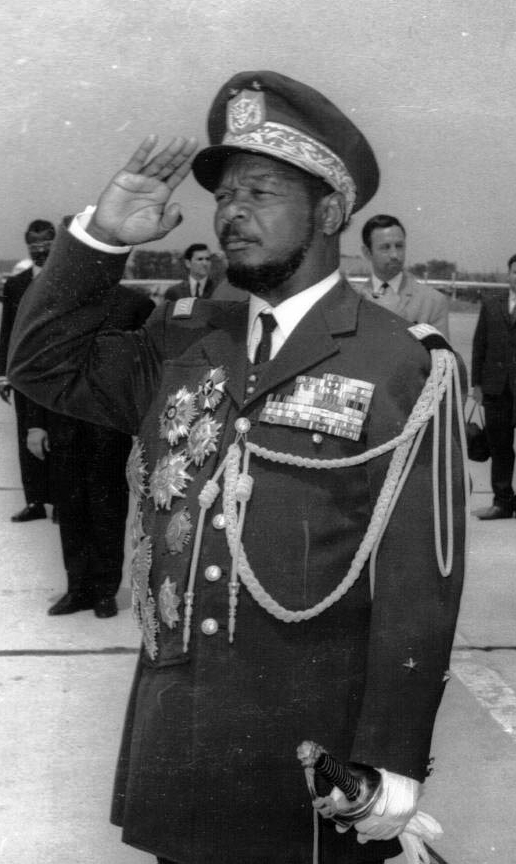
Jean-Bédel Bokassa, the former President of the Central African Republic, was sentenced to death for the charges of murder and embezzlement. However, his sentence was later commuted to life imprisonment. Bokassa's reign was marked by corruption, human rights abuses, and lavish spending, including his self-coronation as an emperor in 1977. His regime was known for its brutality and suppression of dissent.
Following growing international pressure and internal unrest, Bokassa was overthrown in a coup in 1979. He went into exile but returned to the country in 1986, only to be arrested and put on trial for his crimes. The court found him guilty of murder and embezzlement, leading to his initial death sentence. The sentence was eventually reduced to life imprisonment, sparing his life.
The trial and sentencing of Bokassa marked a significant moment in the history of the Central African Republic, reflecting a shift towards accountability for former leaders. It also served as a warning to other authoritarian rulers about the consequences of their actions. Despite his sentence being commuted, Bokassa's legacy of tyranny and corruption continues to impact the country to this day.
#Bokassa #CentralAfricanRepublic #Justice #Accountability
View details1983
During the political unrest in the Central African Republic in 1984, an Amnesty for all political party leaders was declared to foster reconciliation and stability in the nation. This decision aimed to diffuse tensions and promote unity among the various political factions vying for power. The amnesty offered an opportunity for political leaders to return to their communities without fear of retribution or persecution.
The declaration of amnesty had a significant impact on the political landscape of the Central African Republic. It allowed former leaders to reengage in the political process and play a role in shaping the country's future. The amnesty also helped to alleviate the fear and mistrust that had permeated the society during the period of political turmoil.
This event marked a turning point in the nation's history as it paved the way for dialogue, cooperation, and reconciliation among political parties. It signified a commitment to peace-building and national unity, transcending individual political ambitions for the greater good of the country.
#CentralAfricanRepublic #PoliticalReconciliation #AmnestyDeclaration #Unity #Peacebuilding
View details1981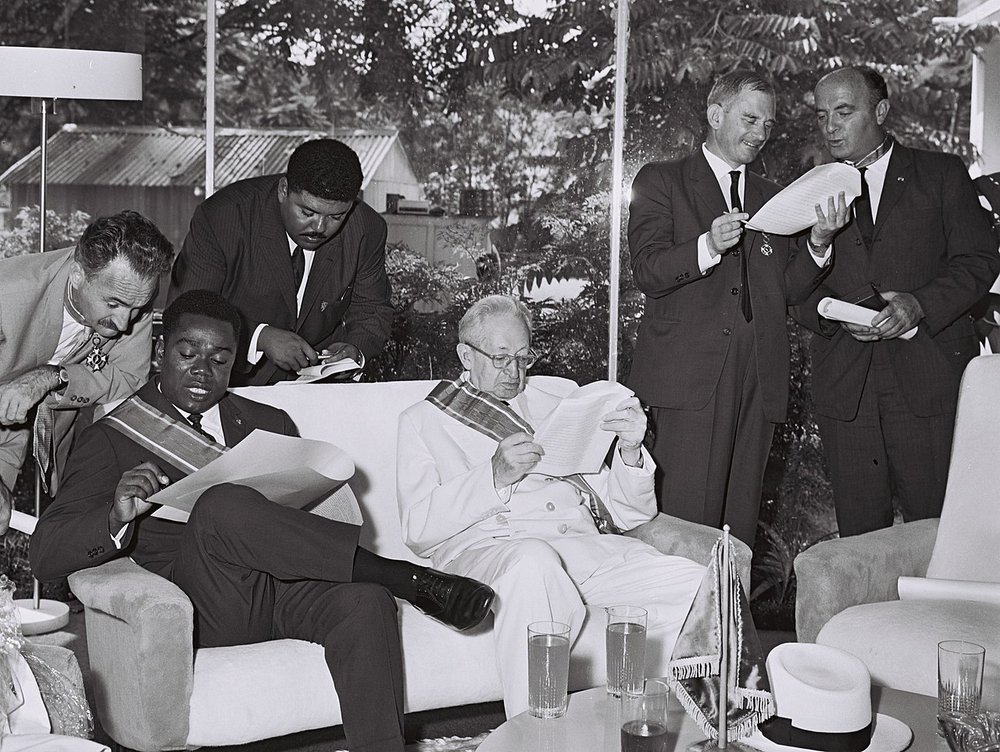
In Sep 1981, the Central African Republic witnessed a significant political upheaval as the army commander, Andre Kolingba, led a coup that deposed President David Dacko. The coup took place amidst growing dissatisfaction with Dacko's leadership, characterized by economic instability and allegations of corruption.
Kolingba's rise to power marked a shift in the country's political landscape, with the military assuming control of the government. Under Kolingba's leadership, the country experienced a period of authoritarian rule, marked by suppression of political opposition and limited civil liberties.
The coup led by Kolingba had far-reaching impacts on the Central African Republic, affecting its governance and international relations. The country's economy faced further challenges due to political instability and lack of effective leadership.
The events surrounding Dacko's ousting by Kolingba underscored the volatile nature of politics in the Central African Republic and the influence of the military in shaping its political trajectory.
#CentralAfricanRepublic #Coup #MilitaryRule #PoliticalInstability
View details1979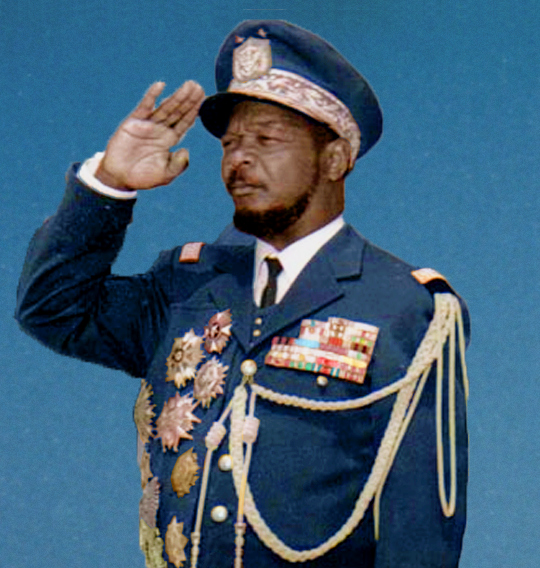
In 1979, the French government intervened in the Central African Republic, leading to the downfall of Jean-Bédel Bokassa's regime. Bokassa, a former military officer, had seized power in a coup in 1966 and declared himself Emperor in 1976.
During his reign, Bokassa's regime was marked by corruption, human rights abuses, and lavish spending on personal luxuries. His brutal regime drew international criticism and sparked public discontent within the Central African Republic.
The French intervention occurred after Bokassa's forces massacred schoolchildren during a protest. Following this atrocity, France sent troops to support a coup d'état that ousted Bokassa from power.
The downfall of Bokassa's regime brought an end to years of authoritarian rule and brought hopes of democratic reform to the Central African Republic. However, political instability and conflict continued to plague the country in the years that followed.
The French intervention in 1979 was a turning point in the history of the Central African Republic, marking the end of Bokassa's oppressive regime and opening a new chapter for the country's political development.
#CentralAfricanRepublic #FrenchIntervention #BokassaRegimeFall #PoliticalChange
View details1977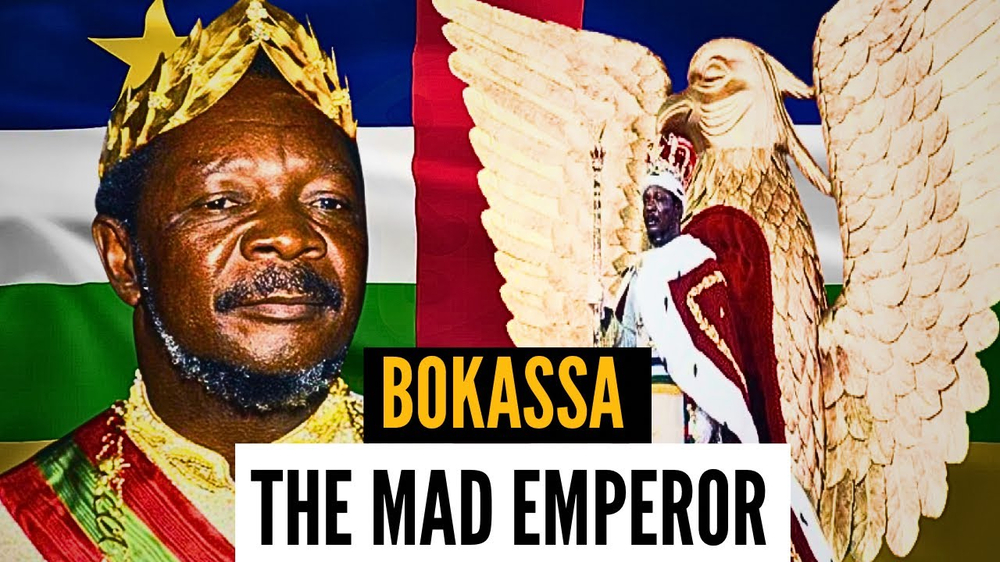
In Central African Republic, Jean-Bédel Bokassa proclaimed himself Emperor in a grand ceremony that captivated both national and international attention. The former military officer seized power in a coup years prior, establishing a dictatorship marked by corruption and human rights abuses. Bokassa's self-coronation as Emperor Bokassa I, costing an exorbitant amount, stirred controversy and condemnation worldwide.
The lavish event mirrored the extravagance of Napoleon's coronation, with Bokassa showcasing opulence and self-indulgence amidst widespread poverty in the country. The self-proclaimed emperor's reign was characterized by authoritarian rule, political repression, and brutal tactics to maintain power. His extravagant lifestyle, including infamous allegations of indulging in cannibalism, further tainted his reputation.
The extravagant ceremony symbolized Bokassa's delusions of grandeur and tyrannical rule, ultimately leading to his downfall after a few years as Emperor. The international community, including former colonial ruler France, distanced themselves from the regime, marking the beginning of the end of his reign.
The self-coronation of Jean-Bédel Bokassa as Emperor encapsulated a dark chapter in Central African Republic's history, marked by dictatorship, excess, and human rights violations.#CentralAfricanRepublic #Dictatorship #EmperorBokassa
View details1972
In a pivotal development for the Central African Republic, the establishment of Groupe KamachA in 1972 marked a significant stride in economic growth. The conglomerate's diverse interests in timber, mines, and real estate resonated with the country's rich natural resources and untapped potential.
Groupe KamachA's inception brought about a surge in job opportunities, infrastructure development, and increased revenue streams for the region. The conglomerate's investment in the timber industry helped in the sustainable utilization of forest resources, while their ventures in mines contributed to the growth of the mining sector.
The real estate arm of Groupe KamachA played a crucial role in modernizing urban centers and providing affordable housing solutions for the growing population. The conglomerate became a key player in driving economic diversification and attracting foreign investments to the Central African Republic.
The establishment of Groupe KamachA not only bolstered the country's economy but also created a ripple effect in the socio-economic landscape, empowering local communities and fostering a culture of entrepreneurship and innovation. As a trailblazer in the business realm, Groupe KamachA continues to shape the economic trajectory of the Central African Republic, setting a precedent for sustainable development and inclusive growth.
#CentralAfricanRepublic #EconomicDevelopment #ResourceManagement #SustainableGrowth #Entrepreneurship
View details1964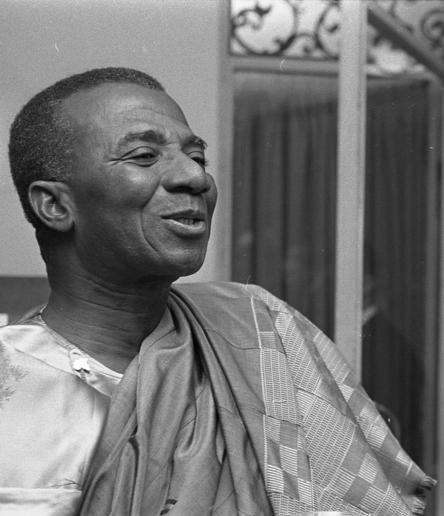
The Central African Republic faced a crisis as Sylvanus Olympio Dacko was ousted by army commander Jean-Bedel Bokassa amidst looming bankruptcy and a potential nationwide strike. The country's economic difficulties and political instability had reached a tipping point, leading to Bokassa's decisive move to take control.
Following the military takeover, Bokassa established himself as the new leader, seizing power and implementing a new regime. The ousting of Dacko marked a significant shift in the country's leadership and governance, setting the stage for Bokassa's authoritarian rule.
The nationwide strike that loomed prior to Dacko's removal highlighted the dissatisfaction and unrest among the Central African Republic's population. Bokassa's rise to power and subsequent consolidation of authority would shape the country's political landscape for years to come.
The events surrounding Dacko's ousting by Bokassa serve as a pivotal moment in the Central African Republic's history, blending economic hardships, political turmoil, and the military's intervention in governance.
#CentralAfricanRepublic #Bokassa #PoliticalCrisis #MilitaryTakeover #EconomicInstability
View details1962
In 1963, Enrica was founded in the Central African Republic, specializing in conventional electricity and electrical infrastructure. The company emerged against the backdrop of an increasing demand for reliable electricity services in the region. With a focus on providing cost-effective solutions for powering homes and businesses, Enrica quickly established itself as a key player in the local energy sector.
The establishment of Enrica had a significant impact on the Central African Republic's development, enabling the expansion of reliable electricity services across various communities. This, in turn, contributed to economic growth and improved living standards for residents. Enrica's expertise in electrical infrastructure also played a crucial role in enhancing the country's overall infrastructure network.
Over the years, Enrica's commitment to innovation and sustainability has further solidified its position as a leader in the energy sector. By continuously adapting to new technologies and industry trends, the company remains at the forefront of providing efficient and sustainable electricity solutions for the Central African Republic.
#Enrica #CentralAfricanRepublic #ElectricityInfrastructure #EnergySector #Sustainability
View details1960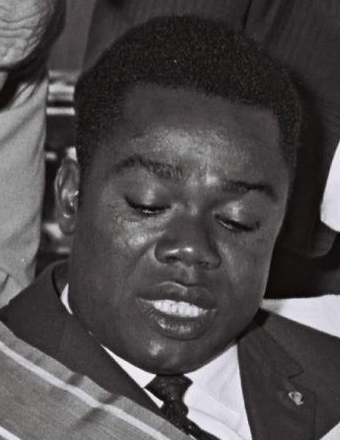
Following years of colonial rule by France, the Central African Republic gained independence with David Dacko, the nephew of Barthélemy Boganda, as its first president. Boganda, a key figure in the country's fight for independence, had laid the groundwork for the nation's self-governance before tragically passing away in a plane crash.
Under Dacko's leadership, the Central African Republic embarked on a new chapter of self-determination and sovereignty. The country faced various challenges in the early years of independence, including political instability and economic uncertainty. Despite these obstacles, the people of the Central African Republic remained resilient in their pursuit of a better future.
Dacko's presidency marked a significant period of transition and nation-building for the newly independent state. His leadership set the stage for future developments and reforms within the country, shaping its path towards progress and development.
The Central African Republic's independence with David Dacko as president reflects a turning point in the nation's history, symbolizing the aspirations and determination of its people to chart their own course. It is a reminder of the struggles and triumphs that have defined the country's journey towards self-rule.
#CentralAfricanRepublic #Independence #DavidDacko #Boganda #Sovereignty
View detailsThe Central African Republic gained independence from France following a period of colonization that began in the late 19th century. Decades of French rule had a significant impact on the country's political, social, and economic landscape. The push for independence was fueled by a desire for self-governance and the aspirations of the Central African people for autonomy.
After gaining independence, the Central African Republic faced numerous challenges, including political instability, economic underdevelopment, and social unrest. The transition to self-rule was not without difficulties, as the newly independent nation grappled with establishing stable governance structures and fostering national unity.
The event marked a pivotal moment in the history of the Central African Republic, as it set the stage for the country to chart its own course and forge its identity on the global stage. Independence brought opportunities for growth and self-determination, but also posed significant challenges that would shape the nation's trajectory in the years to come.
#CentralAfricanRepublic #Independence #France #Colonization #SelfGovernance #PoliticalInstability
View details
In 1962, the establishment of Commercial Bank Centrafrique (CBCA) marked a pivotal development in the economic landscape of the Central African Republic. The creation of CBCA aimed to address the growing needs of the nation's burgeoning commercial sector, providing accessible financial services to local businesses and individuals.
CBCA played a crucial role in facilitating trade and investment within the country, fostering economic growth and stability. By offering a range of banking products and services, CBCA contributed to the modernization and expansion of the Central African Republic's economy.
With its establishment, CBCA became a cornerstone of the financial sector in the Central African Republic, supporting entrepreneurs, entrepreneurs, and the broader community in their financial endeavors. The bank's presence also helped to strengthen the country's banking system and enhance its overall financial infrastructure.
The establishment of CBCA in 1962 was a landmark moment in the economic history of the Central African Republic, paving the way for increased economic activity and opportunities for growth. Today, the legacy of CBCA continues to resonate, underscoring the importance of accessible banking services in driving economic development and empowerment. #CBCA #CentralAfricanRepublic #EconomicDevelopment #FinancialInclusion
View detailsEstablishment of Banque Internationale pour la Centrafrique (BICA) marked a pivotal initiative in the economic development of the Central African Republic. BICA was founded to address the financial needs of the newly independent nation, aiming to foster economic growth and stability. The establishment of BICA provided a vital platform for Central African Republic to manage its financial resources independently and facilitate domestic and international investments.
With BICA in place, the Central African Republic was able to enhance its financial infrastructure, promote trade relations, and support local businesses. The bank played a crucial role in offering banking services, loans, and monetary assistance to individuals, enterprises, and government institutions. This led to a boost in economic activities, job creation, and overall prosperity in the country.
BICA's establishment was a significant step towards financial independence and self-sufficiency for the Central African Republic, empowering the nation to take control of its economic destiny. As a result, the country experienced advancements in various sectors, laying the foundation for sustained growth and development.
#CentralAfricanRepublic #EconomicEmpowerment #FinancialIndependence #BICA
View details1959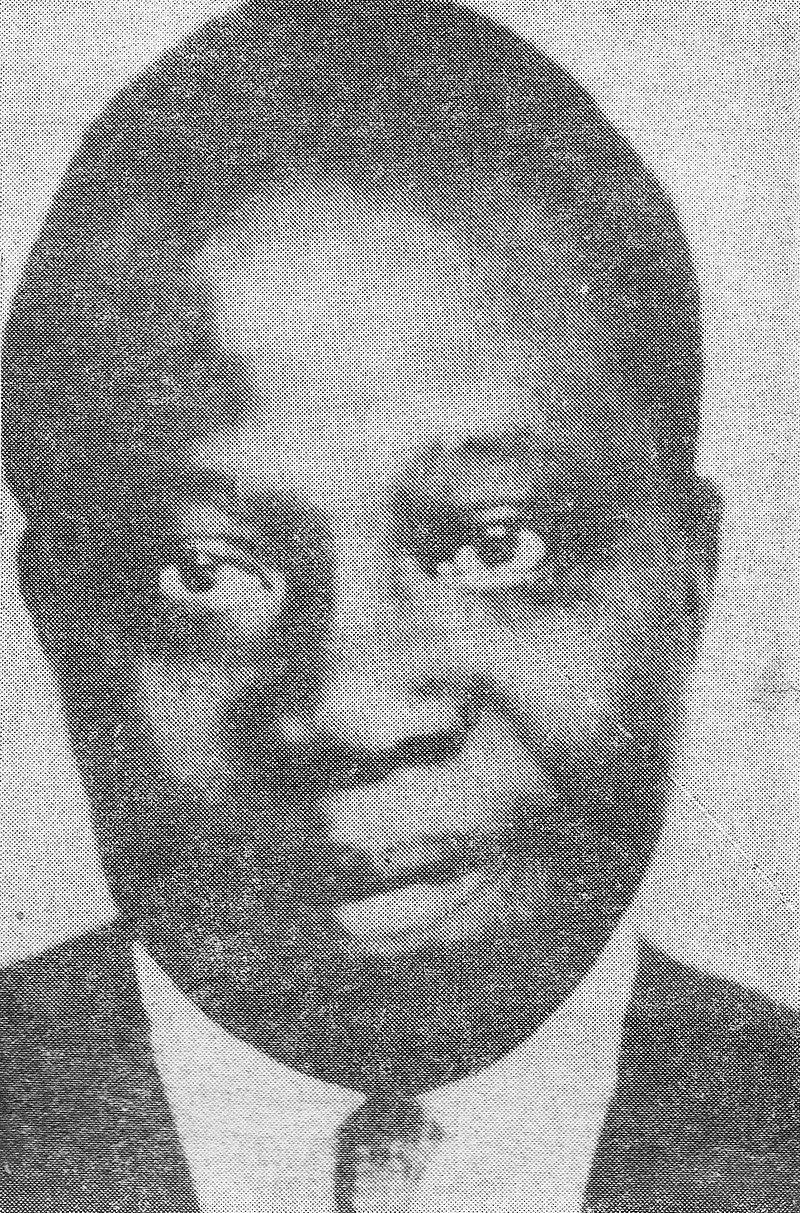
Barthelemy Boganda, a prominent figure in the Central African Republic's struggle for independence, tragically passed away in a plane crash. As the country's first Prime Minister, he played a crucial role in advocating for the rights of the Central African people.
Boganda's death had a profound impact on the nation, leading to widespread mourning and a sense of loss among the population. His legacy as a champion of independence and unity continued to inspire future generations of leaders in the Central African Republic.
In the wake of Boganda's untimely death, the country faced a period of uncertainty as it navigated the challenges of transitioning to a new era without his leadership. However, his vision for a free and prosperous Central African Republic lived on, shaping the country's path towards self-determination.
The passing of Boganda marks a pivotal moment in the history of the Central African Republic, underscoring the sacrifices made by individuals in the fight for independence and self-governance. His memory remains significant in the collective consciousness of the nation, serving as a symbol of resilience and perseverance in the pursuit of a better future. #BarthelemyBoganda #CentralAfricanRepublic #Independence #Legacy
View details1958
With MESAN's victory in securing control of the territorial assembly, Barthélemy Boganda was appointed as the president of the Grand Council of French Equatorial Africa. This development marked a significant shift in the political landscape of the region, as MESAN emerged as a dominant force in governance. Boganda's presidency brought new leadership and direction to the Grand Council, influencing policies and decision-making processes. The consolidation of power by MESAN under Boganda's leadership set the stage for the Central African Republic to assert itself politically within French Equatorial Africa.
This event signified a turning point in the history of the Central African Republic, as it paved the way for increased autonomy and self-governance. The rise of MESAN and Boganda's presidency represented a milestone in the country's journey towards independence and sovereignty. The political influence wielded by MESAN and Boganda's leadership had a lasting impact on the trajectory of the Central African Republic's development as a nation.
#MESAN #BarthelemyBoganda #CentralAfricanRepublic #Independence #PoliticalLeadership
View details1945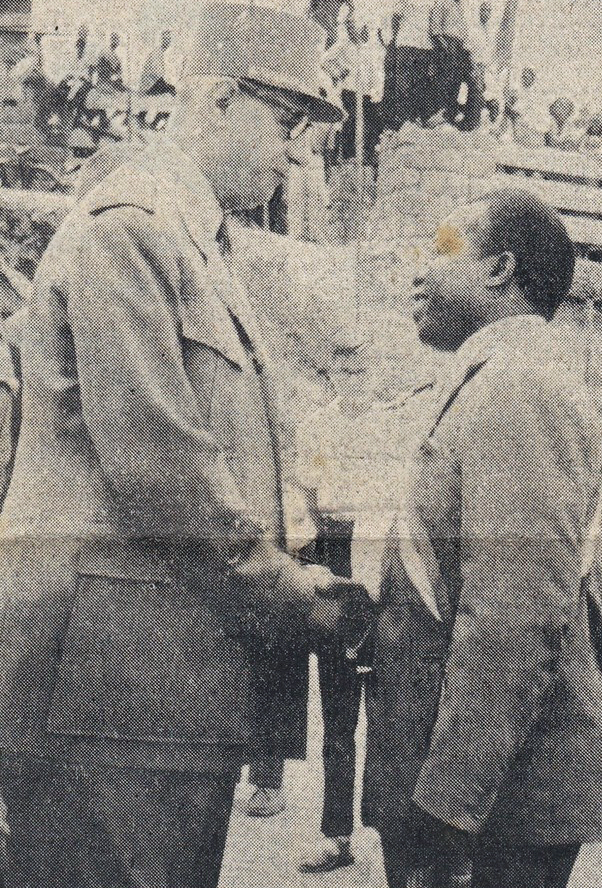
In 1946, the Central African territory was granted its own assembly, marking a historical milestone in its representation in the French parliament. Barthelemy Boganda, a prominent figure in Central African politics, played a key role in advocating for this development. Boganda's efforts led to the establishment of a legislative body that gave the territory a voice in shaping its own future.
The creation of the Central African assembly marked a significant shift towards self-governance and autonomy for the region. It allowed the territory to participate in decision-making processes that directly impacted its people and resources. This move towards representation laid the foundation for greater political participation and empowerment among the Central African population.
Barthelemy Boganda's dedication to advocating for the territory's assembly and representation helped pave the way for future generations of Central Africans to have a say in their governance. His leadership and vision for a more inclusive political system left a lasting impact on the region's trajectory towards independence and self-determination.
#CentralAfricanRepublic #BarthelemyBoganda #AssemblyRepresentation #FrenchParliament #SelfGovernance
View details1920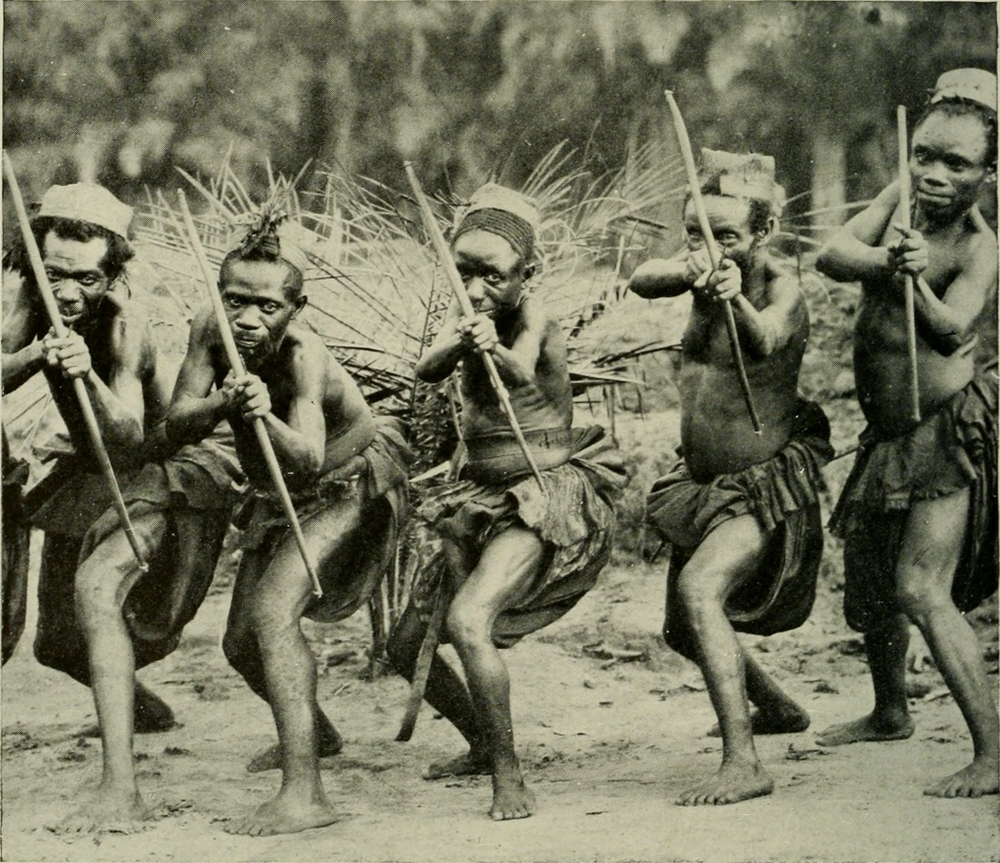
In 1920, Indigenous Africans in the Central African Republic staged violent protests against abuses by concessionaires. These concessionaires, mostly European companies, had been exploiting the natural resources of the region without considering the well-being of the local population. The Indigenous Africans were subjected to forced labor, harsh working conditions, and minimal compensation, leading to widespread discontent among the communities.
The violent protests were a result of years of frustration and mistreatment. The Indigenous Africans demanded better treatment, fair wages, and improved working conditions. The protests turned violent as tensions escalated between the local population and the concessionaires. Buildings were set on fire, roads were blocked, and clashes broke out between the protesters and security forces.
The impact of the protests was significant, as it drew attention to the exploitative practices of the concessionaires and forced the authorities to address the grievances of the Indigenous Africans. The protests ultimately led to the implementation of some reforms, such as improved labor laws and better oversight of the activities of the concessionaires.
#CentralAfricanRepublic #Protests #IndigenousRights #Exploitation #Reforms
View details1919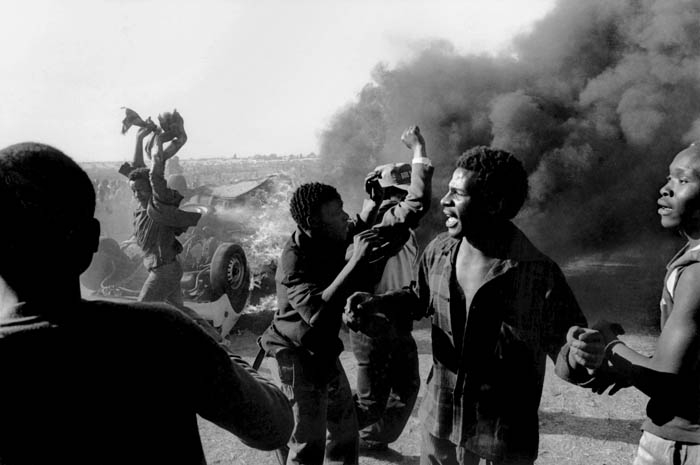
Following years of exploitation by concessionaires in Central African Republic, a wave of protests erupted in 1920. Concessionaires, mainly European companies, had been exploiting the country's natural resources and labor force without fair compensation or regard for local communities.
The protests, led by indigenous groups and labor unions, aimed to bring attention to the abuses and demand better working conditions, fair wages, and respect for their land rights. The demonstrators marched through the streets, holding banners and chanting slogans calling for justice and equality.
The impact of the protests was significant, leading to increased awareness both domestically and internationally about the exploitation that was taking place in the country. The government was pressured to address the grievances of the protesters and take action against the concessionaires who were violating labor laws and human rights.
Ultimately, the protests against concessionaire abuses in Central African Republic in 1920 marked a pivotal moment in the fight for social justice and fair treatment of indigenous populations. The legacy of these protests continues to inspire movements advocating for economic equality and ethical business practices.
#CentralAfricanRepublic #Protests #ConcessionaireAbuses #SocialJustice #LaborRights
View details1910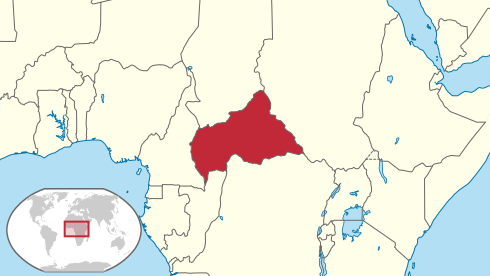
In 1910, the Central African Republic officially became a French territory following negotiations and agreements between French colonial authorities and local leaders. This decision stemmed from France's scramble for African territories during the colonial period. The territory was primarily governed by French officials and policies, leading to significant cultural, social, and political changes within the region.
Under French colonial rule, the Central African Republic experienced a shift in power dynamics, with local traditions being influenced by French administration. The French introduced new infrastructures, such as roads and railways, and established new economic systems, including the taxation of local resources. This had a lasting impact on the socio-economic landscape of the region.
The French also implemented policies that affected the local population, including forced labor and restrictions on traditional practices. Despite facing resistance and uprisings from indigenous groups, French control remained steadfast until the granting of independence in the mid-20th century.
The period of French colonial rule in the Central African Republic shaped the country's trajectory, leaving a legacy of mixed experiences that continue to influence its development. Today, the Central African Republic reflects a blend of indigenous cultures and French colonial legacies, as it navigates its post-colonial journey.
#FrenchColonialRule #CentralAfricanRepublic #ColonialLegacy
View detailsBorn on April 6, 1910, Barthélemy Boganda emerged as a prominent figure in the fight for independence in the Central African Republic. A Catholic priest and politician, Boganda played a pivotal role in advocating for the rights and autonomy of his people.
Boganda's influence extended beyond his religious and political realms; he became a symbol of hope and resistance against colonial rule. Through his efforts, Boganda was able to galvanize support and mobilize the masses towards a common goal of liberation.
His vision for a united and independent Central African Republic inspired many to join the independence movement, laying the groundwork for future generations to continue the struggle. Boganda's legacy remains ingrained in the history of the country, serving as a reminder of the resilience and determination of its people.
In commemorating the birth of Barthélemy Boganda, we celebrate a key figure whose unwavering commitment to freedom and self-determination has left an indelible mark on the fabric of the Central African Republic. #BarthélemyBoganda #IndependenceMovement #CentralAfricanRepublic
View details