Riverside trade thriving on the Ubangi
Central African Republic
Global Trade
Economic Downturn
3 min read
Updated By: History Editorial Network (HEN)
Published:
Updated:
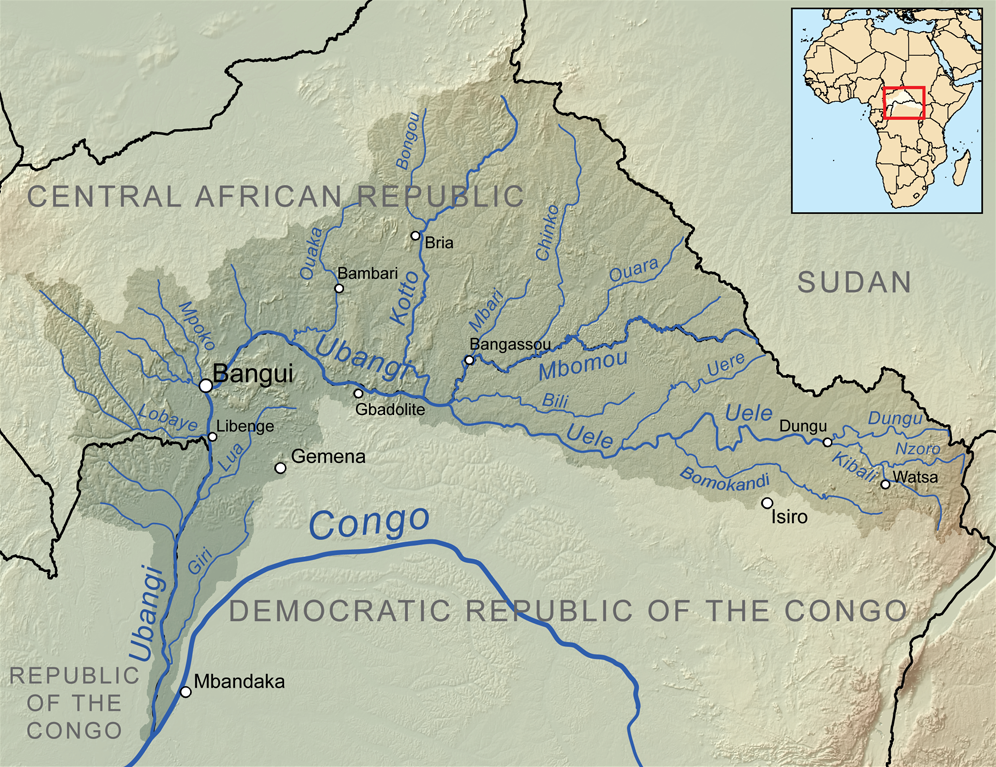
In the early 1800s, the Ubangi River was a bustling hub of trade in Central Africa. Merchants from various tribes along the river would gather to exchange a variety of goods, including ivory, salt, palm oil, and slaves. This flourishing trade network brought prosperity to the communities along the river, fueling economic growth and cultural exchange.
The Ubangi River served as a vital lifeline for the region, connecting villages and towns and facilitating the flow of goods and people. Local craftsmen produced intricate pottery and textiles, which were highly sought after in trade. This trade network also helped to strengthen diplomatic ties between different tribes and fostered a sense of unity among the diverse communities living along the river.
As trade continued to flourish along the Ubangi River, the region saw an influx of wealth and resources, leading to the development of thriving marketplaces and bustling towns. The exchange of goods and ideas enriched the cultural landscape of the area, with traditions and practices blending and evolving over time.
Overall, the flourishing trade along the Ubangi River in 1800 was a pivotal moment in Central African history, shaping the economic, social, and cultural fabric of the region for generations to come. #UbangiRiverTrade #CentralAfricanProsperity #CulturalExchange.
Primary Reference
Organized Crime and Instability in Central Africa - A Threat ...

Explore the Life Moments of
 AI Twin