Rising Slave Trade Activity in Central Africa
Central African Republic
Global Trade
3 min read
Updated By: History Editorial Network (HEN)
Published:
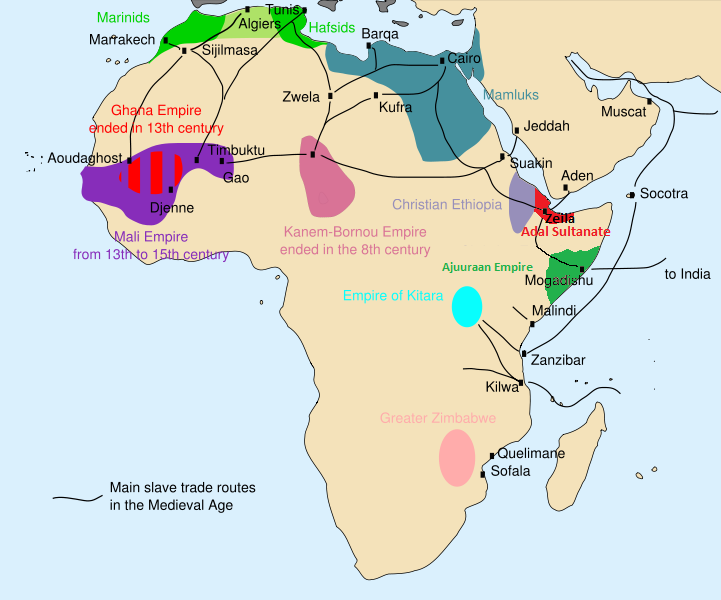
During this period, the Central African Republic witnessed a surge in slave trade activities within the region. Traders from Europe and Arab countries intensified their efforts to capture and sell individuals into slavery. The demand for labor in plantations and mines drove the increase in slave raids and trading expeditions.
The impact of the heightened slave trade was devastating for communities in the region. Families were torn apart, cultures were disrupted, and societies were destabilized. The economy became increasingly dependent on this inhumane practice, leading to further exploitation of vulnerable populations.
As the demand for slaves grew, conflicts over control of trade routes and territories escalated. This resulted in widespread violence and power struggles among local tribes and foreign traders vying for dominance. The repercussions of these conflicts were felt for generations, contributing to the lasting social and economic challenges faced by the Central African Republic.
The era of increased slave trade activities in the region left a dark legacy that continues to shape the present-day dynamics of the country. It serves as a grim reminder of the human cost of exploitation and colonization, highlighting the enduring effects of historical injustices on contemporary society. #SlaveTrade #CentralAfricanRepublic #Colonialism
Primary Reference
Volume of Transatlantic Slave Trade Departures by Carrier (in ...
Explore the Life Moments of
 AI Twin