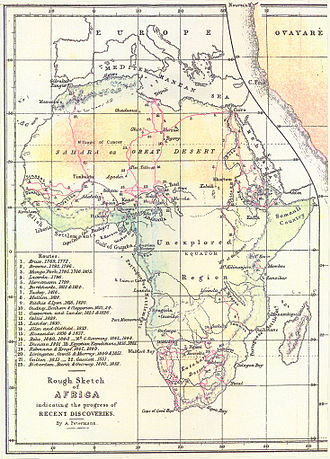
European Explorers' Arrival in Central Africa
Central African Republic
Cultural Exchange
3 min read
Updated By: History Editorial Network (HEN)
Published:
In the late 15th century, European explorers reached the land that is now known as Central African Republic, marking the first contact between Europeans and the indigenous populations of the region. Led by Portuguese explorers, the arrival opened up a new chapter in the history of Central Africa.
The European explorers were met with curiosity and caution by the local communities, who were unfamiliar with their advanced technology and way of life. This encounter would later shape the future of the region, as it paved the way for increased trade, cultural exchange, and eventual colonization.
The explorers brought with them new goods, ideas, and diseases that would have a lasting impact on the indigenous populations. The exchange of goods led to the introduction of new crops and animals to the region, while the spread of diseases had devastating consequences for the local communities.
Overall, the arrival of the first European explorers in Central African Republic marked the beginning of a new era for the region, one that would see significant changes in politics, economy, and culture. It set the stage for centuries of interaction and conflict between European powers and the indigenous populations of Central Africa.
#EuropeanExplorers #CulturalExchange #Colonization #CentralAfricanRepublic
Primary Reference
European exploration of Africa - Wikipedia
Explore the Life Moments of
 AI Twin