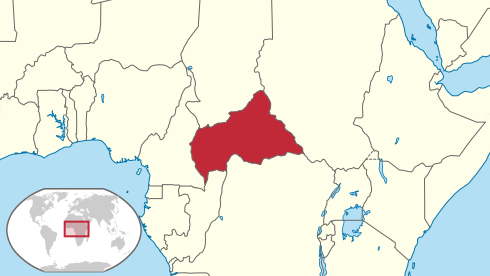
Incorporation as a French Territory
Central African Republic
Colonialism
3 min read
Updated By: History Editorial Network (HEN)
Published:
In 1910, the Central African Republic officially became a French territory following negotiations and agreements between French colonial authorities and local leaders. This decision stemmed from France's scramble for African territories during the colonial period. The territory was primarily governed by French officials and policies, leading to significant cultural, social, and political changes within the region.
Under French colonial rule, the Central African Republic experienced a shift in power dynamics, with local traditions being influenced by French administration. The French introduced new infrastructures, such as roads and railways, and established new economic systems, including the taxation of local resources. This had a lasting impact on the socio-economic landscape of the region.
The French also implemented policies that affected the local population, including forced labor and restrictions on traditional practices. Despite facing resistance and uprisings from indigenous groups, French control remained steadfast until the granting of independence in the mid-20th century.
The period of French colonial rule in the Central African Republic shaped the country's trajectory, leaving a legacy of mixed experiences that continue to influence its development. Today, the Central African Republic reflects a blend of indigenous cultures and French colonial legacies, as it navigates its post-colonial journey.
#FrenchColonialRule #CentralAfricanRepublic #ColonialLegacy
Primary Reference
Central African Republic profile - Timeline - BBC News
Explore the Life Moments of
 AI Twin