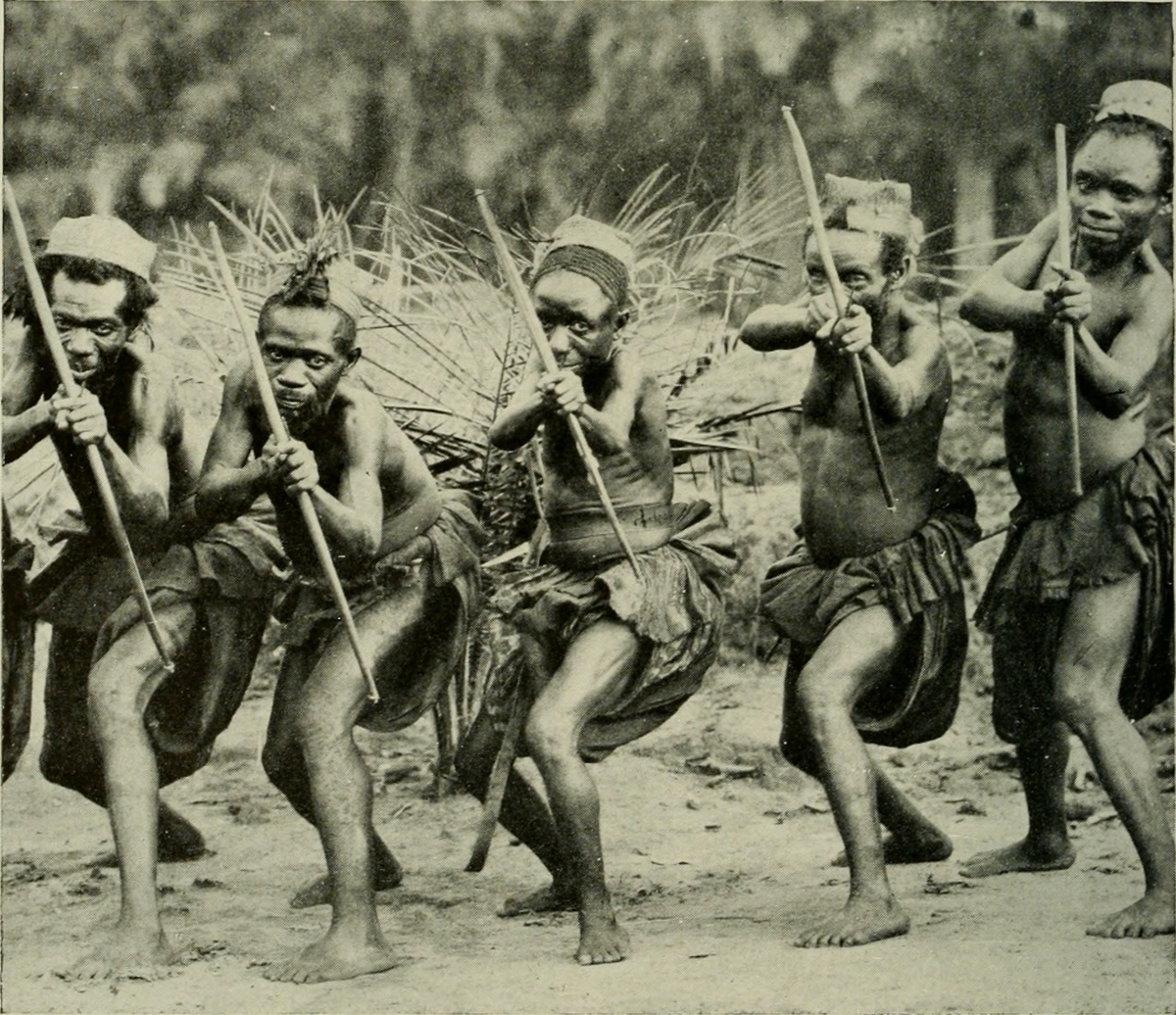
Indigenous Africans Protest Against Concessionaire Abuses
Central African Republic
Political
Social
3 min read
Updated By: History Editorial Network (HEN)
Published:
In 1920, Indigenous Africans in the Central African Republic staged violent protests against abuses by concessionaires. These concessionaires, mostly European companies, had been exploiting the natural resources of the region without considering the well-being of the local population. The Indigenous Africans were subjected to forced labor, harsh working conditions, and minimal compensation, leading to widespread discontent among the communities.
The violent protests were a result of years of frustration and mistreatment. The Indigenous Africans demanded better treatment, fair wages, and improved working conditions. The protests turned violent as tensions escalated between the local population and the concessionaires. Buildings were set on fire, roads were blocked, and clashes broke out between the protesters and security forces.
The impact of the protests was significant, as it drew attention to the exploitative practices of the concessionaires and forced the authorities to address the grievances of the Indigenous Africans. The protests ultimately led to the implementation of some reforms, such as improved labor laws and better oversight of the activities of the concessionaires.
#CentralAfricanRepublic #Protests #IndigenousRights #Exploitation #Reforms
Primary Reference
Central African Republic profile - Timeline - BBC News
Explore the Life Moments of
 AI Twin