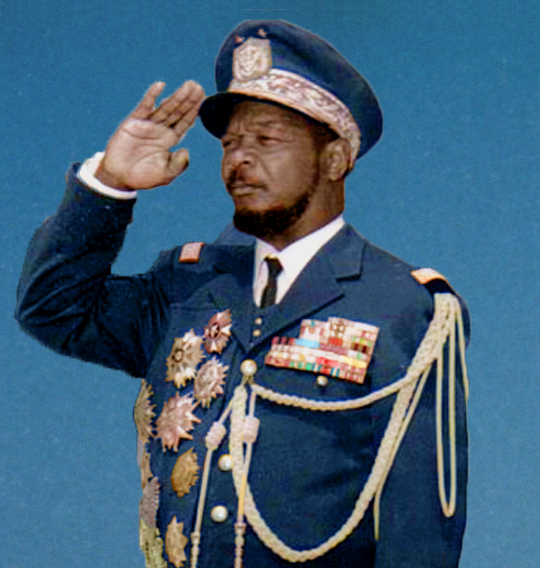
French intervention topples Jean-Bédel Bokassa's regime.
Central African Republic
Political Change
3 min read
Updated By: History Editorial Network (HEN)
Published:
In 1979, the French government intervened in the Central African Republic, leading to the downfall of Jean-Bédel Bokassa's regime. Bokassa, a former military officer, had seized power in a coup in 1966 and declared himself Emperor in 1976.
During his reign, Bokassa's regime was marked by corruption, human rights abuses, and lavish spending on personal luxuries. His brutal regime drew international criticism and sparked public discontent within the Central African Republic.
The French intervention occurred after Bokassa's forces massacred schoolchildren during a protest. Following this atrocity, France sent troops to support a coup d'état that ousted Bokassa from power.
The downfall of Bokassa's regime brought an end to years of authoritarian rule and brought hopes of democratic reform to the Central African Republic. However, political instability and conflict continued to plague the country in the years that followed.
The French intervention in 1979 was a turning point in the history of the Central African Republic, marking the end of Bokassa's oppressive regime and opening a new chapter for the country's political development.
#CentralAfricanRepublic #FrenchIntervention #BokassaRegimeFall #PoliticalChange
Primary Reference
Jean-Bédel Bokassa - Wikipedia
Explore the Life Moments of
 AI Twin