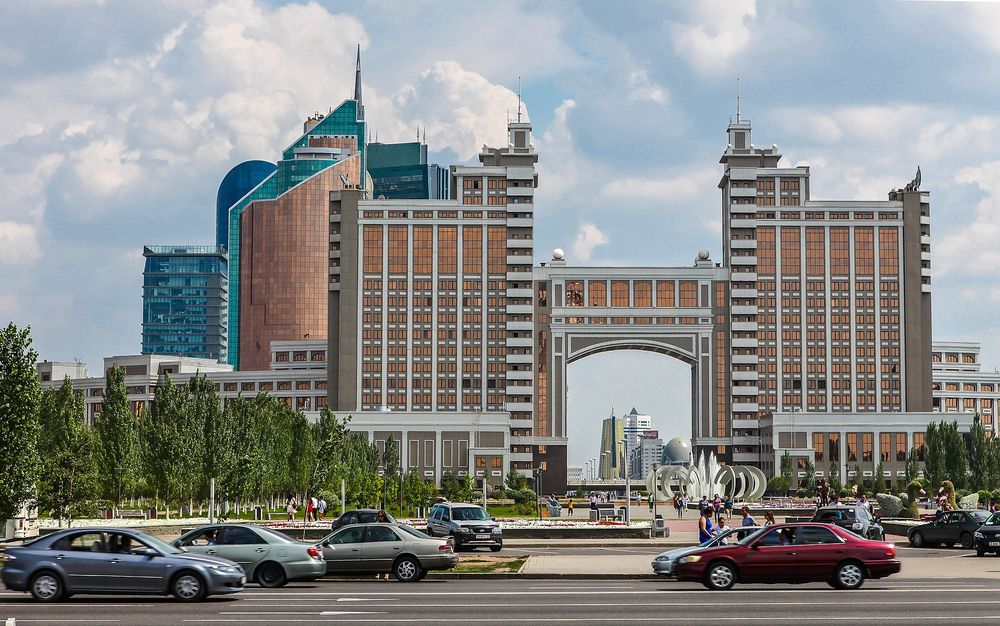
Kazakhstan

The Land of the Great Steppe
About
#Kazakhstan
#Kazakhstan_Timeline
#Kazakhstan_History
#Kazakhstan_History_Timeline
Life Classification
Country
Life ID
EL3342994136845
Verified Name
kazakhstan
Life Type
Entity Life
Life Editor(s)
History Editorial Network (HEN)
Life Privacy
Public
Subscription
Elite
Created On
2025-01-08
Updated On
2025-12-19
Connect
Related Lives

Libya
Oasis of the Sahara
Ethiopia
Federal Democratic Republic of Ethiopia
Bosnia and Herzegovina
The Land of Golden Lilies

Haiti
The Resilient Spirit of Haiti
Philippines
Pearl of the Orient Seas
Lithuania
The Land of Amber

Italy
The Land of Art and Romance
Denmark
The Land of Hygge

2026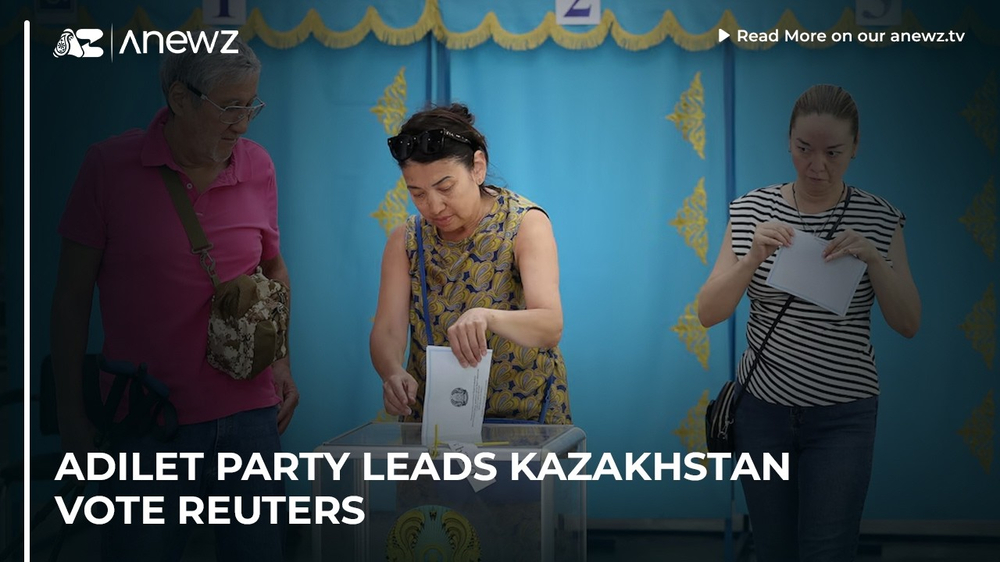
On 25/08/2026, Kazakhstan’s Central Election Commission officially confirmed that the pro-presidential Ädilet party won 71.17% of the vote and 110 of 145 seats in the country’s first election to the newly created unicameral Kurultai. The parliamentary election, held nationwide on 23/08/2026, introduced the legislature established under Kazakhstan’s new constitutional system and gave Ädilet more than three-quarters of all Kurultai seats.
According to the final Central Election Commission figures, Ädilet received 6,528,948 votes. The Auyl People’s Democratic Patriotic Party finished second with 574,621 votes, or 6.26%, securing 10 seats. Respublica received 509,631 votes, or 5.56%, and nine seats. The Aq Zhol Democratic Party won 478,083 votes, or 5.21%, receiving eight seats, while the Nationwide Social Democratic Party obtained 469,058 votes, or 5.11%, also taking eight seats. Together, these five parties filled all 145 seats.
Two other parties failed to reach the statutory 5% threshold. The People’s Party of Kazakhstan received 285,395 votes, or 3.11%, while the Baytaq Green Party received 97,751 votes, or 1.07%. Another 2.51% of participating voters selected the "against all" option.
Voter participation was also high. Of 12,623,289 registered voters, 9,351,539 participated, producing an official turnout of 74.08%. More than 9.35 million people therefore took part in choosing the members of the new legislature. The Central Election Commission reported that participation exceeded turnout in the March constitutional referendum by more than 224,000 voters.
The election represented the first nationwide parliamentary vote under Kazakhstan’s redesigned constitutional structure. The 145-member Kurultai replaced the former bicameral Parliament, which had consisted of the Mazhilis and Senate. The new constitution had been approved through a referendum earlier in 2026 and came into effect on 01/07/2026. All 145 Kurultai seats were contested through party lists, with parties required to pass the 5% national threshold to participate in the distribution of mandates.
Ädilet itself was a new force in the 2026 election. Created earlier in the year by figures closely associated with President Kassym-Jomart Tokayev, it absorbed the previously dominant Amanat party and positioned itself behind Tokayev’s political and economic programme. The four smaller parties that entered the Kurultai are also generally regarded as supportive of the presidential administration, despite differences in their stated political and economic priorities.
The election also took place amid wider changes to Kazakhstan’s political institutions. The new constitution established the office of vice president, and after voting on 23/08/2026 Tokayev said he expected to announce his nominee for the position within seven to ten days. The constitutional framework also altered the balance and organization of national institutions, while officials presented the new single-chamber parliament as a way of increasing legislative involvement in political decision-making.
With 110 seats, Ädilet emerged from the first Kurultai election with a commanding legislative majority. The result placed the party in a position to dominate the chamber’s initial organization and legislative agenda as Kazakhstan completed the transition from its former Senate-Mazhilis structure to the new unicameral system.
Historical Significance: The 23/08/2026 vote was notable not only for Ädilet’s electoral dominance but because it populated an entirely redesigned national legislature for the first time. The final results announced two days later established the political composition of Kazakhstan’s Kurultai at the beginning of the constitutional system introduced in 2026.
View detailsKazakhstan voters approved a new constitution in a nationwide referendum held on 15/03/2026, with 87.15% voting in favor and turnout reported at 73.12%, according to final results released by the Central Referendum Commission. More than 9.1 million citizens participated in the vote across over 10,000 polling stations, meeting the legal threshold for validity. The referendum asked voters whether to adopt a newly drafted Basic Law intended to replace large portions of the 1995 constitution. Authorities later confirmed that the new constitution is scheduled to enter into force on 01/07/2026.
President Kassym-Jomart Tokayev announced that 15 March would be marked annually as Constitution Day following the approval. The new document revises a substantial portion of the previous constitutional text and introduces structural changes to Kazakhstan’s political system. Among the major provisions are the replacement of the bicameral parliament with a unicameral legislature, restoration of the vice presidency abolished in 1996, and confirmation of a single seven year presidential term. The constitution also establishes a new consultative body known as the People’s Council with authority to initiate legislation and referendums, while expanding presidential appointment powers for key officials including the vice president.
The referendum followed an accelerated drafting process announced in February 2026, with the proposed document affecting more than 80% of the existing constitutional framework. Analysts cited in reporting noted that the restructuring merges parliamentary chambers into one body and allows the president to appoint senior officials subject to legislative approval. Critics and some observers said the pace of the process limited public debate, while supporters described the reforms as aimed at restructuring governance and clarifying succession mechanisms.
Voting took place throughout Kazakhstan and at overseas polling stations, with preliminary turnout surpassing 50% by mid day and final participation exceeding 73%. Senior officials including President Tokayev and former president Nursultan Nazarbayev publicly cast ballots. The referendum marked the fifth nationwide referendum since independence and the third constitutional referendum since 2022.
View details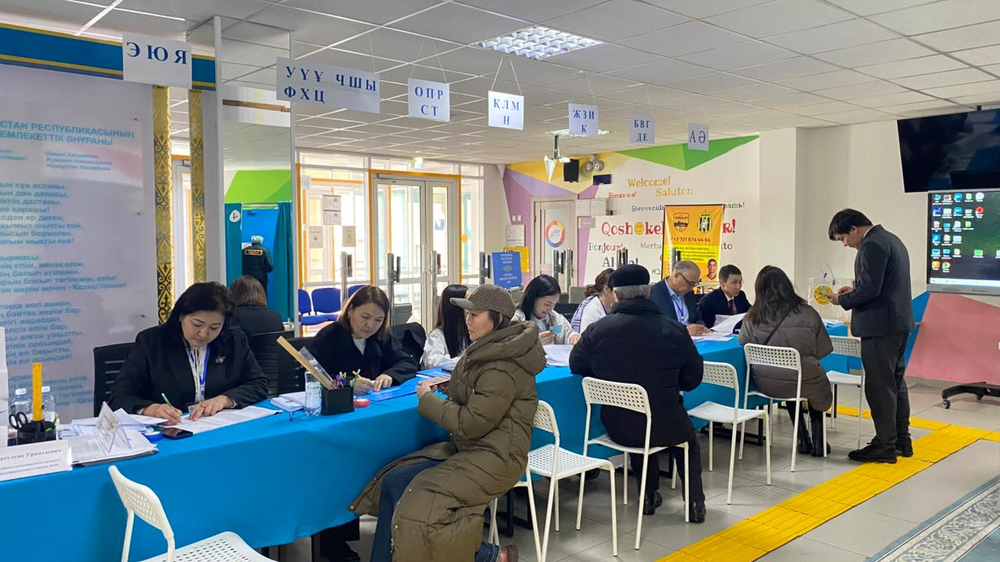
2025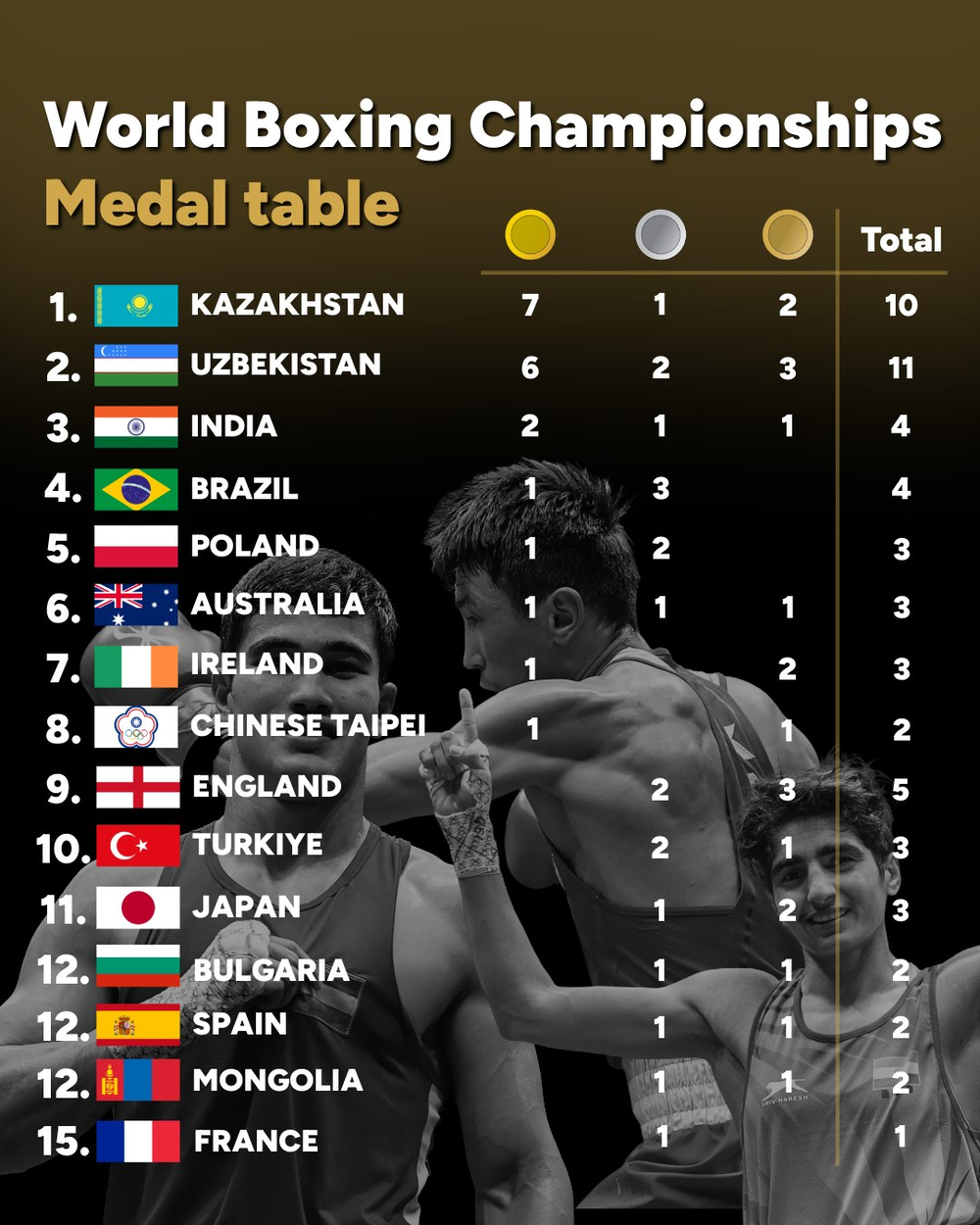
Kazakhstan topped the medal table at the World Boxing Championships in Liverpool, finishing the tournament with a total of 10 medals and confirming its strong position in international amateur boxing. The championships brought together elite boxers from across the globe, competing in multiple weight categories under intense competition. Kazakhstan’s boxers delivered consistent performances throughout the event, advancing deep into the tournament across several divisions. Their success reflected disciplined training, technical skill, and effective tactical preparation, which enabled them to outperform many traditionally strong boxing nations. The results also highlighted the depth of Kazakhstan’s boxing program, with medals won by both experienced athletes and emerging talents.
The achievement holds significant sporting and national importance for Kazakhstan. Leading the medal table enhances the country’s reputation as a global boxing powerhouse and demonstrates the effectiveness of long-term investment in sports development, coaching, and youth training systems. Success at the World Boxing Championships also provides momentum ahead of future international competitions, including continental events and the Olympic cycle. For the host city of Liverpool, the championships reinforced its status as a major venue for global sporting events, attracting international attention and audiences. More broadly, the tournament showcased the competitive spirit and global reach of boxing as a sport. Overall, Kazakhstan’s strong medal performance in Liverpool stands as a testament to its sustained excellence in boxing and its ability to compete at the highest international level.
View details2024
At the 2024 Paris Olympic and Paralympic Games, Kazakh athletes delivered a notable performance, winning multiple medals and achieving historic milestones for the country. One of the most significant achievements came in artistic gymnastics, where Kazakhstan secured a historic bronze medal, marking the nation’s first Olympic medal in this discipline. This result reflected years of development in gymnastics and highlighted the emergence of Kazakhstan as a competitive force beyond its traditional sporting strengths. In addition to gymnastics, Kazakh athletes achieved success in powerlifting and judo, winning gold medals through disciplined preparation and high-level technical skill. These victories demonstrated consistency across both Olympic and Paralympic competitions, reinforcing Kazakhstan’s growing presence on the global sporting stage.
The significance of Kazakhstan’s medal achievements at the Paris Games extends beyond individual success. The results strengthened national pride and inspired broader public interest in sport, particularly among young athletes. Gold medals in powerlifting and judo reaffirmed Kazakhstan’s established reputation in strength and combat sports, while the gymnastics bronze represented diversification and progress in newer disciplines. At the Paralympics, the strong performances underscored the country’s commitment to inclusive sport and athlete support systems. International observers noted Kazakhstan’s balanced success across multiple events as evidence of effective long-term sports development policies. Overall, the medals won by Kazakh athletes at the 2024 Paris Olympics and Paralympics symbolized both sporting excellence and the country’s continued advancement in elite international competition.
View details2022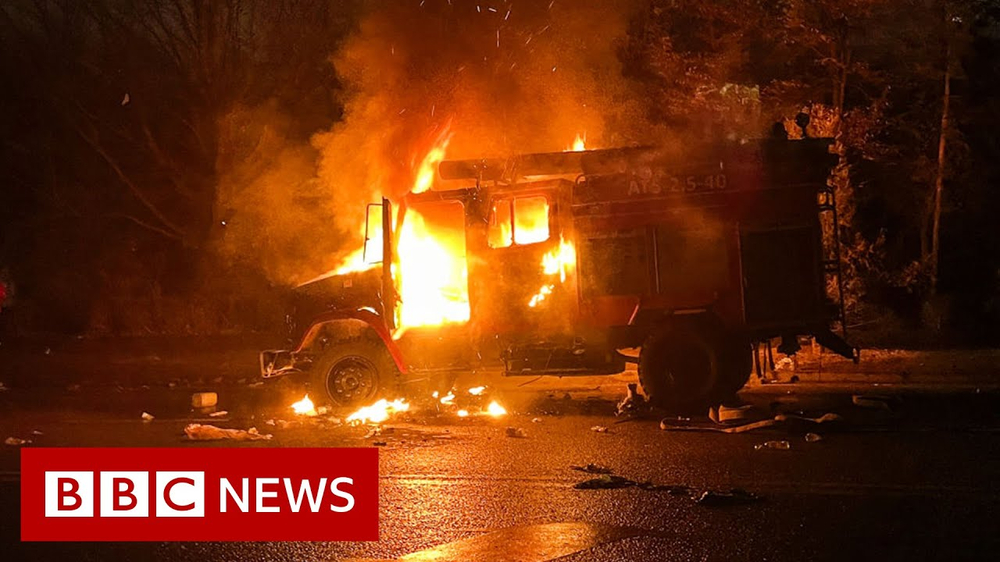
In January 2022, Kazakhstan experienced significant political unrest triggered by a sharp increase in fuel prices, which led to widespread protests across the nation. The unrest prompted President Kassym-Jomart Tokayev to take decisive action by assuming control of the Security Council, a powerful position previously held by his predecessor, Nursultan Nazarbayev. This move marked a significant shift in the country's leadership dynamics, as Tokayev sought to stabilize the situation and address the grievances of the populace. In a further demonstration of change, in September 2022, the capital's name was reverted from Nur-Sultan back to its original name, Astana. This decision was symbolic of a new era in Kazakhstan's governance, reflecting a desire to distance the current administration from the legacy of Nazarbayev, who had ruled the country for nearly three decades. The events of 2022 have underscored the challenges facing Kazakhstan as it navigates political reform and seeks to address the economic concerns of its citizens. #mooflife #mof #MomentOfLife #Kazakhstan #PoliticalUnrest #LeadershipChange #Kassym-jomartTokayev #Astana
View details2019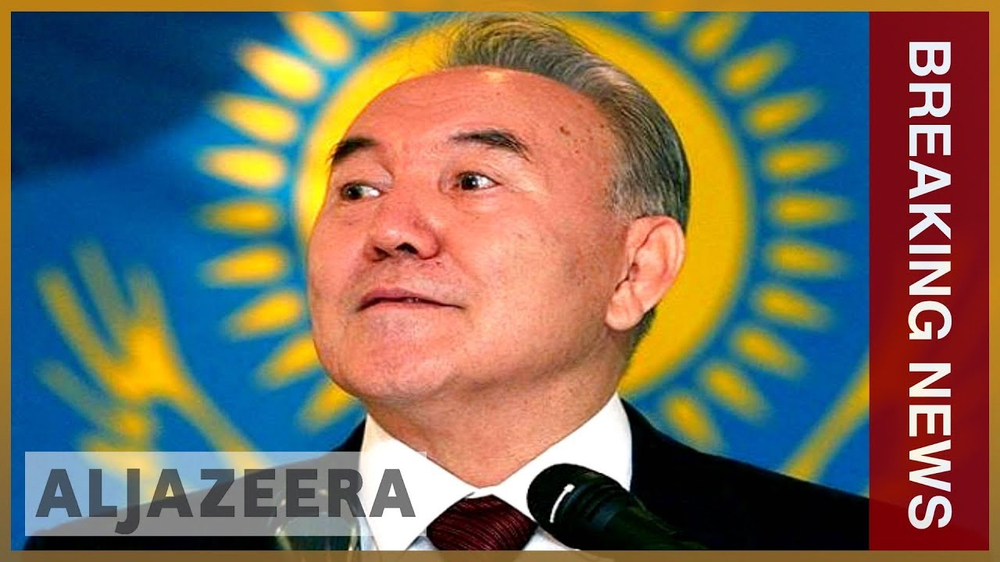
On March 19, 2019, Nursultan Nazarbayev, the long-serving president of Kazakhstan, announced his resignation, marking a significant turning point in the country's political landscape. Nazarbayev had been in power since the country's independence in 1991, and his departure raised questions about the future of governance in Kazakhstan. Following his resignation, Kassym-Jomart Tokayev, the speaker of the Senate, was elected as the new president in a snap election held on June 9, 2019. Tokayev's election was seen as a continuation of Nazarbayev's policies, and his first official act was to rename the capital city, Astana, to Nur-Sultan in honor of his predecessor. This move was symbolic of the enduring influence of Nazarbayev in Kazakhstan's political sphere, even after his resignation. The transition of power was relatively smooth, but it occurred against a backdrop of ongoing concerns regarding democracy and human rights in the country, as Kazakhstan has been classified as an authoritarian regime according to the Democracy Index by The Economist. As Kazakhstan moves forward under Tokayev's leadership, the international community will be watching closely to see how the new administration addresses these challenges and whether it will pursue reforms to enhance democratic governance. #mooflife #mof #MomentOfLife #Nazarbayev #Kazakhstan #Tokayev #PresidentialElection #PoliticalTransition
View details2018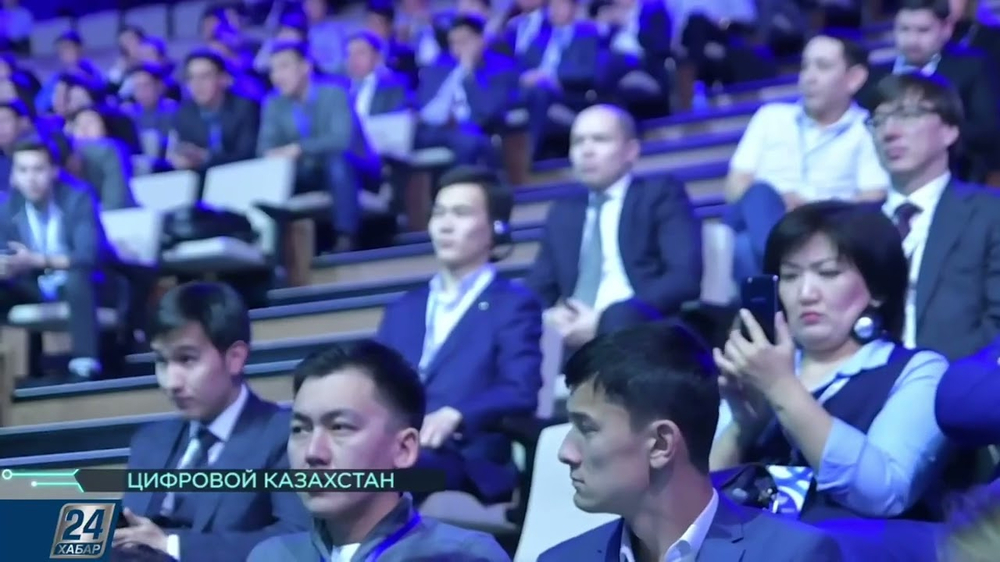
Launched in 2018, the Digital Kazakhstan program aims to enhance the economic growth of Kazakhstan through the strategic implementation of digital technologies. Over the course of two years, the program has successfully generated an impressive 800 billion tenges (approximately US$1.97 billion), showcasing the significant impact of digitization on the national economy. One of the key achievements of this initiative is the creation of 120,000 new jobs, which not only supports the workforce but also contributes to the overall development of the country's human capital. Furthermore, the program has attracted substantial investments, totaling 32.8 billion tenges (around US$80.7 million), indicating a growing confidence in Kazakhstan's digital landscape. A remarkable transformation has also occurred in public service delivery, with around 82 percent of all services becoming automated, thereby improving efficiency and accessibility for citizens. The Digital Kazakhstan program stands as a testament to the country's commitment to embracing digital innovation and fostering sustainable economic growth. #mooflife #mof #MomentOfLife #DigitalKazakhstan #KazakhstanEconomy #DigitalTransformation #PublicServicesAutomation #JobCreation
View detailsOn 2 March 2018, the Republic of Kazakhstan officially signed the Treaty on the Prohibition of Nuclear Weapons (TPNW), becoming the 57th Member State to do so. This significant step reinforced Kazakhstan’s long-standing commitment to nuclear disarmament and global security.
Kazakhstan's role in nuclear disarmament is deeply rooted in its history. Following the dissolution of the Soviet Union in 1991, Kazakhstan inherited the world’s fourth-largest nuclear arsenal, consisting of over 1,400 nuclear warheads and an extensive testing site at Semipalatinsk. However, rather than retaining these weapons, Kazakhstan chose to voluntarily disarm, transferring the warheads to Russia and dismantling nuclear infrastructure with international support. This decision made Kazakhstan a global symbol of nuclear non-proliferation.
The TPNW, adopted by the United Nations General Assembly in 2017, is the first legally binding international agreement to comprehensively prohibit nuclear weapons. By signing this treaty, Kazakhstan reaffirmed its advocacy for a nuclear-free world and its active role in diplomatic efforts to eliminate nuclear threats. This action aligned with its earlier contributions, such as hosting negotiations on the Central Asian Nuclear-Weapon-Free Zone Treaty and promoting the International Day Against Nuclear Tests (29 August).
Kazakhstan's signature on the TPNW was not just a political move but a continuation of its moral and humanitarian stance against nuclear weapons. It symbolized a commitment to peace, security, and the prevention of catastrophic consequences associated with nuclear warfare.
#Kazakhstan #NuclearDisarmament #TPNW #UN #GlobalPeace #MomentsOfLife #MoofLife_Moment #MoofLife
View details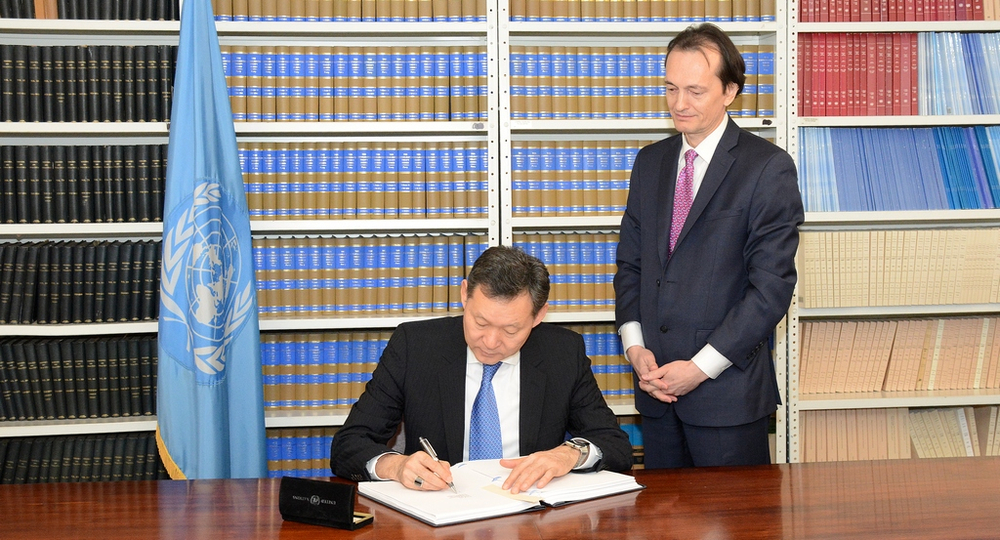
2017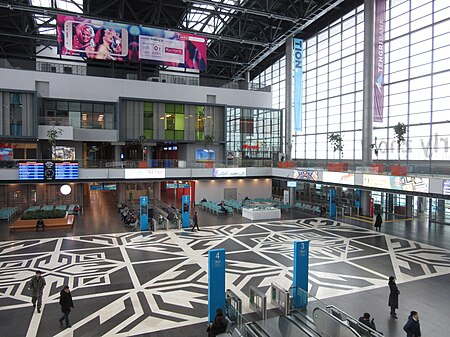
The Astana Nurly Zhol Railway Station, inaugurated on May 31, 2017, stands as a testament to Kazakhstan's commitment to modern infrastructure and transportation. Spanning an impressive 120,000 square meters, this state-of-the-art facility is the most modern railway station in the country. Designed to accommodate the growing needs of rail travel, the station is expected to serve 54 trains daily, providing seamless connectivity across the region. With a capacity to handle up to 35,000 passengers each day, Astana Nurly Zhol is poised to become a central hub for both domestic and international travel. The station not only enhances the efficiency of Kazakhstan's railway network but also symbolizes the nation's aspirations for economic growth and modernization. As a key component of the Nurly Zhol infrastructure program, it plays a crucial role in facilitating trade and tourism, thereby contributing to the overall development of the country. #mooflife #mof #MomentOfLife #AstanaNurlyZhol #KazakhstanRailway #ModernInfrastructure #RailwayStation #Transportation
View details2016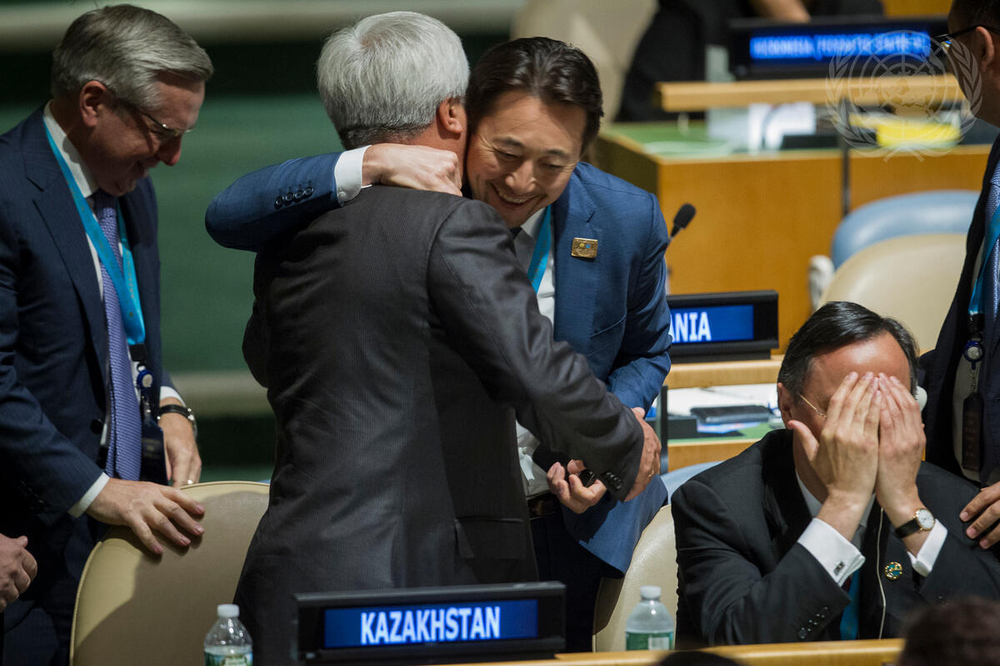
On June 28, 2016, Kazakhstan achieved a significant milestone in its foreign policy by being elected as a non-permanent member of the United Nations Security Council (UNSC) for the 2017-2018 term. This election marked a culmination of Kazakhstan's persistent efforts since 2014 to secure a seat on the Council, reflecting its commitment to enhancing its role in international peace and security. As a non-permanent member, Kazakhstan aimed to contribute to global governance and address pressing international issues, including conflict resolution, peacekeeping, and the promotion of sustainable development. The election was not only a recognition of Kazakhstan's diplomatic initiatives but also an opportunity for the country to advocate for regional stability and cooperation in Central Asia. Kazakhstan's participation in the UNSC is expected to bolster its international standing and provide a platform for promoting its foreign policy objectives, including disarmament and the peaceful resolution of conflicts. This achievement underscores Kazakhstan's dedication to multilateralism and its aspiration to play a constructive role in addressing global challenges. #mooflife #mof #MomentOfLife #Kazakhstan #UnSecurityCouncil #InternationalRelations #PeaceAndSecurity #Diplomacy
View details2015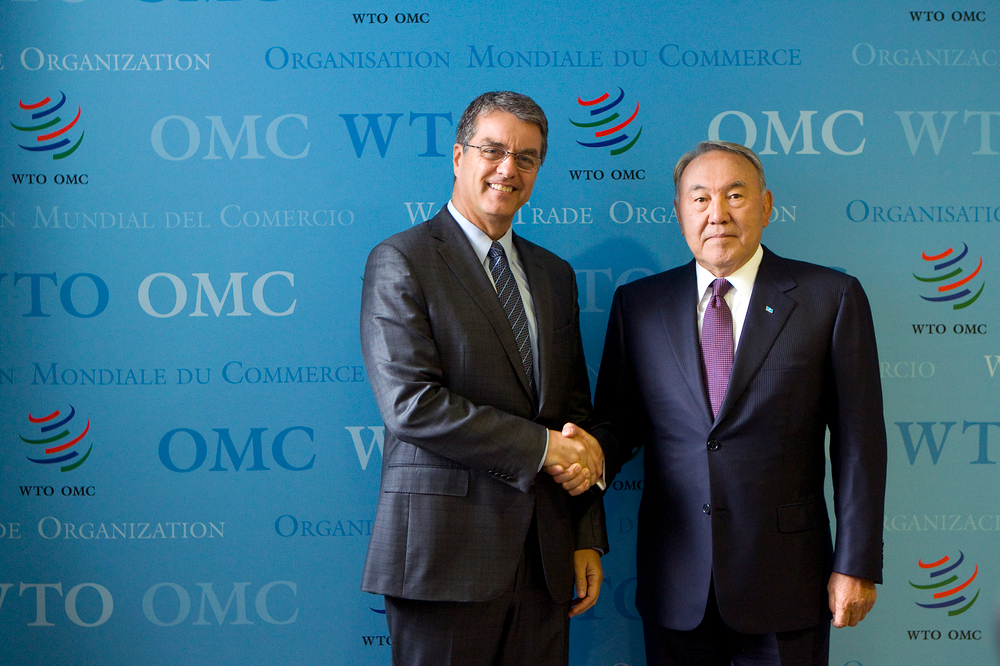
In 2015, Kazakhstan took a significant step in enhancing its global trade relations by joining the World Trade Organization (WTO). This membership marked a pivotal moment for the country, positioning it as a key player in international trade and opening its markets to billions of potential consumers. Kazakhstan's strategic location along the new Silk Road further amplifies its role in global commerce, facilitating trade between Europe and Asia. By becoming a WTO member, Kazakhstan committed to adhering to international trade rules and standards, which not only boosts investor confidence but also fosters a more competitive business environment. The accession to the WTO is expected to enhance Kazakhstan's economic growth, diversify its economy, and improve the overall quality of life for its citizens. As the country continues to integrate into the global economy, its participation in the WTO will play a crucial role in shaping its trade policies and practices, ultimately benefiting both local and international stakeholders. #mooflife #mof #MomentOfLife #Kazakhstan #WorldTradeOrganization #GlobalTrade #SilkRoad #EconomicGrowth
View detailsWorld Bank Approves $100 Million Loan for Skills and Job Project to Enhance Employment Opportunities
On March 30, 2015, the World Bank's Group of Executive Directors approved a significant loan of $100 million for the Skills and Job project in Kazakhstan. This initiative is designed to address the pressing need for skills development among various segments of the workforce, including the unemployed, those who are unproductively self-employed, and employees seeking further training. The overarching goal of the project is to enhance the employability of the Kazakh workforce, thereby contributing to the country's broader economic development objectives. By investing in training programs, the project aims to equip individuals with the necessary skills to meet the demands of the labor market, ultimately fostering a more competitive and productive economy. This collaboration with the World Bank underscores Kazakhstan's commitment to improving its human capital and ensuring sustainable economic growth through targeted skills development. #mooflife #mof #MomentOfLife #WorldBank #Kazakhstan #SkillsDevelopment #JobTraining #EconomicDevelopment
View detailsIn February 2015, the Federal Bureau of Investigation (FBI) and the Kazakh Anti-Corruption Agency formalized their commitment to combat corruption through the signing of a Mutual Legal Assistance Treaty (MLAT). This treaty aims to enhance cooperation between the two agencies in the investigation and prosecution of corruption-related offenses. By establishing a framework for mutual legal assistance, the FBI and the Kazakh Anti-Corruption Agency can share evidence, facilitate the transfer of information, and support each other's law enforcement efforts. This partnership is particularly significant given the global nature of corruption and the need for international collaboration to address it effectively. The treaty underscores the commitment of both nations to uphold the rule of law and promote transparency in governance. It also reflects a growing recognition of the importance of cross-border cooperation in tackling corruption, which can undermine economic development and erode public trust in institutions. The signing of the MLAT is a pivotal step towards strengthening the legal frameworks necessary for effective anti-corruption measures and fostering a collaborative approach to law enforcement between the United States and Kazakhstan. #mooflife #mof #MomentOfLife #Fbi #Kazakhstan #Anti-corruption #MutualLegalAssistanceTreaty #InternationalCooperation
View details2014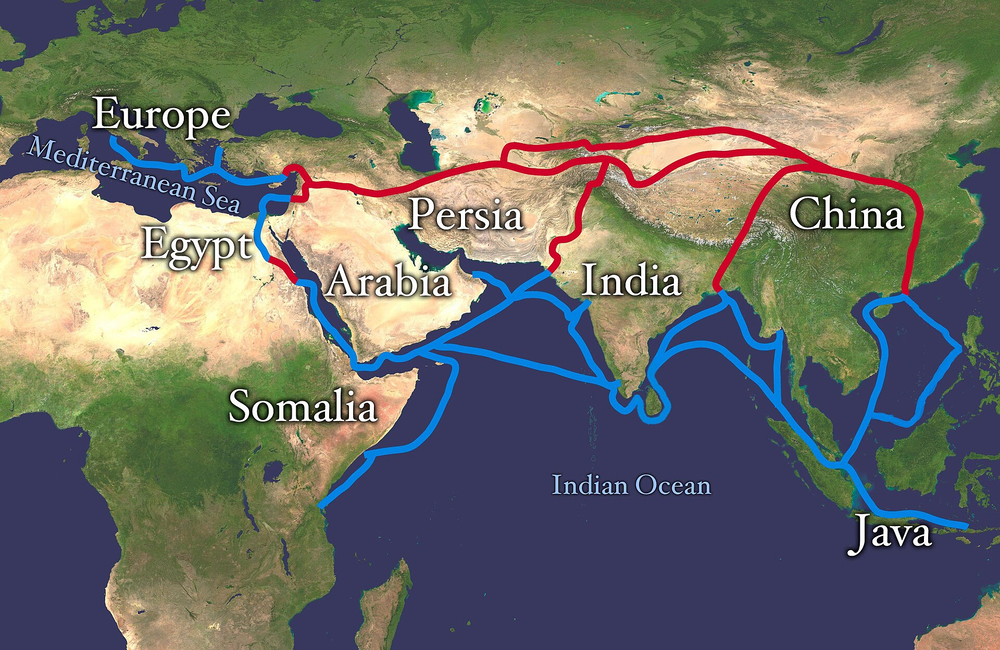
In 2014, the Silk Roads: the Routes Network of Chang'an-Tianshan Corridor was inscribed on the UNESCO World Heritage list, recognizing its immense historical significance in facilitating trade and cultural exchanges between the East and West. This corridor, which stretches across several countries, including Kazakhstan, serves as a testament to the rich interactions that occurred along the ancient Silk Road. The routes not only enabled the exchange of goods such as silk, spices, and precious metals but also fostered the sharing of ideas, art, and technology among diverse cultures. The Chang'an-Tianshan Corridor is particularly notable for its role in connecting the ancient capital of Chang'an (modern-day Xi'an, China) with the Tianshan mountain range, acting as a vital link in the vast network of trade routes that shaped the history of Eurasia. The inclusion of this site in the UNESCO World Heritage list highlights the importance of preserving such cultural heritage, which continues to influence global trade and cultural interactions today. As we reflect on the legacy of the Silk Roads, it is essential to recognize their role in promoting mutual understanding and cooperation among civilizations throughout history. #mooflife #mof #MomentOfLife #SilkRoads #UnescoWorldHeritage #CulturalExchange #Chang'an-tianshanCorridor #HistoricalTradeRoutes
View details2013
On October 17, 2013, Kazakhstan achieved a significant milestone by being accepted as 'EITI Compliant' by the Extractive Industries Transparency Initiative (EITI). This designation indicates that Kazakhstan has established a basic and functional framework for the regular disclosure of revenues generated from its natural resources. The EITI is a global standard aimed at promoting transparency and accountability in the extractive sector, which includes oil, gas, and mining industries. By becoming EITI Compliant, Kazakhstan demonstrates its commitment to enhancing governance and fostering public trust in how natural resource revenues are managed. This compliance not only helps in attracting foreign investment but also ensures that citizens are informed about how their country's wealth is being utilized. The EITI framework encourages countries to disclose information about their extractive industries, including how much revenue is generated and how it is spent, thereby promoting responsible management of natural resources. Kazakhstan's compliance with EITI standards is a step towards greater transparency and accountability in the management of its rich natural resources, ultimately benefiting its economy and society as a whole. #mooflife #mof #MomentOfLife #Eiti #Kazakhstan #Transparency #NaturalResources #Governance
View detailsIn 2013, Kazakhstan took a significant step towards sustainable development by launching its Green Economy Plan. This ambitious initiative aims to transform the country's energy landscape by committing to meet 50 percent of its energy needs from alternative and renewable sources by the year 2050. The Green Economy Plan is not only a response to global environmental challenges but also a strategic move to bolster the national economy. It is projected that the transition to a green economy will increase Kazakhstan's GDP by approximately 3 percent and create around 500,000 new jobs across various sectors. To facilitate this transition, the government has established a pricing framework for energy produced from renewable sources. For instance, the price for energy generated by wind power plants is set at 22.68 tenge (approximately $0.12) per kilowatt-hour, while energy from small hydro-power plants is priced at 16.71 tenge (around $0.09) per kilowatt-hour. These measures are designed to encourage investment in renewable energy and support the development of a sustainable energy market in Kazakhstan, ultimately contributing to the country's long-term economic and environmental goals. #mooflife #mof #MomentOfLife #GreenEconomy #Kazakhstan #RenewableEnergy #SustainableDevelopment #EnergyPolicy
View details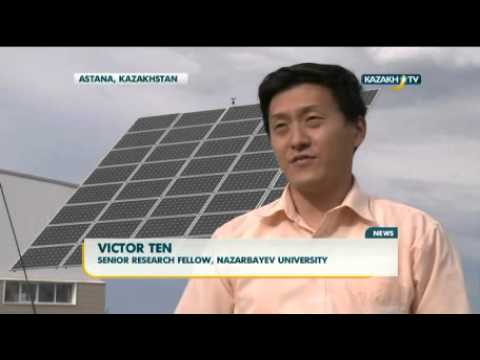
2012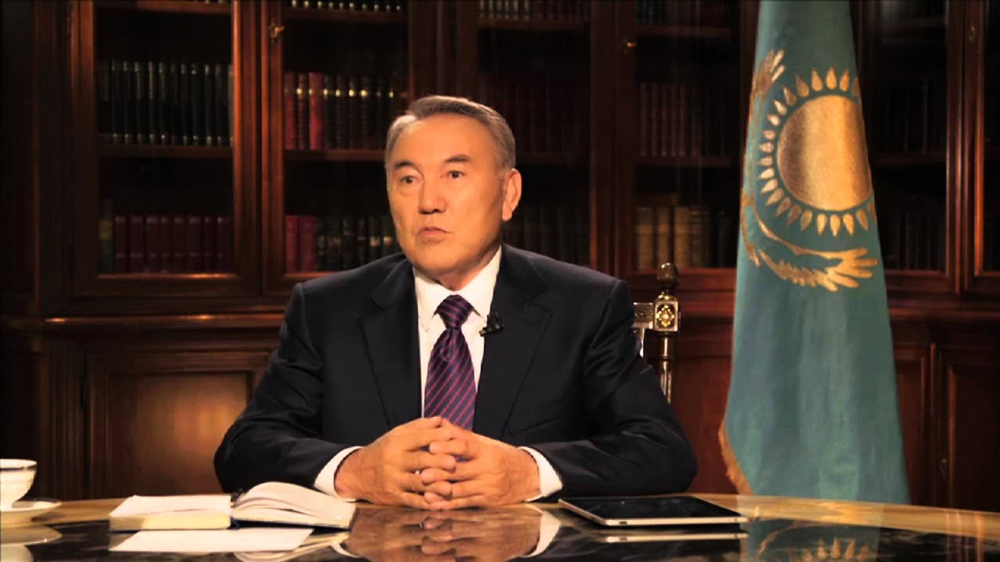
In December 2012, President Nursultan Nazarbayev announced the Kazakhstan 2050 Strategy with the slogan 'Strong Business, Strong State.' This pragmatic strategy proposes sweeping socio-economic and political reforms to hoist Kazakhstan among the top 30 economies by 2050. In this document, Kazakhstan gives itself 15 years to evolve into a knowledge economy. New sectors are to be created during each five-year plan. The first of these, covering the years 2010–2014, focused on developing industrial capacity in car manufacturing, aircraft engineering and the production of locomotives, passenger and cargo railroad cars. During the second five-year plan to 2019, the goal is to develop export markets for these products. To enable Kazakhstan to enter the world market of geological exploration, the country intends to increase the efficiency of traditional extractive sectors such as oil and gas. It also intends to develop rare earth metals, given their importance for electronics, laser technology, communication and medical equipment. The second five-year plan coincides with the development of the Business 2020 roadmap for small and medium-sized enterprises (SMEs), which makes provision for the allocation of grants to SMEs in the regions and for microcredit. The government and the National Chamber of Entrepreneurs also plan to develop an effective mechanism to help start-ups.
View detailsOn November 12, 2012, Kazakhstan achieved a significant milestone in its international relations by being elected as a member of the United Nations Human Rights Council (UNHRC) for the first time. This election is a testament to Kazakhstan's ongoing commitment to promoting and protecting human rights both domestically and globally. The UNHRC is an intergovernmental body within the UN system responsible for strengthening the promotion and protection of human rights around the world. Kazakhstan's election to this esteemed council reflects its efforts to enhance its international standing and engage more actively in global human rights dialogues. The country has been working to improve its human rights record and has taken steps to align its policies with international human rights standards. This election not only marks a pivotal moment for Kazakhstan but also provides an opportunity for the nation to contribute to the global discourse on human rights, share its experiences, and learn from other member states. As a member of the UNHRC, Kazakhstan is expected to uphold the principles of the council and work towards addressing human rights challenges, thereby reinforcing its role as a responsible member of the international community. #mooflife #mof #MomentOfLife #Kazakhstan #UnHumanRightsCouncil #InternationalRelations #HumanRights #GlobalGovernance
View detailsIn the realm of athletics, Kazakhstan has made a significant mark on the global stage, particularly through the remarkable achievements of its athletes. One of the standout figures is Olga Rypakova, who captured the world's attention during the 2012 Summer Olympics held in London. Rypakova's exceptional performance in the women's triple jump event earned her a gold medal, solidifying her status as one of Kazakhstan's premier athletes. Her victory not only showcased her incredible talent and dedication but also highlighted Kazakhstan's growing prowess in athletics. Rypakova's achievement brought immense pride to her nation, inspiring a new generation of athletes in Kazakhstan. The success of athletes like Rypakova and others has contributed to increasing global awareness of Kazakhstan's sporting capabilities, particularly in disciplines such as boxing and athletics. As the nation continues to invest in sports development, the legacy of Rypakova's Olympic triumph serves as a beacon of hope and motivation for aspiring athletes across the country. #mooflife #mof #MomentOfLife #OlgaRypakova #KazakhstanAthletics #2012SummerOlympics #TripleJump #OlympicGoldMedal
View details2011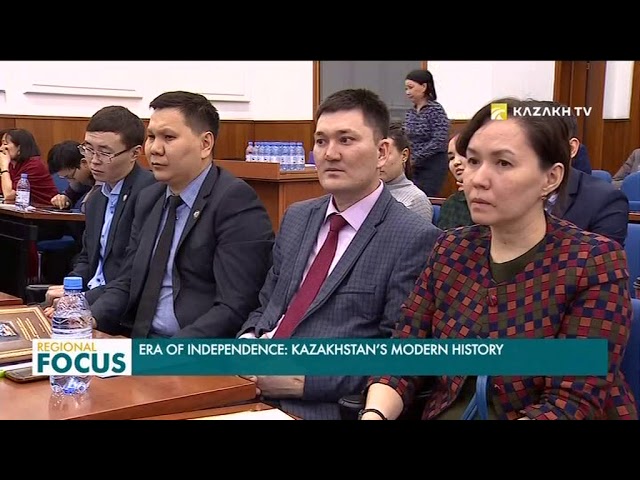
In December 2011, Kazakhstan proudly celebrated 20 years of independence, marking a significant milestone since it declared independence from the Soviet Union on December 16, 1991. Over the past two decades, Kazakhstan has experienced remarkable transformations across various sectors, showcasing substantial economic growth, political stability, and social development. The government highlighted key achievements in energy, infrastructure, and education, which have played a crucial role in the nation’s progress. However, the celebration also served as a moment of reflection, acknowledging ongoing challenges such as corruption, human rights issues, and the need for political reforms. As Kazakhstan looks to the future, the anniversary emphasizes the importance of addressing these challenges while continuing to build on the successes of the past two decades. The journey of Kazakhstan since gaining independence is a testament to the resilience and determination of its people, and the nation is poised to navigate the complexities of the modern world while striving for further development and prosperity. #mooflife #mof #MomentOfLife #Kazakhstan #Independence #EconomicGrowth #PoliticalStability #SocialDevelopment
View detailsIn 2011, Kazakhstan's vibrant cities of Astana and Almaty proudly hosted the Asian Winter Games, marking a significant milestone in the country's sporting history. This prestigious event not only showcased Kazakhstan's capability to organize large-scale international sporting competitions but also highlighted its state-of-the-art winter sports facilities. The Games attracted athletes from across Asia, fostering a spirit of camaraderie and competition. The successful execution of the Asian Winter Games positioned Kazakhstan as a potential host for future international events, including its bids for the Winter Olympics in 2014 and 2022. The event served as a platform to promote winter sports in the region and encouraged local participation, ultimately contributing to the development of sports culture in Kazakhstan. The legacy of the 2011 Asian Winter Games continues to inspire future generations of athletes and sports enthusiasts in the country. #mooflife #mof #MomentOfLife #AsianWinterGames #KazakhstanSports #Astana #Almaty #WinterSports
View details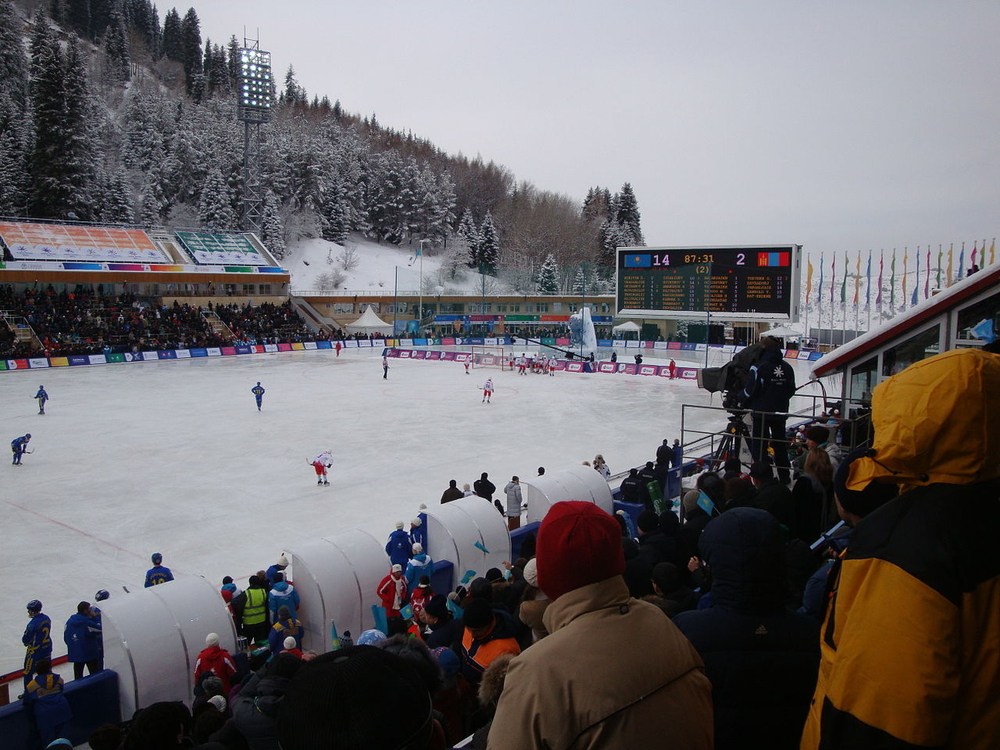
2010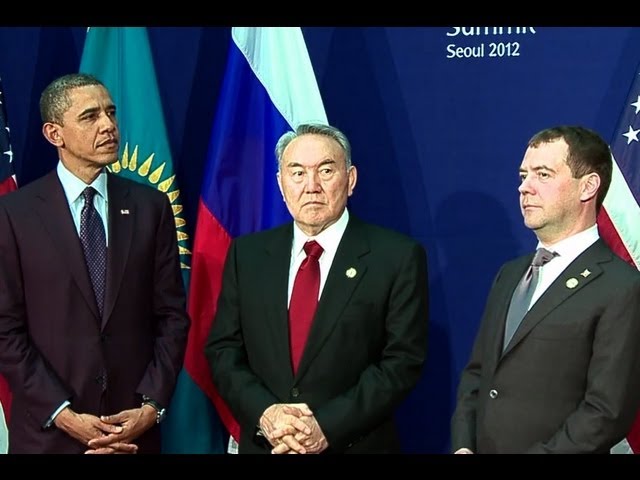
On April 11, 2010, a significant meeting took place between Presidents Nursultan Nazarbayev of Kazakhstan and Barack Obama of the United States at the Nuclear Security Summit held in Washington, D.C. This summit was pivotal in addressing global nuclear security challenges and fostering international cooperation. During their discussions, both leaders emphasized the importance of strengthening the strategic partnership between their nations. They pledged to enhance bilateral cooperation in several critical areas, including nuclear safety and non-proliferation, which are essential for maintaining global peace and security. Additionally, they focused on promoting regional stability in Central Asia, recognizing its strategic importance in the broader geopolitical landscape. Economic prosperity and the promotion of universal values were also key topics, reflecting a shared commitment to fostering democratic principles and sustainable development. This meeting underscored the collaborative efforts of the United States and Kazakhstan in addressing pressing global issues and highlighted their mutual interests in ensuring a secure and prosperous future for their nations and the world at large. #mooflife #mof #MomentOfLife #NuclearSecuritySummit #Kazakhstan #UnitedStates #NuclearNon-proliferation #InternationalRelations
View details2009
In 2009, the Constitutional Council of Kazakhstan made a landmark declaration affirming the rights to religious freedom as enshrined in the country's constitution. This declaration was a pivotal moment in Kazakhstan's legal and social landscape, reinforcing the commitment to human rights and the protection of individual freedoms. The council declared unconstitutional a proposed law that sought to limit the rights of certain individuals to practice their religion, thereby upholding the principles outlined in Article 39, which states that "Human rights and freedoms shall not be restricted in any way." Furthermore, Article 14 explicitly prohibits discrimination on religious grounds, while Article 19 guarantees the right of individuals to determine their own religious affiliations. This declaration not only solidified the legal framework for religious freedom in Kazakhstan but also highlighted the nation's dedication to fostering a diverse and inclusive society. The affirmation of these rights is crucial in a secular state like Kazakhstan, where the coexistence of various religious beliefs is essential for social harmony and national unity. #mooflife #mof #MomentOfLife #Kazakhstan #ReligiousFreedom #ConstitutionalCouncil #HumanRights #SecularState
View details2008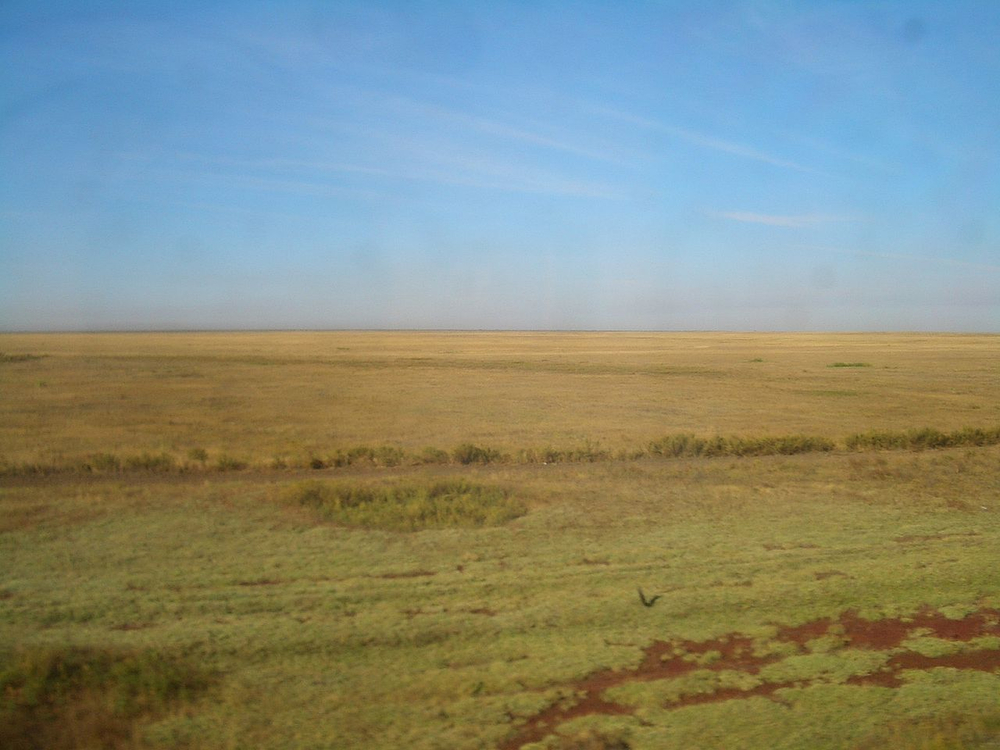
In 2008, the Saryarka - Steppe and Lakes of Northern Kazakhstan were inscribed on the UNESCO World Heritage list, recognizing the region's exceptional natural beauty and ecological significance. This site encompasses a vast expanse of steppe and numerous lakes, providing a unique habitat for a diverse array of wildlife, including several endangered species. The Saryarka region is characterized by its rich biodiversity, featuring various ecosystems that support both flora and fauna adapted to the harsh continental climate. The area is not only vital for conservation efforts but also plays a crucial role in the cultural heritage of Kazakhstan, reflecting the traditional lifestyles of local communities that have coexisted with nature for centuries. The recognition by UNESCO highlights the importance of preserving such natural landscapes for future generations, promoting sustainable tourism and environmental awareness. As a UNESCO World Heritage site, Saryarka serves as a reminder of the need to protect our planet's natural treasures and the intricate balance of ecosystems that sustain life. This designation has also opened up opportunities for research, conservation initiatives, and increased global awareness of the ecological significance of Northern Kazakhstan's steppe and lakes. #mooflife #mof #MomentOfLife #Unesco #WorldHeritage #Saryarka #Kazakhstan #NaturalConservation
View details2007
On December 1, 2007, Kazakhstan was officially announced as the chair of the Organization for Security and Co-operation in Europe (OSCE) for the year 2010. This decision marked a significant milestone in Kazakhstan's international diplomatic efforts, showcasing its growing influence on the global stage. As the first Central Asian country to hold the OSCE chairmanship, Kazakhstan aimed to enhance security and cooperation across Europe and beyond. The OSCE, which focuses on conflict prevention, crisis management, and post-conflict rehabilitation, provided Kazakhstan with a platform to promote its foreign policy objectives, including regional stability and economic development. The chairmanship also allowed Kazakhstan to strengthen its relationships with other member states and to advocate for issues such as arms control, human rights, and the fight against terrorism. This achievement not only highlighted Kazakhstan's commitment to international cooperation but also its strategic role in fostering dialogue among diverse nations. As a member of various international organizations, including the United Nations, UNESCO, and the World Trade Organization, Kazakhstan's leadership in the OSCE further solidified its position as a key player in global diplomacy. #mooflife #mof #MomentOfLife #Kazakhstan #Osce #InternationalDiplomacy #GlobalCooperation #CentralAsia
View details2004
Elections to the Majilis in September 2004 yielded a lower house dominated by the pro-government Otan Party, headed by President Nazarbayev. Two other parties considered sympathetic to the president, including the agrarian-industrial bloc AIST and the Asar Party, founded by President Nazarbayev's daughter, won most of the remaining seats. The opposition parties which were officially registered and competed in the elections won a single seat. The Organization for Security and Cooperation in Europe was monitoring the election, which it stated fell short of international standards. The elections were marked by a lack of genuine competition, as the pro-government parties maintained a stronghold over the political landscape. The Otan Party, being the dominant force, reflected the interests of the ruling elite and President Nazarbayev's administration. The presence of the AIST and Asar parties further solidified the pro-government stance, limiting the scope for opposition voices within the Majilis. Despite the official registration of opposition parties, their minimal success in securing seats highlighted the challenges they faced in a political environment that favored the ruling parties. The single seat won by the opposition underscored the systemic barriers to political pluralism in Kazakhstan at the time. The OSCE's assessment of the elections pointed to significant shortcomings, raising concerns about the democratic process and the integrity of the electoral system in Kazakhstan. Overall, the 2004 Majilis elections illustrated the consolidation of power by pro-government entities and the marginalization of opposition forces, setting a precedent for future electoral processes in the country. #mooflife #mof #MomentOfLife #Kazakhstan #MajilisElections #OtanParty #Nazarbayev #Osce
View detailsIn 2004, the Petroglyphs within the Archaeological Landscape of Tamgaly were inscribed on the UNESCO World Heritage list, recognizing their outstanding universal value. Located in Kazakhstan, this archaeological site is celebrated for its extensive collection of rock carvings that date back to the Bronze Age. The petroglyphs depict a variety of themes, including hunting scenes, rituals, and daily life, offering invaluable insights into the cultural and historical heritage of the region. The site not only showcases the artistic expression of ancient civilizations but also reflects the spiritual and social dynamics of the communities that once inhabited this area. The Tamgaly petroglyphs are a testament to the rich history of human creativity and interaction with the environment, making it a significant site for both researchers and visitors alike. The inclusion of Tamgaly in the UNESCO World Heritage list highlights the importance of preserving such cultural treasures for future generations, ensuring that the stories etched in stone continue to be told and appreciated. #mooflife #mof #MomentOfLife #UnescoWorldHeritage #TamgalyPetroglyphs #KazakhstanCulture #ArchaeologicalHeritage #RockCarvings
View details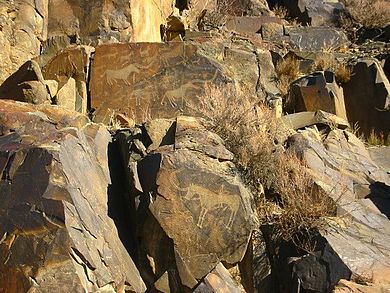
2002
In September 2002, Kazakhstan achieved a significant milestone by becoming the first country in the Commonwealth of Independent States (CIS) to receive an investment grade credit rating from a major international credit rating agency. This achievement was a testament to the country's ongoing economic reforms and its commitment to creating a stable and attractive investment environment. Earlier in March 2002, the U.S. Department of Commerce had already recognized Kazakhstan's market economy status under U.S. trade law, which highlighted the country's progress in various areas such as currency convertibility, wage rate determination, and openness to foreign investment. The investment grade credit rating not only enhanced Kazakhstan's reputation on the global stage but also opened up new opportunities for foreign investors, facilitating increased capital inflow and economic growth. This pivotal moment marked a turning point in Kazakhstan's economic development, positioning it as a leader in the region and setting a precedent for other CIS countries to follow. The combination of market economy status and investment grade credit rating laid a solid foundation for Kazakhstan's future economic endeavors and integration into the global economy. #mooflife #mof #MomentOfLife #Kazakhstan #InvestmentGrade #CreditRating #Cis #EconomicReforms
View detailsIn March 2002, the U.S. Department of Commerce granted Kazakhstan market economy status under U.S. trade law, marking a significant milestone in the country's economic development. This designation acknowledged the substantial reforms Kazakhstan had implemented in various critical areas, including currency convertibility, wage rate determination, and the openness to foreign investment. The recognition also indicated a shift in government control over the means of production and the allocation of resources, aligning Kazakhstan more closely with market economy principles. This change not only enhanced Kazakhstan's international trade relations but also attracted foreign investors looking for stable and promising opportunities in the region. Following this achievement, in September 2002, Kazakhstan further solidified its economic standing by becoming the first country in the Commonwealth of Independent States (CIS) to receive an investment-grade credit rating from a major international credit rating agency. This dual recognition underscored Kazakhstan's commitment to economic reform and its potential as a viable market for global investors. #mooflife #mof #MomentOfLife #Kazakhstan #MarketEconomyStatus #UsTradeLaw #ForeignInvestment #EconomicReforms
View detailsKazMunayGas (KMG) was established in 2002 as the national oil and gas company of Kazakhstan, with the primary objective of representing the interests of the state in the oil and gas sector. This strategic move was aimed at consolidating the country's resources and ensuring that the benefits of its vast hydrocarbon reserves are maximized for national development. KMG plays a pivotal role in managing the country's oil and gas resources, overseeing exploration, production, and refining activities. One of the significant projects under KMG's purview is the Tengiz Field, which was developed in 1993 as a joint venture known as Tengizchevroil. This venture includes major international players such as Chevron Texaco (50%), ExxonMobil (25%), KazMunayGas (20%), and LukArco (5%). Additionally, the Karachaganak natural gas and gas condensate field is another critical asset, developed by a consortium that includes BG, Agip, ChevronTexaco, and Lukoil. The involvement of Chinese oil companies in Kazakhstan further highlights the country's strategic importance in the global energy landscape. KMG continues to be a key player in fostering international partnerships and driving the growth of Kazakhstan's oil and gas industry, ensuring that it remains competitive and sustainable in the long term. #mooflife #mof #MomentOfLife #Kazmunaygas #KazakhstanOilAndGas #TengizField #KarachaganakField #EnergyIndustry
View details