
Kazakhstan

The Land of the Great Steppe
Related Lives

Libya
Oasis of the Sahara
Ethiopia
Federal Democratic Republic of Ethiopia
Bosnia and Herzegovina
The Land of Golden Lilies

Haiti
The Resilient Spirit of Haiti

Ghana
Culture-Warmth-Rhythm

Arkansas
The Natural State
Afghanistan
The Jewel of Central Asia
Belarus
Land of Lakes and Forests

2000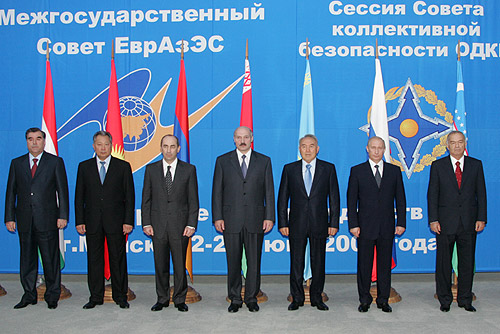
In the year 2000, Kazakhstan, alongside Russia, Belarus, Kyrgyzstan, and Tajikistan, established the Eurasian Economic Community (EurAsEC). This organization was formed with the primary objective of reviving and enhancing previous initiatives aimed at harmonizing trade tariffs among member states. The EurAsEC sought to create a free trade zone under a customs union, facilitating smoother trade relations and economic cooperation among its members. By aligning their economic policies and reducing trade barriers, the member countries aimed to boost regional trade and investment, ultimately fostering economic growth and stability in the region. The establishment of the Eurasian Economic Community marked a significant step towards deeper economic integration in Eurasia, reflecting the countries' commitment to collaborative economic development. This initiative has laid the groundwork for further economic partnerships and has been instrumental in shaping the economic landscape of Central Asia and beyond. #mooflife #mof #MomentOfLife #EurasianEconomicCommunity #Kazakhstan #TradeTariffs #CustomsUnion #EconomicIntegration
View detailsSince its inception of KAZBAT in 2000, the joint tactical peacekeeping exercise 'Steppe Eagle' has been a significant initiative hosted by the Kazakhstan government. This exercise is designed to enhance cooperation among participating nations, focusing on building effective coalitions for peacekeeping operations. 'Steppe Eagle' provides a platform for military forces from various countries to collaborate, share best practices, and improve interoperability in complex operational environments. A key component of these exercises is the KAZBAT peacekeeping battalion, which operates as part of a multinational force under a unified command structure. This collaboration includes participation from NATO and the U.S. Military, emphasizing the importance of joint efforts in maintaining peace and security. The exercises not only strengthen military capabilities but also foster diplomatic relations among nations, contributing to regional stability and international peacekeeping efforts. #mooflife #mof #MomentOfLife #SteppeEagle #PeacekeepingExercise #Kazakhstan #Kazbat #Nato
View details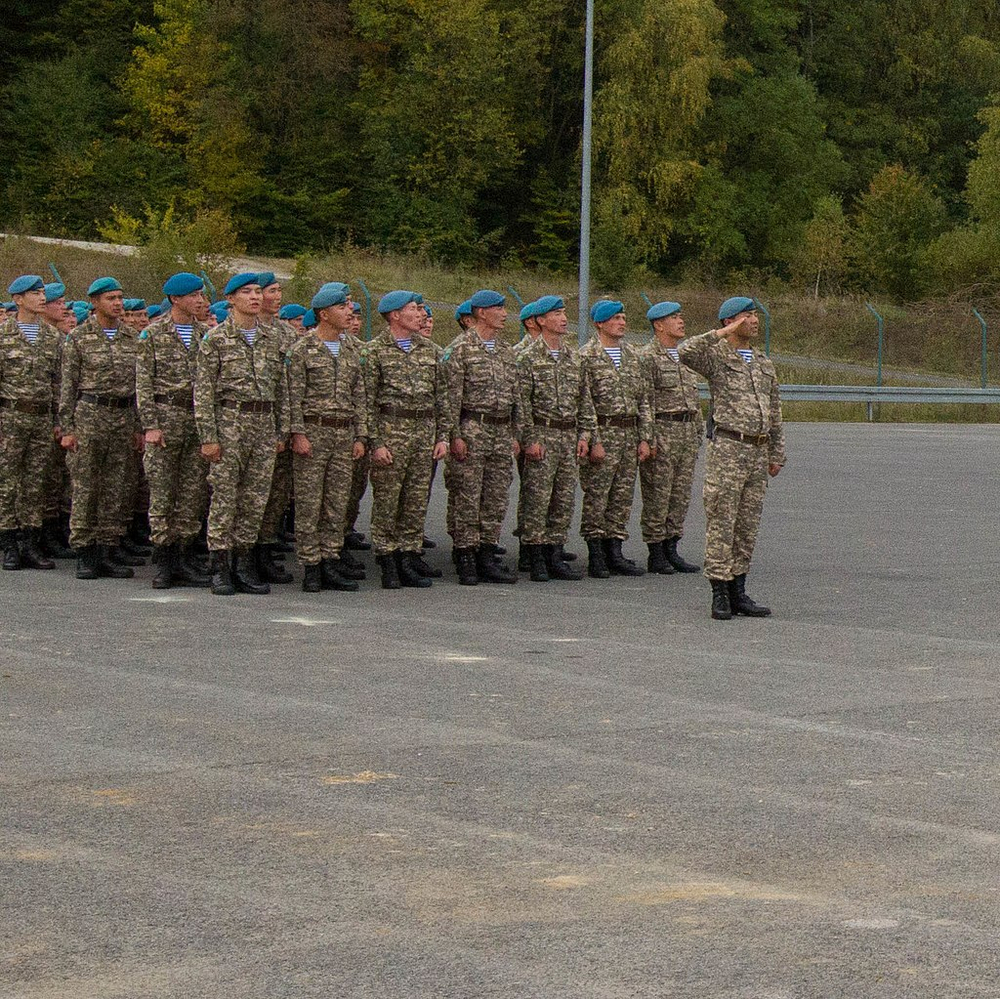
1998
Kazakhstan instituted a pension reform program in 1998, which has significantly transformed the retirement savings landscape in the country. By January 2012, the pension assets had grown to approximately $17 billion (KZT 2.5 trillion), reflecting the success of this initiative. Currently, there are 11 saving pension funds operating in Kazakhstan, with the State Accumulating Pension Fund being the only state-owned fund, which was privatised in 2006. The unified financial regulatory agency oversees and regulates these pension funds, ensuring compliance and stability within the sector. The growing demand for investment opportunities has led to the development of the debt securities market, with pension fund capital being predominantly invested in corporate and government bonds, including Eurobonds issued by the government of Kazakhstan. Furthermore, the government is studying the possibility of creating a unified national pension fund to consolidate all accounts from private pension funds, aiming to enhance the management and efficiency of pension assets. This reform not only provides citizens with better options for retirement savings but also contributes to the overall economic growth of Kazakhstan. #mooflife #mof #MomentOfLife #Kazakhstan #PensionReform #RetirementSavings #InvestmentFunds #FinancialRegulation
View details1997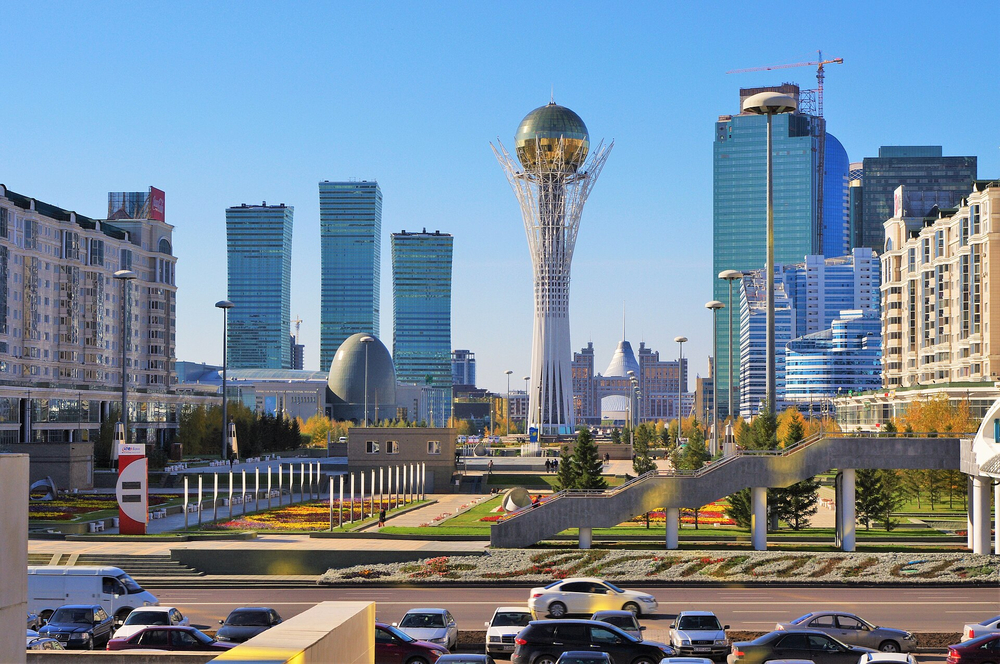
In 1997, the government of Kazakhstan made a significant decision to relocate the capital from Almaty, the country's largest city, to a new city named Astana. This move was part of a broader strategy to promote economic growth and development in the northern regions of the country. Almaty, which had served as the capital since the Soviet era, was deemed to be geographically vulnerable due to its proximity to the border with China and its susceptibility to natural disasters. The establishment of Astana as the capital was aimed at fostering a more centralized governance structure and encouraging investment in the less developed northern areas. On 23 March 2019, the city was officially renamed Nur-Sultan in honor of Nursultan Nazarbayev, the first President of Kazakhstan, who played a pivotal role in the country's independence and development. The transformation of Astana into a modern capital has been marked by ambitious architectural projects and urban planning initiatives, positioning it as a symbol of Kazakhstan's aspirations on the global stage. #mooflife #mof #MomentOfLife #Kazakhstan #Astana #Nur-sultan #CapitalRelocation #NursultanNazarbayev
View details1992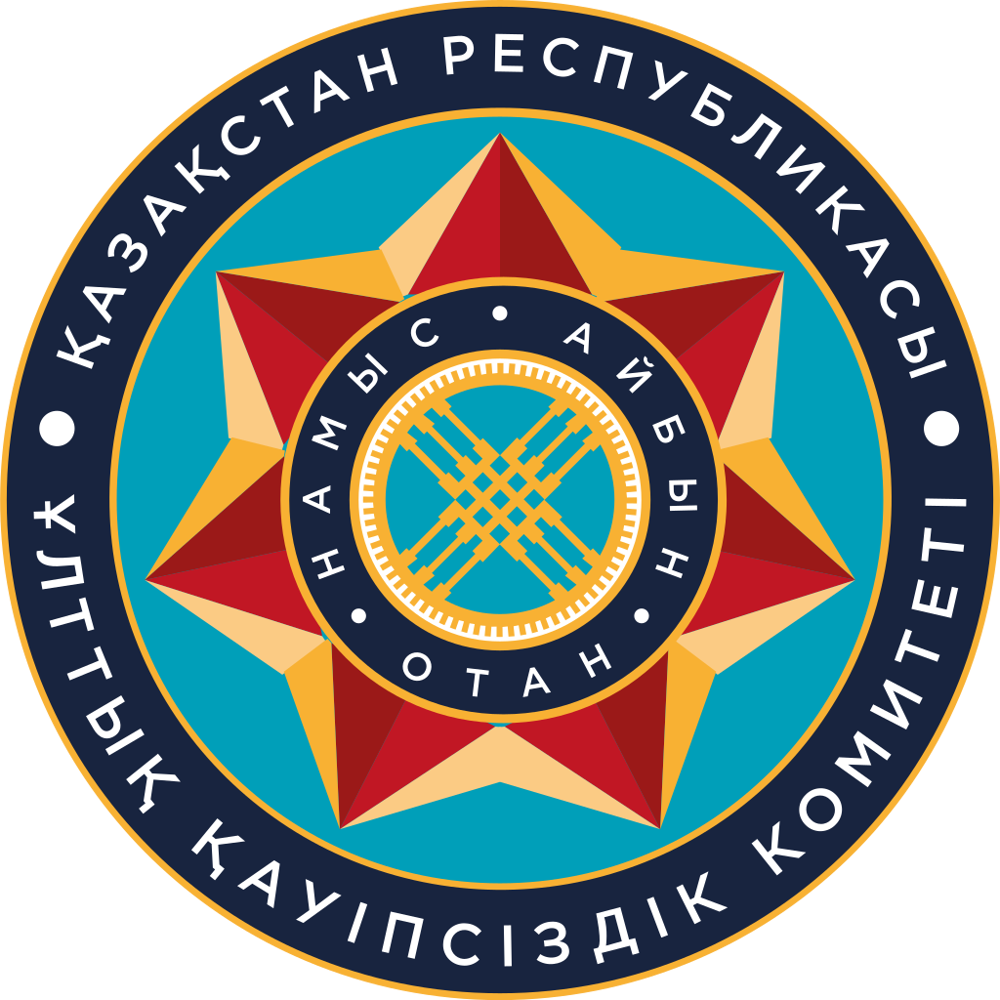
Kazakhstan's National Security Committee, known as UQK, was officially established on June 13, 1992, marking a significant step in the country's efforts to ensure national security and stability following its independence. The UQK encompasses several critical components, including the Service of Internal Security, Military Counterintelligence, and the Border Guard, which collectively work to protect the nation's sovereignty and maintain internal order. Additionally, the committee includes several Commando units that are tasked with specialized operations to counter threats. A key element of the UQK is its Foreign Intelligence division, known as Barlau, which is regarded as the most vital part of the organization. This division plays a crucial role in gathering intelligence and conducting operations that safeguard Kazakhstan's interests on the global stage. The leadership of the UQK is under the direction of Nurtai Abykayev, who has been instrumental in shaping the committee's strategies and operations. The establishment of the UQK reflects Kazakhstan's commitment to building a robust security framework to address both internal and external challenges in a rapidly changing geopolitical landscape. #mooflife #mof #MomentOfLife #Kazakhstan #NationalSecurityCommittee #Uqk #NurtaiAbykayev #ForeignIntelligence
View details1991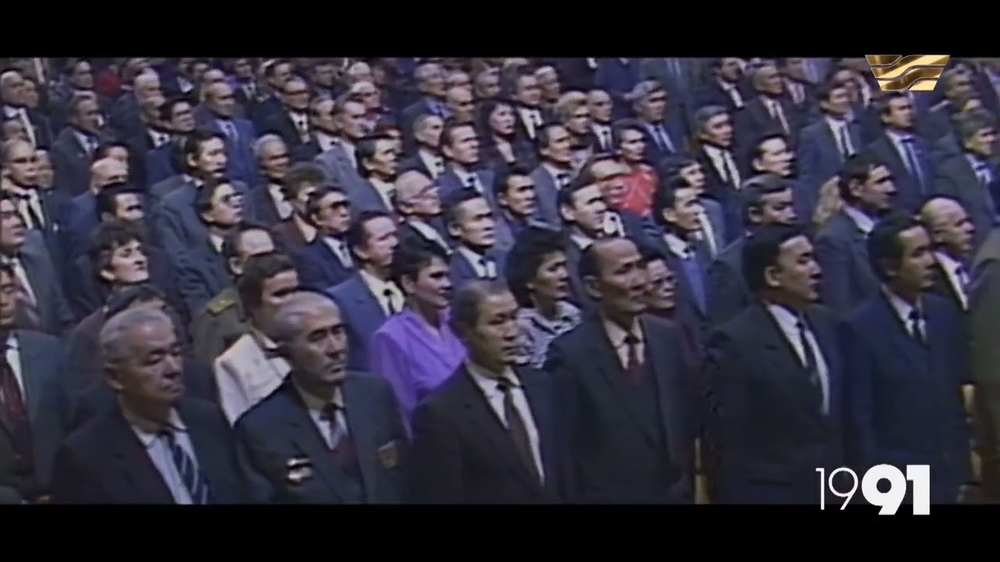
On 16 December 1991, Kazakhstan declared independence from the Soviet Union when the republic’s legislature adopted the Constitutional Law “On the State Independence of the Republic of Kazakhstan” in Alma-Ata (now Almaty) - a decisive legal act that established Kazakhstan as a fully sovereign state.
The declaration was made through the Supreme Council’s adoption of the independence law, issued and signed in Alma-Ata, which was the country’s capital at the time.
Kazakhstan’s independence declaration came at the end of a fast-moving political unravelling across the USSR. In the late 1980s and early 1990s, reforms and rising national movements across Soviet republics accelerated demands for greater autonomy and statehood. Kazakhstan formally declared state sovereignty before independence, setting the stage for a transition from a union republic to a self-governing state. In 1991, as the Soviet system weakened further-especially after the failed August coup attempt-one republic after another moved from sovereignty to full independence. Kazakhstan’s leadership proceeded more cautiously than many others, so Kazakhstan became the last Soviet republic to adopt a formal independence law in December 1991.
The 16 December 1991 law did more than simply announce separation; it laid down the core pillars of statehood. It proclaimed Kazakhstan an independent, democratic, and law-governed state, affirming that the republic possessed full authority over its territory and would determine its domestic and foreign policy independently. The law framed Kazakhstan as a subject of international law-able to establish diplomatic relations, enter international organizations, and build relationships with other states on generally recognized principles of international law. It also affirmed the integrity and inviolability of Kazakhstan’s territory within its existing borders, and addressed key foundations of governance, including the structure of state power, citizenship principles, and the creation of national institutions.
The act also reflected practical state-building needs at the exact moment of independence. It identified national state symbols (such as flag, emblem, and anthem) as part of the independent state’s identity and confirmed Alma-Ata as the capital at that time. Economically, the law asserted state ownership and control over strategic national resources and set out the state’s right to build independent financial and economic systems-important groundwork as Kazakhstan prepared for the post-Soviet reality of managing borders, trade, currency policy, and international economic relationships as a new sovereign country.
Independence on 16 December quickly became the anchor point for Kazakhstan’s entry into the post-Soviet international order. Within days, Kazakhstan joined the regional process that formed the Commonwealth of Independent States (CIS) through agreements concluded later in December 1991 in Alma-Ata/Almaty, as former union republics coordinated the practical consequences of the USSR’s dissolution. From there, Kazakhstan moved to establish diplomatic recognition, membership in international organizations, and the legal and institutional architecture of a modern independent state.
Kazakhstan's journey to independence began on October 25, 1990, when it declared sovereignty as a republic within the Soviet Union. This pivotal moment set the stage for a significant transformation in the region. The political landscape shifted dramatically following the aborted coup attempt in Moscow in August 1991, which highlighted the instability of the Soviet regime. In response to these events, Kazakhstan took a decisive step towards self-determination by declaring its independence on December 16, 1991. This declaration marked Kazakhstan as the last Soviet republic to achieve independence, symbolizing the end of an era. Just ten days later, the Soviet Union officially dissolved, leading to the emergence of multiple independent states. Kazakhstan's independence not only reshaped its national identity but also paved the way for its development as a sovereign nation in the post-Soviet landscape. The declaration of independence is celebrated annually in Kazakhstan, reflecting the country's commitment to its sovereignty and the values of freedom and democracy.
#KazakhstanIndependence #SovietUnion #Post-sovietStates #KazakhstanHistory #1991Independence
View details1990
On October 25, 1990, Kazakhstan took a significant step in its political evolution by declaring sovereignty over its territory, establishing itself as a republic within the Soviet Union. This declaration marked a pivotal moment in the country's history, as it laid the groundwork for future independence. The political landscape in the region was tumultuous, particularly following the aborted coup attempt in Moscow in August 1991, which highlighted the instability of the Soviet regime. In a decisive move, Kazakhstan proclaimed its independence on December 16, 1991, becoming the last of the Soviet republics to do so. This declaration not only signified the end of Kazakhstan's status as a Soviet republic but also coincided with the dissolution of the Soviet Union itself just ten days later. The independence of Kazakhstan was a crucial moment that allowed the nation to embark on a new path of self-determination and governance, shaping its identity and future in the post-Soviet landscape. #mooflife #mof #MomentOfLife #Kazakhstan #Independence #Sovereignty #SovietUnion #1991
View details1986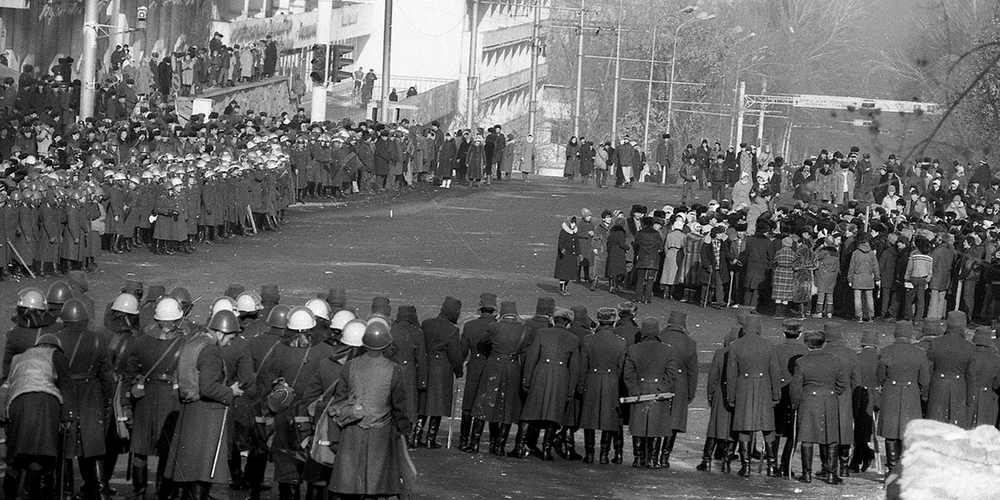
On 16 December 1986, the Jeltoqsan (Zheltoksan) protests were sparked in Alma-Ata (now Almaty), Kazakh SSR, after Moscow abruptly replaced Kazakhstan’s long-serving party leader Dinmukhamed Kunayev with Gennady Kolbin, a senior official seen locally as an outsider-igniting one of the earliest mass, openly defiant youth movements of the late Soviet era.
The background to Jeltoqsan lay in growing frustration-especially among Kazakh students and young workers-over how republic leadership was decided and how cultural and political power was concentrated under Soviet rule. When the leadership change was announced on 16 December, it quickly became a symbol of Moscow’s dominance: Kunayev, an ethnic Kazakh who had led the republic for many years, was removed and replaced by Kolbin, who had not built his career in Kazakhstan. To many, the appointment signaled that local voices and local legitimacy did not matter in the most senior decisions about the republic’s future.
What followed was a rapid escalation from political shock to street mobilization. Crowds of mostly young people-often described as students-began gathering in the city center, with the largest concentrations forming at Brezhnev Square/Republic Square. Demonstrations intensified into clashes as authorities moved to disperse people using police and internal-security forces, and the confrontation spread beyond the square into surrounding streets and areas tied to student life such as dormitories and campuses. While 16 December marks the catalytic leadership decision and the start of the “December events,” many accounts note that the largest street demonstrations surged the next morning and then continued for several days as the authorities pushed to regain control.
The crackdown produced a heavy human and institutional toll that remains sensitive in Kazakhstan’s historical memory. Reports consistently describe mass detentions and arrests, disciplinary actions against participants (including expulsions from universities and job repercussions), and injuries caused during dispersal operations. The number of deaths is disputed: Soviet-era reporting minimized fatalities, while later accounts and investigations have suggested higher totals and emphasize that the full scale was never transparently established. What is clear is that Jeltoqsan left deep scars, created long-lasting grievances about repression, and became a defining reference point for later debates about justice, historical truth, and national identity.
In the longer arc of Kazakhstan’s modern history, Jeltoqsan became widely seen as an early sign that the Soviet system’s authority was fracturing-years before the USSR formally dissolved. After independence, the events were increasingly commemorated as part of Kazakhstan’s national story, with Republic Square in Almaty remaining one of the most symbolically charged locations tied to the uprising and its memory.
In December 1986, the Jeltoqsan riot erupted in Almaty, Kazakhstan, marking a significant moment in the history of Soviet dissent. The protests were primarily led by young ethnic Kazakhs who were outraged by the appointment of Gennady Kolbin, a Russian from the Russian SFSR, as the First Secretary of the Communist Party of the Kazakh SSR, replacing the long-standing leader Dinmukhamed Konayev. This change was perceived as a disregard for the local population's interests and a continuation of Moscow's dominance over Kazakhstan. The demonstrations quickly escalated, with thousands of participants demanding political change and greater autonomy. In response, the Soviet government deployed troops to suppress the unrest, resulting in violent clashes that led to several fatalities and numerous arrests. The Jeltoqsan riot is often viewed as a precursor to the broader wave of nationalism and calls for independence that emerged in the late 1980s and early 1990s, particularly under Mikhail Gorbachev's policies of glasnost and perestroika, which encouraged openness and reform. This event remains a pivotal moment in Kazakhstan's struggle for identity and sovereignty, symbolizing the growing discontent with Soviet rule and the desire for self-determination among the Kazakh people.
#JeltoqsanRiot #KazakhstanHistory #SovietUnion #EthnicKazakhs #MikhailGorbachev
View details1984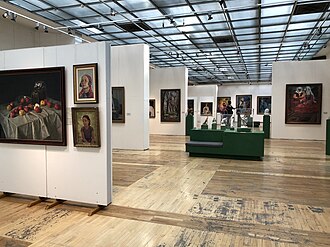
In 1984, the State Museum of Art of Kazakhstan was renamed in honor of Abilkhan Kasteyev, a prominent Kazakh artist renowned for his contributions to the art scene in the region. Kasteyev's work was significantly influenced by Russian artists, particularly Vasily Vereshchagin and Nikolai Khludov, which helped shape his unique artistic style. His paintings often depicted the rich cultural heritage and landscapes of Kazakhstan, making him a pivotal figure in the representation of Kazakh art. The renaming of the museum not only pays tribute to Kasteyev's legacy but also highlights the importance of local artists in the broader context of art history. The museum continues to serve as a vital institution for the preservation and promotion of Kazakh art, showcasing both historical and contemporary works. By honoring Kasteyev, the museum reinforces its commitment to celebrating the artistic achievements of Kazakhstan and fostering a deeper appreciation for the nation's cultural identity. #mooflife #mof #MomentOfLife #AbilkhanKasteyev #StateMuseumOfArt #Kazakhstan #KazakhArt #ArtHistory
View details1961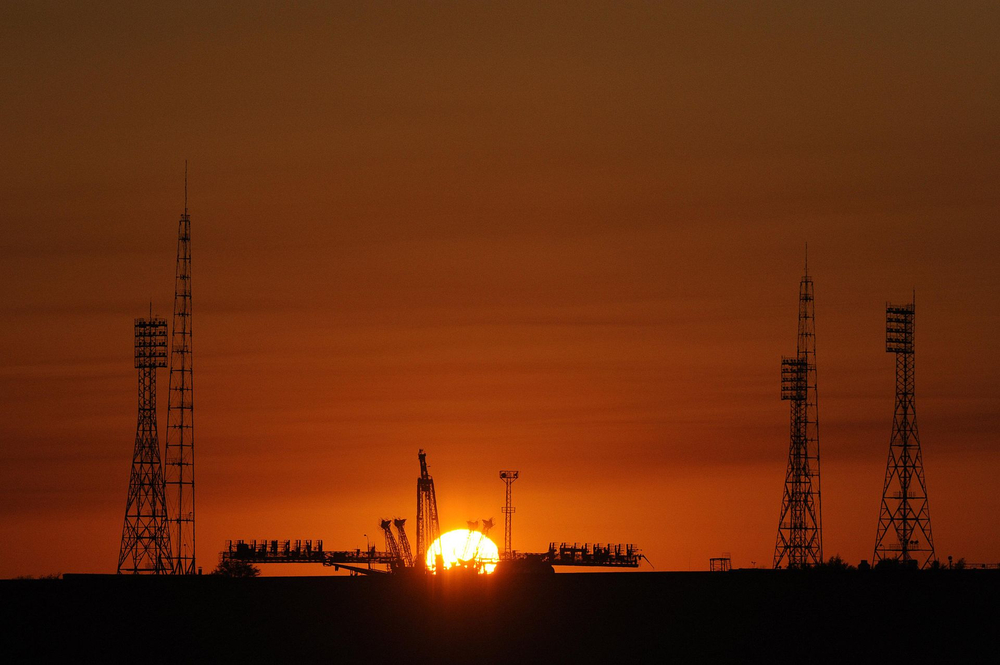
In April 1961, the Baikonur Cosmodrome in Kazakhstan served as the launch site for Vostok 1, marking a monumental achievement in human space exploration. This mission was historic as it carried Soviet cosmonaut Yuri Gagarin, who became the first human to journey into outer space. The Vostok 1 spacecraft completed one orbit around the Earth, lasting approximately 108 minutes. Gagarin's successful flight not only demonstrated the capabilities of Soviet space technology but also represented a significant victory in the Space Race between the United States and the Soviet Union. The mission was a pivotal moment in the history of space exploration, inspiring generations to come and solidifying Gagarin's status as an international hero. His famous words, 'Poyekhali!' or 'Let's go!', became a rallying cry for space enthusiasts and a symbol of human curiosity and exploration. The success of Vostok 1 laid the groundwork for future manned space missions and established the Soviet Union as a leader in space exploration during the early years of the space age. #mooflife #mof #MomentOfLife #YuriGagarin #Vostok1 #BaikonurCosmodrome #SpaceExploration #1961
View details1953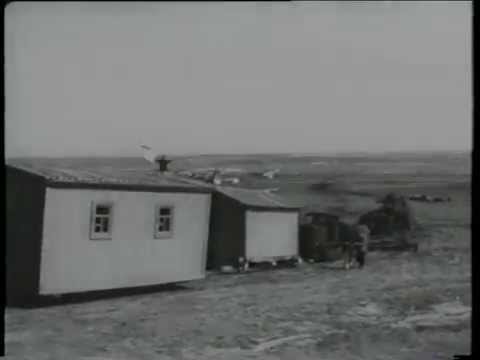
In 1953, the Virgin Lands Campaign was launched by Soviet leader Nikita Khrushchev with the ambitious goal of transforming Kazakhstan's traditional pasturelands into a significant grain-producing area for the Soviet Union. This initiative was part of a broader strategy to enhance agricultural output and reduce reliance on grain imports. The campaign aimed to cultivate vast tracts of land that had previously been underutilized, thereby increasing food production to support the growing population and the demands of the Soviet economy. While the Virgin Lands Campaign initially showed promise, the results were mixed. The rapid expansion of agriculture faced challenges such as soil degradation, inadequate infrastructure, and climatic conditions that were not always favorable for farming. Despite these setbacks, the campaign marked a pivotal moment in Kazakhstan's agricultural history, laying the groundwork for future developments in the sector. Under the leadership of Leonid Brezhnev, who succeeded Khrushchev, further modernizations were implemented from 1964 to 1982, which continued to shape the agricultural landscape of Kazakhstan. Today, agriculture remains a vital source of livelihood for a significant portion of the population, reflecting the long-term impact of the Virgin Lands Campaign and subsequent reforms. The legacy of this initiative is still felt in Kazakhstan's economy, as it transitioned from a primarily agricultural base to a more diversified economic structure while maintaining its agricultural roots. #mooflife #mof #MomentOfLife #VirginLandsCampaign #KazakhstanAgriculture #SovietUnionHistory #NikitaKhrushchev #AgriculturalDevelopment
View details1947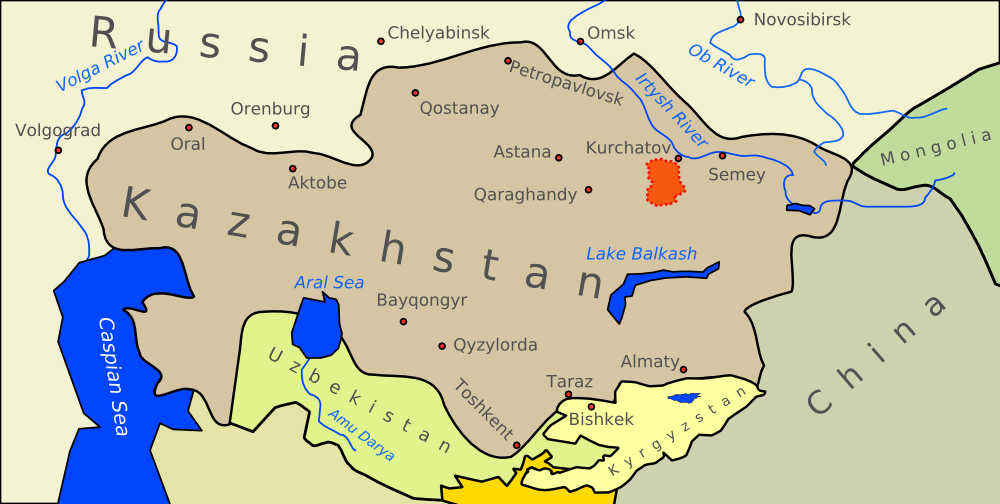
In 1947, the Soviet Union established an atomic bomb test site near Semipalatinsk, a town in northeastern Kazakhstan, as part of its ambitious atomic bomb project. This site became the location for the first Soviet nuclear bomb test, which took place in 1949. Over the next four decades, the USSR conducted hundreds of nuclear tests at Semipalatinsk, with the last test occurring in 1989. The extensive testing had severe repercussions for both the environment and the health of the local population, leading to widespread contamination and long-term health issues among residents. In response to these adverse effects, the Anti-nuclear movement in Kazakhstan gained momentum in the late 1980s, becoming a significant political force advocating for the cessation of nuclear testing and the protection of the environment. This movement played a crucial role in raising awareness about the dangers of nuclear weapons and ultimately contributed to the closure of the Semipalatinsk test site in 1991, marking a pivotal moment in Kazakhstan's post-Soviet history and its commitment to nuclear disarmament. #mooflife #mof #MomentOfLife #Semipalatinsk #NuclearTesting #Kazakhstan #Anti-nuclearMovement #SovietUnion
View details1936
On 5 December 1936, the Kazakh Autonomous Soviet Socialist Republic (whose territory by then corresponded to that of modern Kazakhstan) was detached from the Russian Soviet Federative Socialist Republic (RSFSR) and made the Kazakh Soviet Socialist Republic, a full union republic of the USSR, one of eleven such republics at the time, along with the Kirghiz Soviet Socialist Republic. The republic was one of the destinations for exiled and convicted persons, as well as for mass resettlements, or deportations affected by the central USSR authorities during the 1930s and 1940s, such as approximately 400,000 Volga Germans deported from the Volga German Autonomous Soviet Socialist Republic in September–October 1941, and then later the Greeks and Crimean Tatars. Deportees and prisoners were interned in some of the biggest Soviet labour camps (the Gulag), including ALZhIR camp outside Astana, which was reserved for the wives of men considered 'enemies of the people'. Many moved due to the policy of population transfer in the Soviet Union and others were forced into involuntary settlements in the Soviet Union.
View details1931
The Musical-Dramatic Training College, established in 1931, holds a significant place in the cultural landscape of Kazakhstan as the first institute of higher education dedicated to music. This pioneering institution laid the groundwork for the development of musical education in the country, nurturing generations of talented musicians and performers. In 1933, just two years after its founding, the college contributed to the cultural heritage of Kazakhstan by forming the Orchestra of Kazakh Folk Musical Instruments. This orchestra, named after the renowned 19th-century composer and dombra virtuoso Kurmangazy Sagyrbayuly, plays a crucial role in preserving and promoting Kazakh folk music traditions. The college and its associated orchestra have been instrumental in fostering a rich musical environment, leading to the establishment of other prominent musical institutions in Kazakhstan, such as the Kazakh State Kurmangazy Orchestra of Folk Instruments and the Kazakh National Opera. Today, the legacy of the Musical-Dramatic Training College continues to influence the vibrant music scene in Kazakhstan, ensuring that the country's rich cultural heritage is celebrated and passed on to future generations. #mooflife #mof #MomentOfLife #Kazakhstan #MusicalEducation #FolkMusic #CulturalHeritage #Orchestra
View details1920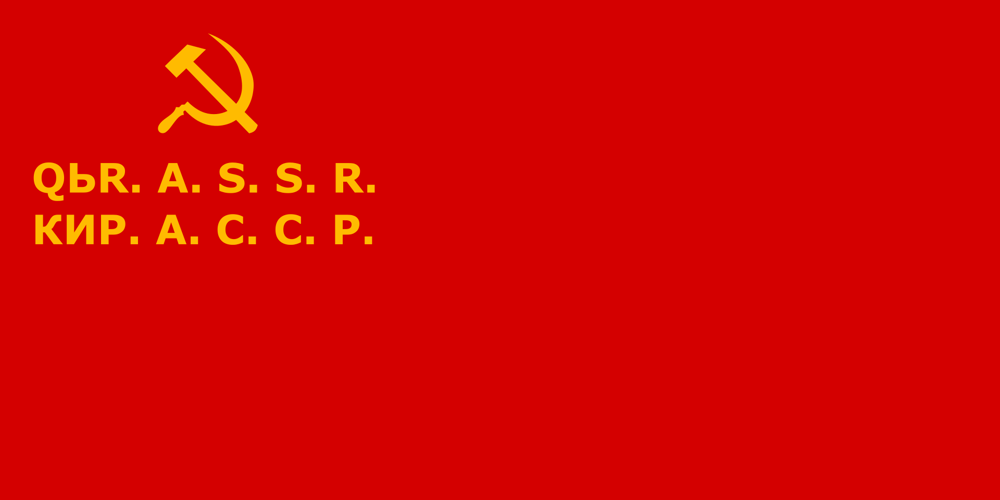
Following the collapse of central government in Petrograd in November 1917, the Kazakhs (then in Russia officially referred to as 'Kirghiz') experienced a brief period of autonomy (the Alash Autonomy) before eventually succumbing to the Bolsheviks' rule. On 26 August 1920, the Kirghiz Autonomous Socialist Soviet Republic within the Russian Soviet Federative Socialist Republic (RSFSR) was established. The Kirghiz ASSR included the territory of present-day Kazakhstan, but its administrative centre was the mainly Russian-populated town of Orenburg. This establishment marked a significant moment in the history of the region, as it represented the first formal recognition of the Kirghiz people within the Soviet framework. The Kirghiz Autonomous Socialist Soviet Republic aimed to provide a degree of self-governance and cultural autonomy for the Kazakh people during a tumultuous period of political upheaval. However, the Kirghiz ASSR was short-lived in its original form. In June 1925, it was renamed the Kazak Autonomous Socialist Soviet Republic (Kazak ASSR), reflecting a shift towards a more Kazakh-centric identity. This change was accompanied by a transfer of the administrative centre from Orenburg to Kyzylorda, and later to Alma-Ata in April 1927. These transitions were part of the broader Soviet strategy to consolidate power and integrate various ethnic groups into the Soviet system. The establishment and subsequent changes to the Kirghiz ASSR highlight the complexities of national identity and governance in the early Soviet Union, as well as the ongoing struggle for autonomy among the Kazakh people. The legacy of this period continues to influence Kazakhstan's political and cultural landscape today. #mooflife #mof #MomentOfLife #KirghizAutonomousSocialistSovietRepublic #KazakhstanHistory #SovietUnion #KazakhIdentity #BolshevikRule
View details1903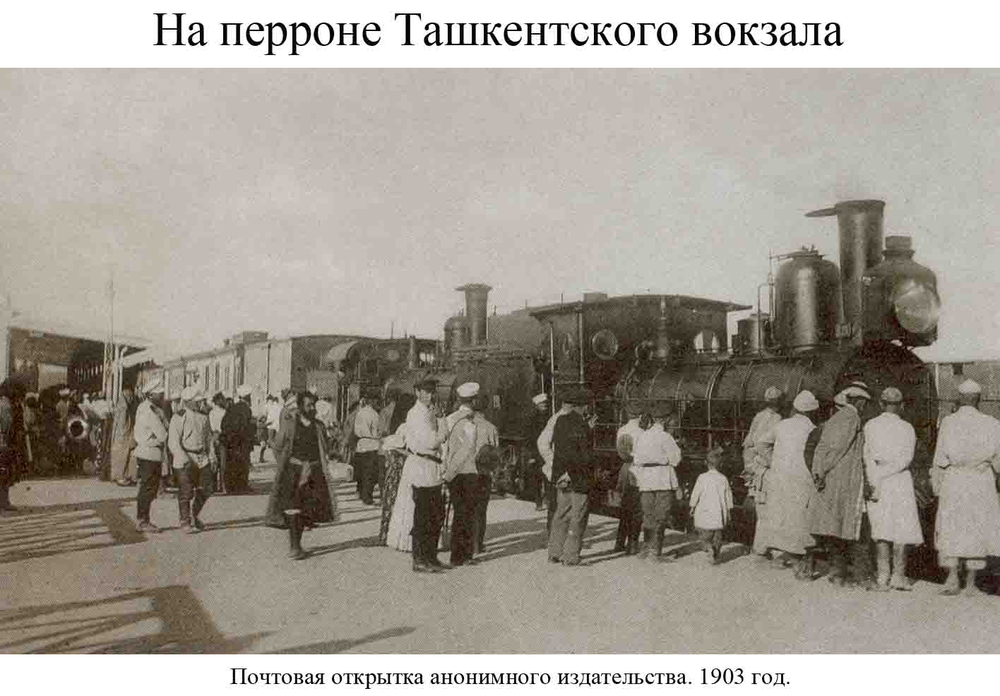
From the 1890s onward, ever-larger numbers of settlers from the Russian Empire began colonizing the territory of present-day Kazakhstan, in particular, the province of Semirechye. The number of settlers rose still further once the Trans-Aral Railway from Orenburg to Tashkent was completed in 1906. A specially created Migration Department (Переселенческое Управление) in St. Petersburg oversaw and encouraged the migration to expand Russian influence in the area. During the 19th century, about 400,000 Russians immigrated to Kazakhstan, and about one million Slavs, Germans, Jews, and others immigrated to the region during the first third of the 20th century. Vasile Balabanov was the administrator responsible for the resettlement during much of this time. The competition for land and water that ensued between the Kazakhs and the newcomers caused great resentment against colonial rule during the final years of the Russian Empire. The most serious uprising, the Central Asian revolt, occurred in 1916. The Kazakhs attacked Russian and Cossack settlers and military garrisons. The revolt resulted in a series of clashes and in brutal massacres committed by both sides. Both sides resisted the communist government until late 1919.
View details1465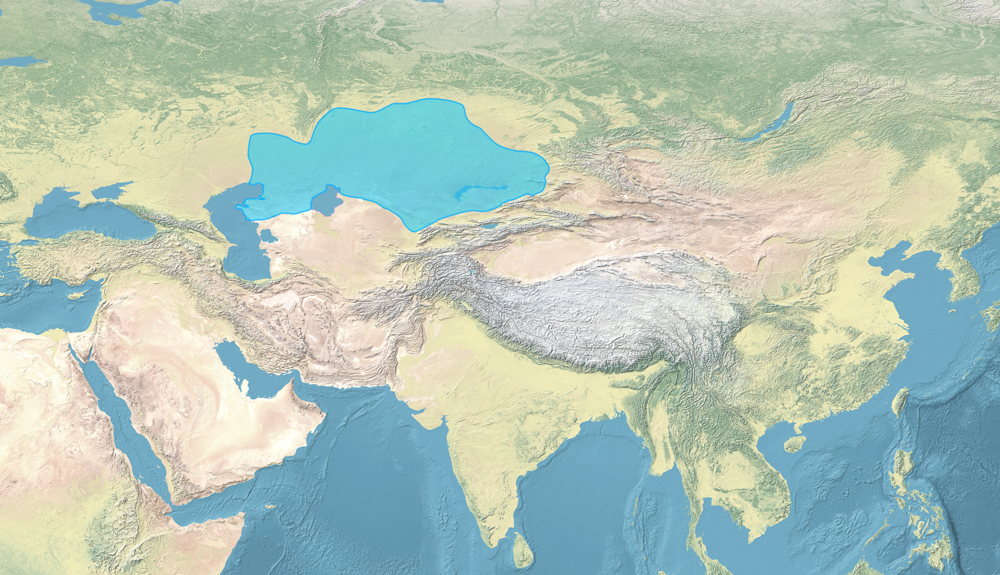
In 1465, the Kazakh Khanate emerged as a result of the dissolution of the Golden Horde. Established by Janibek Khan and Kerei Khan, it continued to be ruled by the Turco-Mongol clan of Tore (Jochid dynasty). Throughout this period, traditional nomadic life and a livestock-based economy continued to dominate the steppe. In the 15th century, a distinct Kazakh identity began to emerge among the Turkic tribes. This was followed by the Kazakh War of Independence, where the Khanate gained its sovereignty from the Shaybanids. By the mid-16th century, the Kazakh Khanate had solidified its status as a significant political entity in Central Asia, characterized by the development of a unique Kazakh language, culture, and economy. The emergence of the Khanate marked a pivotal moment in the history of the region, as it laid the foundation for the future statehood of Kazakhstan. The Kazakh Khanate played a crucial role in the unification of various Turkic tribes, fostering a sense of national identity and cultural heritage that continues to resonate in modern Kazakhstan. The legacy of the Kazakh Khanate is evident in the contemporary social and political landscape, where the values of nomadic traditions and communal living remain integral to Kazakh society. #mooflife #mof #MomentOfLife #KazakhKhanate #JanibekKhan #KereiKhan #Turco-mongol #KazakhIdentity
View details1259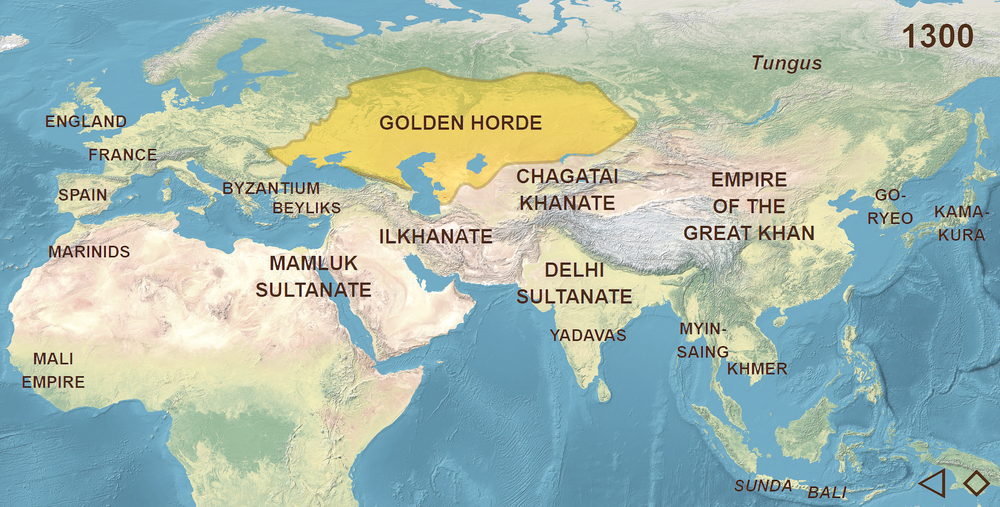
In 1259, following the division of the Mongol Empire, the territory that is now Kazakhstan came under the control of the Golden Horde, also referred to as the Ulus of Jochi. This period marked a significant transformation in the region's governance and culture. The Golden Horde established administrative districts known as Ulus, which facilitated the management of the vast territories they ruled. During this era, a unique Turco-Mongol tradition began to flourish among the ruling elite. The descendants of Genghis Khan, who had adopted Turkic customs and language, embraced Islam, which became a central aspect of their identity. This blend of Mongol and Turkic influences not only shaped the political landscape but also laid the groundwork for the cultural and religious development of the region. The Golden Horde's rule was characterized by a synthesis of nomadic and settled lifestyles, contributing to the rich tapestry of Kazakhstan's history. The legacy of this period is still evident today, as it played a crucial role in the formation of the Kazakh identity and the establishment of Islam as a significant cultural force in Central Asia. #mooflife #mof #MomentOfLife #GoldenHorde #Kazakhstan #MongolEmpire #Turco-mongolTradition #IslamInCentralAsia
View details0552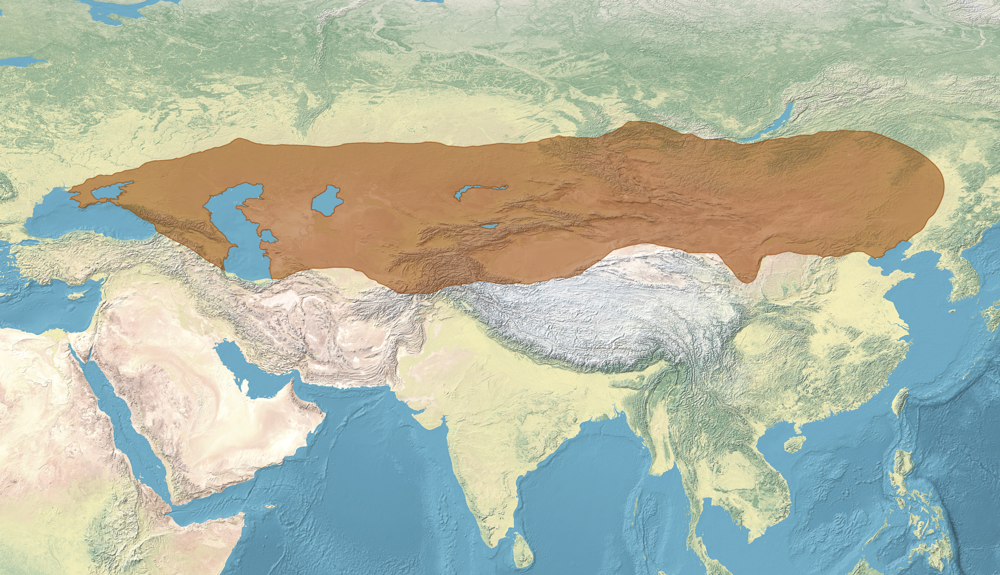
The first Turkic Khaganate, established by Bumin in 552, marked a significant turning point in the history of Central Asia. Located on the Mongolian Plateau, this powerful state rapidly expanded westward towards the Caspian Sea, showcasing the military prowess and strategic acumen of the Göktürks. During their conquests, the Göktürks encountered and displaced various groups, including the Xionites, Uar, and Oghurs, who eventually merged into larger entities such as the Avars and Bulgars. This period of expansion and consolidation lasted approximately 35 years, leading to the emergence of two distinct political entities: the Eastern and Western Turkic Khaganates. The Western Khaganate, in particular, reached its zenith in the early 7th century, becoming a formidable force in the region. The establishment of the Turkic Khaganate not only influenced the political landscape of Central Asia but also laid the groundwork for the cultural and social developments that would follow in the region. #mooflife #mof #MomentOfLife #TurkicKhaganate #Bumin #Göktürks #CentralAsia #7thCentury
View details