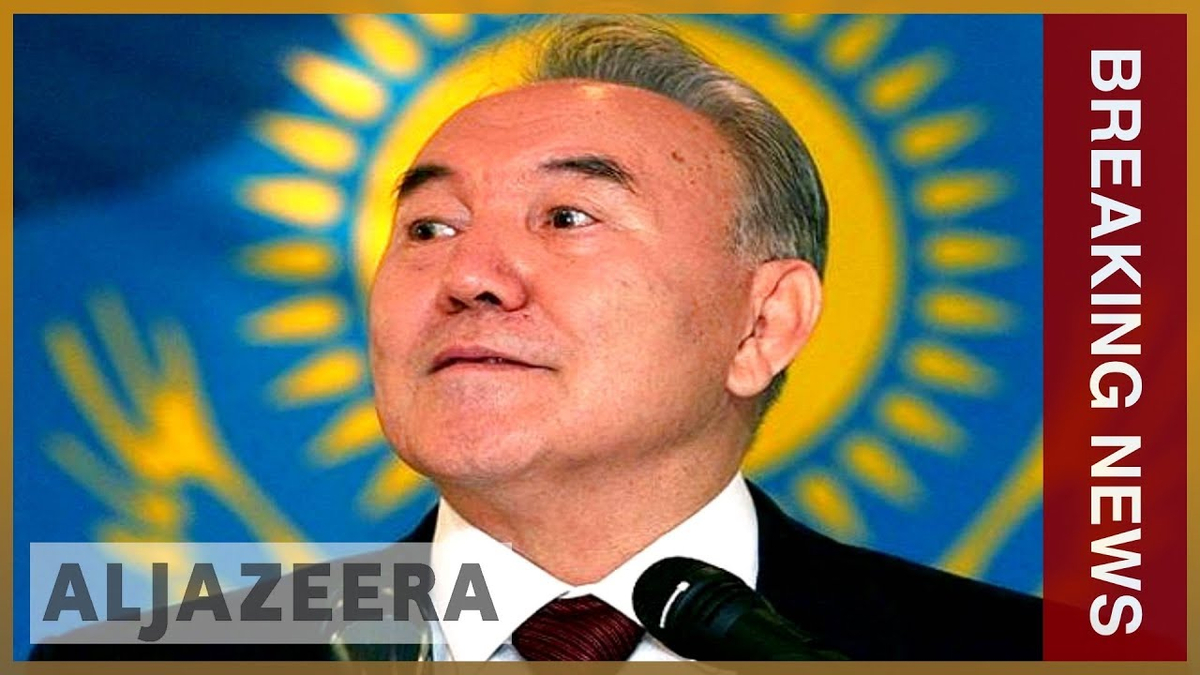
Nursultan Nazarbayev announced his resignation
Kazakhstan

Politics
Kazakhstan
Leadership
3 min read
Updated By: History Editorial Network (HEN)
Published:
Updated:
On March 19, 2019, Nursultan Nazarbayev, the long-serving president of Kazakhstan, announced his resignation, marking a significant turning point in the country's political landscape. Nazarbayev had been in power since the country's independence in 1991, and his departure raised questions about the future of governance in Kazakhstan. Following his resignation, Kassym-Jomart Tokayev, the speaker of the Senate, was elected as the new president in a snap election held on June 9, 2019. Tokayev's election was seen as a continuation of Nazarbayev's policies, and his first official act was to rename the capital city, Astana, to Nur-Sultan in honor of his predecessor. This move was symbolic of the enduring influence of Nazarbayev in Kazakhstan's political sphere, even after his resignation. The transition of power was relatively smooth, but it occurred against a backdrop of ongoing concerns regarding democracy and human rights in the country, as Kazakhstan has been classified as an authoritarian regime according to the Democracy Index by The Economist. As Kazakhstan moves forward under Tokayev's leadership, the international community will be watching closely to see how the new administration addresses these challenges and whether it will pursue reforms to enhance democratic governance. #mooflife #mof #MomentOfLife #Nazarbayev #Kazakhstan #Tokayev #PresidentialElection #PoliticalTransition

Explore the Life Moments of
 AI Twin