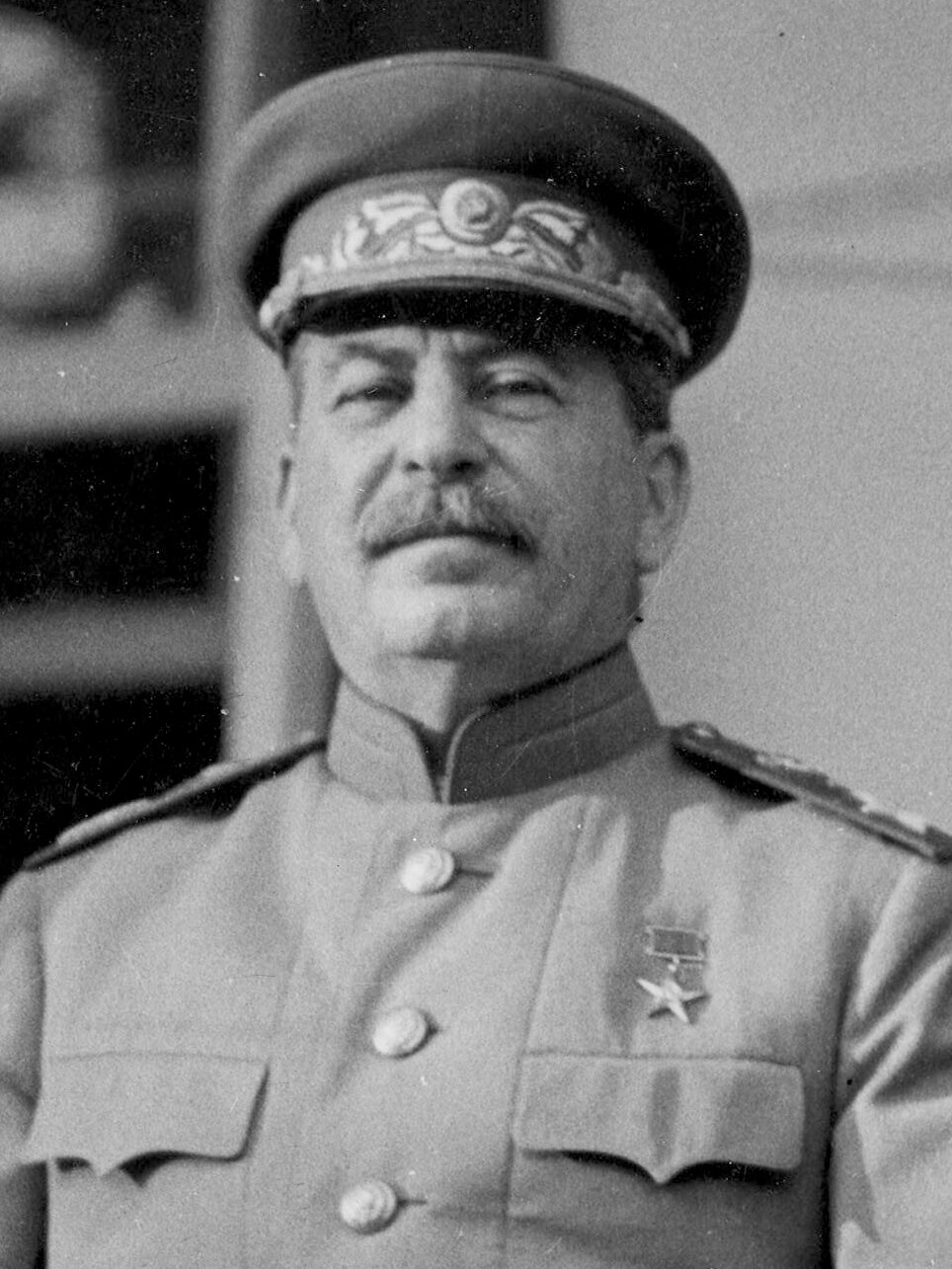
Tragic impact of Stalin's purges in Belarus: thousands executed or sent to camps
Belarus
Political
3 min read
Updated By: History Editorial Network (HEN)
Published:
During the 1930s, Belarus suffered severely from the purges orchestrated by Soviet dictator Joseph Stalin. Over 100,000 individuals, including intellectuals and political opponents, were executed, while thousands were sent to labor camps. The goal was to eliminate any dissent or opposition to Stalin's regime, leading to a massive loss of life and liberty in Belarus.
The purges had a devastating impact on the social and cultural fabric of Belarus, as many of the brightest minds and voices of dissent were silenced. Intellectuals, artists, writers, and political figures were among those targeted, leaving a void in the cultural and political landscape of the country. Families were torn apart, communities were shattered, and fear permeated every aspect of society.
The repercussions of the purges were felt for generations to come, as the trauma and loss inflicted during that dark period lingered in the collective memory of the Belarusian people. The scars left by the purges served as a stark reminder of the dangers of unchecked power and authoritarianism.
Despite the passage of time, the impact of the purges on Belarus remains a solemn chapter in the nation's history. It serves as a cautionary tale of the dangers of totalitarianism and the importance of safeguarding freedom of thought and expression. Remembering the victims and honoring their legacy is essential in ensuring that such atrocities are never repeated.
#Belarus #Stalin #Purges #Totalitarianism #Authoritarianism
Explore the Life Moments of
 AI Twin