Impact of Chernobyl Disaster on Belarus: Long-lasting Consequences
Belarus

Environmental
HealthEffects
4 min read
Updated By: History Editorial Network (HEN)
Published:
The Chernobyl disaster had a profound impact on Belarus, a neighboring country of Ukraine where the catastrophe occurred. The incident resulted from a failed safety test in one of the reactors at the Chernobyl Nuclear Power Plant, leading to a massive release of radioactive materials into the environment.
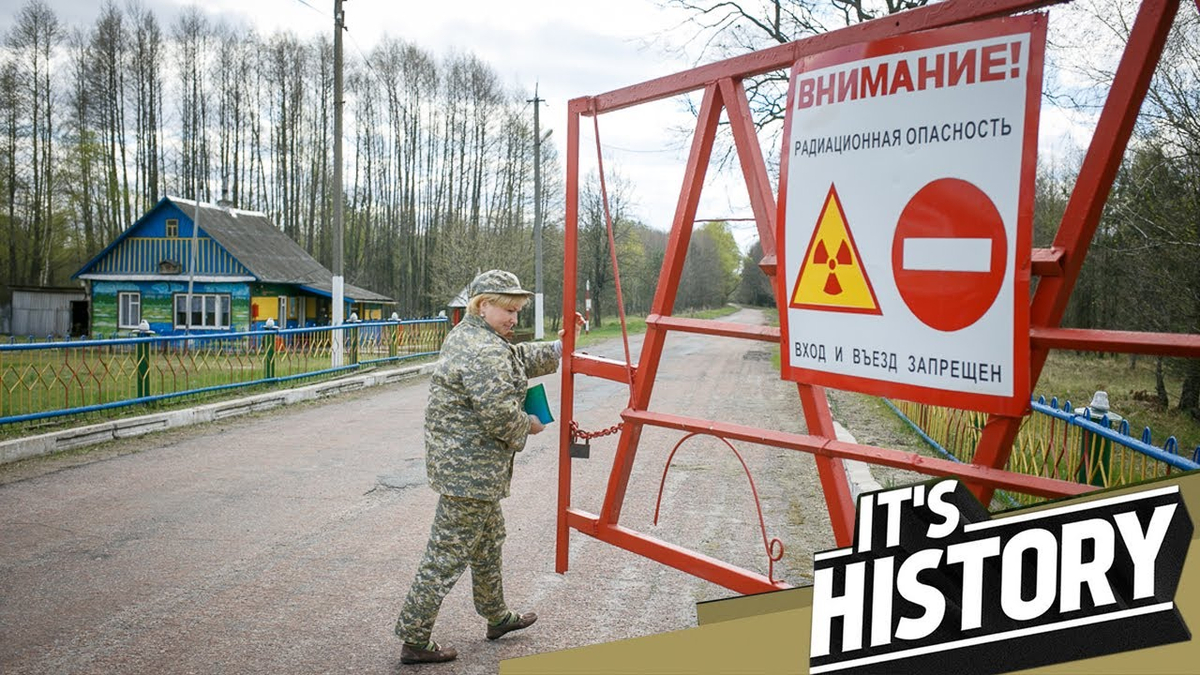
The fallout from the explosion heavily affected the southern and eastern regions of Belarus, contaminating vast areas of land. The government hastily implemented evacuation measures, relocating thousands of residents from the most heavily affected areas. Despite these efforts, many people were exposed to high levels of radiation, resulting in an increased risk of various health issues, including cancer and thyroid disorders.
The long-term consequences of the Chernobyl disaster continue to impact Belarus to this day. The contaminated land remains uninhabitable, leading to economic hardships for local communities dependent on agriculture. The health effects of radiation exposure persist, with many individuals still grappling with chronic illnesses linked to the disaster.
Efforts to mitigate the environmental and health impacts of the Chernobyl disaster in Belarus have been ongoing. Decontamination projects, health screenings, and support programs for affected individuals have been put in place to address the lasting effects of the catastrophe. Despite these initiatives, the legacy of Chernobyl looms large in Belarus, serving as a somber reminder of the risks associated with nuclear power.
#ChernobylDisaster #BelarusImpact #RadiationLegacy #HealthEffects #EnvironmentalContamination

Explore the Life Moments of
 AI Twin